

10 Best Hobbies for Stay at Home Parents to Boost Wellbeing and Productivity
It’s easy to put your own interests on hold when you’re focused on caring for your family. Many parents feel like their days are full, but it’s still just as important to make space for hobbies that bring you joy and help you recharge.

Finding the right hobby can help you balance your responsibilities and create a more enjoyable daily routine. Whether you want to relieve stress, learn something new, or just have fun, exploring new hobbies can give you a sense of accomplishment and satisfaction.
1) Zen Gardening

Zen gardening is a calming way to spend time outside. You do not need a big yard or lots of fancy tools.
A small sand pit or tray works well, even on a balcony or porch. This hobby is about gently raking sand or gravel into simple patterns.
You can also add rocks, small plants, or statues for a personal touch. The process helps you stay present and focused.
Zen gardens can fit your schedule since you can work on them a little bit at a time. Many parents enjoy that they can pause and return when they get a free moment.
If you have kids, they may like helping with the raking or adding decorations. Spending time in your zen garden can help you relax and ease stress.
It gives you a simple task that does not require much planning or cleanup. Studies show that mindful activities such as gardening can improve your mood.
Zen gardening encourages patience and creativity. You do not need to be an artist.
Just follow what feels right for you. Over time, your patterns and layouts will change as you try new ideas.
Some stay-at-home parents use their backyard space for a zen garden, but you can also create a mini version indoors. Tabletop zen gardens are easy to buy or make at home with sand and a few small stones.
You can choose to garden alone for quiet time, or invite your children to join you. This can become a peaceful break during a busy day at home.
Each session can be as short or as long as you need.
2) Cake Decorating

Cake decorating is a creative hobby that lets you design and decorate cakes for birthdays, holidays, and family events. You can start with basic tools and simple techniques, and then move on to more advanced decorations as you gain confidence.
This hobby can be done at home, so there’s no need to travel or spend a lot of money on supplies. Many people use items they already have in their kitchens.
You only need a few decorating tips and some icing to get started. The cost to start cake decorating can be as low as $10 for basic tools, as shown on lists of budget-friendly hobbies.
Cake decorating can also be a fun activity to do with your children. Kids often enjoy adding sprinkles, candies, or small decorations on baked treats.
Working together gives you a chance to connect and create something special as a family. You can learn cake decorating by watching free videos online or reading step-by-step guides.
Many decorators share easy-to-follow instructions for beginners. There are plenty of projects for you to try, from cupcakes to layered cakes.
If you find that you enjoy this hobby, you might decide to make custom cakes for friends or even start a small business from home. Some stay-at-home parents turn cake decorating into a source of extra income.
Even if you just bake for your loved ones, it’s a way to share kindness and joy. Cake decorating taps into your creativity and lets you see quick results, which can be satisfying.
Each cake is a chance to experiment with new designs and flavors. This hobby offers relaxing time in the kitchen while also adding something special to family celebrations.
3) Online Tutoring

Online tutoring gives you the chance to share your knowledge from home. You can teach subjects you are good at, like math, English, science, or even a new language.
You set your own hours, which makes it easier to work around your family’s schedule. Some tutoring jobs only need a few hours each week, so they fit well into busy days.
There are many companies that connect you with students online. For example, VIPKid focuses on teaching English to young children in other countries.
Many other websites offer similar opportunities for different subjects and age groups. You do not always need a teaching degree, but some sites ask for it or want you to have experience in the subject.
If you enjoy helping others learn, this work can be rewarding. Many tutoring platforms provide lesson plans and resources, so you do not have to create all the material on your own.
This can make lessons easier to prepare. Online tutoring is popular because you can work from anywhere with a steady internet connection.
You need a computer, a webcam, and sometimes a headset. You can choose to teach one-on-one or in small groups.
Some parents find it motivating to help kids reach their goals, especially if you enjoy working with students. Tutoring can also become a steady way to earn extra money.
If you have special skills, such as speaking two languages or teaching advanced math, you may find more job options online. Many parents, students, and professionals look for help outside school.
Being an online tutor lets you use your skills and help others grow. More information on finding your fit can be found on lists of the best online tutoring jobs.
4) Creative Writing
Creative writing is a flexible hobby you can enjoy almost anywhere. You only need paper and a pen, or you can use a computer if you prefer typing.
This hobby lets you express your thoughts, stories, and ideas in your own way. Many stay at home parents find it helps reduce stress and clear their mind.
You can write short stories, poems, personal essays, or even start a blog. There are no strict rules, and you can choose topics that interest you most.
Creative writing can also add structure to your daily routine. Setting aside a few minutes a day to write provides a small goal you can look forward to.
If you want feedback or motivation, there are many online communities for writers. Joining a group can help you improve and feel connected to others with similar interests.
You do not need to be an expert to get started. Even simple journaling is a good way to build writing confidence and explore your thoughts.
For more ideas on creative activities, you can see lists of hobbies for stay at home moms that include writing and other creative pursuits. Children can also join in.
If your kids are old enough, you could write stories together as a family activity. Creative writing is a hobby with low costs and high flexibility.
You can decide how much time to spend and what to write about, making it easy to fit into a busy schedule.
5) Gardening
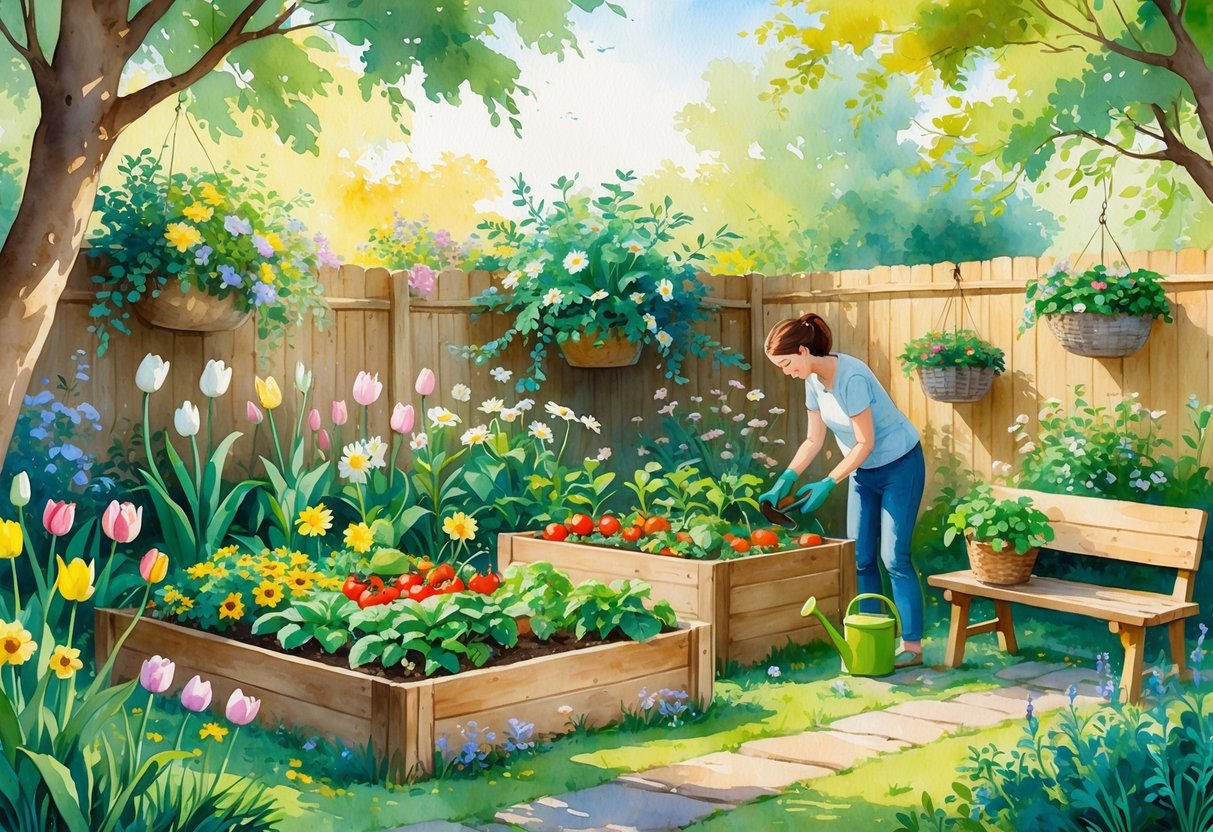
Gardening gives you a way to be outside and enjoy fresh air. You can start with a small area or just a few pots on your patio.
Even a tiny balcony or windowsill can hold a few plants. You do not need special skills to begin.
Basic tools and seeds are enough to get started. Watching your plants grow each week can feel rewarding and give you a sense of progress.
You can grow flowers, herbs, or vegetables depending on your space. If you want quick results, herbs like basil and mint are good for beginners.
Some parents like to create a vegetable garden for fresh and healthy food. Gardening can also give you light exercise from digging, planting, and watering.
If your kids are home, they can help water or pick weeds, making it a good family activity. This hobby lets you be creative, as you can design your garden or choose colors and shapes that you enjoy.
Many stay-at-home parents find gardening relaxing. Being in nature may lower stress.
You can find helpful gardening guides online or through gardening clubs. If you would like a list of plants or tips on starting small, several websites offer helpful gardening ideas for stay-at-home moms.
Try keeping a garden journal to remember what works best for your plants. This can help you learn and improve your skills each season.
Gardening is easy to pause and restart when you have a busy schedule. As your garden grows, you may start sharing extra herbs or flowers with family or neighbors.
This can help build a sense of community. Gardening can be as time-intensive or simple as you want, giving you full control.
6) Photography
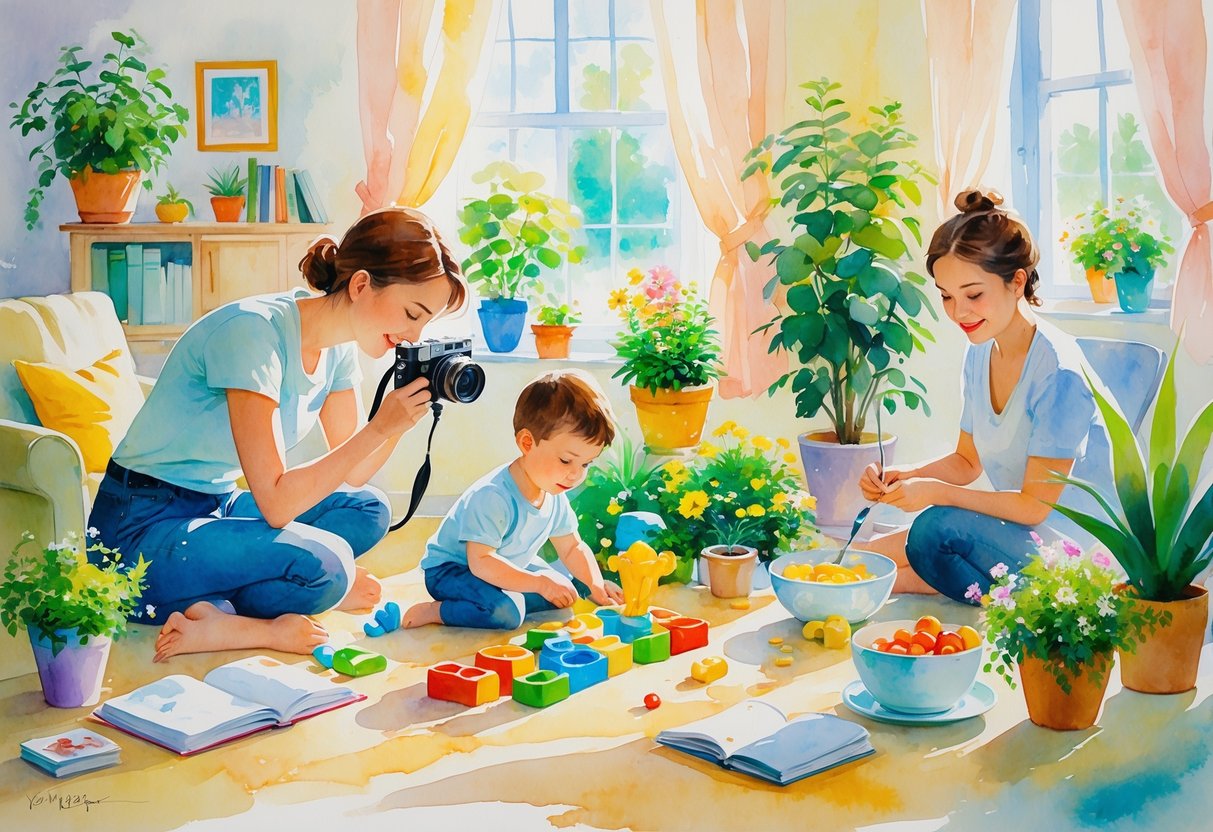
Photography is a hobby you can enjoy at home or outside. You do not need an expensive camera to start.
Many phones today can take good pictures. Taking photos lets you capture special moments with your family.
You can snap kids playing, family meals, and milestones. Over time, these photos become valuable memories.
Learning basic skills like framing, lighting, and focus helps improve your shots. There are free tutorials online, so you can learn at your own pace.
Practice will help you notice small details in your daily life. If you want to get creative, try taking photos of nature in your yard or nearby park.
You can also experiment with indoor setups. Simple projects like capturing your child’s toys, food presentations, or plants can be rewarding.
Photo editing apps make it easy to adjust, crop, or add filters. Many moms and dads enjoy making photo albums or online galleries to share with relatives.
Some parents even turn photography into a small business, selling prints or offering family photos to friends. Photography is also a fun hobby you can involve your children in.
They can be models, helpers, or even photographers with guidance. This can help spark their creativity and confidence.
This hobby is a great fit for stay-at-home parents because you can do it anytime. You do not need to block out large chunks of your day.
For more hobby ideas like photography, see these fun hobbies for stay-at-home moms and check out this list of perfect hobbies for parents at home.
7) Knitting and Crocheting
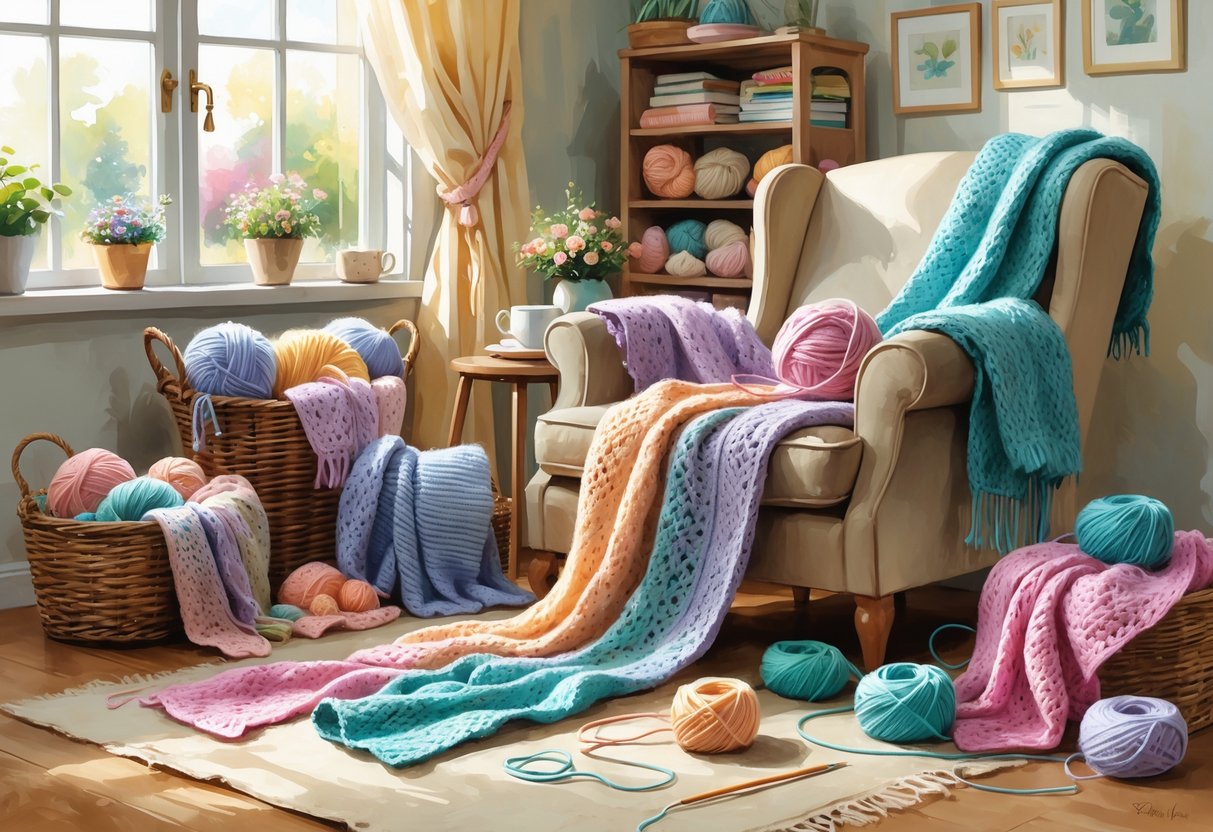
Knitting and crocheting are hands-on hobbies that let you turn yarn into useful or decorative items. You can make things like hats, scarves, and blankets.
Once you learn the basics, you may find it relaxing to watch your project grow with each stitch. You do not need a lot of supplies to start.
A pair of knitting needles or a crochet hook and some yarn are enough. There are many guides online or in books that can help you learn step by step.
Both skills can help relieve stress and take your mind off daily worries. Many people find a sense of calm and focus while working with yarn.
You might also enjoy the feeling of accomplishment when you finish a project. These hobbies are easy to pick up and put down, making them a good fit for busy parents.
You can work on projects while your child naps or during quiet moments in the day. Over time, you can even make handmade gifts for family and friends.
Knitting and crocheting also help keep old traditions alive. People have used these skills for hundreds of years to make clothing and household items.
By learning, you join a worldwide community of other yarn lovers. You may even find online groups or local clubs to connect and share ideas with others who enjoy it too.
If you need inspiration or want to see project ideas, several sites offer tips on different crochet projects and knitting ideas for beginners. Whether you choose simple patterns or try more advanced designs, these crafts are flexible and rewarding.
8) History Documentary Watching

Watching history documentaries can be a great way to learn while relaxing at home. You get to explore important events, cultures, and people from the past without needing textbooks or tests.
This hobby is easy to start. All you need is internet access or a streaming service.
Many free options are available online, including PBS’s collection of 179 history documentaries. You can watch on your smart TV, laptop, or even your phone.
You will find documentaries about ancient civilizations, major wars, and famous inventors. Some shows also cover local and family history, which might connect you to your own background.
This hobby is flexible. You can watch short videos when you have a few minutes or settle in for a longer film on the weekends.
It’s also suitable if you’re multitasking, like folding laundry or cooking. If you have children at home, consider picking kid-friendly documentaries.
There are plenty of options gathered for families and homeschoolers, making it easy to learn together. These films can help kids see history as interesting and real.
Some parents use notebook or journal pages to make notes about what they watch. This helps you remember facts and track your favorite topics.
It also encourages deeper thinking about the events and characters in each documentary. Many streaming services categorize history documentaries by topics and time periods.
This makes it easy to find shows that match your personal interests. Try watching documentaries about different cultures to broaden your view of the world.
9) DIY Craft Projects

DIY craft projects can be a rewarding hobby to pick up at home. You do not need special skills or expensive materials to get started.
Many fun projects use items you already have around the house. You could make simple crayon rubbing plates using cardboard and glue.
This lets you create your own designs or textures for artwork. If you have kids, they will enjoy making these as well.
For more ideas, you can check out a list of easy crafts to do at home. Making sticker books is another idea if you like to collect and organize things.
Sticker books can be just for fun or help kids learn new things, like the alphabet or numbers. This activity is easy to set up and encourages creativity.
Nature crafts can add some fresh air to your hobby time. Step outdoors to collect leaves, twigs, or small stones.
With a little glue and paper, you can make nature collages or pressed flower art. These projects let you bring pieces of the outdoors inside and can be a calming way to spend an afternoon.
If you like decorating your home, you might enjoy painting flower pots, making wreaths, or customizing picture frames. Simple and quick projects like these can brighten your space and give you a sense of accomplishment.
Trying out craft hobbies doesn’t have to be complicated. There are hundreds of quick and simple crafts you can try, from paper crafts to organizing shelves with labels you make yourself.
These projects help you relax and let your creativity grow, even with a busy schedule.
10) Yoga and Meditation

Yoga and meditation are hobbies you can easily do at home. They do not need a lot of space or special equipment, just a quiet spot and a little time.
Many people like yoga because it helps stretch tired muscles and can make you feel calmer. If you are often busy caring for children, yoga can give you a much-needed break.
Breathing exercises and gentle poses are good for stress relief. Even ten minutes of meditation in the morning or before bed can make a difference in how you feel for the rest of the day.
You can follow videos online or use phone apps to guide your sessions. Many routines are made for beginners, so you do not need to be flexible or athletic to start.
Setting aside a few minutes each day can help you create a habit and slowly build your skills. Yoga and meditation may help you feel more relaxed and clear-headed.
These activities are known to support better sleep and may help with staying patient and focused. If you have young kids, they can even join you for simple poses or breathing exercises, making it a family activity.
Some stay-at-home parents find that doing yoga with other adults in online classes adds a sense of community. If you are looking for relaxing, meditative hobbies, options like yoga, painting, or mindful walks have been recommended by well-known parenting and wellness sites such as Live Chill Life.
For more ideas on calming hobbies, you can view a list of meditative activities for relaxation. Practicing yoga and meditation does not require a big time commitment.
You can fit them into your routine, no matter how busy you are. With practice, you might find calm moments that carry over into the rest of your day.
Benefits of Engaging in Hobbies

Hobbies do more than just fill your free time. They help you care for your mental health, bring order to your routine, and give you more chances to bond with your family.
Enhancing Mental Health
Spending time on hobbies can reduce stress and improve your mood. When you work on an activity you enjoy, your mind focuses on the task instead of worries or chores.
This focus helps you stay present and lowers anxiety. Hobbies also add creativity and play to your day, which can help you feel more relaxed and open-minded.
Some studies show that having a hobby is linked to less depression and higher satisfaction with life. If you deal with anxiety, painting, gardening, or even baking can be a calming escape.
Doing something creative may boost your self-esteem and help you feel more hopeful about each day. Mindfulness often grows from simple hobbies.
Focusing on a puzzle, sewing a quilt, or sketching can help you slow down and appreciate small moments. In the long run, this can build resilience and make daily stress feel more manageable.
For more information, check out why hobbies are important.
Building Daily Structure
When you are home most of the time, days can blend together. Hobbies help set routines and break up long stretches of the day.
You might schedule your hobby around nap times, school pick-ups, or daily chores. This helps bring order and predictability to your routine.
Simple daily structure, like setting aside thirty minutes for a craft project or exercise, can give your day more purpose. This makes duties like laundry or dishes feel less repetitive.
Crossing off a task or finishing a project brings a sense of progress, even if your days feel similar. Using a planner or a checklist for your hobbies can be helpful.
Try noting small weekly goals or keeping a log of your activities. Over time, this habit can improve your time management and allow you to make room for fun interests along with responsibilities.
Studies suggest hobbies can help you manage time and boost your well-being, as explained in the benefits of hobbies article.
Strengthening Family Connections
Hobbies are a good chance to connect with your loved ones at home. Working on a puzzle, baking cookies, or starting a small garden can become a shared activity.
These moments create positive memories and bring you closer as a family. Even if your hobby is personal, kids and partners can join for certain parts or ask questions about what you are making.
Teaching children a skill like drawing or cooking helps them learn and builds trust. Group hobbies also teach teamwork and patience.
Some families set up weekly craft nights or cooking challenges. These shared routines can make everyone feel included and valued.
Tips for Incorporating Hobbies Into a Busy Routine

Making time for hobbies as a stay at home parent can help improve your well-being and keep your mind sharp. With a few simple changes, you can fit enjoyable activities into even the busiest days.
Time Management Strategies
Start with small, realistic goals. Even just 10 minutes a day for your hobby can make a difference.
Short sessions are easier to stick with, especially if you have young children. Block out specific times in your day or week for your hobby.
Treat it like an appointment. Early mornings, nap times, or after bedtime are usually good options.
Write it on your calendar or set a reminder on your phone so you don’t forget. A helpful trick is to combine hobbies with daily routines when possible.
For example, listen to an audiobook while folding laundry, or sketch while waiting in the car pickup line. Multi-tasking like this makes it easier to stay consistent.
If your schedule changes often, be flexible. Use unexpected free moments, even five minutes, to work on your hobby.
Over time, these moments add up and help build your skills and enjoyment. For more ideas on balancing hobbies and responsibilities, read these practical tips.
Creating a Supportive Environment
Choose a spot in your home where you can keep your hobby supplies ready. A small shelf, corner table, or basket works well.
Having everything in one place makes it easy to start right away and not waste time searching for materials. Let your family know when you need time for your hobby.
Clear communication helps your partner and kids understand its importance. You can even invite them to join sometimes, turning hobbies into a fun family activity.
Remove distractions in your hobby space. Silence your phone or put it out of reach, and face away from the TV.
This helps you focus and get the most out of your time. If you struggle to stay motivated, try keeping a simple checklist of your progress.
Checking off small achievements will encourage you to keep going. See more about how a dedicated hobby area can help at this helpful guide.
Frequently Asked Questions
Stay-at-home parents often look for hobbies that are enjoyable, practical, and sometimes profitable. Choosing the right activity can depend on your age, your children’s needs, or the time you have available.
What are some engaging hobbies stay-at-home moms in their 30s can pursue?
You can try creative activities like cake decorating, learning photography, or blogging. Many enjoy Zen gardening for relaxation or taking up painting for self-expression.
These hobbies are fun, help build skills, and can be adapted to your daily schedule. You can find more inspiration in lists like this one with popular hobbies for women in their 30s.
How can stay-at-home moms generate income through their hobbies?
You can turn hobbies like online tutoring, freelance writing, or selling handmade crafts into ways to make money. Cake decorating can lead to a small baking business from home, and teaching music lessons is another profitable option.
Platforms like Etsy and Upwork make it easier to reach customers without leaving your house.
What hobbies are suitable for moms in their 40s to enjoy during their free time?
Gardening, photography, and creative writing are top picks for moms in their 40s. These activities are relaxing and often let you follow your interests at your own pace.
Journaling or scrapbooking are also enjoyable hobbies that can fit into busier schedules. Explore ideas for moms of any age, including flexible and fun options.
Which activities can moms with toddlers take up as hobbies?
Simple hobbies like crafting, drawing, or baking are great, especially if your toddler can join in. Zen gardening and short walks with your child can also be relaxing.
These activities keep things fun for you while staying child-friendly too.
What are some creative hobbies that stay-at-home wives find fulfilling?
Creative writing, painting, and cake decorating are meaningful ways to express yourself. Many also enjoy DIY home projects, making jewelry, or working with clay.
These hobbies are both enjoyable and allow you to see your progress every day. You can discover more creative ideas here.
How can stay-at-home moms combat depression with hobby-based strategies?
Doing a hobby like gardening, creative writing, or cake decorating helps reduce stress and lift your mood.
Physical activities and creative work can shift your focus and give you a sense of accomplishment.
Connecting with others online who share your interests can support emotional well-being as well.