10 Best Hobbies for EMTs and Paramedics During Downtime: Stay Sharp and Reduce Stress Between Calls
EMTs and paramedics face intense stress and demanding schedules that can take a toll on mental and physical health. The nature of emergency medical work involves long shifts, unpredictable calls, and exposure to traumatic situations.
Finding ways to relax and recharge during downtime is not just helpful but necessary for long-term career success.

Hobbies offer EMTs and paramedics practical ways to manage stress, stay physically fit, and develop skills that can enhance both personal well-being and professional performance. Some activities help you build strength and endurance for the physical demands of the job.
Others provide mental clarity and emotional balance that make it easier to handle challenging calls. This article explores ten hobbies that fit well with your schedule and lifestyle as an emergency medical professional.
You’ll find options that reduce stress, improve communication skills, boost physical fitness, and sharpen observation abilities. Each hobby offers specific benefits that support your health and career while making the most of your time between shifts.
10) Writing Emergency Response Journals
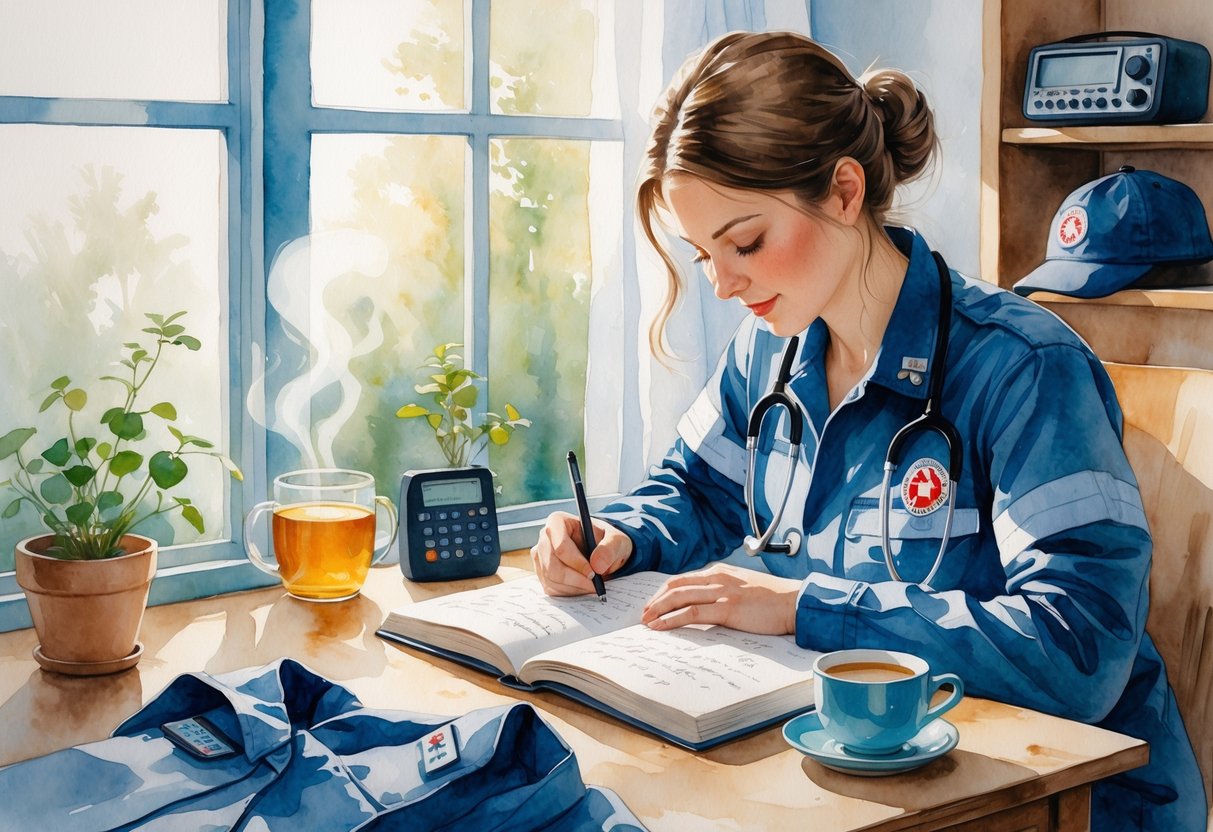
Keeping a journal about your emergency response experiences can be a valuable hobby during your downtime. You can process the calls you respond to and reflect on what you learned.
This type of writing helps you work through difficult situations in a healthy way. Your journal entries can focus on specific calls that stand out to you.
You might write about new medical procedures you performed or challenging patient interactions. Many EMTs and paramedics find that writing down their experiences helps them remember important lessons.
This hobby also improves your documentation skills. The more you practice writing clearly about emergency situations, the better you become at completing patient care reports.
You can use your journal to note patterns in your community’s emergency calls too. Your journal doesn’t need to follow any special format.
Some responders prefer typing on their computer while others like writing by hand. You can keep your entries private or share them with trusted colleagues.
Remember to protect patient privacy in your journal. Don’t include names, addresses, or other identifying information.
Focus on the medical aspects and your personal reactions to calls instead.
9) Volunteering at Local Clinics
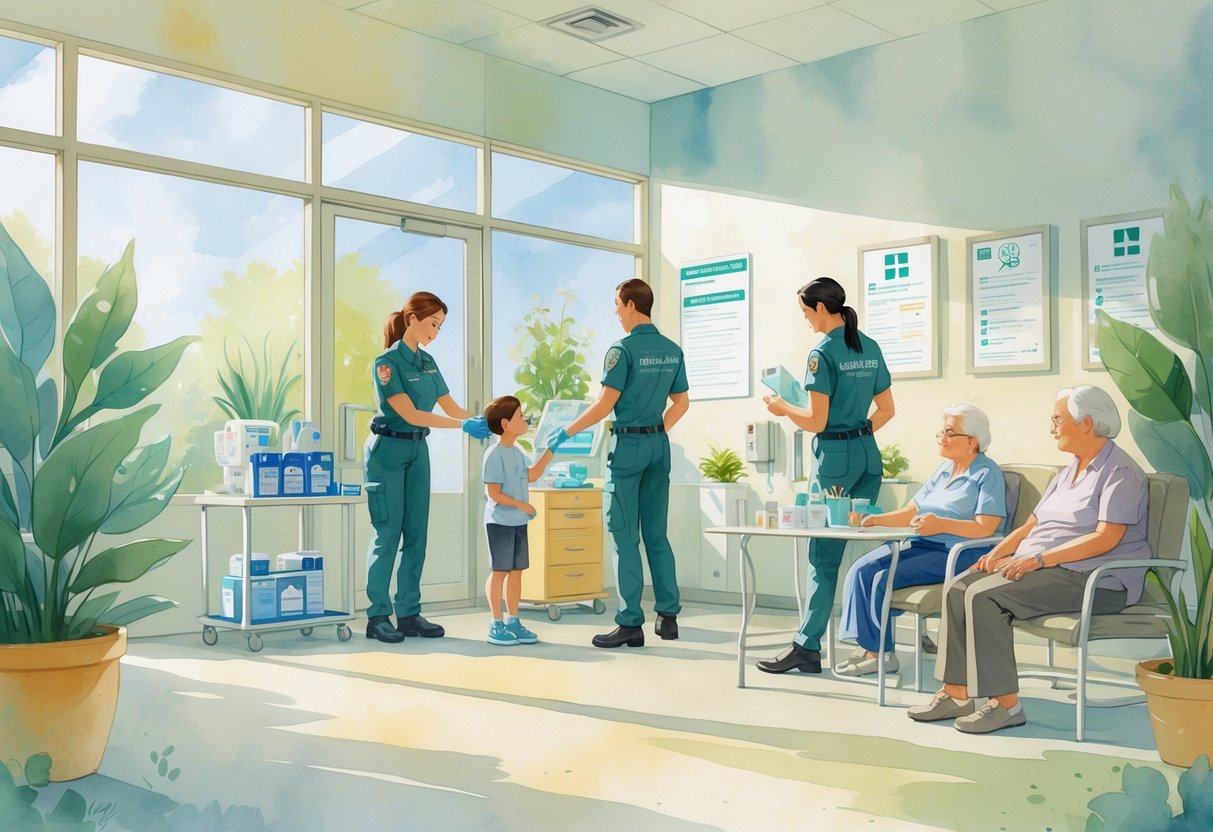
Volunteering at local clinics offers EMTs and paramedics a productive way to use their skills during downtime. You can apply your medical training in a different setting while helping people who need care.
Local clinics often need volunteers to assist with basic patient intake, vital signs monitoring, and health screenings. This type of work keeps your clinical skills sharp without the high-pressure environment of emergency calls.
You’ll work with nurses, doctors, and other healthcare professionals who can expand your medical knowledge. The experience also builds your professional network.
Meeting healthcare workers in different settings can open doors to future career opportunities or mentorship relationships. Free clinics that serve low-income communities especially need volunteers with EMS training.
Your ability to handle medical emergencies and stay calm under pressure makes you valuable to these organizations. You can help patients who might not otherwise receive medical attention.
Volunteering gives you a chance to practice patient care in a slower-paced environment. You’ll have more time to talk with patients and understand their health concerns.
This can improve your communication skills and bedside manner. The schedule flexibility works well for EMS professionals.
Many clinics need volunteers for just a few hours per week or month. You can choose shifts that fit around your regular work schedule and personal commitments.
8) Gardening to Reduce Stress
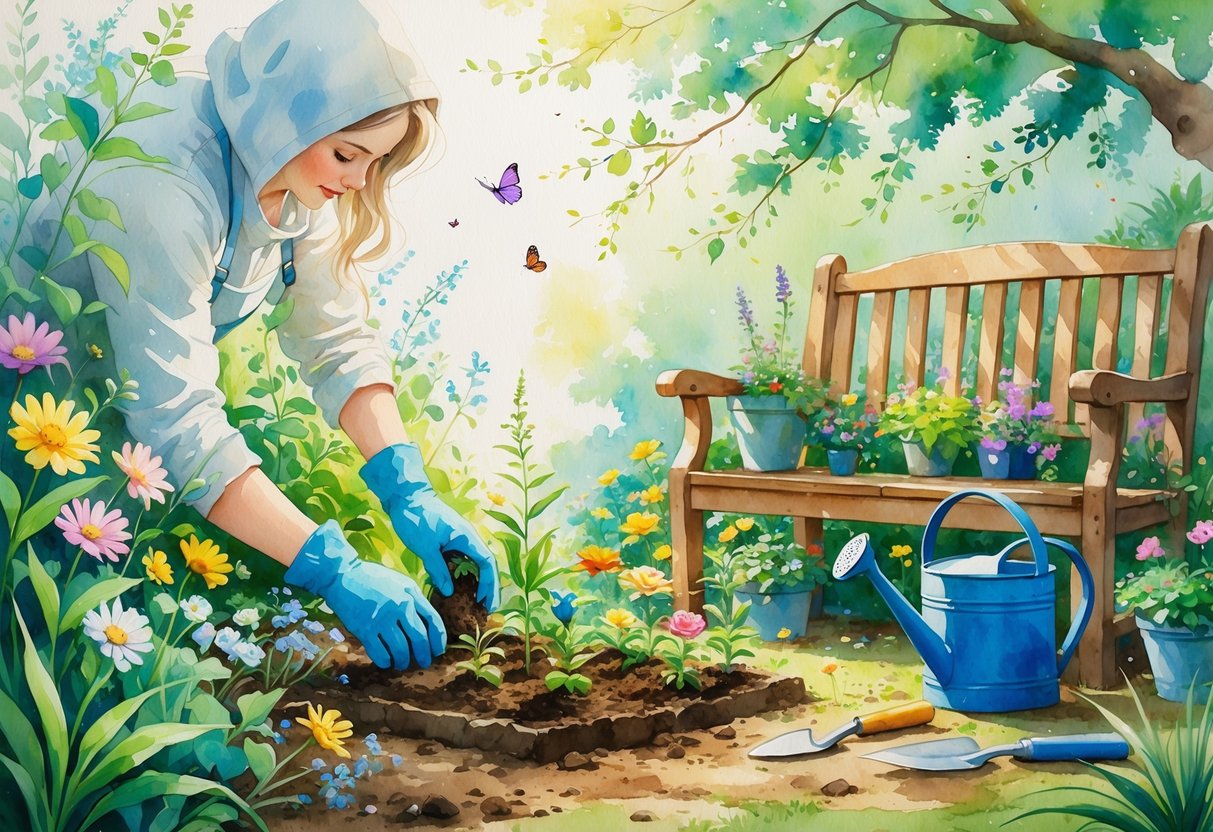
Gardening offers EMTs and paramedics a powerful way to manage the stress that comes with emergency work. When you spend time tending to plants, you shift your focus away from traumatic calls and difficult situations.
This simple activity helps your mind rest and recover. Research shows that gardening lowers stress levels more effectively than many other leisure activities.
The combination of physical movement and mental calm makes it particularly useful for first responders. You get fresh air, light exercise, and a break from the demands of your job.
You don’t need a large yard to start gardening. A few pots on a balcony or windowsill work just fine.
Growing herbs, vegetables, or flowers gives you something positive to focus on during your days off. The act of watering plants or pulling weeds can work like a short meditation.
Your attention stays on simple, repetitive tasks instead of racing thoughts. This helps you feel more grounded and less anxious.
Gardening also gives you a sense of control and accomplishment. You watch your plants grow over time because of your care.
This stands in contrast to emergency work, where outcomes aren’t always in your hands. Starting small is the best approach.
Pick one or two easy plants and build from there. The goal is to create a relaxing routine that fits your schedule and helps you manage the unique stresses of emergency medical work.
7) Learning Spanish for Improved Communication
Learning Spanish can make you a more effective first responder. Many communities across the United States have large Spanish-speaking populations.
When you can communicate directly with patients, you gather better medical information and provide clearer instructions. You don’t need to become fluent to make a difference.
Focus on learning essential medical vocabulary and common emergency phrases. This includes words for symptoms, body parts, and basic commands.
During downtime at the station, you can use language learning apps or specialized resources designed for EMS workers. These programs teach phrases you’ll actually use on calls.
You’ll learn how to ask about pain levels, allergies, and medical history. Spanish training helps you build trust with patients during stressful situations.
When people hear their native language, they often feel more comfortable sharing important details about their condition. This can lead to better patient outcomes and fewer miscommunications.
Many departments now offer Spanish courses created specifically for paramedics and EMTs. These programs focus on practical communication rather than grammar rules.
You’ll practice real-world scenarios like assessing injuries and giving treatment instructions. Start with survival phrases that cover the most common emergency situations.
As you build confidence, expand your vocabulary to include more complex medical terms. Even basic Spanish skills can significantly improve your ability to serve your community.
6) Rock Climbing for Physical Strength

Rock climbing builds the kind of functional strength that benefits EMTs and paramedics on the job. This hobby targets your upper body, core, and legs all at once.
You’ll develop grip strength that helps when lifting patients and equipment during long shifts. The physical demands of climbing match well with emergency medical work.
Your forearms, shoulders, and back get stronger with each route you complete. These same muscle groups help you when you need to perform CPR or move stretchers.
You don’t need expensive gear to start. Many climbing gyms offer day passes and rent equipment.
Indoor climbing lets you train year-round, regardless of weather conditions. Climbing also improves your problem-solving skills.
Each route requires you to plan your movements and adjust your strategy. This mental challenge keeps the activity interesting while you build strength.
The workout feels less repetitive than traditional gym exercises. You focus on reaching the top rather than counting reps.
This makes it easier to stick with as a regular hobby. Your endurance improves naturally through climbing sessions.
Routes take several minutes to complete, which builds stamina. You’ll notice better cardiovascular fitness over time.
Start with beginner routes and progress at your own pace. Most gyms have staff who can teach you proper techniques.
Safety training takes just one session before you can climb independently.
5) Homebrewing Craft Beer
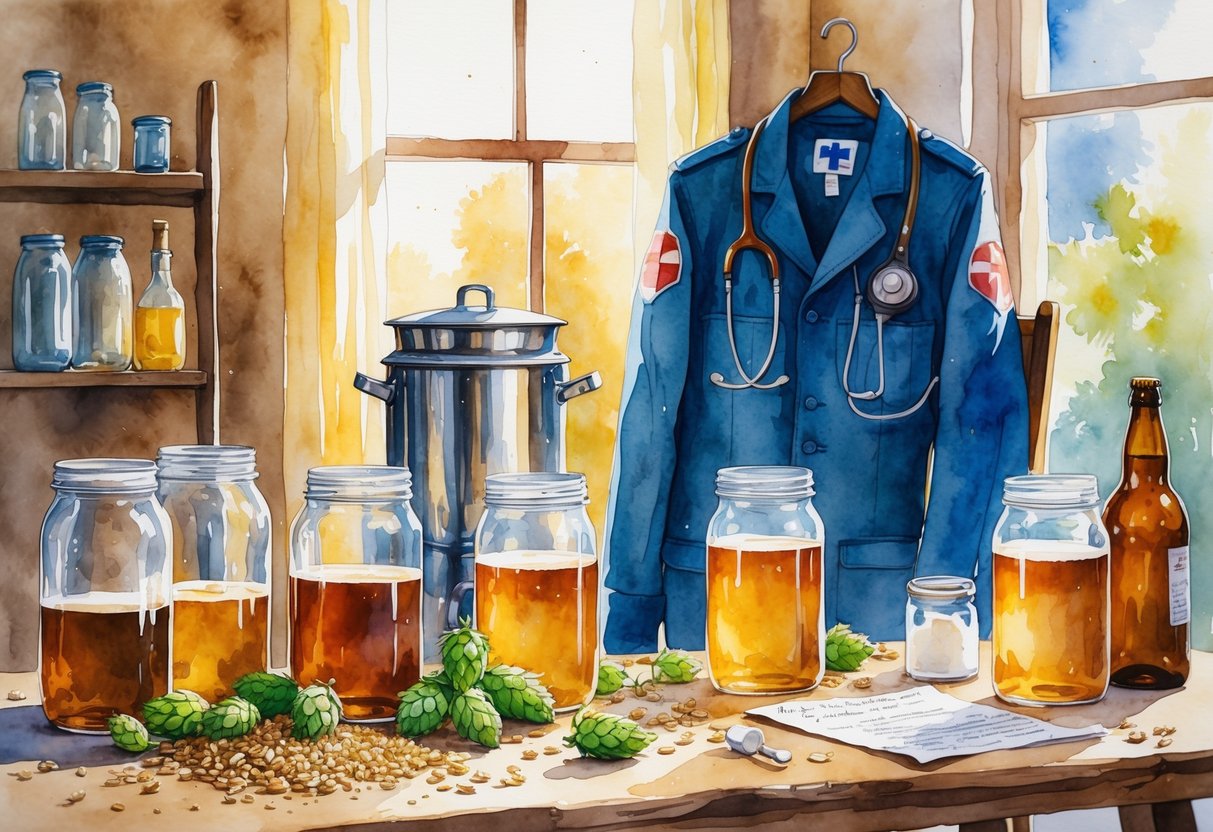
Homebrewing lets you create your own beer right at home during your time off. This hobby combines science and creativity in a way that keeps your mind active between shifts.
You can start brewing with basic equipment and ingredients from online stores or local homebrew shops. The process is straightforward once you learn the steps.
About 1.2 million people currently homebrew in the United States, so you’ll have plenty of resources to help you learn. Making beer at home saves you money compared to buying craft beer at the store.
You also get to experiment with different flavors and styles until you find exactly what you like. Each batch teaches you something new about the brewing process.
The homebrewing community is welcoming and supportive. You can share your creations with fellow brewers and learn from their experiences.
Many brewers meet up to trade tips and sample each other’s work. This hobby works well with your schedule since you can brew on your days off.
Most of the work happens at the beginning, and then the beer ferments on its own. You can check on it between shifts without much effort.
Homebrewing gives you a productive way to unwind after difficult calls. The hands-on process helps you focus on something positive and creative.
You end up with quality beer you made yourself, which makes the hobby even more rewarding.
4) Meditation for Mental Clarity
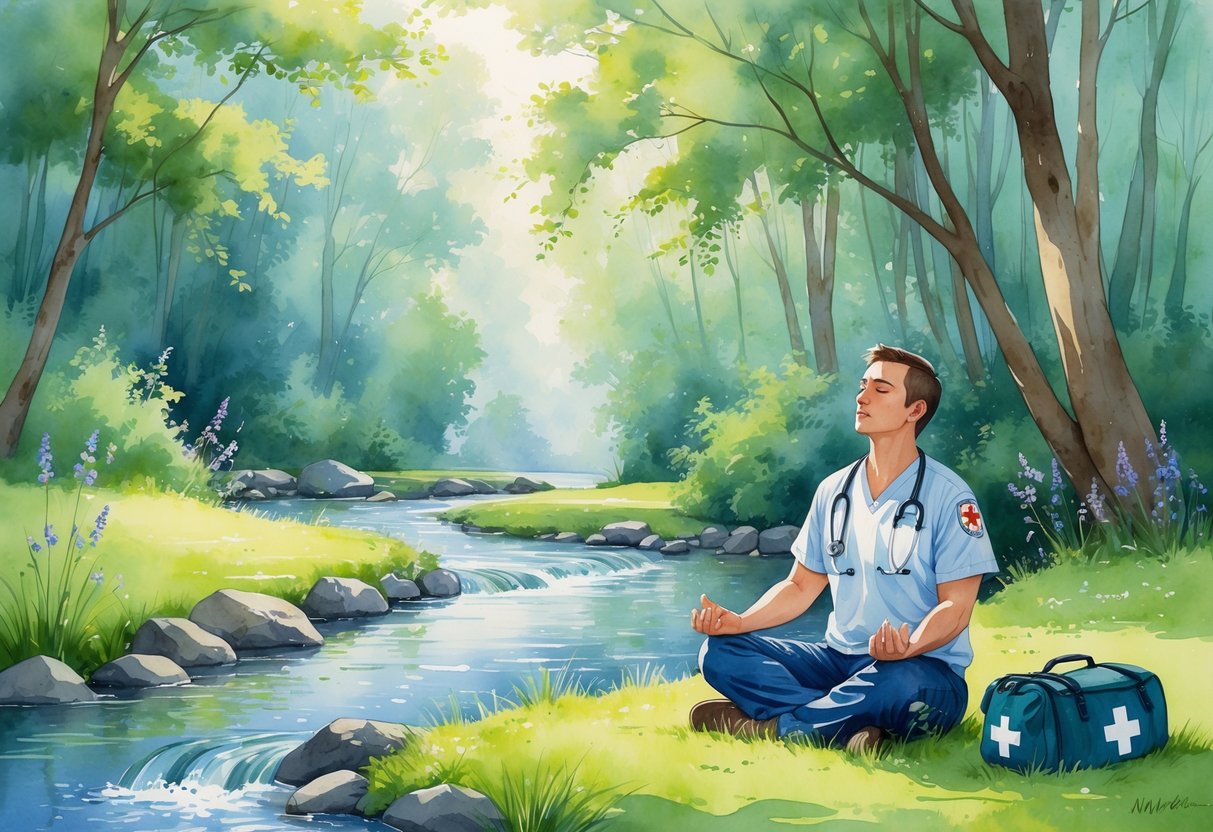
Meditation offers EMTs and paramedics a simple way to clear your mind after demanding shifts. This practice helps you process the stress and traumatic situations you face on the job without needing any special equipment or training.
Regular meditation can lower your blood pressure and improve your heart rate. These physical benefits matter because chronic stress takes a real toll on your body over time.
Studies show that meditation also helps with emotional regulation, which is important when you deal with high-pressure emergencies every day. You can start with just five minutes of quiet breathing exercises.
Find a comfortable spot where you won’t be disturbed. Focus on your breath as it moves in and out of your body.
The mental clarity you gain from meditation helps you stay calm during tough calls. This hobby works especially well during downtime because you can practice it anywhere.
You don’t need to go to a gym or buy expensive gear. Many EMTs and paramedics find that meditation improves their mood and helps them sleep better.
The practice gives your mind a chance to rest and reset between shifts. You can use free apps or online videos to guide you through basic meditation techniques.
Starting small makes this habit easier to maintain. Even short meditation sessions add up over time and create real benefits for your mental health.
3) Photography to Capture Life Moments
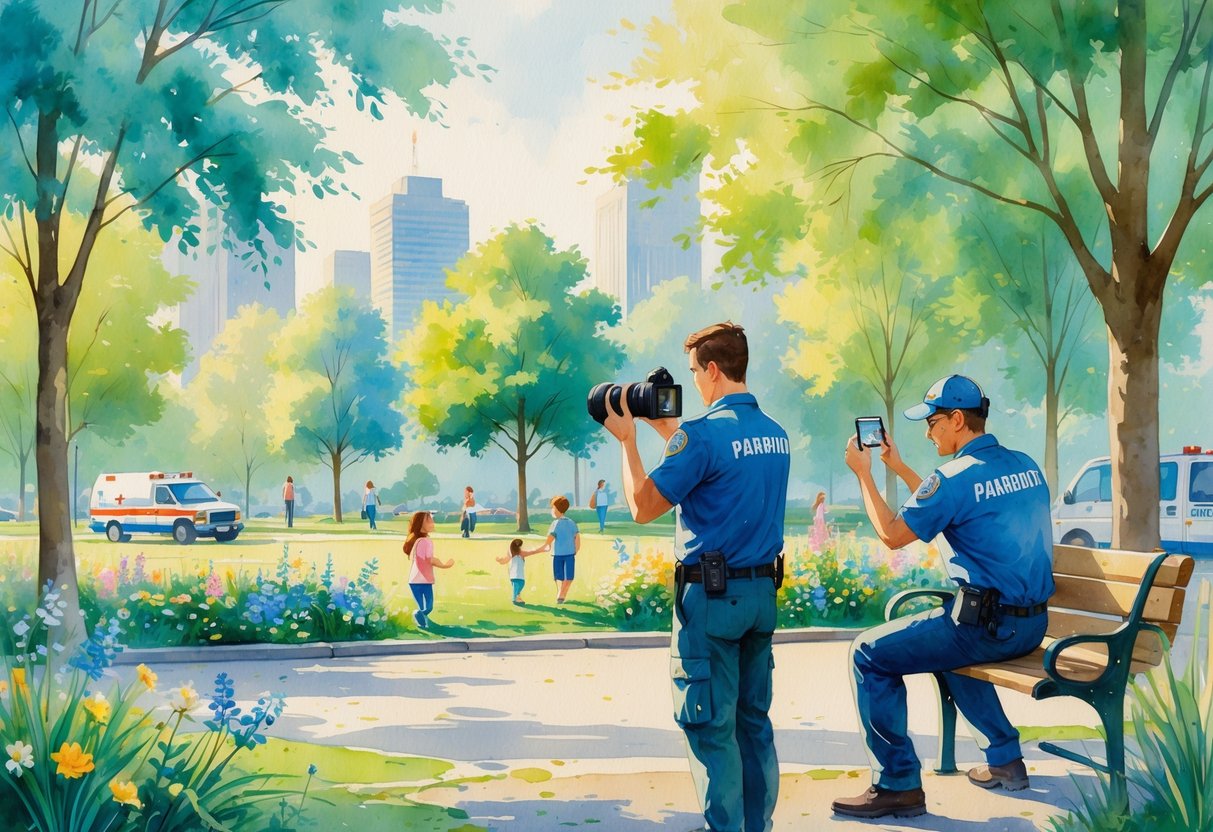
Photography offers you a creative outlet that fits perfectly into the unpredictable schedule of EMS work. You can pick up a camera whenever you have free time, whether that’s 10 minutes or an entire day off.
This hobby helps you shift your focus from emergency calls to capturing everyday beauty. You’ll learn to notice small details and peaceful moments that might otherwise pass you by.
The skill of observation you develop through photography can even improve your situational awareness on the job. You don’t need expensive equipment to start.
Your smartphone camera works perfectly fine for learning basic composition and lighting. As you progress, you can invest in better gear if you choose.
Photography gives you something tangible to show for your downtime. You can document your travels, photograph nature scenes, or capture candid moments with family and friends.
Many EMTs and paramedics find that taking photos of non-emergency subjects provides a healthy mental break from their daily work stress. The hobby also connects you with other photographers through local groups or online communities.
You can share your work, learn new techniques, and get feedback on your images. You control the pace and style of your photography.
Some days you might want to take landscape photos during a quiet morning. Other times you might prefer street photography or portraits of people in your life.
The flexibility makes it ideal for first responders with irregular schedules.
2) Birdwatching to Enhance Observation Skills
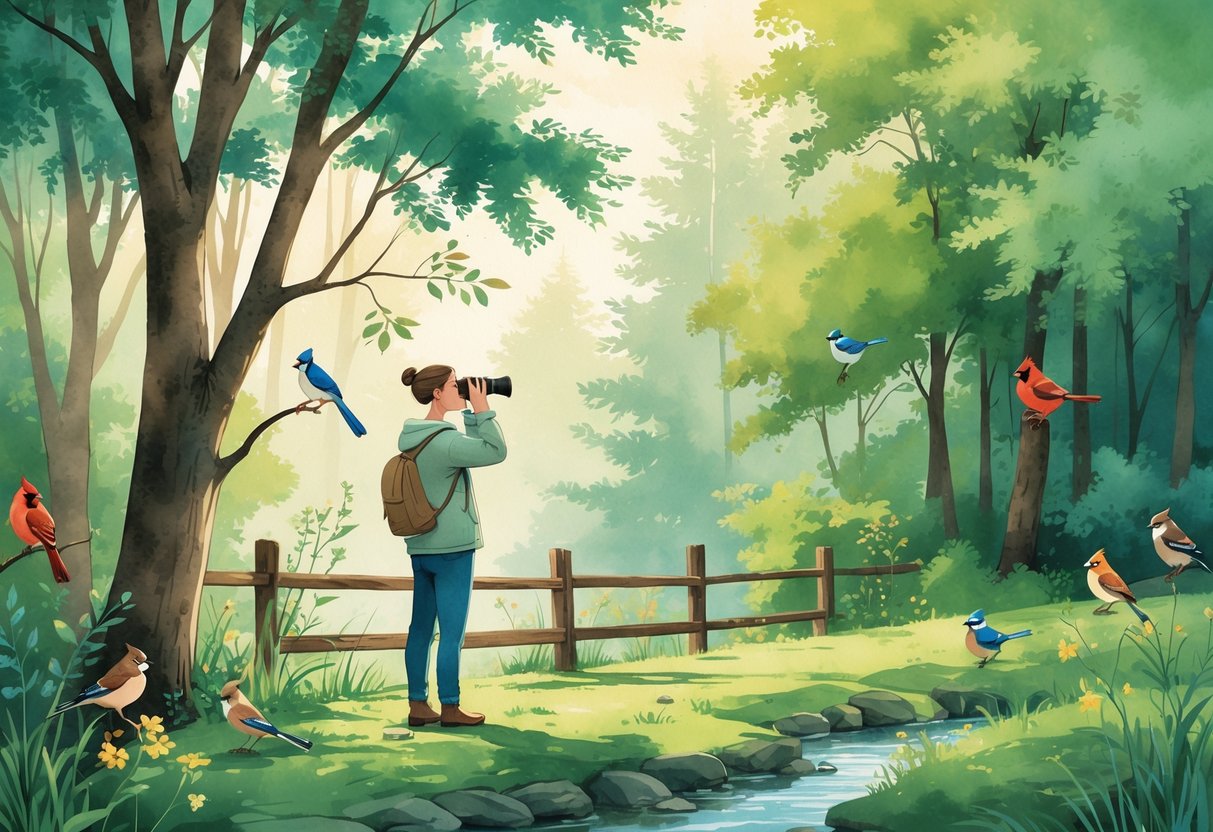
Birdwatching naturally strengthens the observation skills you use every day as an EMT or paramedic. When you watch birds, you train your eyes to notice small details quickly.
You learn to spot subtle movements and identify different species by their markings, sounds, and behavior patterns. These same skills transfer directly to patient assessment.
You become better at noticing visual cues that others might miss. Your ability to process information from your surroundings improves with practice.
The activity requires patience and focused attention. You must stay alert while remaining calm, which mirrors the mental state needed during emergency calls.
Bird watching teaches you to observe without rushing to conclusions. You can start this hobby anywhere, even during short breaks between calls.
A pair of binoculars and a basic field guide are the only tools you need. Many parks and natural areas near fire stations offer excellent opportunities to spot different bird species.
Your mind gets a break from intense situations while still staying engaged. You practice scanning environments systematically, which keeps your assessment skills sharp.
Learning to identify birds by their calls also improves your auditory processing. This skill helps you filter important sounds from background noise during emergencies.
Bird watching challenges your brain in ways that complement your medical training without adding stress.
1) Trail Running for Cardiovascular Health
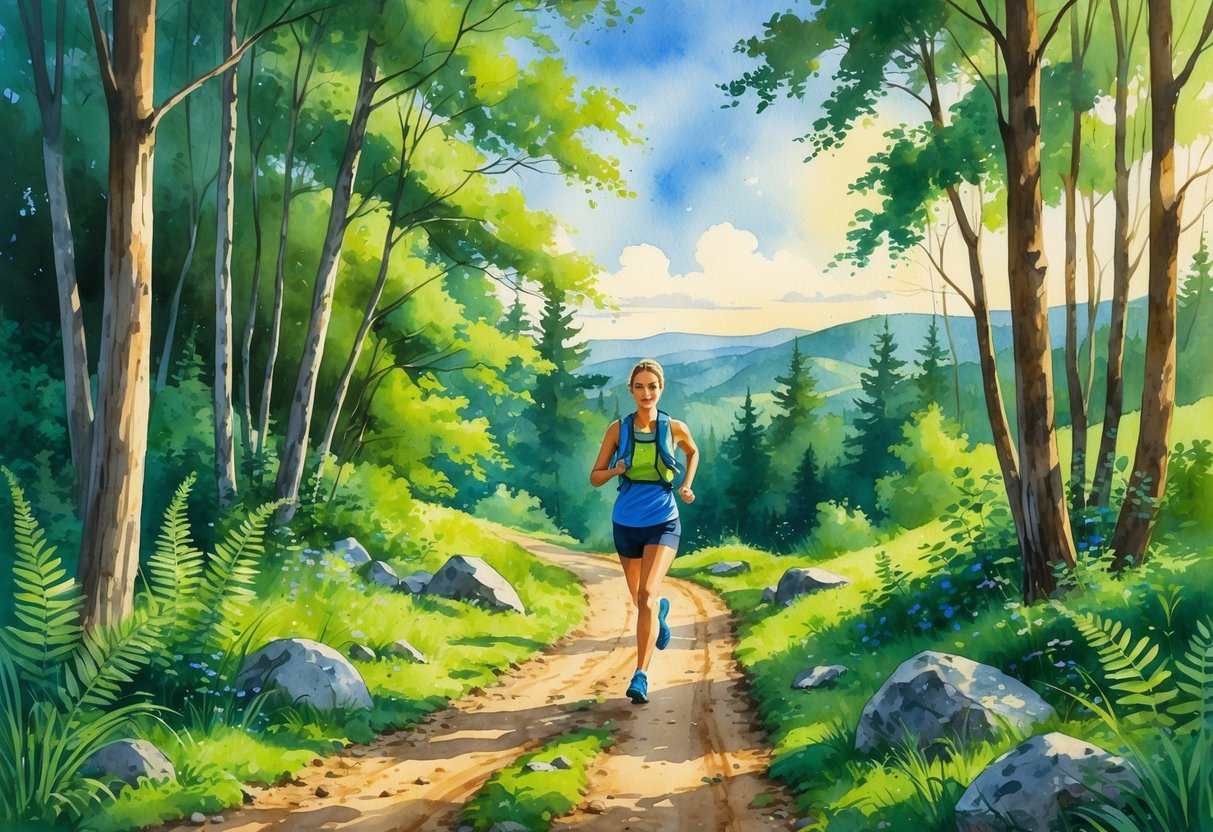
Trail running gives you a solid cardio workout while getting you outside during your downtime. Unlike running on pavement, trails force you to navigate roots, rocks, and changing elevation.
This builds your cardiovascular endurance while improving your balance and agility. Your work as an EMT or paramedic demands strong heart health.
Trail running strengthens your cardiovascular system in ways that directly support your job. You’ll build the stamina needed for long shifts and emergency responses.
The uneven terrain works your body differently than regular running. You engage more muscle groups as you adjust to hills and obstacles.
This improves your coordination and reaction time, both useful skills when responding to emergencies. Start with easier trails if you’re new to this activity.
Look for local parks or nature areas with marked paths. You can gradually increase distance and difficulty as your fitness improves.
Trail running also helps reduce stress from your demanding job. Being in nature provides mental relaxation while you exercise.
The focus required to navigate trails can clear your mind from work concerns. You don’t need special equipment to start.
A good pair of trail running shoes with grip will help on rough terrain. Bring water and let someone know your route for safety.
This hobby fits well into irregular schedules. You can do shorter runs between shifts or longer ones on days off.
Benefits of Hobbies for EMTs and Paramedics
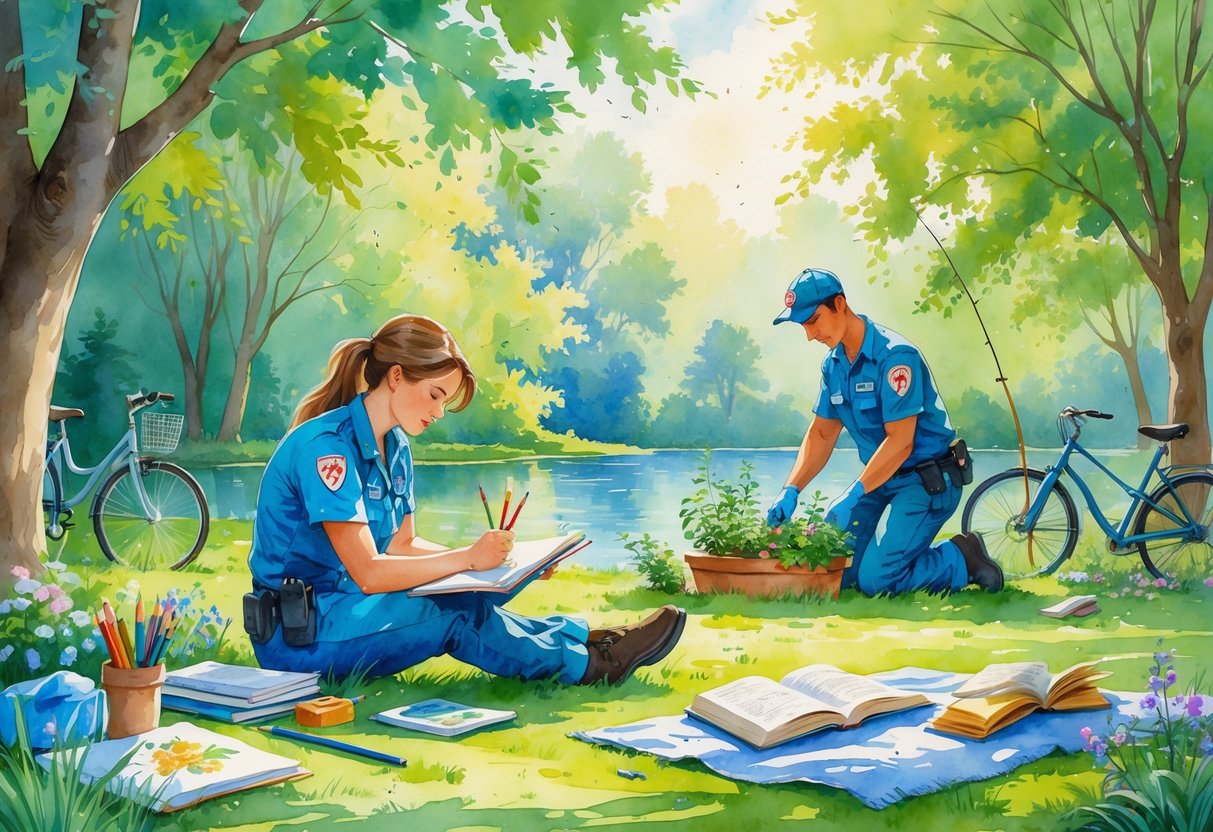
Hobbies provide critical mental health support and personal growth opportunities that directly counter the demands of emergency medical work. They create space for recovery while building new capabilities that can enhance both professional performance and personal satisfaction.
Stress Reduction and Mental Health
Your work as an EMT or paramedic exposes you to traumatic situations, long shifts, and constant pressure to make life-or-death decisions. Hobbies give your mind and body a necessary break from this intensity.
Physical activities like hiking, camping, or basketball help release tension stored in your muscles and trigger endorphin production. These natural chemicals improve your mood and reduce anxiety levels.
Creative hobbies such as painting, woodworking, or playing music activate different parts of your brain than those used during emergency calls. This mental shift allows your stress response system to reset.
You process difficult experiences more effectively when you engage in activities unrelated to your job. The emotional distance helps prevent burnout and compassion fatigue.
Outdoor hobbies offer particular benefits because nature exposure lowers cortisol levels and blood pressure. Even simple activities like reading or gardening provide moments of calm that balance the chaos of emergency response work.
Skill Development and Lifelong Learning
Hobbies create opportunities to develop abilities that complement your medical training. Learning a new language, studying photography, or mastering carpentry keeps your brain sharp and adaptable.
These skills often transfer back to your work in unexpected ways. A hobby requiring patience and attention to detail strengthens those same qualities during patient assessment.
Activities demanding quick decision-making, like certain sports or games, reinforce the mental agility you need on calls. You maintain cognitive flexibility by challenging yourself in new areas.
This prevents mental stagnation that can occur when your daily routine becomes too predictable. Building competence in a hobby also restores your sense of control and achievement.
Incorporating Hobbies Into a Demanding Schedule
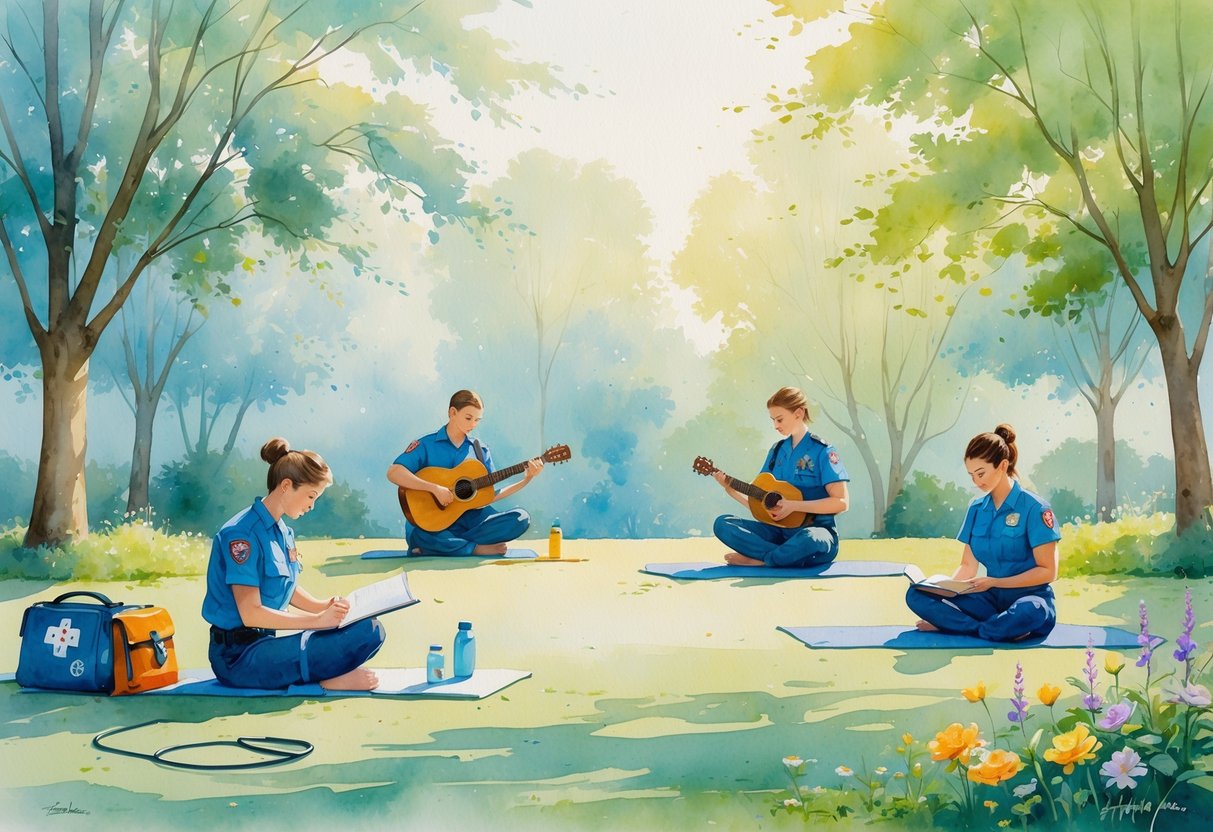
EMTs and paramedics work irregular shifts and face unpredictable emergencies that make consistent scheduling difficult. The key is treating hobbies as necessary parts of your routine rather than optional activities you fit in only when convenient.
Finding Time for Leisure Activities
Start by looking at your actual schedule for patterns. Most EMTs work 12 or 24-hour shifts with days off in between.
Use your off days strategically instead of letting them disappear into errands and recovery time. Block specific time slots on your calendar for hobbies just like you would for work shifts.
Even 20-30 minutes creates space for activities like reading, sketching, or playing an instrument. Take advantage of downtime at the station between calls.
Keep hobby supplies in your locker or vehicle so you can engage quickly when you have free moments. This works well for:
- Portable crafts like knitting or drawing
- Digital hobbies on your phone or tablet
- Reading books or articles
- Language learning apps
- Puzzle games
Consider which hobbies match your energy levels after different types of shifts. Save active hobbies like hiking for days when you feel rested.
Choose calmer activities like meditation or journaling when you need recovery time.
Creating a Balanced Lifestyle
Balance means protecting your personal time with the same commitment you give to your work schedule. Set boundaries around your days off and communicate them clearly to your household and yourself.
Combine hobbies with other necessary activities. Listen to audiobooks during your commute.
Practice photography while running errands. Garden while spending time outdoors for exercise.
Choose 2-3 main hobbies instead of spreading yourself too thin. Focus on activities that genuinely help you recharge rather than adding more stress to your life.
Track how you spend your free hours for one week. Most people find unexpected pockets of time they didn’t realize existed.
You might discover 30 minutes before bed or an hour on weekend mornings that currently goes to scrolling social media. Rotate your hobbies based on your work schedule.
Dedicate certain months to specific activities or alternate between hobbies weekly. This prevents burnout and keeps each activity feeling fresh when you return to it.
Frequently Asked Questions
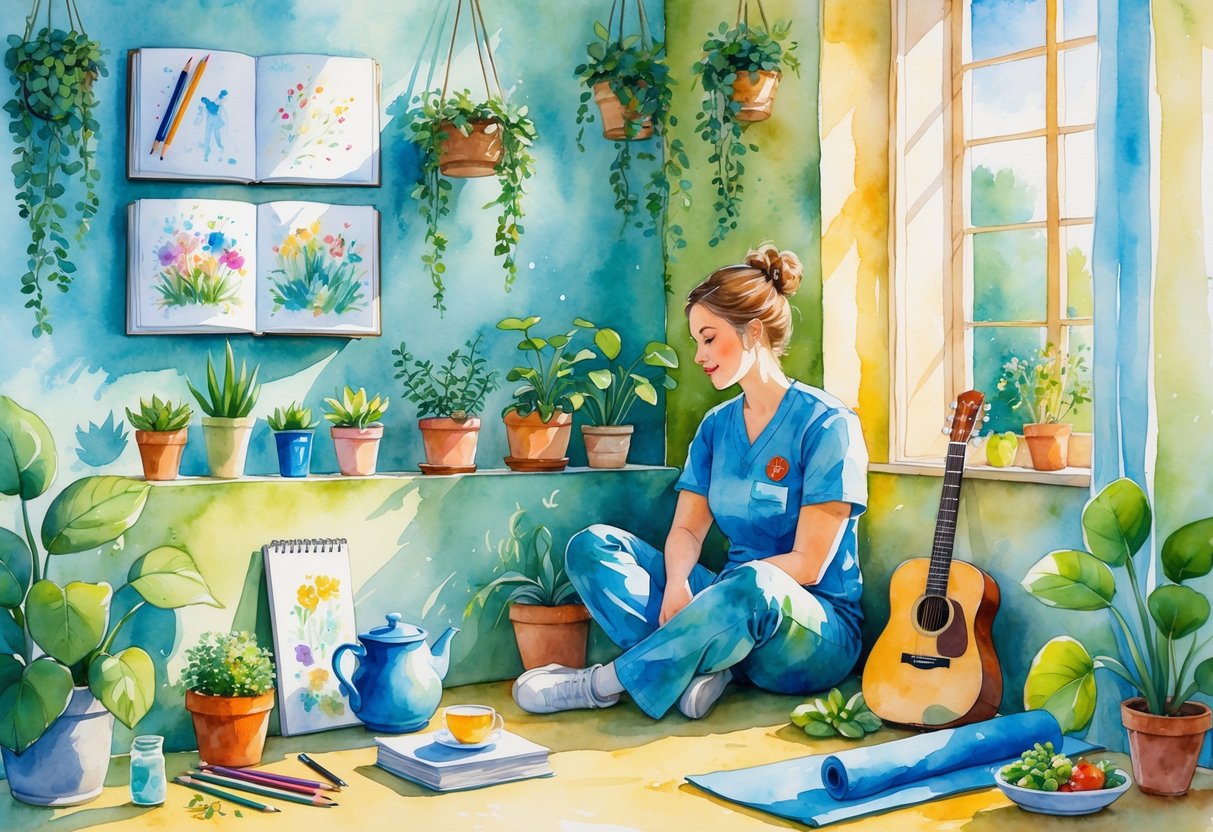
EMTs and paramedics often seek hobbies that balance stress relief with skill development. Physical activities, creative outlets, and community engagement offer different benefits for first responders during their time off.
What hobbies can help EMTs manage stress effectively?
Gardening provides a calming way to reduce stress through hands-on work with plants and soil. The repetitive motions and time spent outdoors help lower anxiety levels naturally.
Writing emergency response journals lets you process difficult calls and emotions in a healthy way. This practice helps you separate work experiences from personal life while maintaining mental clarity.
Are there specific activities that paramedics find particularly beneficial for relaxation?
Physical activities like rock climbing combine exercise with mental focus to help you unwind. These hobbies give your mind a break from work-related thoughts while building strength.
Outdoor activities such as hiking, kayaking, and canoeing are popular among first responders. They provide time in nature away from emergency situations and medical environments.
Which hobbies can enhance an EMT’s job performance or skills?
Learning Spanish improves your communication with Spanish-speaking patients during emergencies. This language skill directly helps you provide better care in diverse communities.
Volunteering at local clinics keeps your medical skills sharp during downtime. You gain extra practice with patient care while serving your community outside of emergency calls.
What community-based hobbies are recommended for EMTs and paramedics?
Volunteering with search and rescue teams uses your emergency medical training in outdoor settings. This work connects you with other first responders while helping people in need.
Community clinic volunteering gives you chances to work with different patient populations. You build relationships with healthcare workers and serve people who need medical assistance.
How can EMTs incorporate physical fitness into their hobbies?
Rock climbing builds upper body strength and grip power needed for lifting patients and equipment. The activity challenges both your physical abilities and problem-solving skills.
Activities like hiking and canoeing provide cardio exercise while letting you enjoy nature. These hobbies help maintain the physical fitness required for demanding shift work.
What creative pursuits are suitable for paramedics to engage in during off-hours?
Writing emergency response journals offers a creative outlet for documenting your experiences. This practice helps you reflect on calls and track your growth as a medical professional.
Gardening combines creativity with physical work as you plan layouts and care for plants. You create something beautiful while spending time away from medical settings.