10 Best Hobbies for Event Planners to Decompress: Stress-Relief Activities That Work
Event planning is a rewarding career, but it comes with high stress and long hours. The constant pressure to create perfect experiences for others can leave you feeling drained.
Finding ways to step back and recharge is essential for your mental health and long-term success in the field.
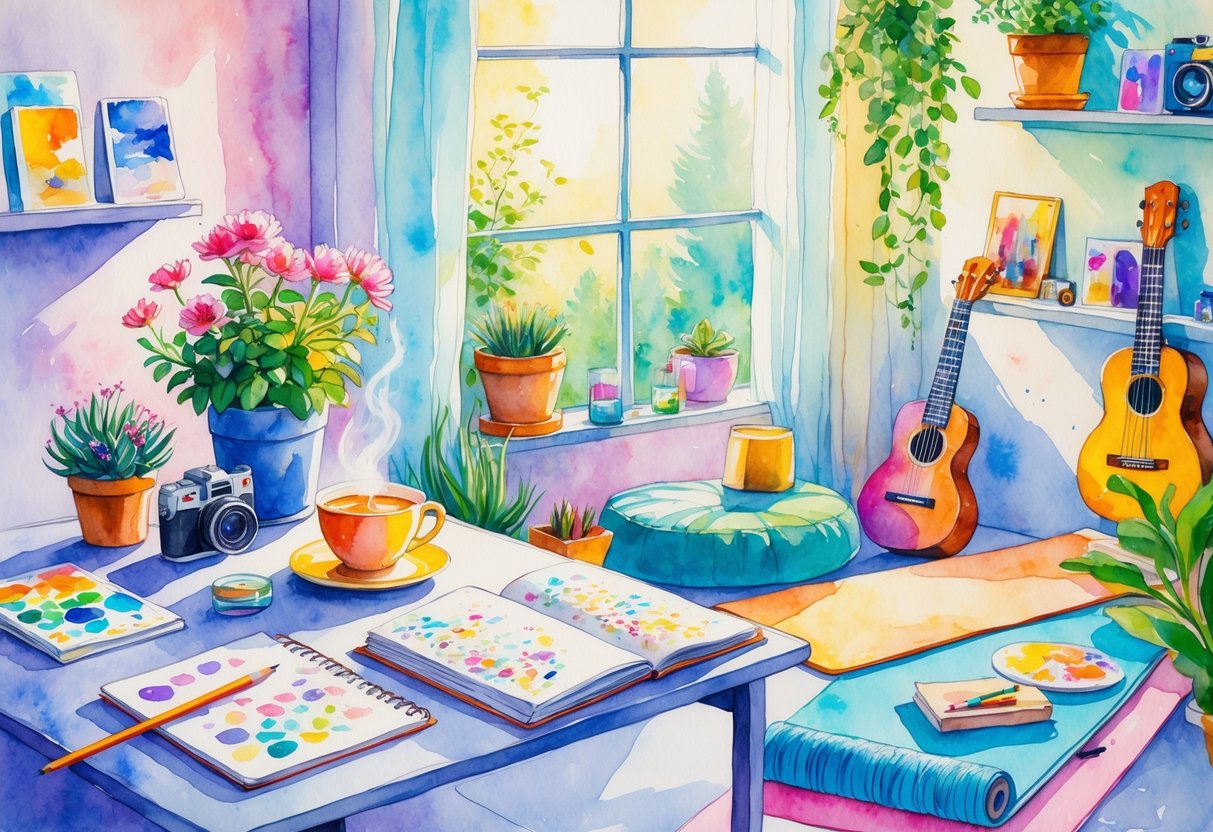
Hobbies offer event planners a practical way to decompress and restore their energy between projects. The right activities can help you shift your focus away from work demands and give your mind the break it needs.
From creative pursuits to physical activities, different hobbies provide different benefits for managing the unique pressures of event planning.
This guide explores ten effective hobbies that can help you relax and recharge. You’ll also learn how these activities support stress management and discover practical ways to fit them into your busy schedule.
10) Cooking New Recipes

Cooking new recipes offers event planners a hands-on way to unwind after managing complex logistics and tight schedules. You work with your hands, engage your senses, and create something tangible in your own kitchen.
The process of following a recipe provides structure without the pressure of client expectations. You can experiment with different cuisines and techniques at your own pace.
Cooking builds skills that complement your event planning work. You gain a better understanding of menu planning, timing, and food presentation.
The creative aspects of cooking mirror event planning but without the stress. You choose ingredients, adjust flavors, and present dishes however you want.
Cooking also gives you a mental break from screens and emails. You focus on chopping vegetables, measuring ingredients, and monitoring cooking times.
You can make cooking as simple or challenging as you prefer. Start with basic recipes when you need easy wins, or tackle complex dishes when you want a greater challenge.
Sharing your creations with family or friends adds a social element without the formality of planned events.
9) Photography Excursions

Event planning requires constant attention to detail and managing multiple moving parts at once. Photography excursions offer you a chance to shift your focus from coordination to creativity.
When you take photos, you control the frame and pace entirely. There’s no client timeline or vendor schedule to follow.
Photography tours and workshops take you to beautiful locations designed to inspire your artistic side. You can join guided excursions led by professional photographers who teach you new techniques while you explore.
The technical aspects of photography provide a welcome change from your usual work. Learning about lighting, composition, and camera settings engages a different part of your brain.
Photography excursions also give you uninterrupted time away from your phone and email. When you’re behind the camera, you’re present in the moment.
You don’t need expensive equipment to start. Many excursions welcome beginners and provide guidance regardless of your camera type.
Whether you explore local nature trails or join an international photography tour, the activity offers you a meaningful escape from the demands of event planning.
8) Listening to Classical Music

Classical music offers event planners a simple way to unwind after managing busy schedules and high-pressure situations. You can enjoy this hobby anywhere, whether during your commute home or while relaxing in your living room.
The music engages both sides of your brain, which helps improve focus and reduce stress. You don’t need special equipment or training to start.
A smartphone with a music app gives you access to thousands of classical pieces. Classical music works well for busy professionals because it requires minimal time commitment.
You can listen for just 10 to 15 minutes and still feel the calming effects. Many event planners find that instrumental pieces help clear their minds after coordinating complex logistics and managing client expectations.
The genre includes many styles to match your mood. Soft piano sonatas can help you relax before bed.
Upbeat orchestral pieces might energize you during morning routines. You can explore different composers and time periods to find what resonates with you.
This hobby complements your work as an event planner. Since classical music enhances memory and creates ambiance at events, listening to it helps you better understand how music affects attendees.
You can start by exploring well-known composers or trying curated playlists designed for relaxation. The hobby grows with you as your musical preferences develop over time.
7) Gardening
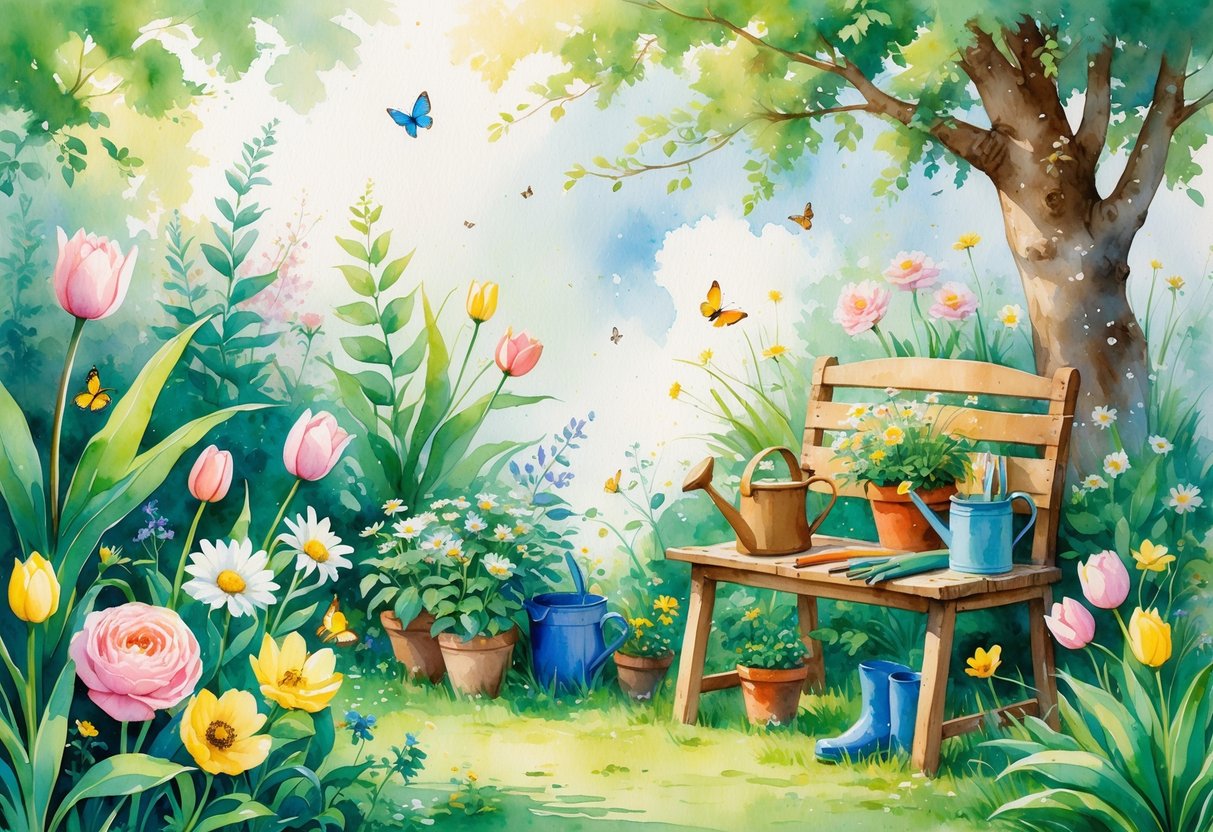
Gardening offers event planners a hands-on way to step away from screens and tight deadlines. When you work with soil and plants, you engage with something that moves at its own pace.
You don’t need a large yard to start gardening. Container gardens on patios or small herb boxes in your kitchen work just fine.
The act of planting, watering, and watching things grow creates a routine that contrasts with your often unpredictable work schedule. Gardening provides clear, tangible results.
You plant seeds, tend to them, and see visible progress over time. This differs from event planning where results sometimes feel temporary once an event ends.
The physical activity involved helps release tension that builds up during stressful planning periods. Digging, weeding, and pruning give your body something to do while your mind rests from logistics and problem-solving.
You can also grow herbs or vegetables that you use in your own cooking. This adds practical value to the time you spend gardening.
The process connects you with seasonal changes and natural cycles, which can feel grounding when your work revolves around artificial timelines and venue schedules.
Many event planners find that gardening teaches patience and acceptance. Not everything grows as planned, and weather affects outcomes beyond your control.
6) Breathing Exercises
Breathing exercises offer event planners a quick and effective way to manage stress without special equipment or a dedicated space. You can practice these techniques at your desk, before a big meeting, or even during an event when tension rises.
Diaphragmatic breathing and box breathing are two simple methods you can learn in minutes. These exercises work by helping you control your breath, which signals your nervous system to calm down.
When you breathe deliberately, your body reduces stress hormones and helps you regain mental clarity. The beauty of breathing exercises is their accessibility.
You don’t need to leave your office or find a quiet room. A few minutes of focused breathing can lower your heart rate and clear your mind enough to tackle your next challenge.
Try starting with just five minutes a day. Sit comfortably and breathe in slowly through your nose for four counts, hold for four counts, then exhale for four counts.
This basic pattern activates your body’s natural relaxation response. Breathing exercises are particularly useful during high-pressure moments.
When deadlines loom or unexpected problems arise, taking a brief breathing break helps you respond with better judgment instead of reacting from stress.
Many event professionals find that regular breathing practice improves their overall ability to handle pressure. You’ll likely notice better focus, reduced tension throughout your day, and improved sleep quality.
5) Yoga for Flexibility and Calm
Yoga offers event planners a practical way to manage stress while improving physical health. You can practice it almost anywhere, making it easy to fit into your busy schedule between events.
The physical benefits are straightforward. Regular yoga practice helps increase flexibility in your muscles and joints.
This matters when you spend long days on your feet setting up venues or hunched over a laptop coordinating details. Yoga also provides mental relief.
When you focus on poses and breathing, your attention shifts away from work stress to the present moment. This break from constant planning helps quiet an overactive mind.
You don’t need special equipment or a gym membership to start. A simple mat and 15-20 minutes is enough.
Basic poses can be learned through online videos or apps designed for beginners. The breathing techniques you learn in yoga are particularly useful before big events.
When nerves kick in during setup or just before guests arrive, these breathing exercises can help you stay calm and focused. Yoga works for all fitness levels.
You can start with gentle stretches and basic poses, then advance at your own pace. There’s no pressure to be perfect or compete with others.
Many event planners find that a short yoga session in the morning or evening creates a clear boundary between work and personal time. This separation helps prevent burnout and keeps you refreshed for the next event.
4) Adult Coloring Books
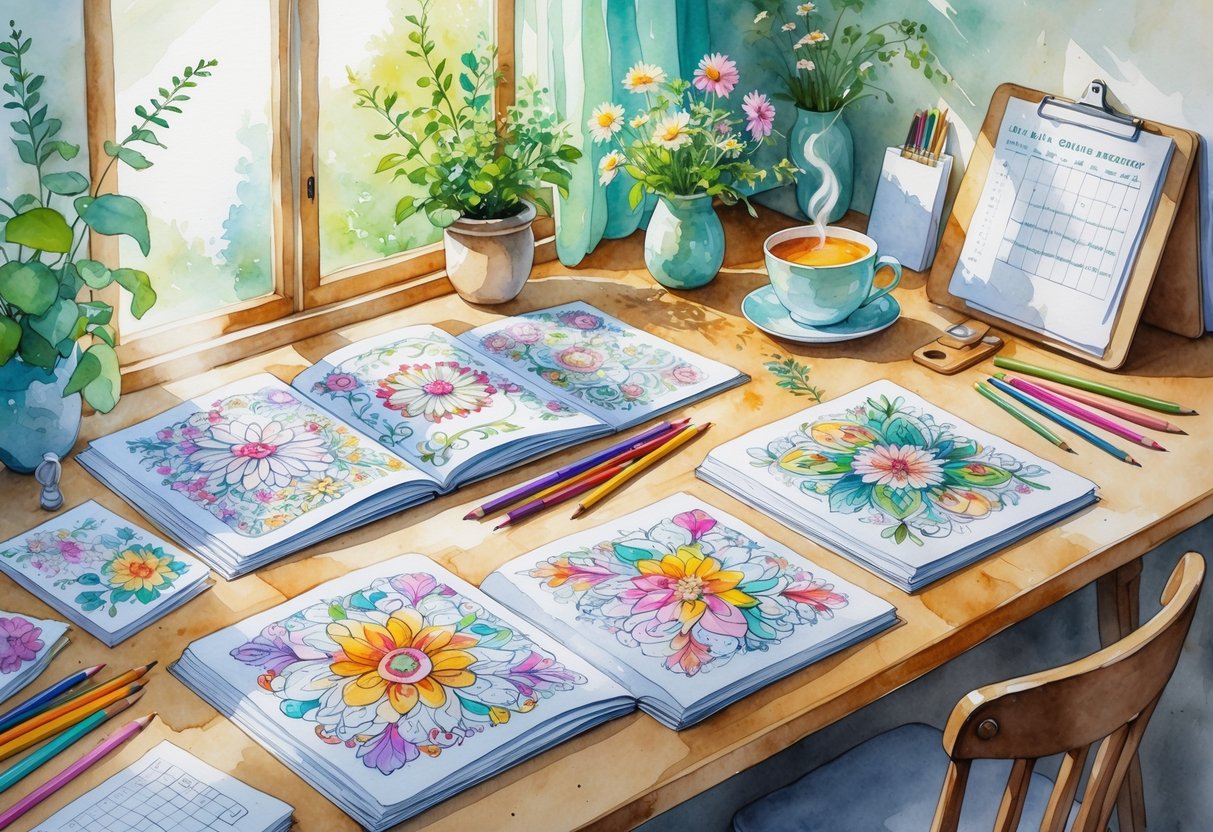
Adult coloring books offer event planners a simple way to step away from tight deadlines and demanding clients. You don’t need any special skills or expensive supplies to get started.
A coloring book and some basic colored pencils are enough to begin. Coloring helps your brain shift focus from work stress to creative expression.
The repetitive motion of filling in patterns and designs can calm your mind after a long day of coordinating vendors and managing event details. You can find coloring books in many different themes and styles.
Some feature intricate geometric patterns while others show nature scenes, animals, or architectural designs. Pick whatever appeals to your interests and matches your skill level.
The activity gives you complete control over your creative choices without any pressure. There are no mistakes in coloring, which makes it different from the precise planning your job requires.
You can work on a single page for ten minutes or spend hours completing detailed designs. Many event planners keep a coloring book at their desk for short breaks between tasks.
You can also color while watching TV or listening to music in the evening. The portable nature of coloring books means you can bring them anywhere.
This hobby requires minimal setup and cleanup time. You simply open your book and start coloring whenever you need a mental break from spreadsheets and seating charts.
3) Nature Walks or Hiking

Event planning keeps you indoors for long hours, staring at screens and managing endless details. Nature walks and hiking offer a simple way to step away from that environment and reset your mind.
You don’t need special skills to start. Put on comfortable shoes, grab some water, and find a nearby trail or park.
Even a 30-minute walk through natural surroundings can lower your stress levels and help you think more clearly. Hiking works well for event planners because you can adjust it to fit your schedule and energy levels.
Some days you might want a gentle stroll through a local nature area. Other days you might choose a longer trail that challenges you physically.
The activity naturally pulls your attention away from work. You focus on the path ahead, the sounds around you, and your breathing.
Regular walks in nature also improve your physical health. You build stamina, strengthen your legs, and boost your cardiovascular system.
You can walk alone for quiet reflection or invite friends for social connection. Both options provide value depending on what you need that day.
Many areas near cities offer accessible trails that don’t require long travel times, making this hobby practical for busy schedules.
2) Journaling for Reflection

Event planning fills your days with constant decisions and problem-solving. Journaling gives you a simple way to process everything that happens during your busy workdays.
You can spend just 10-15 minutes writing down your thoughts and experiences. This practice helps you sort through the chaos of managing multiple events at once.
Writing things down creates distance between you and stressful situations. Journaling works as a bridge between your racing thoughts and your actual goals.
When you put your feelings on paper, you can see patterns in what stresses you out or what makes you proud of your work. You don’t need any special tools to start.
A basic notebook and pen are enough to begin your reflection practice. Pick a quiet time each day or week when you can write without interruptions.
Track what went well at recent events and what you would change next time. Write about challenging client interactions or successful vendor relationships.
This record becomes useful when planning future events. Looking back at old entries shows how you’ve handled similar problems before.
Journaling gives you a private space to be honest about your work experiences. You don’t have to share these thoughts with anyone.
This freedom lets you process difficult emotions without judgment.
1) Guided Meditation Sessions

Guided meditation offers event planners a structured way to decompress after managing stressful projects. You follow along with an instructor who leads you through breathing exercises and relaxation techniques.
This removes the guesswork from meditation, making it easier to quiet your mind. Sessions typically last between 10 and 20 minutes, which fits well into your busy schedule.
You can practice at home using meditation apps, online videos, or audio recordings. Many community centers and yoga studios also offer group sessions if you prefer meditating with others.
The practice helps shift your focus from work concerns to the present moment. When you concentrate on your breath and follow the guide’s instructions, your mind takes a break from planning logistics and solving problems.
You don’t need special equipment to start. A quiet space and comfortable seating are enough.
Some people use cushions or mats, but your couch or a chair works just fine. Regular meditation practice can reduce stress levels and improve your ability to handle pressure.
The skills you develop during meditation sessions make it easier to manage anxiety before important meetings or large gatherings. Starting with guided sessions is particularly helpful if you’re new to meditation.
The instructor provides clear directions that keep you on track and prevent your mind from wandering back to work tasks.
How Hobbies Help Event Planners Manage Stress

Event planning puts constant pressure on your mind and body through tight deadlines, last-minute changes, and client demands. Hobbies create a mental buffer that helps you process work stress and return to your job with fresh energy.
Benefits of Regular Downtime
Taking breaks through hobbies lowers your cortisol levels, which is the hormone your body produces when you feel stressed. When you step away from event coordination tasks, your brain gets time to recover from decision fatigue.
Regular downtime through hobbies helps you avoid burnout. You need mental space away from vendor emails, budget spreadsheets, and timeline management.
This separation makes you better at problem-solving when you return to work. Hobbies also improve your sleep quality.
When you engage in activities you enjoy, your mind stops replaying work scenarios before bed. Better sleep means you handle difficult clients and unexpected problems more effectively.
Key stress-relief benefits include:
- Lower anxiety levels throughout your workday
- Improved focus during complex planning tasks
- Better emotional control during high-pressure events
- Reduced physical symptoms like headaches and muscle tension
Boosting Creativity Through Leisure
Your best event ideas often come when you’re not actively planning. Hobbies activate different parts of your brain, which creates new connections and fresh perspectives for your work.
Creative hobbies like painting, cooking, or gardening train your brain to think differently. These skills transfer directly to event design, theme development, and unique problem-solving approaches.
Physical hobbies clear mental blocks that stop creative thinking. A simple walk or bike ride can help you solve a venue layout challenge you’ve been stuck on for days.
When you learn new skills through hobbies, you build confidence that carries into your professional life. This confidence helps you pitch bold ideas to clients and try innovative event formats without fear of failure.
Tips for Integrating New Hobbies Into a Busy Schedule
Event planning demands long hours and constant attention, but you can still make room for hobbies by setting achievable targets and connecting with others who understand your unique schedule challenges.
Setting Realistic Goals
Start with just 15-20 minutes per day for your new hobby. This small time block fits easily into your morning routine or lunch break without disrupting client meetings or event preparations.
Choose hobbies that require minimal setup time. Activities like sketching, journaling, or meditation apps work well because you can start immediately without gathering supplies or traveling to specific locations.
Track your hobby time using these methods:
- Block specific time slots in your event planning calendar
- Set phone reminders for hobby breaks between vendor calls
- Link hobby time to existing habits (coffee breaks, post-work wind-down)
Avoid expecting perfect consistency. Missing a day or two happens when you’re managing multiple events, and that’s acceptable.
Focus on progress over perfection. Your hobby serves as stress relief, not another item on your task list that creates pressure.
Finding Support Within the Event Planning Community
Join online groups where event planners share their hobbies and time management strategies. These communities offer accountability and understand your irregular schedule better than general hobby groups.
Partner with a colleague who wants to start the same hobby. You can practice together during conference downtime or compare progress through quick photo updates between events.
Look for local event planning associations that organize non-work activities. Many professional groups now include wellness meetups, craft sessions, or fitness classes designed around industry schedules.
Share your hobby journey on professional social media platforms. Other planners often respond with their own tips for balancing creative outlets with demanding client work, and some may become hobby partners for virtual sessions.
Frequently Asked Questions
Event planners face unique stress from managing timelines, budgets, and client expectations. The right hobbies can reduce that stress while also building skills that transfer to professional work.
What hobbies can help event planners reduce stress?
Breathing exercises offer immediate stress relief that you can practice anywhere, even during a hectic event day. Just five minutes of focused breathing can lower your heart rate and clear your mind.
This makes it perfect for quick breaks between meetings or vendor calls. Gardening provides a slow-paced activity that takes your mind off work demands.
When you tend to plants, you focus on simple tasks like watering and weeding instead of complex event logistics. The physical activity also releases tension from sitting at a desk all day.
Listening to classical music creates a calm atmosphere that counters the noise of event planning. You can play it while doing other tasks or sit and focus only on the music.
Studies show that classical music can lower stress hormones in your body.
Which are the most relaxing hobbies suitable for busy professionals like event planners?
Photography excursions get you outside and away from screens and phones. You focus on capturing interesting images instead of thinking about work tasks.
This hobby works well because you can take short photo walks during lunch. You can also plan longer trips on weekends.
Cooking new recipes gives you a creative outlet with a clear end goal. You finish a meal in an hour or two.
The hands-on nature of cooking keeps your mind engaged without the pressure of client deadlines.
Gardening fits busy schedules because plants need care on a regular basis but not constant attention. You can spend 15 minutes watering plants or an hour on weekend garden projects.
The flexibility makes it work even during your busiest event seasons.
What are the attributes of a successful event planner?
Strong organizational skills help you track multiple events at different stages of planning. You need to manage vendor contracts, guest lists, timelines, and budgets all at once.
Good communication skills let you explain your vision to vendors and clients clearly. You must write detailed emails, make phone calls, and lead in-person meetings every day.
Being able to adjust your communication style for different people makes you more effective.
Problem-solving abilities are critical when things go wrong at events. A vendor might cancel last minute or equipment might fail during setup.
The best planners stay calm and find solutions quickly without letting clients see the stress.
What are some essential soft skills for effective event management?
Adaptability allows you to adjust plans when circumstances change unexpectedly. Weather might force an outdoor event inside or a keynote speaker might get sick.
You need to think on your feet and create backup plans that still meet client goals.
Attention to detail ensures that nothing gets overlooked in complex event plans. Small mistakes like wrong table counts or misspelled names on materials reflect poorly on your work.
Successful planners double-check everything from contracts to day-of timelines.
Emotional intelligence helps you read client moods and team dynamics during stressful planning periods. You can tell when a client needs reassurance or when your team needs extra support.
This awareness improves working relationships and reduces conflicts.
How challenging is the career of an event planner?
Event planning involves long and irregular hours, especially on event days. You might work early mornings, late nights, and weekends depending on when events take place.
The schedule makes it hard to maintain consistent personal routines and relationships.
High stress levels come from managing client expectations and coordinating many moving parts. One vendor mistake can affect the entire event, and you take responsibility for problems even when they’re outside your control.
The pressure increases as event dates get closer.
Financial uncertainty affects planners who work freelance or own their own businesses. Your income depends on booking enough events, which can vary by season and economic conditions.
Even employed planners may face budget cuts or company changes that affect job security.
What are some hobbies that can also enhance an event planner’s professional skills?
Photography improves your eye for visual composition and lighting. These skills transfer directly to setting up event spaces and creating attractive layouts.
You’ll notice details about color coordination and spacing that make events more visually appealing.
Cooking new recipes builds your project management abilities through following complex instructions. You learn to time multiple tasks so everything comes together at once.
Recipe experimentation also boosts your creative problem-solving skills.
Gardening teaches patience and long-term planning as you watch plants grow over weeks and months. You learn to anticipate needs and adjust care based on conditions.
The planning required for seasonal gardens mirrors the timeline management you do for events.