10 Best Hobbies for Extroverts Who Love Social Activities: Energizing Pursuits to Connect and Thrive
Extroverts get their energy from being around other people. If you’re an extrovert, you probably feel most alive when you’re connecting with others and engaging in group activities.
Finding the right hobbies can help you build friendships, stay energized, and enjoy your free time more.

The best hobbies for extroverts combine social interaction with activities that match your interests, from outdoor adventures to creative performances to team competitions. This article explores ten different hobby options that give you plenty of chances to meet new people and spend quality time with friends.
You’ll also learn about the benefits these activities offer and get practical tips for picking the right ones for your lifestyle.
10) Outdoor Hiking with Social Meetups
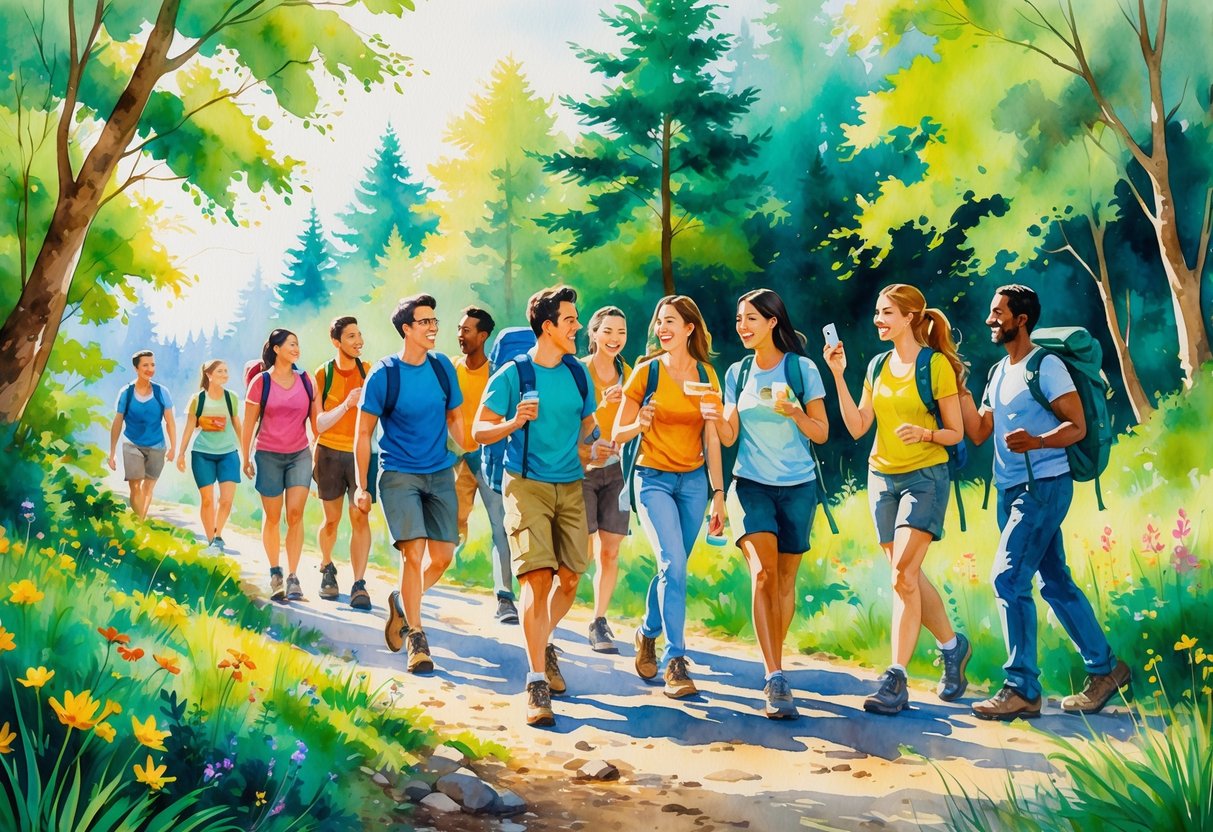
Hiking combines physical activity with the chance to meet new people. When you join hiking groups or meetup clubs, you turn a solo trail walk into a social adventure.
Many cities have organized hiking groups that plan regular weekend trips. You can find these through apps like Meetup or local outdoor recreation clubs.
These groups often schedule hikes for different skill levels, so you can pick trails that match your abilities. The beauty of social hiking is that conversations flow naturally as you walk.
You don’t face the pressure of one-on-one interactions. Instead, you chat with different people throughout the hike, making it easier to form connections.
Group hikes also give you built-in safety and motivation. You push yourself to complete longer trails when others are there to encourage you.
Experienced hikers in the group can share trail tips and point out interesting wildlife or plants along the way. After the hike, many groups grab coffee or lunch together.
This gives you more time to get to know your fellow hikers in a relaxed setting. You can make hiking as social as you want.
Start with shorter local trails to test out different groups. Once you find people you click with, you might plan camping trips or multi-day hikes together.
9) Improv Theater Groups

Improv theater groups offer a perfect space for extroverts to shine while having fun with others. You perform without a script, reacting to your scene partners in real-time.
This creates an exciting, spontaneous experience that keeps you on your toes. Joining an improv group helps you build confidence in social situations.
You learn to think quickly and respond to unexpected prompts. The collaborative nature of improv means you’re constantly working with other people to create something together.
Most improv groups meet regularly for rehearsals and performances. This gives you a consistent social schedule with like-minded people.
You’ll find yourself bonding with your troupe members through shared experiences and inside jokes. Many cities have beginner-friendly improv classes and open jams.
These events welcome newcomers who want to try improv in a low-pressure setting. You don’t need acting experience to get started.
Improv strengthens your communication skills and helps you become more comfortable in group settings. You practice active listening and learn to support others on stage.
The energy you get from performing in front of an audience and working with your team makes it particularly rewarding for extroverts. The social aspect extends beyond rehearsals too.
Many improv communities organize social events and gatherings outside of practice. You’ll build friendships with people who share your love of creativity and collaboration.
8) Volunteering for Community Events

Volunteering at community events gives you regular chances to meet new people while making a real difference. You can work with others at local festivals, charity fundraisers, or neighborhood gatherings.
These activities put you in the middle of the action where you can interact with many different types of people. Community volunteering works well for extroverts because it combines social interaction with meaningful work.
You might help organize events, greet attendees, or coordinate with other volunteers. Each role gives you plenty of opportunities to talk and connect with others who care about similar causes.
You can choose from many types of volunteer work based on your interests. Big Brothers & Big Sisters programs let you mentor young people.
The Special Olympics needs coaches and event helpers. Local parks often need groups for cleanup days or community improvement projects.
The social aspect of volunteering keeps your energy high. You work alongside people who share your values and want to give back.
Many volunteers form lasting friendships through their regular involvement. Volunteering also lets you be part of something bigger than yourself.
You see the direct impact of your work on your community.
7) Dance Classes (Salsa, Swing)

Dance classes give you a structured way to meet people while learning a new skill. Salsa and swing dancing are especially good for extroverts because they require partner work and constant interaction.
These classes create natural opportunities for conversation and connection. You’ll rotate partners during lessons, which means you get to talk with different people each session.
The social aspect is built right into the activity. Salsa brings energy and rhythm to your social calendar.
The music is upbeat and the movements are expressive. You’ll find yourself part of a community that often goes out dancing together after classes end.
Swing dancing has a friendly, welcoming atmosphere. Most studios offer beginner classes where everyone starts at the same level.
You don’t need any prior dance experience to join. Both styles involve physical activity that keeps you engaged and energized.
You’ll improve your coordination and fitness while building friendships. The learning process gives you something to talk about and work on together with your classmates.
Studios typically offer group classes at various skill levels. You can start with basics and progress as you improve.
Many dancers form lasting friendships through these regular meetups. The practice time outside of class gives you another reason to socialize.
You can organize practice sessions with classmates or attend social dances at local venues. Your new hobby naturally extends beyond the classroom into a broader social network.
6) Public Speaking Clubs (e.g., Toastmasters)

Public speaking clubs give you a structured way to practice communication skills while meeting people who share similar goals. These groups create a supportive space where you can develop confidence in front of audiences.
Toastmasters International is the most well-known organization in this category. It operates clubs worldwide that meet regularly for members to practice speeches, receive feedback, and work on leadership skills.
You can search for clubs that fit your schedule and location, then visit to see if the group works for you. These clubs typically host weekly or bi-weekly meetings where members give prepared speeches, participate in impromptu speaking exercises, and evaluate each other’s presentations.
The feedback you receive helps you identify areas to improve. You’ll also learn to structure your thoughts clearly and manage nervousness.
Public speaking clubs attract people from various backgrounds and professions. This diversity means you’ll network with individuals you might not meet otherwise.
Many members join to advance their careers, while others simply want to become better communicators. The skills you gain extend beyond formal presentations.
You’ll improve your ability to express ideas in everyday conversations, meetings, and social settings. Most clubs offer their programs at low cost, making them accessible for different budgets.
If you enjoy being around people and want to develop a valuable skill, public speaking clubs provide both social interaction and personal growth.
5) Hosting Game Nights

Game nights let you bring people together in your own space while creating a fun social atmosphere. You get to choose the games, set the vibe, and watch your friends enjoy themselves.
This hobby works well because you control the guest list and activities. You can host different types of game nights based on what your group enjoys.
Board games work great for smaller gatherings of four to eight people. Card games are easy to set up and learn quickly.
Video games appeal to friends who prefer digital competition. The best part about hosting is that you create regular social events.
You can make game night a weekly or monthly tradition. Your friends will look forward to these gatherings, and you build a stronger community.
Getting started is simple. Pick a regular day and time that works for most people.
Stock up on snacks and drinks to keep everyone comfortable. Start with a few popular games that most people know or can learn fast.
You don’t need expensive equipment to host successful game nights. Many classic games cost less than $30.
You can also ask friends to bring their favorite games to share. Hosting game nights gives you a chance to strengthen friendships through friendly competition.
You create memories while laughing and playing together. This hobby combines your love of socializing with the joy of entertaining at home.
4) Team Sports like Basketball or Soccer

Team sports are perfect for extroverts who get energy from being around others. Basketball, soccer, volleyball, and similar activities let you interact with teammates while staying physically active.
Most communities offer adult sports leagues throughout the year. These leagues are usually affordable and welcome players of all skill levels.
You don’t need to be a professional athlete to join. Playing team sports helps you meet new people who share your interests.
You’ll build friendships naturally through regular practices and games. The social aspect makes exercise feel less like work and more like fun.
Team sports also improve your physical fitness. Running up and down a basketball court or soccer field provides good cardio exercise.
You’ll build strength, coordination, and endurance without the monotony of a typical gym workout. The competitive element adds excitement to these activities.
Working together toward a common goal creates strong bonds between teammates. You’ll experience both wins and losses as a group, which builds camaraderie.
Many workplaces and community centers organize casual pickup games. These informal gatherings are easy ways to get started.
You can also find organized leagues online through local recreation departments or sports clubs. If traditional sports don’t appeal to you, consider alternatives like dodgeball or kickball.
These options offer the same social benefits with a more relaxed atmosphere. The key is finding a team activity that matches your interests and fitness level.
3) Joining Book Clubs

Book clubs offer a perfect balance of reading and social interaction for extroverts. You get to enjoy a good book on your own, then gather with others to discuss it in depth.
The discussions are where book clubs really shine for social people. You can share your thoughts, hear different perspectives, and debate ideas with fellow readers.
These conversations often become lively and engaging, giving you the social energy you crave. Book clubs help you meet people who share your interest in reading.
The group setting creates a natural way to form friendships without the pressure of formal networking events. You don’t need to be a literature expert to join.
Most book clubs welcome readers of all levels and focus on enjoyment rather than academic analysis. The relaxed atmosphere makes it easy to participate and connect with others.
Many communities have existing book clubs you can join through libraries, bookstores, or online platforms. If you can’t find one that fits your interests, you can start your own and choose the books yourself.
The regular meeting schedule gives you something to look forward to each month. You’ll have consistent social time with your group while discovering new books you might not have picked up otherwise.
2) Group Travel Adventures
Group travel lets you explore new destinations while staying energized by the company of others. You get to share exciting moments as they happen, from discovering local food markets to hiking scenic trails together.
Planning trips with friends or joining organized travel groups gives you built-in companions for every adventure. You won’t miss out on social interaction while satisfying your desire to see new places.
Group tours and travel meetups make it easy to connect with people who share your interest in exploration. Traveling with others means you can split experiences and reactions in real time.
Whether you’re navigating a foreign city or trying an activity for the first time, having companions makes each moment more meaningful. You’ll create shared memories that strengthen friendships and give you stories to revisit long after the trip ends.
You can choose from various options like organized tours, friend trips, or travel groups that cater to specific interests. Some people join adventure travel companies, while others prefer planning custom trips with their existing social circles.
You’ll have people to talk with during long flights, share meals with, and bounce ideas off when deciding what to do next. This hobby satisfies your need for human connection while feeding your curiosity about the world.
1) Frisbee Golf with Friends

Frisbee golf combines the best parts of traditional golf with the casual fun of throwing a disc. You walk through outdoor courses and aim to land your frisbee in elevated metal baskets in as few throws as possible.
The game takes you through parks and natural settings while keeping you active. This hobby works perfectly for extroverts because it naturally brings people together.
You can easily form groups of four to six players and spend a few hours enjoying each other’s company. The relaxed pace allows for plenty of conversation between throws.
Most disc golf courses are free to use and open to the public. You only need to buy a few discs to get started, which typically cost between $10 and $20 each.
Many cities have multiple courses within driving distance. The game suits all skill levels, so you don’t need experience to join.
Beginners can play alongside experienced players without slowing down the group. This makes it easy to invite new friends or meet other players at the course.
You can play casually with friends or join local leagues for regular meetups. Many courses host weekend tournaments and social events.
These gatherings give you chances to expand your social circle and meet others who enjoy the sport. The outdoor setting adds to the appeal.
You get fresh air and exercise while spending quality time with your group. The activity keeps you engaged without requiring intense focus or athletic ability.
Benefits of Social Hobbies for Extroverts

Social hobbies give extroverts the chance to build stronger communication abilities while forming real connections with others who share their interests.
Improving Communication Skills
When you join group activities, you practice talking with different types of people in various situations. Team sports require you to give quick instructions and respond to teammates.
Group classes like dance or cooking push you to ask questions and share ideas with instructors and classmates. You learn to read body language and pick up on social cues faster when you interact regularly with others.
Each conversation helps you get better at expressing your thoughts clearly. You also become more comfortable speaking in front of groups, whether you’re leading a book club discussion or organizing a community event.
Social hobbies create natural opportunities to practice active listening. You need to pay attention to what others say during game nights, volunteer projects, or club meetings.
This back-and-forth exchange sharpens your ability to understand different viewpoints and respond thoughtfully.
Building Lasting Friendships
Group hobbies bring together people who already share at least one common interest with you. This shared passion gives you an easy starting point for conversations and connections.
You see the same faces regularly at weekly classes or monthly meetups, which helps relationships grow naturally over time. You build trust through shared experiences, whether you’re working together on a community theater production or training for a group hiking trip.
These activities create memories that strengthen your bonds with others. Many people find their closest friends through hobbies like sports leagues, art classes, or volunteer work.
Regular meetups give your social life structure and consistency. You have built-in plans to look forward to each week.
The friendships you form often extend beyond the hobby itself, leading to dinner invitations, birthday celebrations, and genuine support during tough times.
Tips for Choosing Social Activities
Finding the right social hobbies means looking at how you work best in groups and being willing to try new things. The key is picking activities that match your energy level and give you chances to connect with others.
Matching Personality With Group Dynamics
Not all group settings work the same way for every extrovert. Some people do best in large, high-energy gatherings like sports teams or dance classes.
Others prefer smaller groups where they can have deeper conversations, such as book clubs or volunteer teams. Think about what drains you versus what energizes you.
If you like being the center of attention, consider activities like improv comedy or public speaking clubs. If you prefer supporting roles, look into team sports or group volunteer projects where everyone contributes equally.
Pay attention to the activity’s structure too. Organized groups with regular meeting times help you build steady friendships.
Drop-in activities give you more freedom but might make it harder to form close bonds. Try a few sessions before committing to see if the group’s energy matches yours.
Exploring New Group Experiences
Start with activities that connect to things you already enjoy. If you like food, join a cooking class or dinner club.
If you’re active, try hiking groups or recreational sports leagues. Set a goal to try three new activities in the next few months.
Give each one at least two sessions before deciding if it’s right for you. First meetings can feel awkward, but the second visit usually shows you the group’s true personality.
Look for beginner-friendly options that welcome newcomers. Many community centers, meetup groups, and recreation departments offer trial classes or free first sessions.
Ask questions about group size, skill levels needed, and time commitments before joining.
Frequently Asked Questions

Extroverts often wonder how to channel their social energy into meaningful activities that help them connect with others. These questions address common concerns about finding hobbies that match different interests, fitness levels, and social preferences.
What are some popular social hobbies for extroverts looking to meet new people?
Team sports like volleyball, basketball, and soccer give you regular opportunities to interact with others while staying active. These activities require coordination and communication, which naturally leads to friendships.
You can join recreational leagues in your area that welcome players of all skill levels. Group fitness classes like CrossFit or boot camps create a sense of community through shared challenges.
Dance classes such as salsa and swing dancing combine physical activity with social interaction. You learn new moves while meeting people who share your interest in movement and music.
Public speaking clubs like Toastmasters help you develop communication skills while connecting with other members. These groups meet regularly and provide a supportive environment for practice.
Book clubs offer a more relaxed setting where you can discuss stories and ideas with fellow readers.
Which physical activities are considered beneficial for adult extroverts?
Hiking groups combine outdoor exercise with social meetups. You can find organized hikes through apps or local outdoor clubs.
These activities let you explore nature while chatting with others on the trail. Team sports leagues provide structured competition and regular social contact.
Adult leagues exist for soccer, softball, ultimate frisbee, and many other sports. You get exercise while building relationships with teammates and opponents.
Group fitness classes like Zumba, cycling, or martial arts keep you motivated through shared energy. The instructor leads everyone through the same workout, creating a sense of unity.
Many people form friendships with others who attend the same class times.
How can extroverts find fulfillment with hobbies while staying indoors?
Board game cafes and meetup groups let you enjoy strategic games with others in comfortable indoor settings. Many cities have dedicated spaces where people gather to play games.
You can try new games while meeting people who enjoy the same hobby.
Improv theater groups provide creative expression and social interaction in rehearsal spaces. You work with others to create scenes and develop your performance skills.
These groups often perform for audiences, adding another social element.
Cooking classes and food clubs bring people together around shared meals. You learn new recipes while talking with classmates.
Some groups meet in homes or community kitchens to prepare dishes together.
What are some intellectually stimulating hobbies suitable for extroverts?
Debate clubs and discussion groups challenge you to think critically while engaging with others. You explore different viewpoints and practice forming arguments.
These activities sharpen your mind through social interaction.
Language exchange meetups let you practice speaking a new language with native speakers. You help others learn your language while they help you learn theirs.
These exchanges happen in casual settings like coffee shops or community centers.
Trivia nights at bars or community centers test your knowledge in a social setting. You can join a team or form one with friends.
The competitive element adds excitement while you learn new facts.
What are unique hobbies that allow for social engagement and creativity?
Community theater productions need actors, set designers, costume makers, and crew members. You work closely with a team toward opening night.
Rehearsals and performances create strong bonds among cast and crew.
Volunteering for community events lets you contribute to causes you care about while meeting like-minded people. Food banks, animal shelters, and environmental organizations need regular help.
You make a difference while building connections.
Flash mob groups organize surprise performances in public spaces. You learn choreography with others and create memorable moments.
The planning and execution require teamwork and coordination.
What activities can extroverted girls engage in to expand their social circles?
Group fitness classes designed for women create supportive environments for exercise and friendship. Options include barre, yoga, and dance cardio.
Many studios foster tight-knit communities among regular attendees.
Craft circles and maker spaces bring together people who enjoy hands-on projects. You can learn pottery, jewelry making, or woodworking while socializing.
These spaces often host open workshop times where you can drop in.
Women’s networking groups and professional organizations combine career development with social connection. These groups host events, workshops, and casual meetups.
You build relationships with others in your field or industry.