10 Best Hobbies for Massage Therapists to Nurture Themselves: Self-Care Activities to Prevent Burnout and Enhance Well-Being
Massage therapists spend their days caring for others, using their hands and bodies to help clients feel better. This work can be physically demanding and emotionally draining.
Over time, the constant focus on others can lead to burnout if therapists don’t take care of themselves.
Finding hobbies that support your physical health, mental well-being, and creativity is essential for maintaining balance in your life as a massage therapist. The right activities can help you manage stress, keep your body strong and flexible, and give you a mental break from work.
Hobbies that involve mindfulness, gentle movement, creative expression, and time in nature offer particular benefits for those in hands-on healing professions.
10) Meditation practices to manage stress and enhance focus
Massage therapists spend their days caring for others, which can drain your mental and physical energy. Meditation offers a way to recharge and clear your mind between sessions or at the end of your workday.
You can start with just five to ten minutes of daily practice. Find a quiet space where you can sit comfortably and focus on your breath.
Guided meditation apps can help you learn different techniques if you’re new to the practice. Meditation helps lower your stress levels and builds mental resilience over time.
When you practice regularly, you develop better control over racing thoughts and workplace anxiety. This matters because your ability to stay present directly affects the quality of care you provide to clients.
Breathing exercises are a simple form of meditation you can use anywhere. Try counting your breaths or focusing on how air moves in and out of your lungs.
These techniques calm your nervous system and reduce muscle tension in your own body. Body scan meditations work especially well for massage therapists.
You mentally check in with each part of your body, noticing areas of tightness or discomfort. This awareness helps you take better care of yourself and prevents burnout.
Mindfulness meditation trains you to stay in the present moment. You observe your thoughts without judgment and let them pass.
This skill improves your focus during sessions and helps you maintain better boundaries with clients.
9) Photography to cultivate mindfulness and artistic expression
Photography offers massage therapists a way to practice mindfulness while developing creative skills. When you focus on capturing images, you naturally shift your attention to the present moment.
This helps you step away from the physical and emotional demands of your work. The practice trains you to notice details you might normally overlook.
You start paying attention to light, shadows, colors, and textures in your environment. This focused observation can become a form of meditation that reduces stress and clears your mind.
You don’t need expensive equipment to start. Your smartphone camera works perfectly for mindful photography practice.
The goal is to engage with your surroundings, not to create perfect images. Try taking photos during walks or breaks between clients.
Look for interesting patterns, natural elements, or everyday objects from new angles. This exercise helps you slow down and connect with your environment in a meaningful way.
Photography also gives you a creative outlet that balances the hands-on nature of massage therapy. You can experiment with different subjects and styles without any physical strain on your body.
The artistic process lets you express yourself in a completely different way than your therapeutic work. Regular photography practice can improve your concentration and awareness.
These skills transfer back to your massage practice, helping you stay more present with clients. You create a healthy separation between work and personal time while nurturing your creative side.
8) Cooking new recipes to foster creativity and relaxation

Cooking new recipes offers massage therapists a hands-on way to unwind after long days of physical work. The kitchen becomes a space where you can shift your focus from caring for others to nurturing yourself through food.
Trying unfamiliar recipes engages your mind in a different way than your usual work. You follow new steps, measure ingredients, and combine flavors you might not have used before.
This mental shift helps you step away from work stress while keeping your hands active in a low-pressure environment. The process of cooking involves all your senses.
You see colors change as food cooks, smell herbs and spices, and taste as you adjust seasonings. This sensory engagement makes cooking a naturally mindful activity that keeps you present in the moment.
Experimenting with recipes from different cultures or trying new cooking techniques builds your confidence in the kitchen. Each successful dish reinforces your ability to learn and master new skills outside your professional life.
Cooking also provides clear results you can see and taste within a short time frame. Unlike many hobbies that require weeks to show progress, a meal comes together in under an hour in most cases.
You get immediate satisfaction from creating something with your own hands. The relaxing rhythm of chopping vegetables, stirring sauces, and preparing ingredients can feel meditative.
Your hands stay busy with familiar motions, but the mental demands are lighter than your therapeutic work.
7) Tai Chi for balance, relaxation, and body awareness
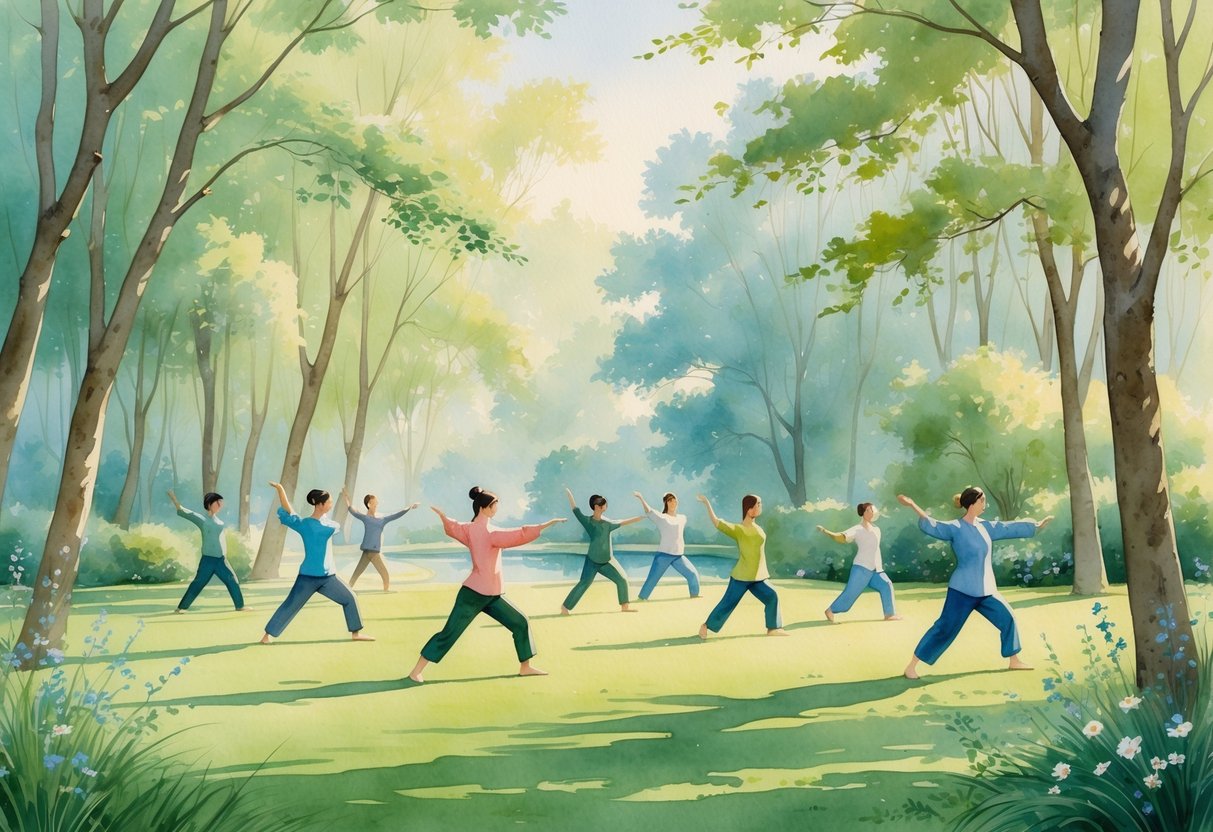
Tai Chi offers massage therapists a way to care for their own bodies after spending hours caring for clients. This gentle practice uses slow, flowing movements combined with deep breathing to strengthen your body and calm your mind.
The movements build core, arm, and leg strength while improving your awareness of how your body moves through space. You’ll develop better control over your movements, which can reduce joint pain from repetitive work.
Your balance improves as you become more aware of changes in your body position. Tai Chi strengthens the same muscles you rely on during massage sessions.
Your legs and core get stronger, which helps you maintain proper posture while working with clients. The practice also enhances your sense of body positioning, making it easier to adjust your stance throughout the day.
The deep breathing and focused movements create mental calm alongside physical benefits. You can practice Tai Chi at home with just a few minutes each day.
No special equipment is needed. For massage therapists who experience physical strain from their work, Tai Chi provides a low-impact way to build strength and flexibility.
The slow pace means you won’t break a sweat, but you’ll still feel the effects in your muscles and joints. Many practitioners find it helps them move more smoothly and feel less tension in their bodies.
6) Hiking to connect with nature and build cardiovascular health

Hiking offers massage therapists a powerful way to recover from the physical demands of their work. When you spend hours leaning over clients, your body needs movement that strengthens rather than strains.
Walking on trails builds cardiovascular endurance while engaging different muscle groups than your daily practice uses. The natural terrain provides varied challenges that improve your balance and coordination.
Uphill sections work your legs and core. Downhill paths require controlled movement that builds stabilizing muscles.
Time spent in nature reduces stress levels and clears mental fatigue. You can leave behind the noise and demands of your treatment room.
Fresh air and natural surroundings help your mind rest between appointments. You don’t need expensive equipment to start hiking.
Basic comfortable shoes and a water bottle get you on most beginner trails. Local parks and nature areas often have well-marked paths suitable for different fitness levels.
Regular hiking strengthens your heart and lungs. This cardiovascular boost increases your stamina for long days of massage work.
Better endurance means you can maintain proper body mechanics through multiple sessions. The activity also improves your posture and body awareness.
Navigating uneven ground teaches you to move efficiently and stay balanced. These skills transfer directly to your massage practice where proper positioning protects your body.
5) Playing piano to stimulate cognitive function and hand dexterity

Playing piano offers massage therapists a unique way to maintain the mental sharpness and hand skills needed for their work. When you practice piano, you engage multiple areas of your brain at once while keeping your hands flexible and coordinated.
Learning piano requires you to read music, memorize patterns, and coordinate both hands independently. These activities strengthen your memory and improve your ability to focus during long massage sessions.
The mental challenge of piano practice builds problem-solving skills that translate to better treatment planning for your clients. Your hands benefit significantly from regular piano practice.
The precise finger movements required to play strengthen the small muscles in your hands and fingers. This helps maintain the hand strength and control you need for therapeutic work.
Piano playing also enhances hand-eye coordination through the constant connection between reading music and pressing the correct keys. This type of coordination keeps your neural pathways active and responsive.
Your brain forms new connections as you learn different pieces and techniques. The combination of mental and physical engagement makes piano an effective hobby for massage therapists.
You work on cognitive abilities while simultaneously maintaining hand dexterity. Both elements are central to providing quality massage therapy.
Starting piano doesn’t require prior musical experience. Even basic practice sessions provide cognitive benefits and keep your hands nimble between massage appointments.
4) Gardening for gentle physical activity and mindfulness

Gardening offers massage therapists a perfect balance of movement and mental calm. You use your body in gentle ways that differ from your work movements, which helps prevent repetitive strain while keeping you active.
When you plant seeds, pull weeds, or water plants, you engage in light physical activity that builds strength without stress. These movements stretch different muscle groups than those you use during massage sessions.
Your hands and arms work in varied motions that provide natural exercise. The mindfulness aspect of gardening makes it especially valuable for your well-being.
You focus on the present moment as you care for living plants. This attention to simple tasks helps clear your mind after long days of caring for clients.
You don’t need a large space to start gardening. A small balcony with pots or even windowsill plants can provide the same benefits.
The key is regular contact with growing things and soil. Gardening connects you to natural cycles and growth patterns.
You watch seeds transform into plants, which creates a sense of accomplishment separate from your professional life. This hobby requires patience and consistent care, which promotes relaxation.
The sensory experience of gardening adds to its therapeutic value. You feel soil textures, smell earth and flowers, and see colors change through seasons.
These sensory inputs ground you in the moment and reduce stress naturally.
3) Painting to engage creativity and relax the mind

Painting offers massage therapists a way to express themselves without using their hands for work. You can explore colors and shapes while sitting comfortably instead of standing all day.
This hobby lets you focus on something different from your usual routine. You don’t need special skills to start painting.
Watercolors, acrylics, and oils each give you different ways to create. Simple supplies from a craft store are enough to begin.
The act of painting helps quiet your mind. When you focus on mixing colors or making brush strokes, your thoughts shift away from daily stress.
This mental break can reduce anxiety and help you feel calmer. Painting uses your creativity in ways that bodywork doesn’t.
You make choices about what to paint and how to paint it. These decisions engage your brain differently than following massage protocols.
Your hands get a different kind of workout with painting. The movements are lighter and more varied than massage techniques.
This gives your muscles and joints time to rest while still staying active. You can paint alone at home or join a class to meet new people.
Either option works well for relaxation. A class gives you structure and social time, while painting at home offers complete freedom.
Starting with easy projects builds your confidence. You might paint simple objects or try abstract designs.
The goal is enjoyment, not perfection.
2) Swimming to reduce joint strain and improve endurance

Massage therapy puts constant strain on your hands, wrists, shoulders, and back. Swimming offers you a way to stay active while giving your joints a break from impact stress.
Water naturally supports your body weight, which reduces pressure on your joints by up to 90 percent. This allows you to move freely without the pain or stiffness that often comes with land-based exercise.
When you swim, the water creates resistance against your movements. This helps build muscle strength and improves your cardiovascular endurance without putting stress on sensitive areas.
Your entire body gets a workout while your joints stay protected. Regular swimming can improve your flexibility and range of motion.
The various swimming strokes require you to move your joints through their full range, which helps maintain mobility in your shoulders, hips, and spine. Studies show that swimming reduces joint pain for people with arthritis and similar conditions.
You don’t need to have a diagnosed condition to benefit from these protective effects. You can easily adjust your swimming routine based on how your body feels.
Start with gentle water walking or easy laps, then gradually increase intensity as your endurance improves. This flexibility makes swimming a sustainable long-term hobby for maintaining your physical health as a massage therapist.
1) Yoga for flexibility and stress relief
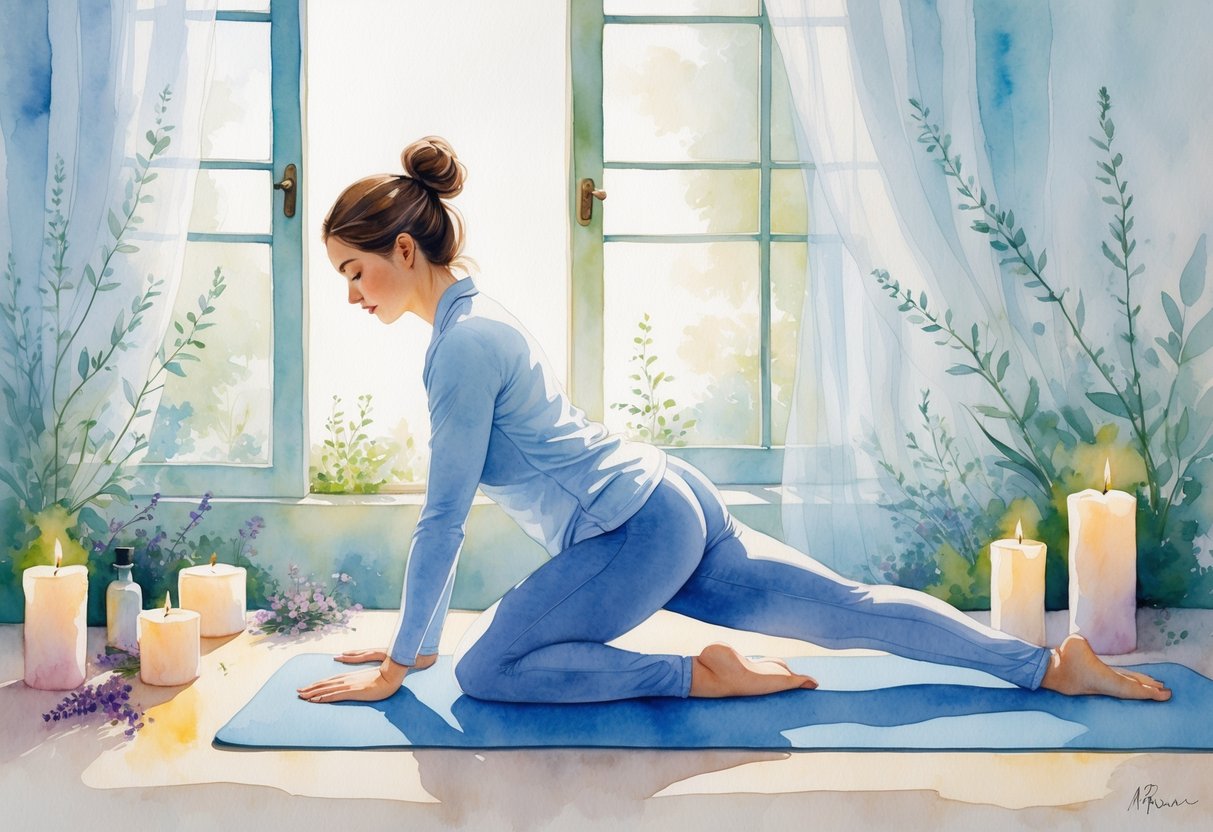
Yoga offers massage therapists a practical way to care for their bodies while managing daily stress. Your work demands physical stamina and mental focus, making yoga an ideal practice to maintain both.
The physical benefits directly address common challenges in your profession. Regular yoga practice improves flexibility and helps release muscle tension that builds up from performing massages.
Your joints move better, and your range of motion increases over time. Yoga also targets stress through mindful breathing and movement.
When you combine breath work with poses, you activate your body’s relaxation response. This helps lower stress hormones and calms your nervous system after long days with clients.
You don’t need extensive training to start. Simple poses like child’s pose, cat-cow stretches, and seated forward bends provide immediate relief.
These basic movements release tension in your back, shoulders, and neck—areas that often become tight from your work. The mental aspects of yoga complement the physical benefits.
Focusing on your breath and body position helps clear your mind. This mindful awareness gives you a mental break from thinking about client schedules and treatment plans.
Starting with just 10 to 15 minutes per day makes a difference. You can practice at home with online videos or join a local class for guided instruction.
Many massage therapists find that morning sessions energize them for the day, while evening practice helps them unwind.
The Importance of Personal Well-Being for Massage Therapists
Massage therapists face unique physical demands from repetitive motions and extended time on their feet, while also managing the emotional energy required to support clients. Taking care of your own health directly affects how long you can sustain your career and the quality of care you provide.
Physical and Mental Health Benefits
Your body endures significant strain during massage sessions. You use your hands, wrists, shoulders, and back repeatedly throughout the day.
Without proper self-care, you risk developing chronic pain, repetitive strain injuries, or muscle tension that can end your career early. Daily stretching helps maintain flexibility and prevents stiffness in your joints and muscles.
Regular exercise strengthens the muscle groups you rely on most during sessions. Getting enough sleep allows your body to recover from the physical demands of your work.
Your mental health matters just as much as your physical condition. You absorb emotional energy from clients who share their stress and pain with you.
This emotional labor can lead to compassion fatigue or burnout if you don’t create boundaries and take time to recharge.
Key mental health practices include:
- Setting clear boundaries with clients
- Taking breaks between sessions
- Practicing mindfulness or meditation
- Seeking support from other therapists
Work-Life Balance Strategies
You need to separate your professional life from your personal time. Many massage therapists struggle with this because they feel pressure to accommodate client schedules or take on too many appointments.
Limit your number of daily sessions based on what your body can handle. Most therapists find that four to six sessions per day is sustainable long-term.
Schedule gaps between appointments to rest your hands and reset mentally. Block out specific days or times for yourself that you won’t book with clients.
Use this time for activities that have nothing to do with massage therapy. Your hobbies and personal interests help you maintain your identity outside of work.
Create a schedule that allows for regular meals, adequate hydration, and time to decompress after work. Track how you feel physically and emotionally to identify when you need to adjust your workload.
Incorporating Mindfulness and Self-Care Into Daily Practice
Massage therapists need practical ways to manage physical strain and emotional energy from their work. Simple stress-reduction techniques and clear professional boundaries help protect your wellbeing while maintaining quality care for clients.
Techniques for Reducing Stress
Deep breathing exercises take just five minutes between appointments. Breathe in slowly for four counts, hold for four counts, and exhale for six counts.
This activates your parasympathetic nervous system and lowers cortisol levels. Body scan meditation helps you notice tension in your own muscles before it becomes chronic pain.
Start at your head and mentally move down through each body part, releasing tightness as you go.
Quick stress-relief practices include:
- Stretching your hands, wrists, and forearms after each session
- Walking outside during lunch breaks to reset mentally
- Keeping a small journal to write down three things that went well each day
- Using essential oils like lavender or peppermint in your workspace
Progressive muscle relaxation trains you to identify stress in your body. Tense each muscle group for five seconds, then release completely.
This skill becomes faster with practice.
Setting Healthy Boundaries
Book adequate time between clients to reset physically and mentally. A 15-minute buffer lets you use the restroom, hydrate, and prepare your space without rushing.
Learn to say no to last-minute bookings when you need rest. Your schedule should include days off that you protect from work requests.
Essential boundaries to maintain:
- No answering work calls or texts on designated off days
- Clear start and end times for your workday
- Separate phone number for professional use only
- Physical boundaries during sessions
Set your rates at sustainable levels that reflect your training and experience. Undercharging leads to overworking and burnout.
Communicate your policies about cancellations and late arrivals clearly from the first appointment.
Frequently Asked Questions
Massage therapists face unique physical demands and emotional challenges in their work that require specific strategies for injury prevention, self-care, and professional development. Understanding proper body mechanics, recognizing warning signs during sessions, and implementing structured self-care approaches helps therapists maintain their health while building successful practices.
What exercises should massage therapists perform to prevent injury?
You should focus on exercises that strengthen your hands, wrists, forearms, and core muscles. Grip strengthening exercises using therapy putty or stress balls help build hand endurance for long massage sessions.
Wrist stretches and rotations prevent repetitive strain injuries that commonly affect massage therapists. Hold each stretch for 15-30 seconds and repeat several times throughout your day.
Core strengthening exercises like planks and bridges protect your back during sessions. A strong core allows you to use proper body mechanics instead of relying solely on arm strength.
Shoulder rolls and neck stretches release tension that builds up during your workday. These simple movements take only a few minutes but significantly reduce muscle strain.
How can massage therapists practice self-care to enhance their wellbeing?
You need to prioritize activities that restore your physical and mental energy between client sessions. Regular massage therapy for yourself addresses the physical toll of your work and reminds you of the client experience.
Setting clear boundaries with clients protects your time and emotional energy. This includes maintaining consistent scheduling policies and limiting after-hours communications.
Physical activities like hiking or tai chi build your stamina while connecting you with your body’s needs. These practices improve your body awareness, which directly benefits your massage technique.
Creative hobbies such as cooking new recipes or photography give your mind a break from work-related thinking. These activities engage different parts of your brain and reduce occupational stress.
In what ways can a massage therapist incorporate the 4 T’s into their self-care routine?
The 4 T’s framework consists of talk, time, touch, and treats. You can use talk by joining peer supervision groups or scheduling regular check-ins with a therapist or trusted colleague.
Time means scheduling regular breaks between clients and taking full days off without work-related tasks. You should treat this time as non-negotiable appointments with yourself.
Touch involves receiving massage therapy yourself or engaging in other bodywork modalities. This helps you stay connected to your physical needs and prevents burnout.
Treats are small rewards you give yourself for maintaining your self-care routine. These might include a favorite meal, a new book, or time spent on hobbies like meditation or photography.
What are the key strategies for massage therapists to differentiate themselves in the market?
You should develop specialized skills in specific massage modalities that match your interests and local demand. Advanced certifications in areas like sports massage or prenatal therapy attract specific client populations.
Building a strong online presence through a professional website and active social media accounts helps potential clients find you. Share educational content about massage benefits and self-care tips to establish your expertise.
Creating a unique client experience through personalized treatment plans and follow-up care sets you apart from competitors. Taking detailed intake notes and remembering client preferences builds loyalty.
Networking with other healthcare providers generates quality referrals. You can connect with chiropractors, physical therapists, and doctors who need trusted massage therapy partners.
What are common self-care practices for massage therapists to maintain their physical and mental health?
You must maintain proper body mechanics during all sessions to prevent chronic injuries. This means using your legs and core for pressure instead of just your arms and hands.
Regular stretching before and after work keeps your muscles flexible and reduces injury risk. Focus on areas you use most during massage, including your hands, forearms, shoulders, and back.
Taking adequate breaks between clients allows your body to recover. Even five-minute breaks help reduce cumulative physical strain throughout your day.
Engaging in stress-reducing hobbies like meditation or tai chi helps you process the emotional aspects of your work. These practices improve your mental clarity and prevent compassion fatigue.
What are the warning signs that a massage therapist should be aware of during a session?
You need to watch for signs of client distress, including sudden muscle tensing, holding their breath, or facial grimacing. These signals indicate you should adjust your pressure or technique immediately.
Excessive redness or skin irritation suggests you’re working too aggressively or the client has sensitive skin. Stop working on that area and check in with your client about their comfort level.
Unusual lumps, bumps, or asymmetry in tissues may indicate conditions that require medical evaluation. You should document these findings and recommend the client consult their doctor.
Your own body pain during a session warns you that your mechanics are off. Stop and readjust your position rather than pushing through discomfort.