10 Best Hobbies for Physical Therapists to Stay Creative: Activities That Enhance Skills and Prevent Burnout
Physical therapists spend their days helping others move better and recover from injuries. This demanding work requires focus, patience, and physical energy.
After long shifts of treating patients, many physical therapists need ways to recharge and express themselves outside of clinical settings.
Creative hobbies offer physical therapists a valuable way to reduce stress, prevent burnout, and maintain their own well-being while building skills that can enhance their professional practice. Activities like painting, writing, or playing music provide mental breaks from the technical demands of therapy work.
These hobbies also help you develop fresh perspectives that can improve how you connect with patients. Finding the right creative outlet depends on your interests and schedule.
Some hobbies involve physical movement, while others focus on artistic expression or social connection. The key is choosing activities that fit naturally into your life and bring genuine enjoyment.
10) Participating in volunteer community theater

Community theater offers physical therapists a unique way to tap into their creative side while staying active. You can get involved in many different roles, from performing on stage to working behind the scenes on set design or costumes.
Theater work uses your body in new ways. Acting requires physical expression and movement awareness, skills you already understand from your professional background.
Building sets and managing props keeps you physically engaged while letting you create something tangible. The collaborative nature of theater productions helps you connect with people outside your medical field.
You work with community members from different backgrounds toward a shared goal. This social interaction provides a refreshing change from your clinical environment.
Volunteer theater also builds skills that transfer back to your practice. You develop better communication abilities through performance work.
Stage presence and public speaking confidence can help when educating patients or presenting to colleagues. The flexible commitment levels in community theater fit well with busy schedules.
You can audition for a lead role or help with smaller tasks like ticket sales or program design. Many theaters welcome volunteers for single productions rather than year-round involvement.
Theater creates an outlet for emotional expression that your clinical work may not provide. You can explore different characters and stories while contributing something valuable to your local arts community.
9) Joining a mindfulness meditation group
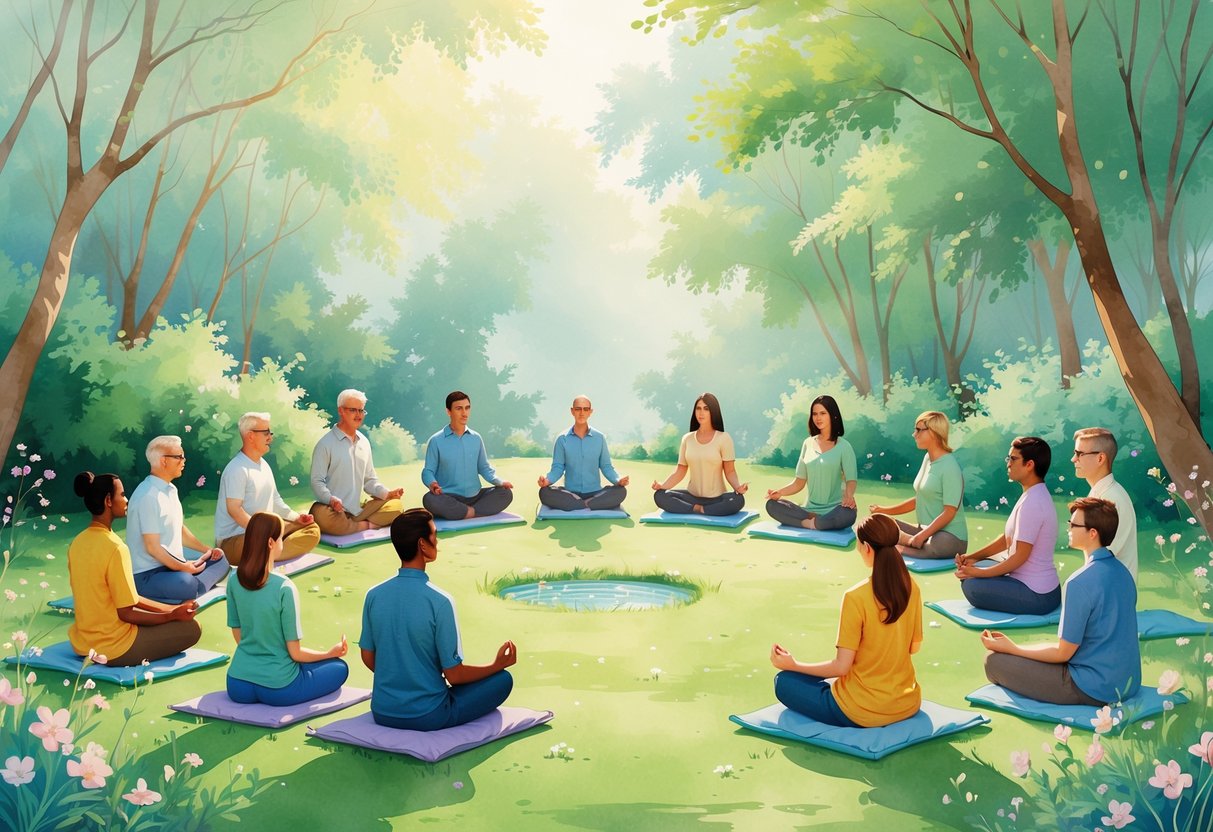
Physical therapists face demanding work schedules that require constant focus and physical stamina. Joining a mindfulness meditation group offers you a structured way to recharge mentally and emotionally outside the clinic.
Group meditation sessions provide benefits that solo practice often lacks. You gain fellowship and support from others who share similar wellness goals.
The regular meeting schedule helps you stay consistent with your practice, which can be difficult to maintain alone. These groups typically meet weekly or biweekly at community centers, yoga studios, or wellness facilities.
You’ll participate in guided breathing exercises, body scans, and group discussions about mindfulness techniques. The social aspect creates accountability while reducing feelings of isolation that sometimes come with healthcare work.
Mindfulness practice enhances skills you already use as a physical therapist. You develop better present-moment awareness, which improves how you observe patient movement patterns and responses to treatment.
Your listening skills sharpen as you become more attentive to subtle cues. Many physical therapists report increased compassion and empathy after regular mindfulness practice.
These qualities strengthen your therapeutic relationships and can reduce burnout. The meditation techniques you learn also become tools you can share with patients experiencing chronic pain or stress.
Group sessions usually last 45 to 90 minutes and welcome beginners. You don’t need special equipment or prior experience.
Most groups charge modest fees or operate on donation basis, making this an accessible creative outlet that directly supports your professional and personal growth.
8) Gardening with seasonal plants

Gardening with seasonal plants gives physical therapists a hands-on way to stay creative while building strength and flexibility. You work with different plants throughout the year, which keeps the activity fresh and engaging.
When you plant, weed, and water, you use the same movements you recommend to your patients. Reaching, bending, and squatting all help maintain your range of motion.
Digging and carrying supplies build muscle strength in your arms and core. Working with seasonal plants requires planning and problem-solving skills.
You need to know which plants grow best in each season and how to care for them properly. This mental engagement helps keep your mind sharp outside of work.
The physical benefits match what you already know about therapeutic exercise. You can adjust the intensity based on your fitness level.
Light tasks like deadheading flowers provide gentle movement, while heavier work like turning soil offers more challenging exercise. Seasonal gardening also connects you to natural cycles and outdoor environments.
You spend time in fresh air and sunlight, which supports your overall health. The sensory experience of touching soil, smelling flowers, and seeing plants grow provides stress relief after long days treating patients.
You can start small with container gardens or a few raised beds. Indoor options work too if you have limited outdoor space.
The key is choosing plants that match your local growing season and available time for care.
7) Starting a photography project

Photography offers physical therapists a creative outlet that fits easily into a busy schedule. You can pick up a camera during lunch breaks or on weekends to capture interesting subjects around you.
Starting a photography project gives you a clear goal to work toward. You might choose a 52-week project where you take one photo each week based on a theme.
Another option is documenting your daily life through a 365-day challenge. The beauty of photography is that you don’t need expensive equipment to begin.
Your smartphone camera works perfectly fine for most projects. You can focus on learning composition, lighting, and storytelling before investing in professional gear.
Photography projects help you develop patience and attention to detail. These same skills transfer back to your work as a therapist when you need to observe patient movement patterns or track progress over time.
You can pick subjects that interest you personally. Some therapists photograph nature during hikes.
Others capture street scenes in their city or take portraits of friends and family. The subject matter matters less than staying consistent with your project.
Working on a photography project gives your mind a break from clinical thinking. You engage different parts of your brain when you frame shots and edit images.
This mental shift helps reduce work-related stress while building a skill you can enjoy for years.
6) Engaging in dance-based workshops

Dance-based workshops offer physical therapists a unique way to stay creative while reinforcing your professional skills. These workshops combine movement, body awareness, and creative expression in ways that directly benefit your practice.
When you participate in dance workshops, you develop a deeper understanding of body mechanics and movement patterns. You learn how different movements affect balance, coordination, and endurance.
This knowledge transfers directly to your work with patients. Dance workshops also help you experience movement from your patients’ perspective.
You get to feel what it’s like to learn new physical skills and overcome movement challenges. This builds empathy and improves how you communicate with clients.
Many dance styles work well for physical therapists. You might try contemporary dance, ballet basics, or even ballroom dancing.
Each style teaches different aspects of movement control and body alignment. The social aspect of dance workshops adds another layer of benefits.
You meet people outside your usual professional circle and build creative connections. Group activities in workshops also give you ideas for making therapy sessions more engaging.
Dance workshops don’t require previous experience. Most classes welcome beginners and adapt movements to different skill levels.
You can start with gentle, low-impact sessions and progress at your own pace. Regular participation in these workshops keeps your approach to physical therapy fresh and innovative.
You discover new ways to explain movement concepts and find creative solutions for patient challenges.
5) Taking up pottery classes
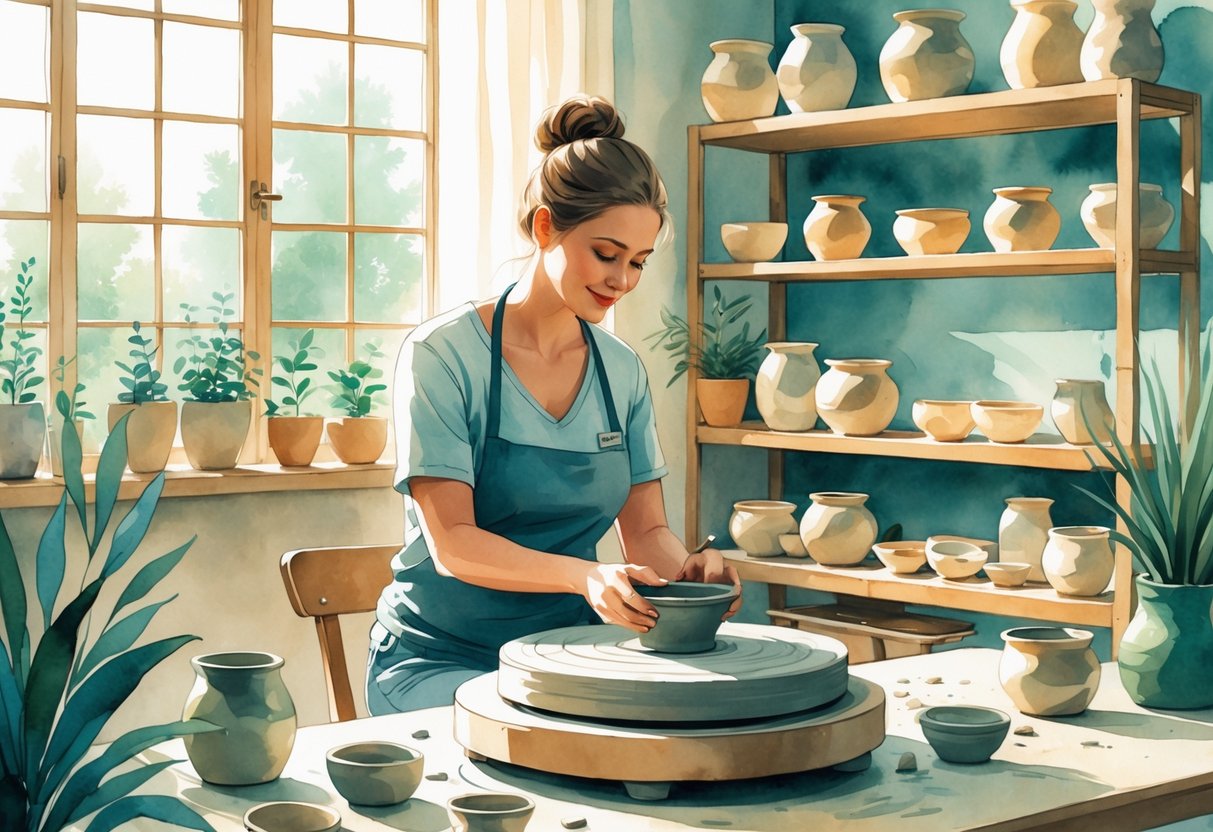
Pottery offers physical therapists a unique way to engage their creative side while using their hands in a completely different context. When you work with clay, you activate fine motor skills and hand-eye coordination in ways that differ from your clinical work.
The repetitive motions of shaping clay can help you relax and clear your mind after long days of patient care. Working at a pottery wheel requires focus and presence, which naturally pulls your attention away from work-related stress.
This mindful aspect of pottery makes it an effective way to mentally separate from your professional responsibilities. Pottery classes give you structured time to learn a new skill alongside other people who share an interest in creative activities.
You can start with basic hand-building techniques before moving to wheel throwing if you choose. Most studios offer classes for beginners, so you don’t need any prior experience.
The physical nature of pottery complements your existing knowledge of body mechanics and movement patterns. You’ll notice how posture and hand positioning affect your ability to shape clay effectively.
This awareness can actually deepen your understanding of movement principles. Creating functional items like bowls or mugs provides a sense of accomplishment that’s different from your therapy outcomes.
You end each session with a tangible object you made with your own hands. Many physical therapists find this concrete creative output satisfying and energizing.
4) Practicing creative writing

Creative writing offers physical therapists a practical way to develop new mental skills outside the clinic. You can explore different forms like short stories, poetry, or personal essays to express ideas that don’t fit into clinical documentation.
Writing regularly helps you improve your focus and build emotional intelligence. These skills transfer directly to patient care, where you need to understand different perspectives and communicate clearly.
You don’t need special equipment or a big time commitment to start. Ten minutes of writing practice each day can make a difference.
Try keeping a journal, writing about a patient success story, or creating fictional characters based on your clinical experiences. The creative process activates different parts of your brain than clinical work does.
This mental shift gives you a break from the analytical thinking you use all day while still keeping your mind engaged. Writing also helps you process the emotional aspects of your work.
You can explore challenging situations, celebrate victories, or simply record your thoughts about patient interactions in a private space. Many physical therapists find that creative writing improves their documentation skills too.
When you practice writing creatively, you learn to express complex ideas more clearly. This carries over into your clinical notes and patient education materials.
You can join online writing groups or workshops to connect with other writers and get feedback on your work. These communities provide support and motivation to keep writing regularly.
3) Exploring watercolor painting

Watercolor painting offers physical therapists a creative outlet that contrasts sharply with the technical demands of your daily work. This medium requires minimal setup and allows you to work at your own pace without pressure for perfection.
The process of watercolor painting engages different parts of your brain than clinical work does. You focus on color mixing, brush control, and visual composition rather than treatment plans and patient assessments.
This mental shift helps you relax and recharge between sessions. Watercolor is particularly accessible for beginners.
You don’t need expensive equipment or a dedicated studio space to get started. Basic supplies include paints, brushes, paper, and water.
You can paint at your kitchen table or take your materials outside. The unpredictable nature of watercolor teaches you to embrace imperfection.
Water and pigment blend in ways you can’t always control, which encourages flexibility and acceptance. These qualities can benefit your therapeutic practice as well.
Many physical therapists find that watercolor painting improves their fine motor skills and hand-eye coordination. The precise brush movements required for detailed work can complement the manual dexterity you use during patient treatments.
You can dedicate as little as 15 minutes to watercolor painting and still experience its calming effects. Local art supply stores and online tutorials provide resources to help you develop your skills at whatever pace works for you.
2) Joining a local book club

Book clubs offer physical therapists a way to step away from clinical work and connect with others over shared reading interests. You can find groups through libraries, bookstores, and community centers that match your preferred genres.
Reading regularly helps you unwind after long days of patient care. The mental shift from treatment plans to fiction or non-fiction gives your brain a different type of engagement.
This break from work-related thinking can reduce stress and improve your focus. Book club discussions build your communication skills in a relaxed setting.
You practice listening to different perspectives and expressing your own thoughts clearly. These same skills transfer back to your patient interactions and team meetings.
Joining a group introduces you to people outside the healthcare field. You gain new friendships based on shared literary interests rather than work connections.
This expanded social circle provides fresh perspectives and experiences. Most book clubs meet monthly, making it easy to fit into your schedule.
You commit to finishing one book and attending a single meeting each month. The structure keeps you accountable to reading regularly without overwhelming your free time.
Libraries and bookstores often host multiple clubs with different focuses. You might find groups dedicated to mysteries, biographies, classics, or contemporary fiction.
Pick one that matches what you genuinely want to read, not what you think you should read.
1) Learning to play the piano

Learning to play the piano offers physical therapists a creative outlet that complements their professional skills. When you sit at the piano, you engage your hands and fingers in precise movements that require coordination and control.
This makes it a natural fit for someone who already understands how the body moves and functions. Playing piano strengthens your cognitive abilities while giving your mind a break from clinical work.
The practice of reading music and coordinating both hands activates multiple areas of your brain at once. This mental workout can help you stay sharp and focused in your therapy sessions.
The physical benefits align with what you already know as a therapist. Piano playing improves hand dexterity and fine motor skills through repetitive practice.
Your fingers move across keys in patterns that build strength and flexibility over time. You can start learning piano at any age or experience level.
Online lessons, video tutorials, and courses make it easy to practice on your own schedule. Even short practice sessions a few times per week can help you build skills gradually.
Piano offers a way to reduce stress after demanding workdays. The focus required to play music pulls your attention away from work concerns.
You create something enjoyable while developing a skill that grows with consistent practice.
Benefits of Creative Hobbies for Physical Therapists

Creative hobbies help physical therapists develop stronger problem-solving abilities, manage workplace stress more effectively, and build skills that transfer directly to patient care.
Enhancing Problem-Solving Skills
Creative hobbies train your brain to think in new ways. When you engage in activities like painting, woodworking, or playing music, you practice finding solutions to unexpected challenges.
This mental flexibility carries over to your clinical work. You become better at adapting treatment plans when patients don’t respond as expected.
Creative activities strengthen the same neural pathways you use when designing individualized therapy approaches. Key problem-solving benefits include:
- Improved ability to view patient cases from multiple angles
- Faster adaptation when standard protocols need modification
- Enhanced visualization skills for explaining exercises
- Greater comfort with trial-and-error approaches
Activities involving hands-on creation particularly boost spatial reasoning. This skill helps you better assess body mechanics and movement patterns in your patients.
Reducing Burnout and Stress
Physical therapy work involves physical demands, emotional challenges, and administrative pressures. Creative hobbies provide a necessary break from these daily stressors.
Activities like sculpting, gardening, or crafts distract you from racing thoughts about work. The hands-on experience creates a grounding effect that helps calm your nervous system.
Having a hobby different from your clinical duties gives your mind space to rest and reset. Research shows that creative activities engage your senses in ways that promote relaxation.
You’re not thinking about documentation or treatment outcomes. Instead, you’re focused on color, texture, sound, or movement in a non-clinical context.
This mental break makes you more effective when you return to patient care. You have better focus and more patience for challenging cases.
Encouraging Professional Growth
Creative hobbies build skills that directly improve your therapy practice. When you learn new techniques in your hobby, you develop teaching abilities that help you explain exercises more clearly to patients.
Many therapists find creative ways to integrate hobby elements into treatment sessions. A therapist who enjoys music might use rhythm to help patients with gait training.
Someone who paints could better explain body alignment through visual examples. Your creative pursuits also demonstrate important qualities to patients.
They see you value lifelong learning and personal wellness. This modeling encourages them to develop their own recovery-supporting hobbies.
Creative activities keep you curious and engaged with learning. This mindset prevents professional stagnation and helps you stay current with evolving therapy approaches.
Integrating Hobbies Into a Physical Therapy Career
Physical therapists can blend their personal interests with their professional work to create better connections with patients and build stronger workplace relationships. This approach makes therapy more engaging for everyone involved.
Improving Patient Interaction
Your hobbies can transform how you connect with patients during therapy sessions. When you share interests like gardening, photography, or cooking, you create common ground that helps patients feel more comfortable and motivated.
You can use hobby-related activities as therapeutic exercises. If a patient enjoys painting, you might design exercises that improve hand mobility through brush movements.
A patient who loves fishing could practice casting motions to rebuild shoulder strength. This personalized approach increases patient participation.
People work harder when therapy involves activities they actually care about. A woodworker will put more effort into grip exercises when working toward getting back to their craft shop.
Benefits of hobby integration:
- Higher motivation levels
- Better attendance at sessions
- Improved exercise compliance
- Faster skill development
- Stronger therapist-patient trust
Fostering Workplace Culture
Your creative hobbies can improve relationships with colleagues and create a more positive work environment. When you share your interests, you give coworkers insight into who you are beyond clinical duties.
Hobbies provide stress relief that prevents burnout. You bring fresh energy to work when you spend time doing activities you enjoy outside the clinic.
This balance makes you a better therapist and team member. You can organize hobby-based team activities.
A group photography walk, cooking potluck, or craft session builds connections between staff members. These shared experiences create better communication and collaboration during work hours.
Your creative skills might also improve your professional work. Experience with music could help you design rhythm-based exercises.
Carpentry knowledge might spark ideas for adaptive equipment solutions.
Frequently Asked Questions
Physical therapists often look for ways to balance their demanding careers with activities that spark creativity and prevent burnout. These questions address practical ways to integrate creative thinking into your professional life and explore new interests that support your growth.
What unique hobbies can help physical therapists enhance their creative skills?
Photography projects offer you a chance to develop observation skills that transfer directly to patient assessment. When you practice capturing different angles and lighting, you train your eye to notice details you might otherwise miss during clinical evaluations.
Dance-based workshops improve your understanding of movement patterns and body mechanics. These classes help you experience physical challenges from a patient’s perspective while building your ability to demonstrate exercises more effectively.
Gardening with seasonal plants teaches patience and attention to gradual progress. This hobby mirrors the rehabilitation process, where small improvements accumulate over time.
How can physical therapy professionals incorporate creativity into their daily practice?
Using patient hobbies as therapy tools creates personalized treatment plans that boost motivation. If your patient plays darts, you can include dart-throwing exercises to work on shoulder range of motion and precision.
Mindfulness meditation techniques help you stay present during sessions and reduce your own stress levels. You can teach simple breathing exercises to patients dealing with chronic pain or anxiety about their recovery.
Community theater skills improve your ability to explain concepts clearly and demonstrate exercises with confidence. The communication practice you gain on stage translates to better patient education in the clinic.
What are some innovative project ideas for physical therapy interns to explore?
Creating video demonstrations of exercises using photography skills gives patients clear reference materials for home programs. These visual guides reduce confusion and improve exercise compliance between sessions.
Designing therapy activities around seasonal gardening tasks connects rehabilitation to functional outdoor activities. You can develop protocols that use raking, planting, or weeding movements as therapeutic exercises.
Developing group movement classes inspired by dance workshops offers patients a social rehabilitation option. These sessions combine therapeutic exercises with creative expression and peer support.
Can you suggest engaging inservice presentation topics for orthopedic physical therapists?
Movement analysis techniques borrowed from dance training provide fresh perspectives on gait and posture assessment. You can present methods for identifying subtle compensatory patterns that traditional evaluations might miss.
Photography-based documentation strategies help track patient progress more effectively than written notes alone. Visual records of posture, movement quality, and functional activities create powerful evidence of improvement.
Mindfulness applications in pain management offer evidence-based tools for treating chronic orthopedic conditions. These presentations can cover breathing techniques, body scanning, and present-moment awareness practices.
What emerging research topics should sports physical therapists consider for study?
The effectiveness of creative movement interventions compared to traditional exercises needs more investigation. Research could examine whether dance-based rehabilitation improves outcomes for athletes recovering from lower extremity injuries.
Mindfulness meditation impacts on athletic performance and injury prevention deserve deeper study. You could explore how mental training affects reaction time, proprioception, and return-to-sport readiness.
Photography-assisted posture analysis tools represent an accessible technology for clinical practice. Studies could evaluate whether visual feedback improves form during exercises and reduces re-injury rates.
How can pediatric physical therapists use creative approaches to improve patient engagement?
Incorporating theater games and imagination exercises transforms therapy sessions into play. Children respond better to activities that feel like fun rather than medical treatment.
Using photography projects as motivation gives kids ownership of their progress. When children document their own achievements through pictures, they develop pride in their improvements.
Creating therapy gardens where children can plant and tend to seasonal plants adds purpose to their exercises. The responsibility of caring for living things makes movements more meaningful and engaging.