10 Best Hobbies for Weekend Warriors to Recharge and Stay Active
If you want to make the most of your days off, finding the right hobbies can help you relax and enjoy your weekends to the fullest. Weekend warriors like you are always looking for activities that bring excitement, adventure, or simple enjoyment between workweeks.
Choosing rewarding hobbies for your weekends gives you new ways to challenge yourself, recharge, and have fun. Whether you want to try something creative, get active outdoors, or just unwind, there are great options for every interest.
1) Trail Running

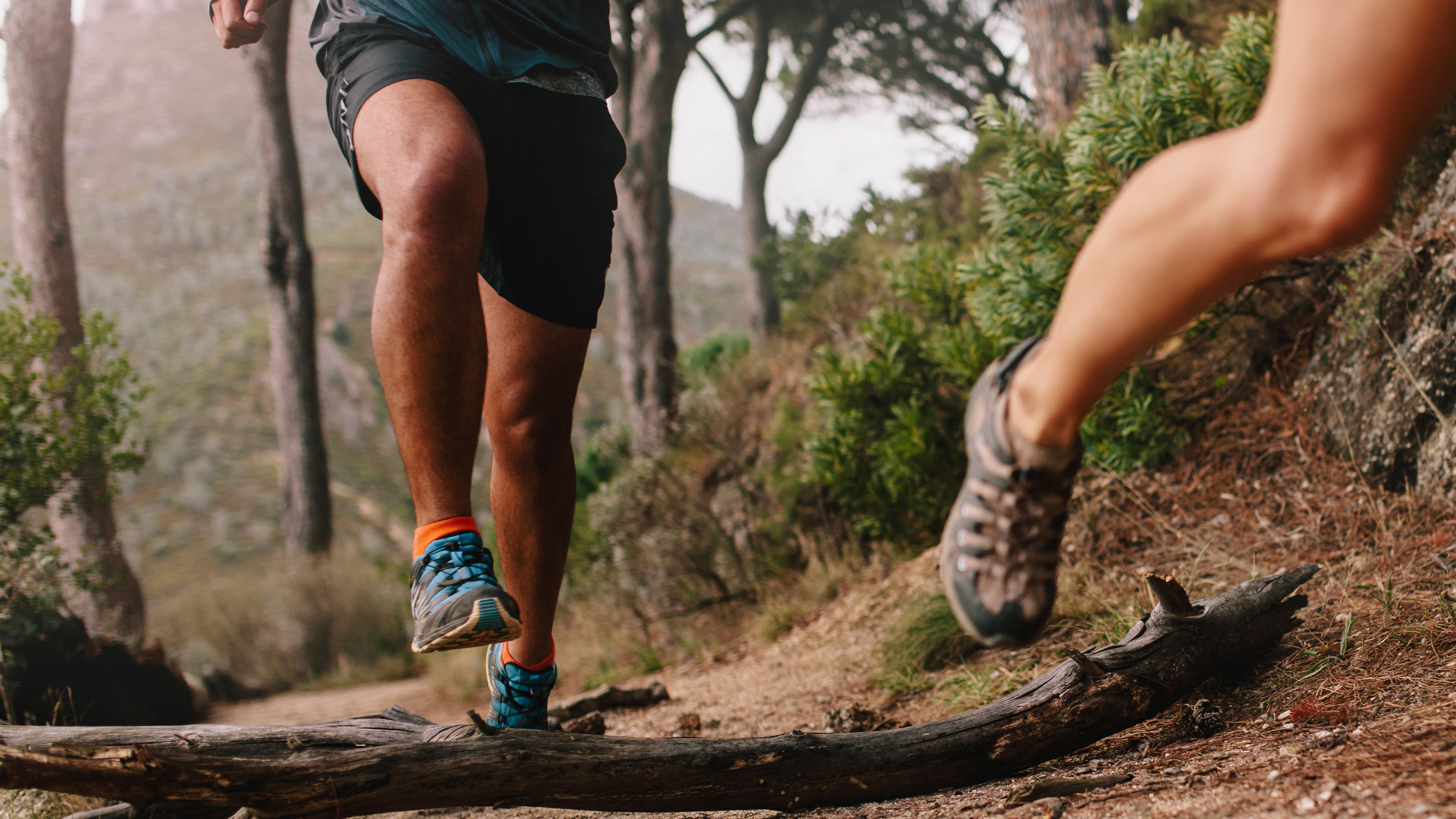
Trail running mixes exercise and time in nature. You get to run on dirt paths, rocky hills, or forest trails instead of just city sidewalks.
Each trail offers a new view and challenge, so it keeps things interesting. The best part is you do not need fancy gear to start.
Good running shoes, water, and comfortable clothes are enough. Many parks and natural areas have trails for all skill levels, making it easy to pick a spot that fits your experience.
Trail running builds strength and balance. The uneven paths help you use muscles you might not use on flat ground.
You also practice quick thinking as you pick the best place for each step. You can run solo for quiet time or join group trail runs for social fun.
Local running groups often plan weekend trail runs, which is a great way to meet others with the same hobby. Running in nature can also help you relax and clear your mind.
Breathing fresh air and listening to birds or the wind can make your run feel less like a workout and more like an adventure. Since trails can be steep or rough, start with shorter routes to learn what you enjoy.
Always let someone know your plans and carry your phone for safety. Many weekend warriors choose trail running since it is easy to fit into a busy schedule and gives you a sense of adventure close to home.
If you want more tips or ideas, you can see what trail running is like for other weekend warriors at Trail Sisters.
2) Mountain Biking

Mountain biking is a hobby that gets you outdoors and moving. You ride on trails that can be smooth or rocky, with hills and sharp turns.
It mixes exercise with a sense of adventure. You do not need a lot of experience to start.
Many trails are beginner-friendly and let you go at your own pace. Over time, you can try harder trails as you build skill and confidence.
Mountain biking can be done alone or with friends. You can join group rides to meet others who enjoy the same hobby.
Exploring different trails keeps your rides fresh and interesting. The gear you need is simple at first.
A sturdy bike, a helmet, and comfortable clothes are enough for beginners. As you get more serious, you might add gloves, knee pads, or other safety gear.
Being outside on your bike helps reduce stress and gives you a mental break. Riding helps improve your fitness by working your legs and core muscles.
Even short rides can boost your mood and give you energy for the rest of the weekend. Mountain biking is not just for adults.
Teens and younger kids can join in if you pick the right trails. This hobby can become a fun family activity.
Getting started with mountain biking is not as expensive as many people think. It costs much less than hobbies like motorsports or skiing.
There are affordable bikes and you can often rent one if you want to try before buying, as explained by Next Luxury. With many trails in parks and natural areas, you will likely find a place to ride near your home.
Each trail offers different views and challenges, making every weekend ride a new experience.
3) Rock Climbing

Rock climbing is a rewarding hobby that builds both physical and mental strength. You can start at an indoor climbing gym, which is great for learning the basics and improving your skills before heading outside.
Indoor gyms usually have different routes for beginners and more advanced climbers. Climbing is more than just exercise.
It helps you focus, solve problems, and face your fears one step at a time. Each climb is like a small puzzle, with different holds and paths to figure out.
If you like being outdoors, rock climbing at local cliffs or mountains lets you enjoy fresh air and beautiful views. Many climbers find the experience peaceful and satisfying, especially when surrounded by nature.
This hobby also lets you meet new people who share your interests. Climbers often work together for safety, encouragement, and tips.
It’s a supportive community that welcomes newcomers. Safety is very important.
Always double-check your gear and learn how to climb from someone with experience. Indoor gyms provide training and equipment, making them a safe place to start.
If you’re looking for a challenge and a way to spend your weekends actively, climbing is a good choice. You’ll use your whole body, improve your balance, and gain confidence as you push your limits.
Rock climbing is flexible, too. You can fit it into your schedule, whether you go just for a few hours or spend an entire day at the crag.
Many people enjoy the freedom to climb indoors or outside, depending on the weather and location. Some climbers value the lower injury risk and flexibility rock climbing offers compared to other hobbies like biking or martial arts.
You can learn more about why some people choose climbing and how it fits a busy lifestyle at this Reddit discussion about climbing and other hobbies.
4) Kayaking
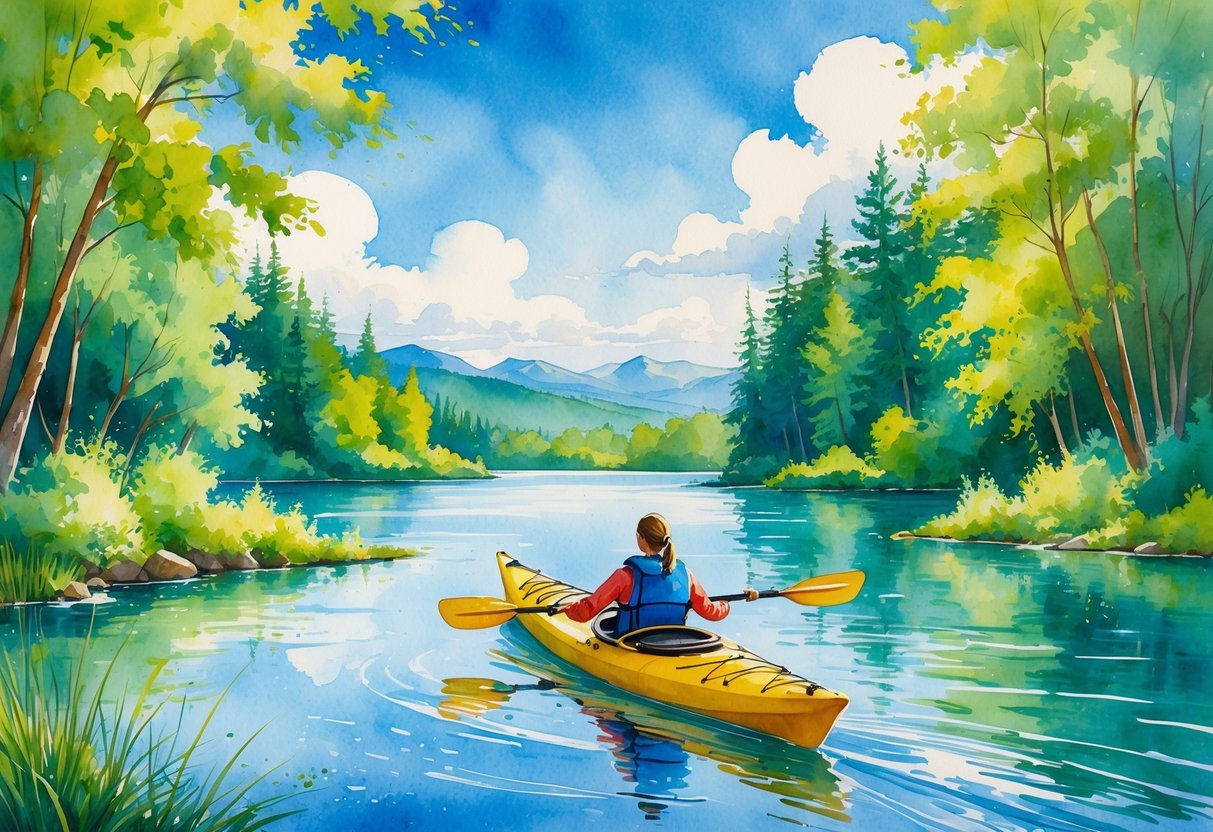
Kayaking gives you a great way to be active and enjoy the outdoors. You can kayak on lakes, rivers, or even along the coast.
It’s an activity you can try alone or with friends. Kayaking is fairly easy to learn.
Most beginners start with calm water and basic paddling skills. As you gain confidence, you can explore more challenging routes or even try sea kayaking.
You get to see nature from a different point of view. Paddling lets you move quietly through the water, so you might spot birds, fish, or other wildlife up close.
If you like peaceful settings, being on a kayak can be a relaxing break from busy life. This hobby also helps build your strength and fitness.
Your arms, shoulders, and upper body get a good workout every time you paddle. At the same time, you’re having fun and spending time in the fresh air.
Kayaks come in different types, like sit-in, sit-on-top, and inflatable options. Beginner-friendly kayaks are stable and simple to use.
You don’t need a lot of gear to get started—just a kayak, paddle, and life jacket. Many people enjoy taking their kids along for the ride.
Tandem kayaks let you paddle together or teach your children how to kayak in a safe, supportive way. It’s a great way to share the outdoors and strengthen family bonds.
Learn more about family-friendly kayaking experiences at Paddle Pursuits. Some spots even offer guided trips for new kayakers.
These trips make it easy to try the sport without needing your own equipment. You can discover new places while building your skills as a weekend warrior.
Read about exciting kayaking trips for beginners at Much Better Adventures.
5) Photography Expeditions
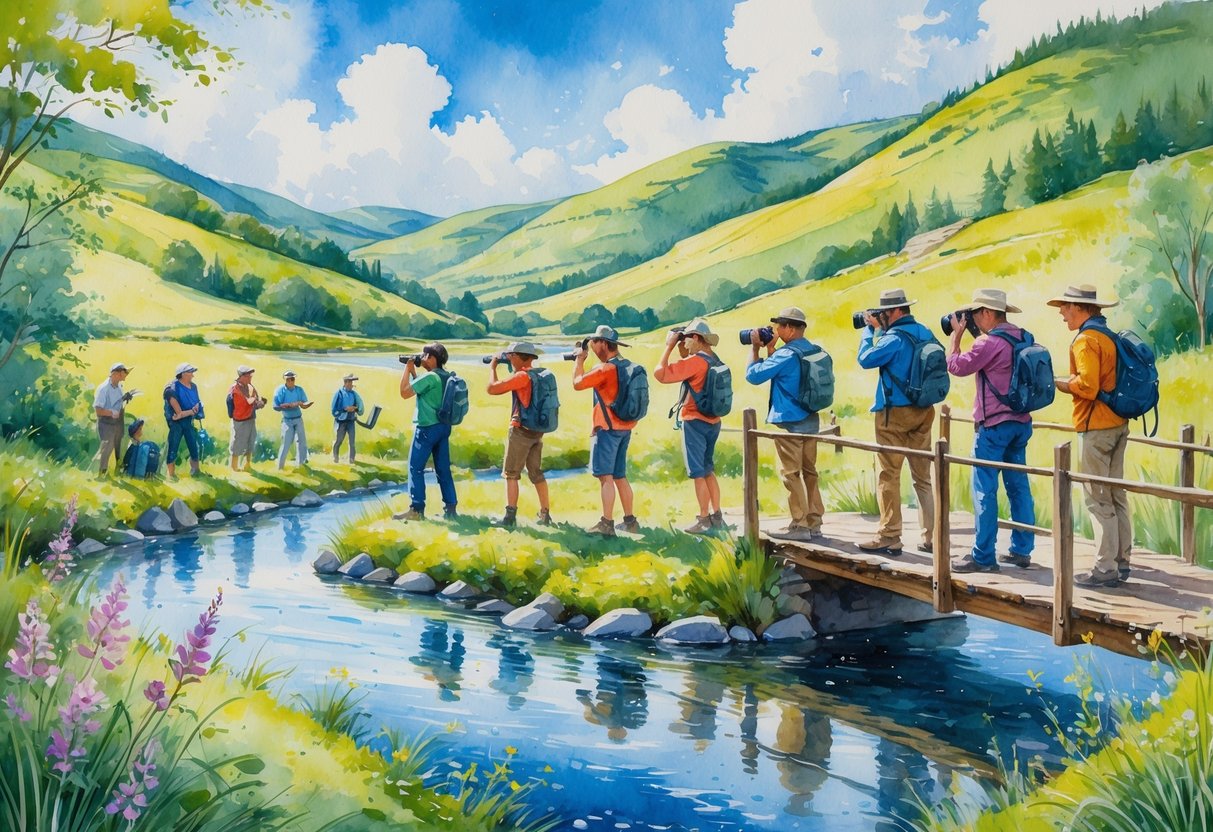
Going on a photography expedition is a great way to see new places and notice things you might miss in everyday life. You don’t need expensive gear to get started.
Most smartphones already have cameras good enough for beginners. You can turn a walk in the park or a hike in the woods into a fun adventure with just a camera in hand.
As you look for interesting shots, you’ll start to pay more attention to shapes, colors, and light around you. Photography gives you a reason to get outdoors and explore.
You might discover local parks, walking trails, or city streets that you haven’t visited before. Each location offers new subjects like buildings, trees, or wildlife.
If you want to learn and improve, try different times of day or types of weather. Early morning or late afternoon can give your photos warm, soft light.
Rain, fog, or snow can add something special to your images. Photography can also be a social hobby.
You can join online groups or join local clubs. Sharing your photos and getting feedback is a good way to grow your skills.
Many people enjoy using photography as a kind of visual diary. Taking pictures during your weekend outings helps you remember the details long after your trip ends.
You can create albums or prints to look back on. If you want ideas for your next outing, try themes like nature, street scenes, or even pets.
Looking for details others might miss will help you see the world in new ways. For more easy ways to get started with photography, see how photography is perfect for beginners.
6) Camping
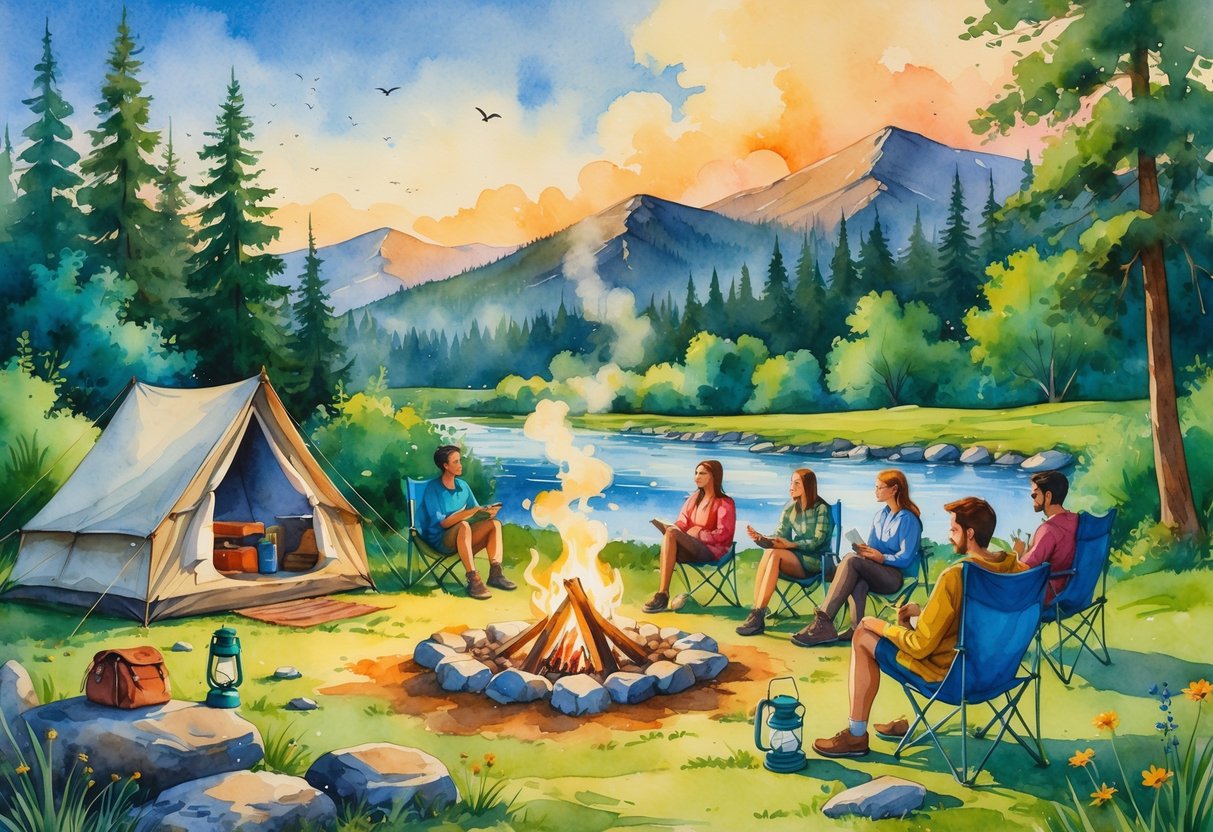
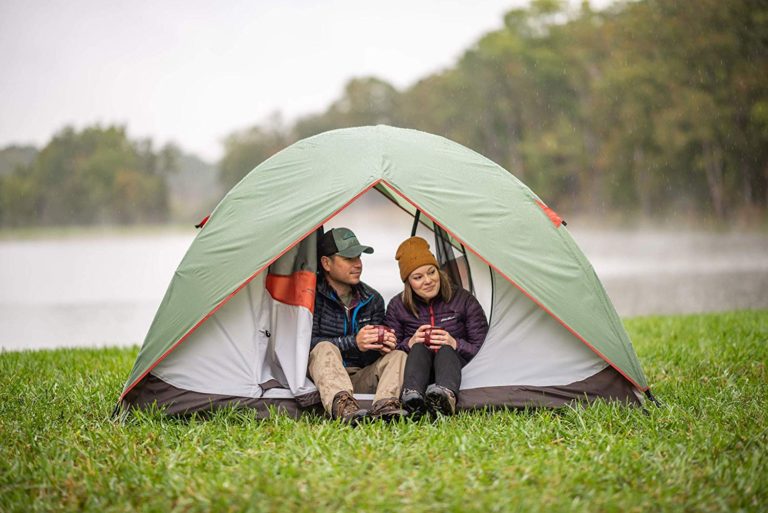
Camping allows you to take a break from your daily routine and spend time outdoors. You can set up a tent in the woods, near a lake, or even in your own backyard.
This simple activity can help you relax and connect with nature. You do not need much gear to start.
A basic tent, sleeping bag, and some food are usually enough for a night or two outside. As you get more comfortable, you can try new equipment or different ways of camping, like car camping or backpacking.
You can enjoy unique camping hobbies during your trip. Popular options include hiking, fishing, photography, or stargazing at night.
Some people like to learn skills such as cooking over a campfire or identifying local plants and animals. Going camping gives you a chance to clear your mind and get some fresh air.
You can invite friends or family to make it a social experience, or you can go alone for some quiet time. Not all camping trips have to be deep in the wilderness.
Many parks have easily accessible sites with facilities. These are good options for short weekend adventures.
If you want more excitement, you can plan trips to new places within driving distance. This lets you see new sights and try activities like kayaking, swimming, or cycling nearby.
Taking short trips means you can spend more time exploring, not just traveling to your destination. You can read more on how to plan short camping adventures.
Spending weekends camping can make your time off feel different and special. Each trip can offer something new to learn or explore.
7) Hiking
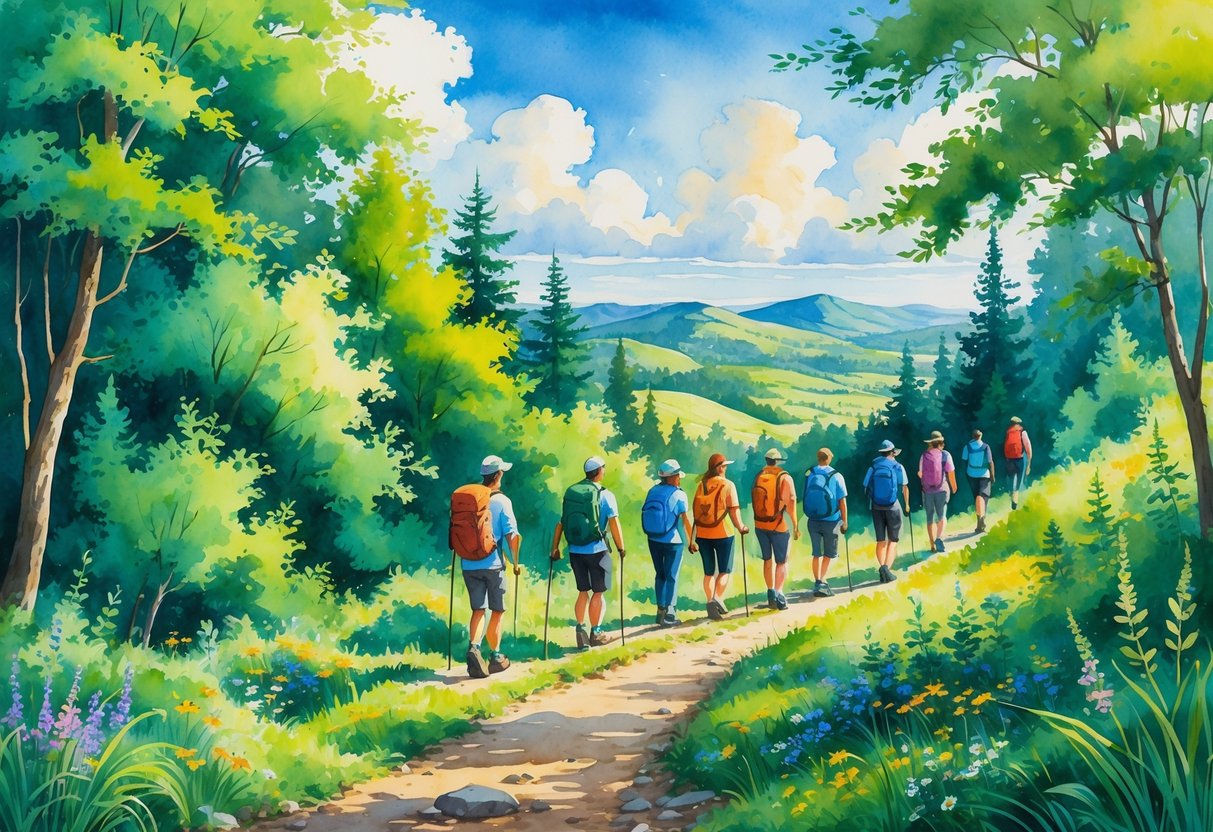
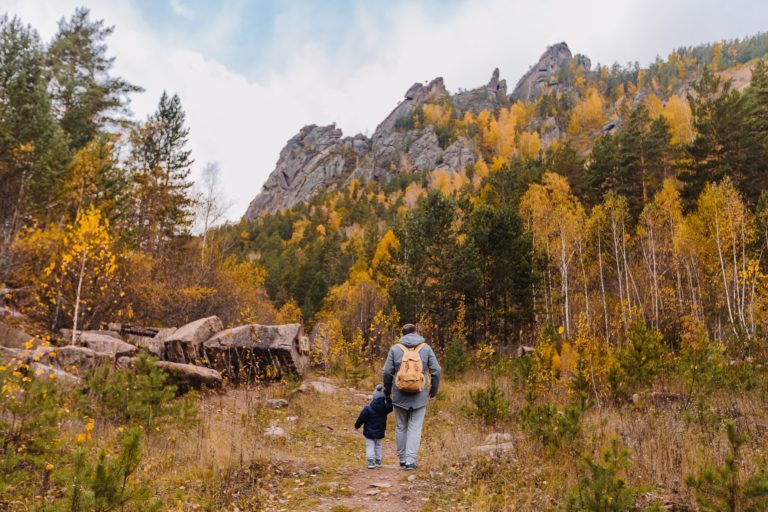
Hiking is a hobby that lets you enjoy nature while getting some exercise. You do not need special skills to start.
Just grab some comfortable shoes and pick a trail that matches your fitness level. You can hike in many places, like city parks, forests, or mountains.
Each spot offers something different to see. If you are new to hiking, look for easy trails first.
These often have signs to help you stay on track. You might notice plants, birds, and other animals on your walks.
Many people find it relaxing to listen to the sounds of the forest or watch leaves move in the wind. It is easy to turn hiking into a social activity.
You can invite friends or family to join you. Sharing the experience can make it more fun for everyone.
Most hikes do not take much time to plan, and you can finish many trails in a few hours. For those who live in the city, local parks often have great paths to explore.
Some people choose hiking for fitness. Walking uphill, carrying a backpack, or climbing steps can build strength and improve your endurance.
Others use hiking as a way to take photos or sketch the scenes they see. You may want to check out new places each week to keep things interesting.
Many adventure enthusiasts recommend trying different trails over the summer so you do not get bored with the same walk. This helps you learn more about your area and keeps hiking fresh.
Always bring water and a snack, and wear weather-appropriate clothing. With a little preparation, your hiking weekends can be both fun and safe.
8) Bird Watching
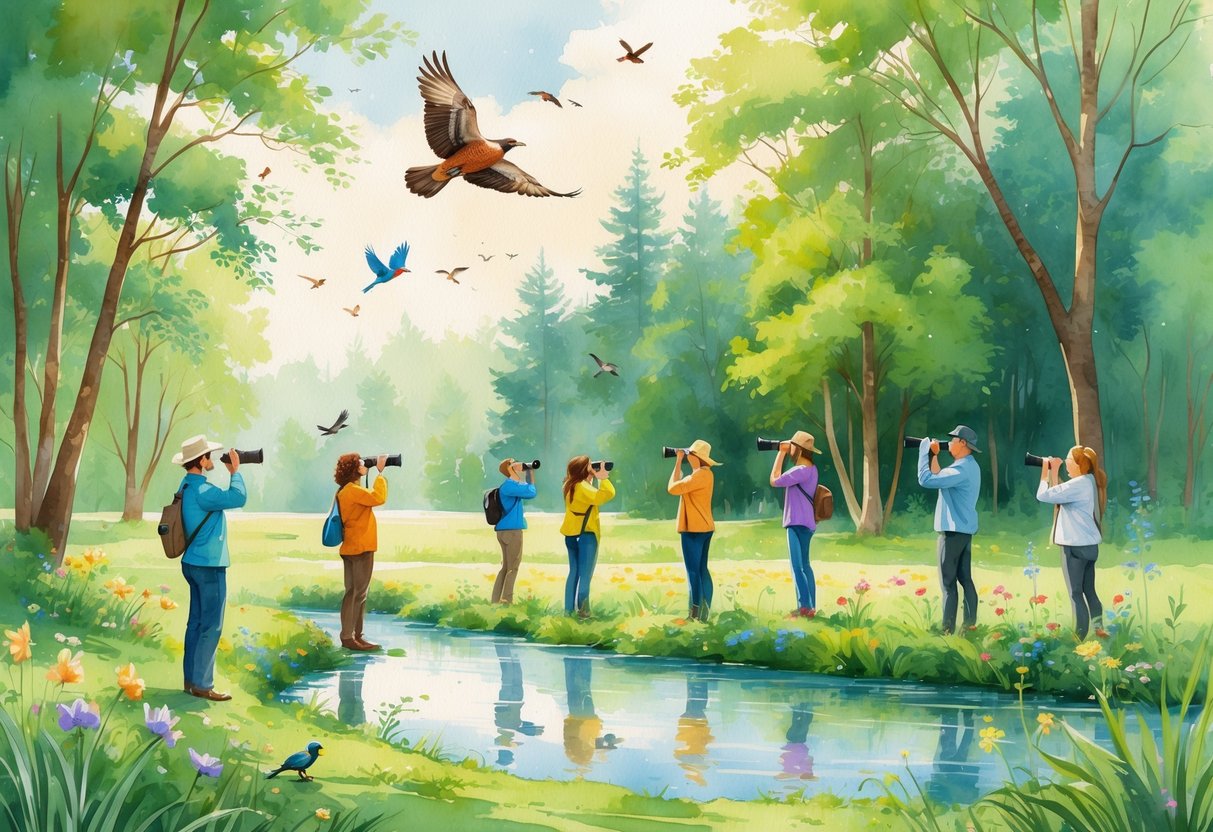
Bird watching is a relaxing hobby that lets you spend time outdoors while learning more about wildlife. You do not need a lot of expensive gear to start.
A simple pair of binoculars and a notepad are enough for most beginners. You can go bird watching almost anywhere.
Parks, forests, and even your own backyard offer many opportunities to spot different kinds of birds. Some people like to take pictures or write down the birds they see.
As you gain experience, you may start to notice patterns in bird behavior, like feeding or nesting. Every season offers something new, from migrating flocks in spring to different calls in the fall.
Many find bird watching peaceful and rewarding because it encourages patience and careful observation. You might even join local clubs or use mobile apps that help identify birds by their calls and colors, such as Merlin Bird ID or Audubon Bird Guide.
These tools make it easy to confirm what you see and learn more about each species. For more ideas, you can explore the basics of bird watching as a hobby.
You can also support bird conservation by adding your sightings to special websites and projects. This way, you help scientists keep track of bird populations around the world.
Bird watching is flexible, so you can do it alone or with others whenever you have free time. If you enjoy quiet moments and learning through observation, bird watching could be a great weekend hobby for you.
The wide variety of birds to discover makes every outing different and interesting. To see the benefits and more ways to get involved, check this list of nature observation hobbies including bird watching.
9) DIY Crafting
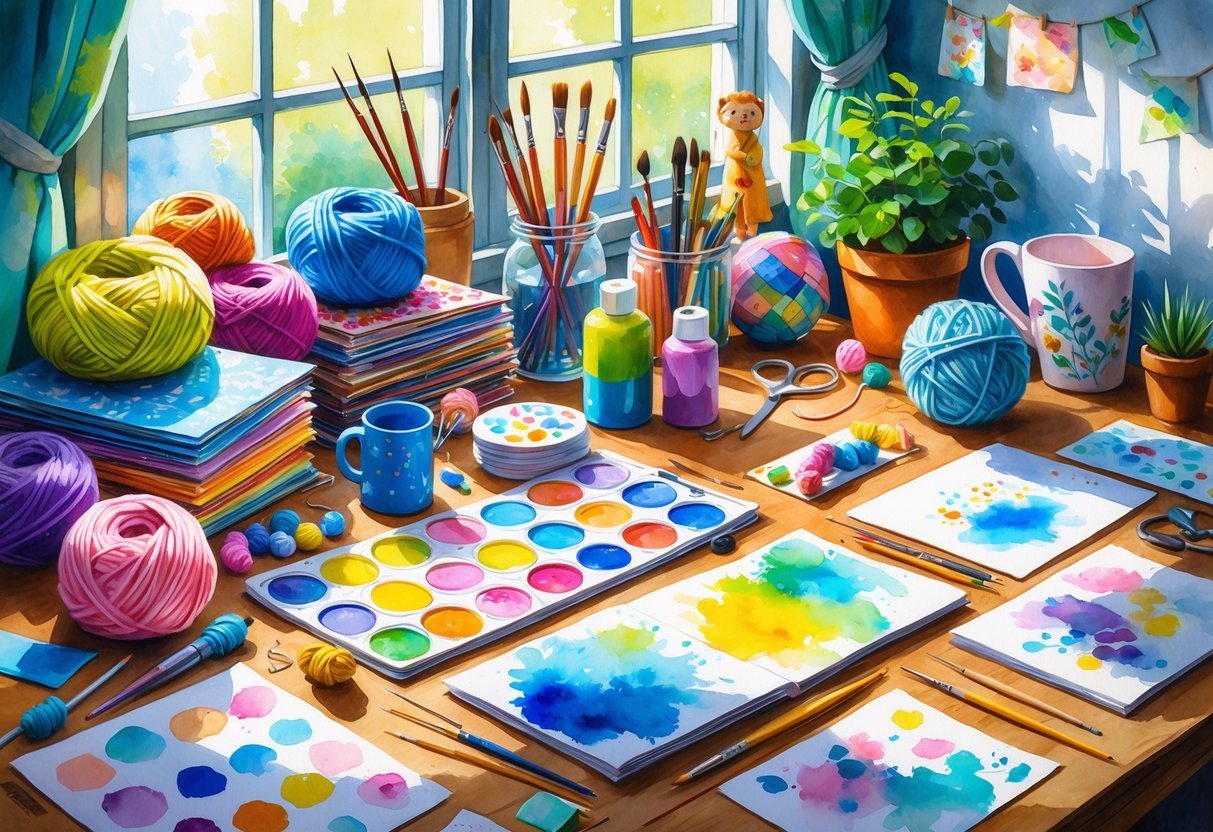
DIY crafting is a practical and creative hobby you can start with just a few supplies. You don’t need to be an expert to enjoy it.
Making things with your hands helps relax your mind and lets you see quick results. There are many easy projects you can try, such as making homemade candles, building a picture frame, or painting simple wall art.
You can find ideas that match your interests and skills no matter where you begin. Simple crafts like sewing a pillowcase or decorating a mug can bring a sense of accomplishment.
Many weekend warriors enjoy turning everyday objects into new items. Upcycling old furniture into something stylish, or creating home decor from recycled materials, lets you be creative while helping the environment.
These projects can add new life to your home while keeping things affordable. If you want variety, check out lists of fun and easy crafts for weekend warriors.
You can learn new skills, from woodworking to painting, and explore different types of crafts at your own pace. Many projects can be finished in just one or two days.
Crafting alone or with friends can be a great way to spend your free time. It gives you a break from screens and daily routines.
As you complete more projects, you’ll grow your skills and gain confidence for even bigger challenges. DIY crafting is flexible.
You can start small or take on larger projects when you feel ready. No matter your experience level, it’s a hobby that welcomes everyone and always has something new to offer.
10) Scented Candle Making
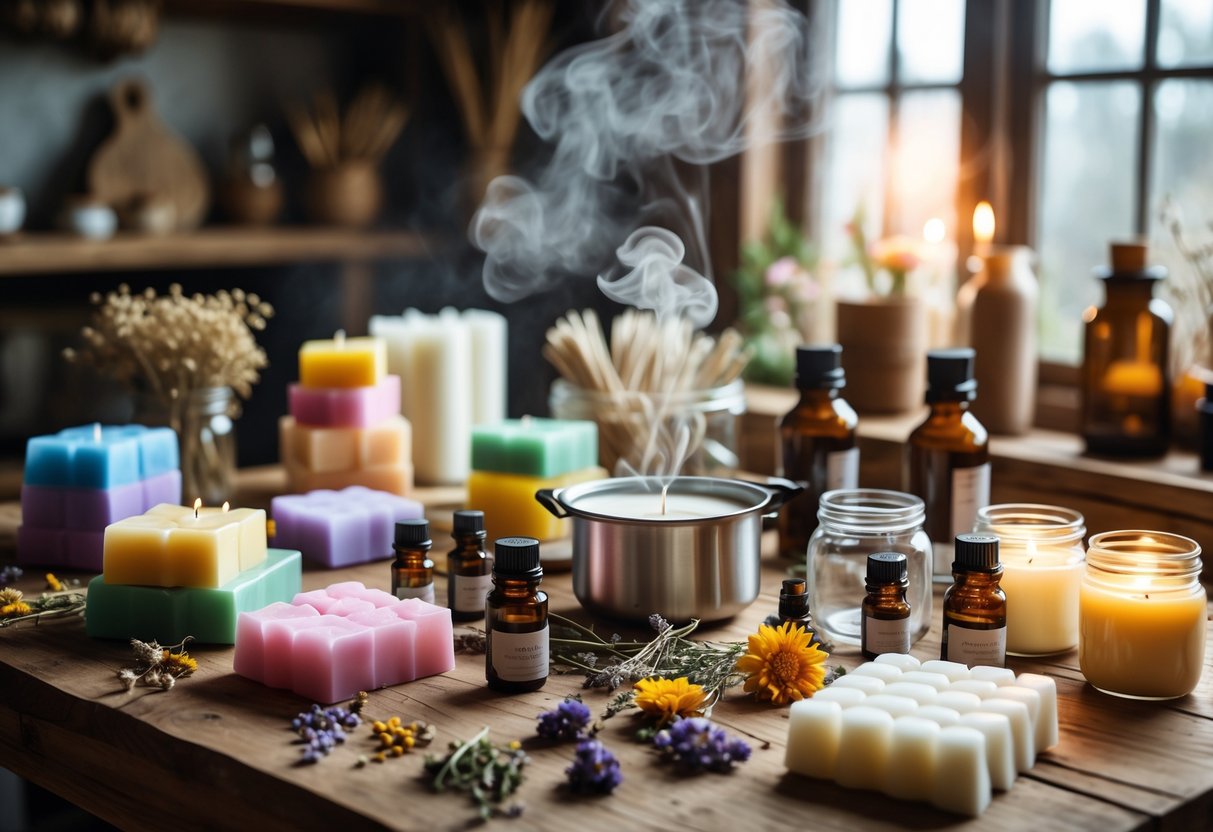
Scented candle making is a hands-on activity that fits well into a weekend. You only need a few supplies like wax, wicks, containers, and fragrances.
Most tools are simple, and you can find kits in craft stores or online. You can pick your own scents and colors, creating a candle that matches your space or mood.
If you want to make it more natural, try soy wax or beeswax and add essential oils for scent. This way, you control the ingredients and avoid synthetic chemicals.
The process starts by melting the wax, adding color and fragrance, then pouring it into a container with a wick. It does not take much time to set up, and most candles can cool and harden in a few hours.
Many people enjoy making candles at home because it is quick and cost effective. You might also enjoy pairing this hobby with snacks or drinks.
For example, you can match the scent of your candle to your favorite tea or dessert for a multisensory experience. This makes candle making feel even more special.
Scented candles can be used in your own space or given as gifts. They offer a simple way to add a personal touch to your home or surprise a friend.
Some people find the activity relaxing, and you get a finished product you can use right away. You can start with a small project and experiment with scents and designs over time.
There are plenty of ideas online for both beginners and those who want to get creative. Candle making does not require perfection, so you can enjoy the process whether it is your first or tenth time making candles.
How to Choose the Right Weekend Hobby
Choosing a weekend hobby depends on your interests, goals, schedule, and budget. You want something that feels rewarding but fits your life.
Assessing Your Interests and Goals
Think carefully about what excites you or sparks your curiosity. Make a list of activities you enjoy or would like to try.
Pay attention to what keeps you energized after a busy week. Reflect on your personal goals.
Some hobbies can help you relax, reduce stress, or stay active. Others may focus on learning new skills, socializing, or exploring the outdoors.
Write down whether you want to improve your fitness, meet new people, or simply unwind. Explore online hobby lists and ask friends about their favorite activities.
Doing a little research helps you discover options you may not have considered. Reading guides like those on weekend adventure hobbies can give you fresh ideas.
Evaluating Time Commitment and Resources
Check how much free time you have each weekend. Some hobbies, like hiking or biking, can take most of the day.
Others, such as painting or learning a new instrument, fit into small windows of free time. Look at what equipment, space, or money you need to get started.
Simple hobbies may only require items you already have at home, while others, like scuba diving, will need special gear or classes. Make a chart like this to compare options:
| Hobby | Time Needed | Cost | Gear Needed |
|---|---|---|---|
| Running | Low | Low | Shoes |
| Photography | Medium | Medium/High | Camera |
| Kayaking | High | Medium/High | Kayak, PFD |
Prioritize hobbies that realistically fit your routine and resources. Remember, some activities become easier to manage as you gain experience and confidence.
Maximizing Benefits from Your Hobbies
Making the most of your hobbies is about forming habits that help you grow and staying engaged with others who share your interests. These strategies can turn a simple past-time into a powerful part of your weekend.
Building Consistency in Your Routine
To see real benefits, it helps to make your hobby a regular part of your schedule. Set aside a specific day and time every week—maybe Saturday afternoons or Sunday mornings.
Add reminders to your phone or calendar so you don’t forget. Consistency helps you build skills over time and makes the hobby feel rewarding.
Even if you can only spare 30 minutes, what matters is showing up each week. Some people use checklists to keep track of their progress and set small goals.
For example, if you are learning an instrument, practice a new chord each weekend. Try not to skip your routine unless you have to.
Treat your hobby time as an appointment with yourself. This approach can lead to bigger accomplishments, such as finishing a woodworking project or growing a garden, since you’re making steady progress.
You might find that these habits even help lower your stress and boost your mood on days off, as shown in guides about weekend hobbies.
Connecting with Like-Minded Enthusiasts
Joining a group or community can make your hobby more enjoyable and give you a support system. Look for local clubs, online forums, or social media groups related to your interest.
Some hobbies, like cycling or hiking, offer regular meetup events. If you like creative activities such as painting or writing, you can join classes or workshops, either in-person or virtually.
These connections let you share ideas, get feedback, and learn new skills. Sometimes you’ll get helpful tips or discover new ways to enjoy your favorite activities.
For a list of hobbies that encourage socializing and collaboration, check out this guide to adventure hobbies for weekend warriors.
Frequently Asked Questions
Many adults want activities that fit busy schedules and maximize enjoyment. Weekend warriors choose hobbies for adventure, creativity, relaxation, and health.
What energizing hobbies are ideal for adults with limited weekend time?
Activities such as trail running offer a quick but energizing workout that fits into any short weekend. Mountain biking is another option where you can get a full-body workout and enjoy the outdoors, even with just a few hours free.
Which creative at-home activities are popular among weekend warriors?
Photography expeditions in your neighborhood let you explore and create without leaving home for long. Arts and crafts, like painting or woodworking, are easy to start and can be done at your own pace, making them perfect for weekends.
What are some exciting outdoor hobbies for those seeking weekend adventure?
Rock climbing provides a thrilling and challenging experience. Kayaking is also popular for those who want both a workout and a chance to enjoy nature.
Both activities are great for making the most of your limited time outside. You can find more ideas on adventurous weekend hobbies.
Could you suggest hobbies for individuals looking for competitive weekend activities?
You might enjoy joining a local cycling or running club to race or train with others. Team sports like soccer or basketball leagues are widely available on weekends and offer friendly competition.
What hobbies provide the best stress relief for busy weekend warriors?
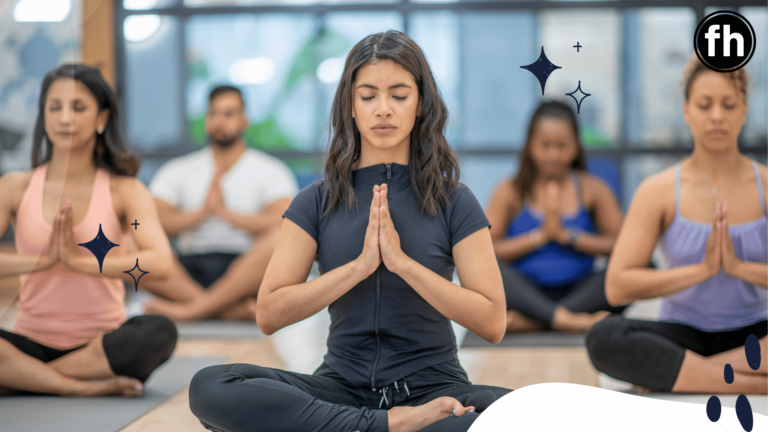
Yoga is calming and can be done almost anywhere, providing quick relief from stress. Enjoying nature through walking or photography can also help you unwind after a long week.
These hobbies promote relaxation and mental balance. Check out creative hobbies that help you relax.
Which weekend hobbies are best for enhancing mental and physical wellbeing?
Outdoor activities like trail running and kayaking strengthen both your body and mind.
Creative pursuits, such as photography, keep you mentally active and can boost your mood.