10 Best Hobbies to Get in Shape Beyond the Gym
Getting in shape doesn’t have to mean lifting weights or running on a treadmill. There are many ways you can stay active and healthy without ever stepping foot in a gym.
You can boost your fitness and have fun by choosing hobbies that keep you moving outside of a traditional gym setting.
Trying different activities not only helps your body but can also make exercising feel less like a chore. Finding the right hobby may keep you motivated and help you make physical activity a regular part of your routine.
1) Hiking local trails

Hiking is an easy way to boost your fitness while spending time outdoors. You can start with short walks on flat paths, then try longer or tougher trails as you get stronger.
Most areas have parks or nature paths, so it’s easy to find a place nearby. Walking on natural trails works out your legs, especially your calves, thighs, and glutes.
Stepping over roots and climbing hills adds extra challenge. The soft ground on most trails is gentle on your joints compared to hard pavement.
Nature gives you a break from screens and busy city noise. Fresh air and green scenery can help reduce stress and boost your mood.
You might even spot birds, deer, or other animals on your hikes. Hiking with friends or family can make the activity more fun and social.
It’s also a safe way to exercise in a group. If you enjoy meeting new people, many towns have walking or hiking clubs you can join.
You don’t need a lot of gear to get started. Comfortable shoes with good grip, a water bottle, and weather-appropriate clothes are usually enough.
If you plan to hike farther, you might want to bring snacks or a lightweight backpack. Even going for a short hike once or twice a week can help improve your endurance and strength over time.
As your confidence grows, you may choose to try harder trails or walk for longer distances. Hiking is a low-cost and flexible hobby, so you can fit it into your schedule easily.
It’s also a sustainable choice, since it relies on the power of your own body and doesn’t need expensive equipment or memberships. For more ideas, check out these tips on getting fit while hiking and how to start hiking as a hobby.
2) Dance classes like salsa or hip-hop

Dance classes are a fun way to get in shape. Styles like salsa and hip-hop combine music, movement, and energy, which helps you burn calories while having a good time.
You do not need any special experience to start. When you dance, you use many muscles in your legs, arms, and core.
This can build strength and improve balance. Taking regular dance classes may also improve your coordination and make you feel more confident moving your body.
Salsa classes often focus on learning steps with a partner. They teach rhythm, timing, and teamwork.
Even if you do not have a partner, most classes will help you find someone to dance with or allow you to switch partners throughout the session. Hip-hop dance uses modern music and energetic routines.
Classes usually include learning short combinations that challenge your memory and quick thinking. You will move across the floor, jump, and practice dynamic body movements for a full workout.
Both salsa and hip-hop classes provide group exercise with an upbeat atmosphere. Instructors play music that motivates you to move.
The classes are usually open to beginners as well as more advanced dancers. Joining a class can help you stay motivated.
It is also easier to stick with your fitness goals when you enjoy what you are doing. There are many types of dance classes to try, depending on your interests.
Whether you want to learn classic partner dances or the latest hip-hop moves, these classes deliver real physical benefits and a fun social experience. You may even find that dance becomes a hobby you look forward to each week.
3) Playing recreational team sports

Joining a recreational team sport is a simple way to get more active without going to the gym. Sports like soccer, basketball, and volleyball use many muscle groups and keep you moving for most of the game.
You will likely sweat, burn calories, and build strength while enjoying friendly competition. Team sports are also great for motivation.
Being part of a group can push you to work a little harder. It’s easier to stick with a hobby when your teammates are counting on you to show up.
You don’t need to be an expert to play. Many local leagues welcome beginners or people just looking for fun and light exercise.
Learning the basics is often fast, and you can improve your skills over time. Sports with teams often include drills, stretching, and warmups at the start.
This helps with flexibility and lowers your risk of injury. It’s also a good way to build healthy habits before the real action starts.
Playing with others boosts your social life. You’ll meet new people, make friends, and feel part of a community.
If you enjoy teamwork and working toward a shared goal, this hobby could suit you very well. If you want variety, team sports offer different experiences every game.
Each match brings new situations and chances to challenge yourself. You’ll also learn about strategy and cooperation in a natural way.
Some common recreational team sports include soccer, basketball, volleyball, and softball. Finding a club or local group is often simple.
Many cities offer adult leagues, so you can join whether you have a team or just want to sign up alone. To see more options for getting fit with group activities, check out these team sports ideas or look into the benefits of team sports for fitness.
4) Cycling around your neighborhood
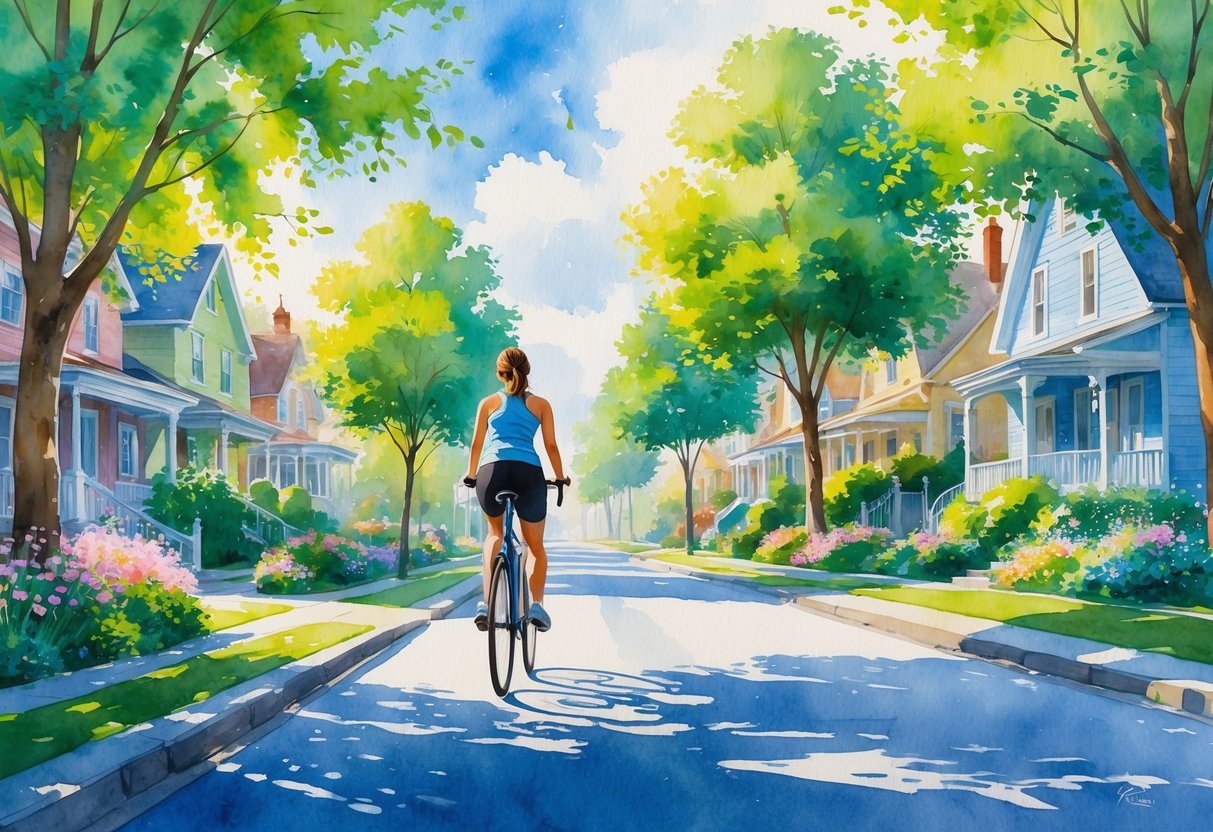
Cycling is an excellent way to get in shape without going to the gym. You can ride your bike around your neighborhood, on local trails, or to nearby parks.
This allows you to enjoy the outdoors while getting a good workout. Bike riding is gentle on your knees and joints.
It puts less stress on your body than running or jumping activities. This makes it a good choice if you want something low impact but still effective.
Pedaling a bike helps you build leg muscles and improve your endurance. As you ride, you use your quadriceps, hamstrings, and calves.
Over time, you may find you can ride longer or go farther without as much effort. Cycling is also good for your heart.
It can raise your heart rate for long periods, which helps strengthen your cardiovascular system. Regular bike rides are linked to better heart health.
You can choose the pace and distance that works best for you. Some people like a slow cruise, while others go for a quick workout.
Both styles provide health benefits and help you burn calories. One of the nice things about cycling is the change of scenery.
You can explore new streets, neighborhoods, or even the countryside. This keeps the activity interesting and can make you look forward to your next ride.
Cycling can be done alone or with friends and family. Group rides can be social and add motivation.
If you commute by bike, you can even use your ride as part of your daily exercise. If you don’t have a bike, many cities now offer rental programs or bike share options.
You don’t need expensive gear to get started—just a safe bike and a helmet. Riding your bike is a flexible, enjoyable, and effective way to stay fit right in your own neighborhood.
5) Swimming at a community pool

Swimming is a full-body workout that strengthens your muscles while being gentle on your joints. This makes it a good hobby if you want to get fit without a high risk of injury.
The resistance from the water helps you build muscle and burn calories. You can swim laps, join classes, or simply enjoy open swim time.
Many people find swimming relaxing and refreshing, especially during hot weather. It can also improve your heart and lung health.
A community pool is usually easy to access and often has both shallow and deep areas. You can go at your own pace, making it easy to fit into your routine.
Some pools offer fun swimming pool games, so you can make exercise feel more like play if you prefer a social or playful angle. For ideas, check out swimming pool games that double as a workout.
Swimming is suitable for people of many ages and fitness levels. Even if you are new to it, you can start with shorter sessions and slowly build up.
Swimming works almost every muscle group, and as you move through the water, you improve your strength and tone. It is also a way to boost your cardiovascular fitness and support healthy weight management.
Making swimming a hobby can be fun and rewarding. You can go alone or with friends, and it is a good way to add variety to your fitness options.
Plus, a community pool is a place where you can meet new people with similar interests.
6) Gardening and yard work
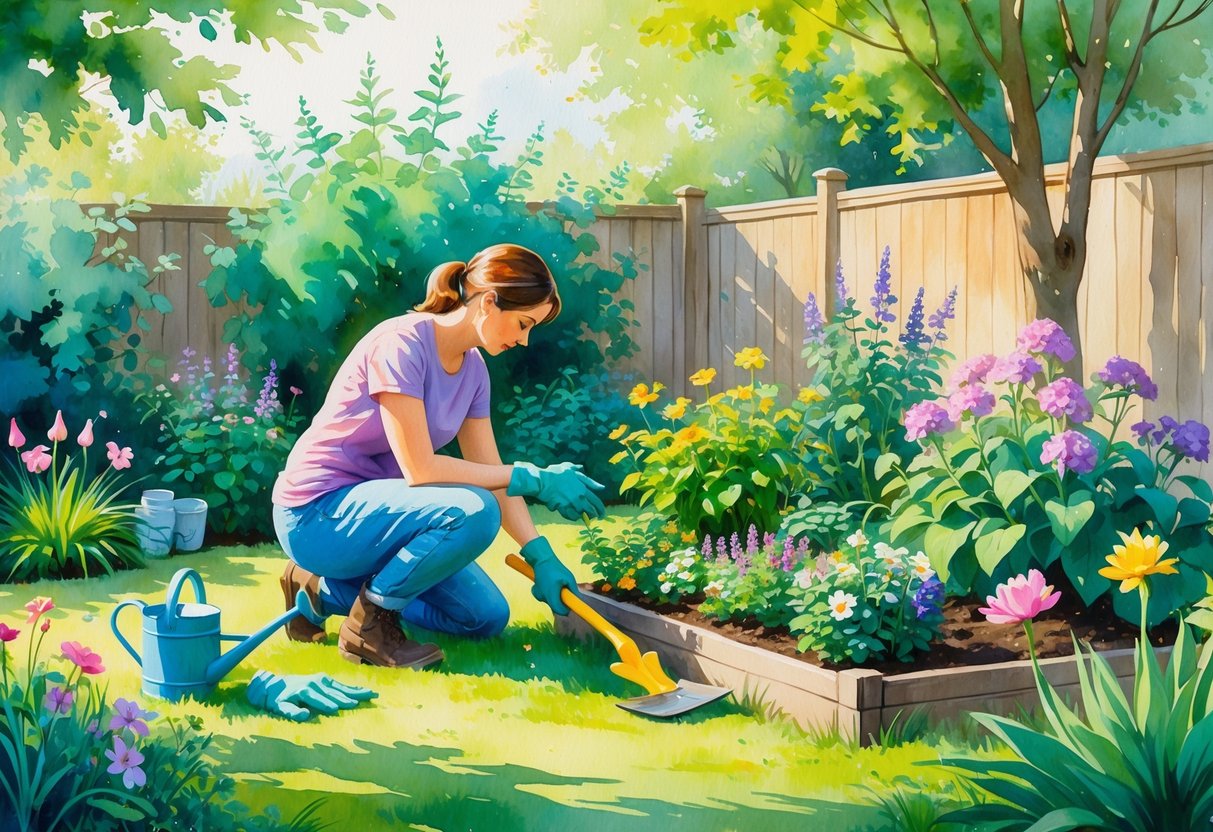
Gardening and yard work can help you stay active without stepping into a gym. Simple tasks like digging, planting, weeding, and raking use different muscles in your arms, legs, and back.
You burn calories with regular movement, especially when you mow the lawn or carry soil bags. The Centers for Disease Control and Prevention says 30 to 45 minutes of gardening can help you burn around 150 calories.
Pulling weeds and trimming bushes make you bend, squat, and stretch, which can improve flexibility. These motions also build strength in your hands, wrists, and core.
Spending time outdoors has extra benefits. The fresh air and sunlight may lift your mood and reduce stress.
You get some gentle exposure to vitamin D from the sun, which is important for your bones. Even if you don’t have a big garden, small tasks like caring for potted plants or using raised beds count as great activity.
You can turn everyday chores in the yard into a way to get active and stay in shape. Gardening is also a versatile option because you can adjust the work to match your fitness level.
If you want a little challenge, try digging or moving rocks. If you need a lighter day, focus on watering plants or picking vegetables.
It’s not just physical, either. Gardening can keep your mind busy by teaching you about plants and the seasons.
Many people find it satisfying to see their hard work pay off as flowers bloom or vegetables grow. If you want to combine fitness with a useful hobby, gardening and yard work are smart choices.
This hobby gives you both exercise and fresh produce from your own yard. Read more about the benefits of staying fit with gardening at LifeBerrys and Art of Healthy Living.
7) Yoga or Pilates at home
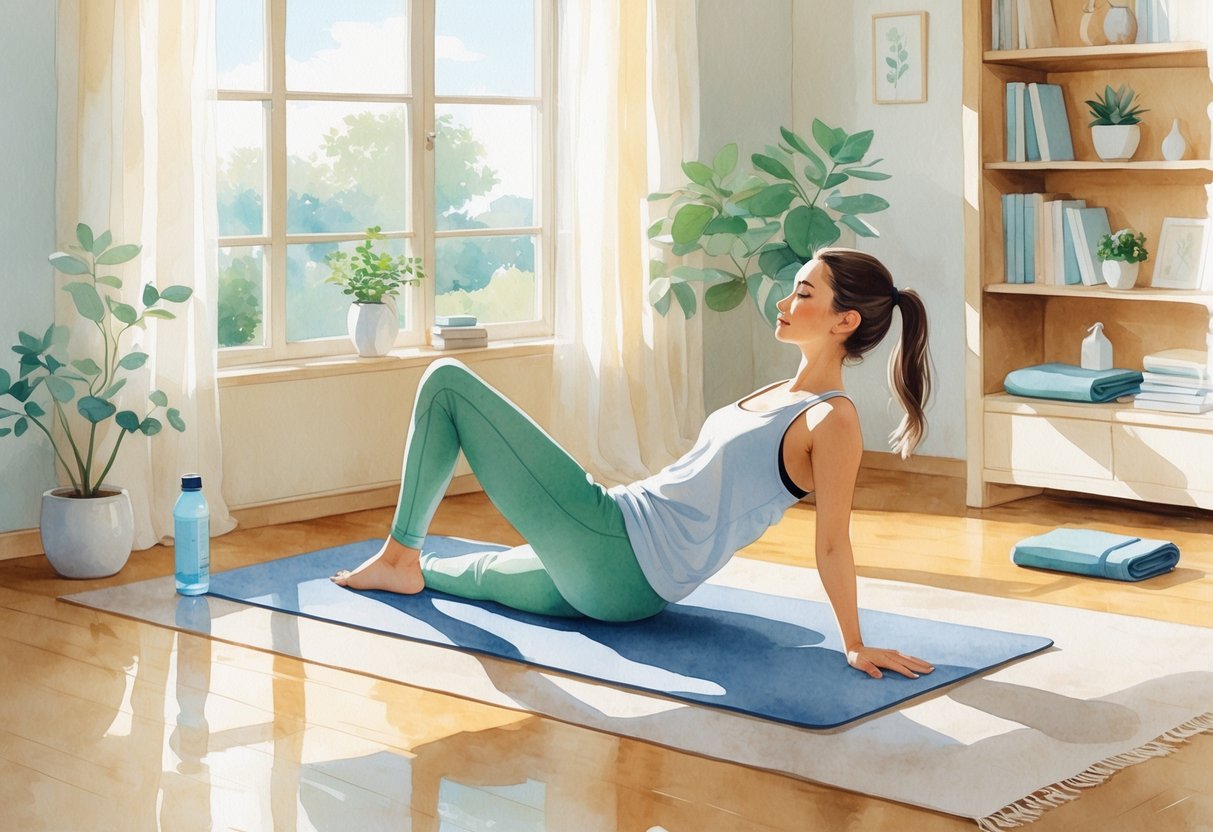
Yoga and Pilates are two activities you can easily do at home. You do not need much equipment to start—just a yoga mat or even a soft floor will work.
Both focus on gentle movements and control, which can help you improve strength and flexibility. You can find many online videos and tutorials for all skill levels.
Guided classes cover basic poses and routines, so you can follow along even if you are a beginner. Practicing on your own schedule makes it convenient when you have a busy day.
Yoga helps build lean muscle and stretch out tight areas. It is good for your balance and can also calm your mind.
Many people use yoga to help with stress or tension. Pilates targets your core, including your stomach and back muscles.
These exercises focus on slow, repeated movements. Pilates can improve your posture and help you feel stronger in daily life.
You can mix and match different routines to keep things interesting. For example, some days you might do a longer stretching session, while other days you focus on short strength exercises.
Over time, you may notice you have more energy and it gets easier to move. If you want to get started, look for beginner classes online or apps that offer step-by-step guidance.
You do not have to be flexible or already fit to try Yoga or Pilates. These activities are popular ways to stay active without leaving home, and you might find them enjoyable and low-pressure.
They also fit well into daily life because you can practice for just ten minutes at a time. Learn more about at-home routines and other ways to stay active without a gym.
8) Jump rope workouts
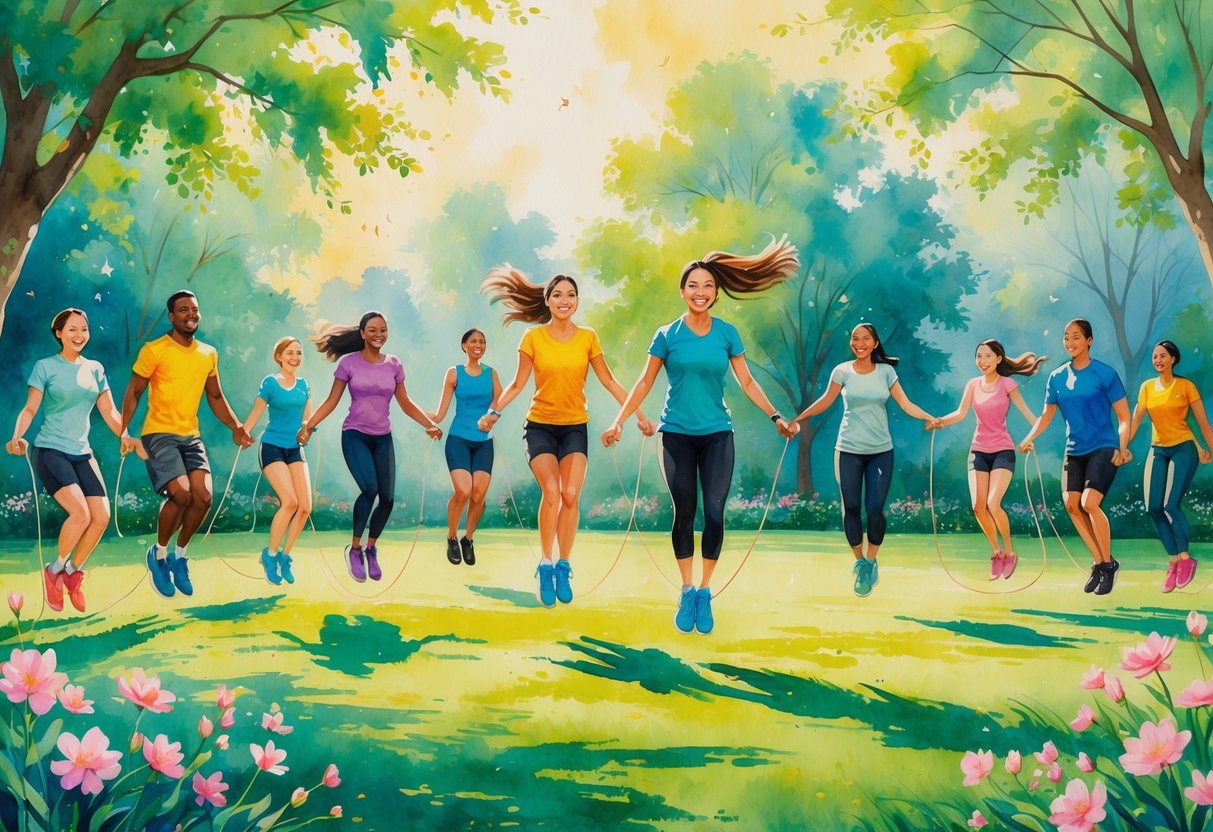
Jump rope workouts are a simple and effective way to get active. All you need is a jump rope and a little space.
These workouts use your whole body, which lets you burn calories and improve your fitness at the same time. You can start at your own pace.
Begin with basic jumps for short bursts, then add new moves as you get better. Even just a few minutes of jumping can raise your heart rate.
Jumping rope builds strength in your legs, arms, and core. It also helps with balance and coordination as you learn new patterns and footwork.
Over time, you’ll notice your muscles getting stronger and your endurance improving. If you want variety, you can follow fun routines designed for beginners or try more advanced moves when you’re ready.
Many people use jump rope intervals for HIIT, which means short periods of intense effort followed by a rest. This makes your workout more challenging and keeps things interesting.
Jump rope is a good choice if you like exercise that feels quick and playful. You might remember it from childhood, but it’s become popular with adults for good reason.
The workouts don’t take much time, but they are very effective for cardio, agility, and building strength. It’s also an affordable way to stay fit.
You can jump rope almost anywhere—your backyard, a garage, or even your living room. There’s no need for a gym membership or expensive equipment.
With regular practice, you’ll see real progress. Jump rope is a practical hobby that gets your body moving and helps you stay in shape all year round.
9) Outdoor rock climbing

Outdoor rock climbing combines exercise and adventure. You use your whole body to climb natural rock walls.
Every move builds strength, balance, and coordination. You do not need a gym for this hobby.
Climbing takes you outside to parks, mountains, or boulders. Fresh air and natural settings can make workouts feel less repetitive.
Climbing is good for your arms, legs, and core. You lift your body weight up the rocks with each pull.
Your grip and fingers get stronger each time you climb. This activity also works your mind.
You solve problems as you look for your next handhold or foothold. Planning your path up the wall keeps you thinking and focused.
Being outside adds another level of challenge. Weather, rock types, and changing routes keep every experience new.
It is never the same climb twice. Rock climbing helps you burn calories at rates similar to high-intensity workouts.
You get a mix of both muscle building and cardio benefits. You can start with guided trips or local climbing groups.
Beginners should learn safety and the basics first. Helmets, harnesses, and good shoes are important for protection.
With practice, you will climb tougher routes and gain confidence. There is always something new to learn in climbing.
As you improve, you will notice better fitness and more endurance. Rock climbing can be a rewarding way to build strength and spend time outdoors.
10) Kayaking on a nearby lake

Kayaking is a great way to use your muscles and build endurance without setting foot in a gym. As you paddle, your arms, shoulders, and core all get a steady workout.
When you kayak on a lake, the water is usually calm. This makes it a good choice for both beginners and those wanting a safer environment.
You can take it slow or pick up the pace as your skills grow. Lakes often offer beautiful views.
You may spot birds, fish, or other wildlife as you glide across the water. The steady motion of paddling also helps with your balance and coordination.
Kayaking can be done alone or with friends. It’s easy to switch things up by renting a tandem kayak or joining a group paddle.
Spending a few hours on the water can be both social and relaxing. If you’re looking to lose weight or build strength, regular kayaking sessions make a difference.
Paddling even at a moderate pace burns calories and works several muscle groups at once. Relaxation is another benefit.
Being outside and surrounded by nature can help lower your stress. Fresh air, gentle waves, and quiet time away from screens all work together to clear your mind.
Many local parks or private businesses rent kayaks by the hour, so you don’t need to buy your own right away. Guided tours are also available if you want extra help getting started or would enjoy exploring new places.
A guided kayak tour can also teach you about local wildlife and safe paddling techniques. Kayaking on a nearby lake is a flexible way to improve your fitness, see new sights, and spend meaningful time outdoors.
Key Benefits of Active Hobbies
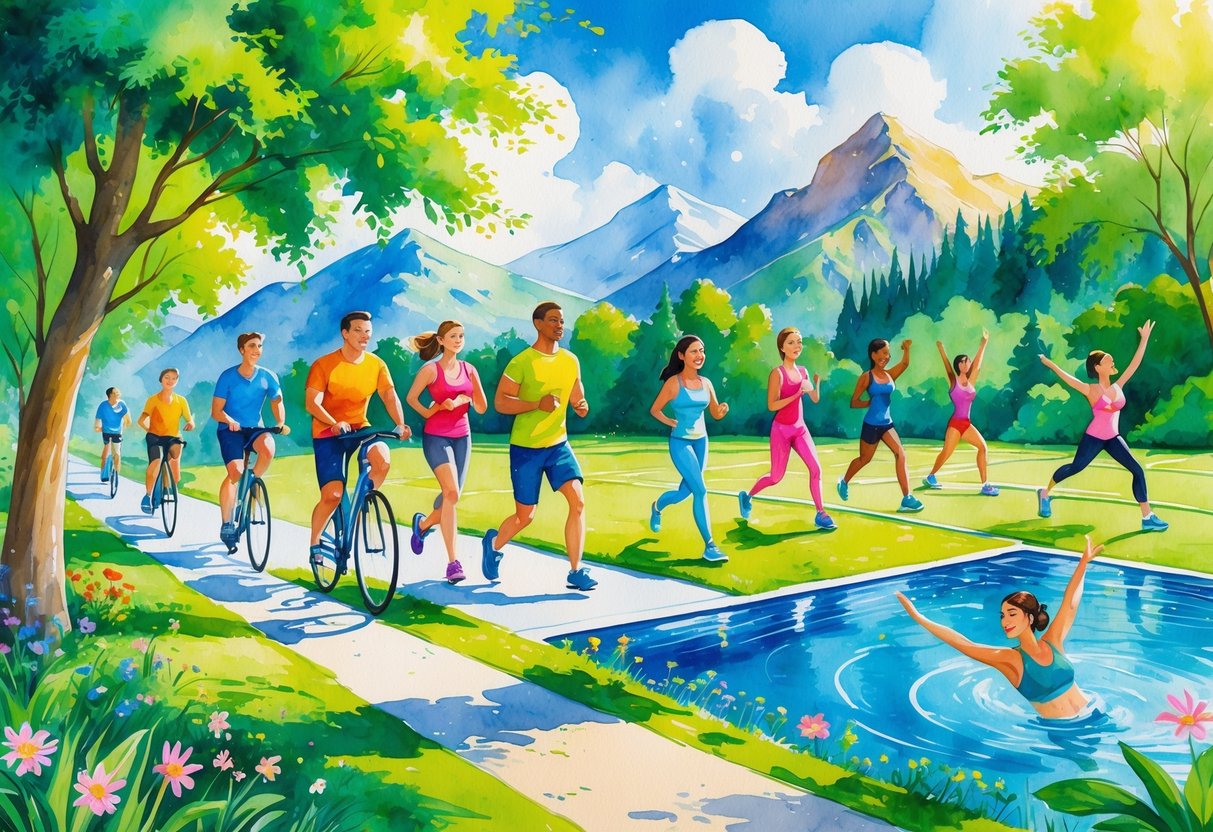
When you choose an active hobby, you do more than just move your body. You also make it easier to stay motivated and support your physical and mental well-being in lasting ways.
Sustaining Long-Term Motivation
It can be easier to stick with an activity when it feels fun or engaging. Active hobbies like dancing, hiking, or group sports offer variety, social interaction, and new skills that help you avoid boredom.
You might also find it less stressful compared to a strict workout schedule. This makes it more likely you will stay committed over time since you’re doing something you enjoy.
You don’t have to force yourself—enjoyment leads to habit. A few ways that active hobbies keep motivation high include:
- Mixing up routines through different activities
- Giving you clear and reachable goals
- Helping you meet new people for extra encouragement
- Creating a sense of progress and achievement
Choosing the right activity can help you build fitness without feeling pressured or overwhelmed. For more ideas about how hobbies can keep you motivated, check out this list of active hobbies and their benefits.
Improving Physical and Mental Health
Active hobbies can boost your cardiovascular health, muscle strength, and flexibility. Many activities like yoga or cycling help you control your weight while improving posture and balance.
You also get mental health benefits. Physical activity triggers chemicals in your brain that make you feel happier and more relaxed.
Activities such as walking, swimming, and even yard work can lower stress and help you cope with daily challenges. Other benefits include:
- Better sleep quality
- Lower risk of chronic disease
- Improved mood and self-confidence
Finding the right active hobby gives you a simple way to care for your body and mind at the same time. Active hobbies can play a key role in your overall well-being and fulfillment.
Essential Safety Tips for Beginners
Staying safe while starting a new physical hobby helps you learn, grow, and avoid injury. Focusing on your gear and paying attention to your body’s signals will make each activity more enjoyable and keep your progress steady.
Choosing the Right Equipment
Wearing the right gear protects you and increases comfort. For running or hiking, choose shoes with good support and cushioning.
Biking requires a helmet, gloves, and possibly knee or elbow pads. For swimming, goggles and a fitted swimsuit improve both safety and performance.
Avoid using equipment that looks worn out or broken. Damaged shoes can cause foot pain or blisters.
A cracked helmet may not protect you during a fall. Make sure bikes, skates, or other gear are adjusted to your size.
If you’re unsure what to buy, speak to an expert at a sporting goods store or search for beginner guides online. Take the time to read directions or watch videos on using your gear before you begin.
Regularly cleaning and maintaining your equipment keeps it in safe condition. Replace items when they show signs of damage.
Listening to Your Body
Starting a new activity puts different stress on your body. If you feel pain, dizziness, or severe discomfort, you should stop and take a break.
Pushing through pain can lead to injuries that take a long time to heal. Watch for early warning signs like tired muscles or swelling.
Apply ice, rest, and don’t ignore mild discomfort. Gradually increase intensity instead of pushing yourself too hard right away.
Your muscles and joints need time to get stronger. Try to warm up before starting and cool down afterward.
A short walk, gentle stretch, or slow jog loosens up your muscles and lowers your risk of injury. Harvard Health suggests warming up for five to ten minutes for safe exercise.
If you get hurt or symptoms get worse, talk to a doctor before returning to your hobby.
Frequently Asked Questions
Many hobbies give you a fun way to move your body and improve your health. There is something for everyone, whether you enjoy quiet time alone or want to join a group activity.
What are some creative hobbies that can help improve physical fitness?
Trying new forms of dance, like hip-hop or salsa, can boost your coordination while letting you express yourself. Martial arts or boxing sharpen your focus and work your entire body at the same time.
Urban exploration or scavenger hunts also encourage you to walk and discover new places, turning activity into an adventure.
Can you suggest hobbies that are suitable for adults looking to stay active?
Cycling in your neighborhood is an easy way to fit exercise into a busy schedule. Recreational sports leagues, like soccer or basketball, give you a chance to make friends while staying fit.
Many adults choose swimming at a community pool for a low-impact full-body workout.
What are some physical activities that can be easily done at home?
Dance workouts, yoga, and bodyweight exercises take up little space and require no special equipment. Practicing jump rope or using resistance bands are also simple ways to work out at home.
Indoor hobbies like these help you stay active if you can’t go outside.
Which hobbies can help women specifically in maintaining an active lifestyle?
Dance classes are popular with many women, as they mix fun music with movement. Swimming is easy on the joints, making it suitable for all fitness levels.
Yoga and Pilates build strength and flexibility and are often recommended as long-term hobbies for women who want to stay active.
What are some unique and enjoyable exercises that go beyond traditional workouts?
Try boxing, which uses both your arms and legs in a fast-paced way. Martial arts such as karate teach discipline and self-defense while keeping you moving.
If you like being outdoors, hiking local trails lets you enjoy nature as you get fit.
Could you recommend some solitary hobbies that contribute to physical health?
Cycling alone gives you quiet time and lets you set your own pace.
Walking or running on your own helps clear your mind while working your muscles.
Swimming laps or following online workout videos at home are also excellent ways to stay active by yourself.