10 Best Hobbies for Landscapers During the Off-Season to Stay Productive and Inspired
The landscaping season doesn’t last forever. When cold weather arrives, many landscapers find themselves with extra time on their hands.
The off-season can feel slow, but it also offers a chance to explore new activities that keep you active and engaged. Some hobbies can even help you develop skills that benefit your landscaping business when spring returns.
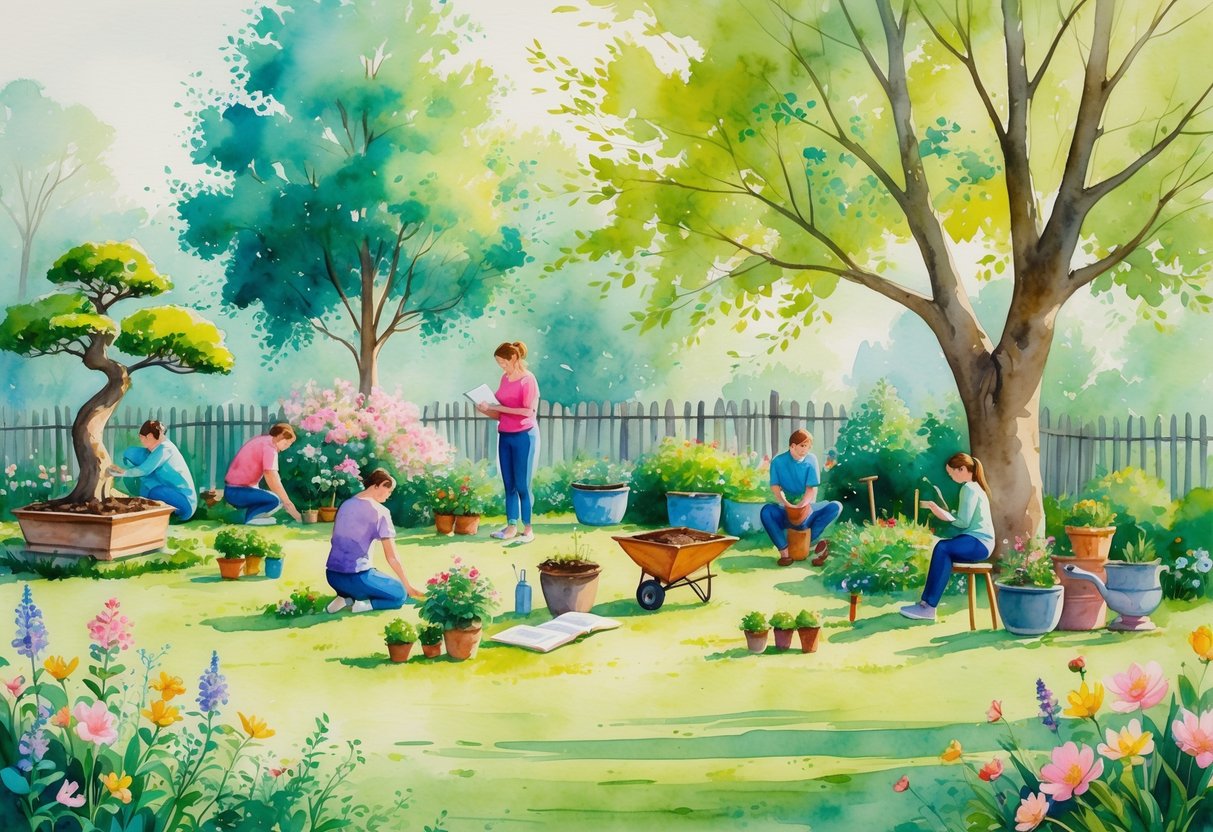
Whether you prefer outdoor activities or indoor projects, there are plenty of options that match your existing skills and interests. The best hobbies for landscapers often connect to the work you already do.
These hobbies let you stay close to nature and hands-on projects even when the ground is frozen.
10) Christmas Wreath Making
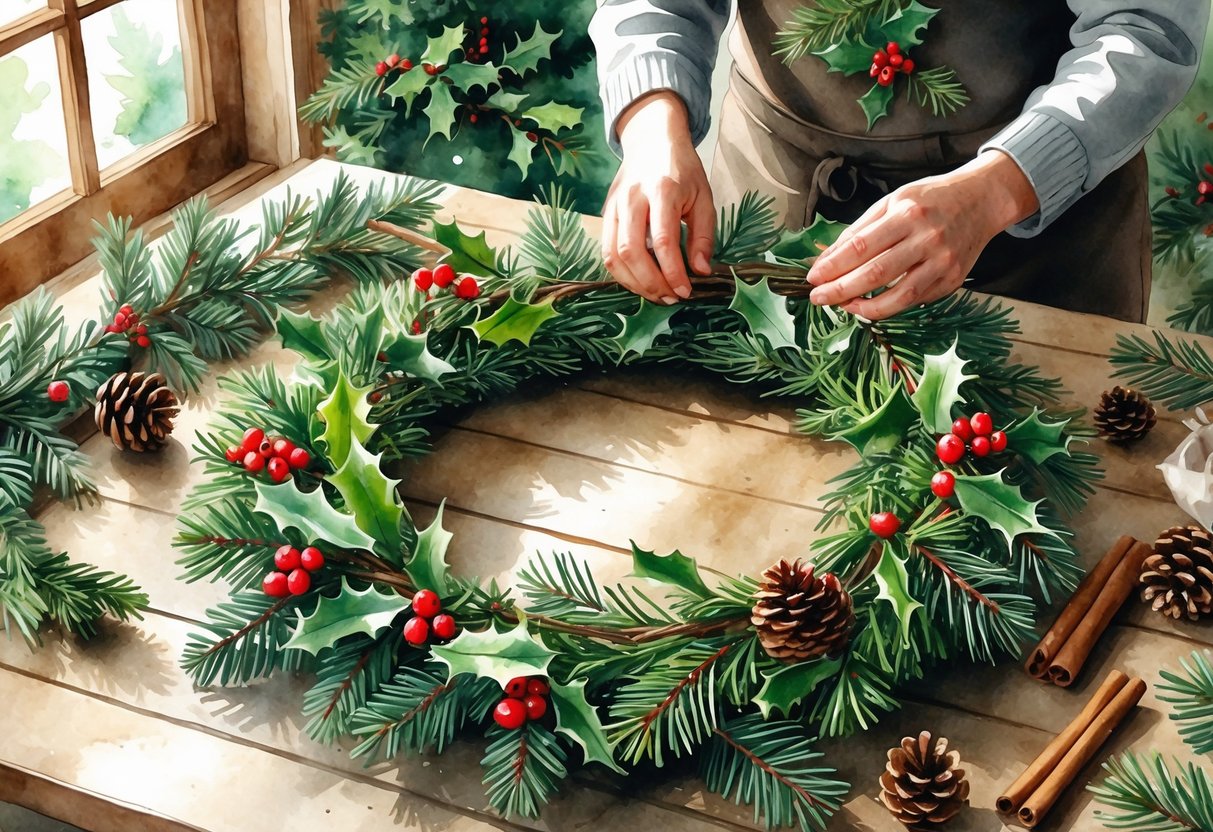
Christmas wreath making offers landscapers a perfect way to use their plant knowledge during winter months. You already understand how different greenery works together, which gives you a head start in creating beautiful wreaths.
You can gather materials from your own yard or local areas. Pine branches, holly, cedar, and fir all make excellent wreath bases.
Your experience with plants helps you choose materials that will last throughout the holiday season. The process is straightforward and doesn’t require expensive tools.
You need a wire frame, floral wire, and your chosen greenery. Many landscapers find the hands-on work similar to their regular tasks, just on a smaller scale.
This hobby can turn into extra income if you choose. Handmade wreaths sell well at local markets and craft fairs.
Your professional background gives customers confidence in the quality of your work. Wreath making keeps your creative skills sharp during the off-season.
You can experiment with different plant combinations and decorative elements. Each wreath becomes a small design project that challenges you to think about color, texture, and balance.
Understanding how plants look together in wreaths helps you plan better garden designs. You also learn which evergreens hold up best in different conditions, knowledge that applies to landscape planning year-round.
9) Firewood Splitting and Stacking
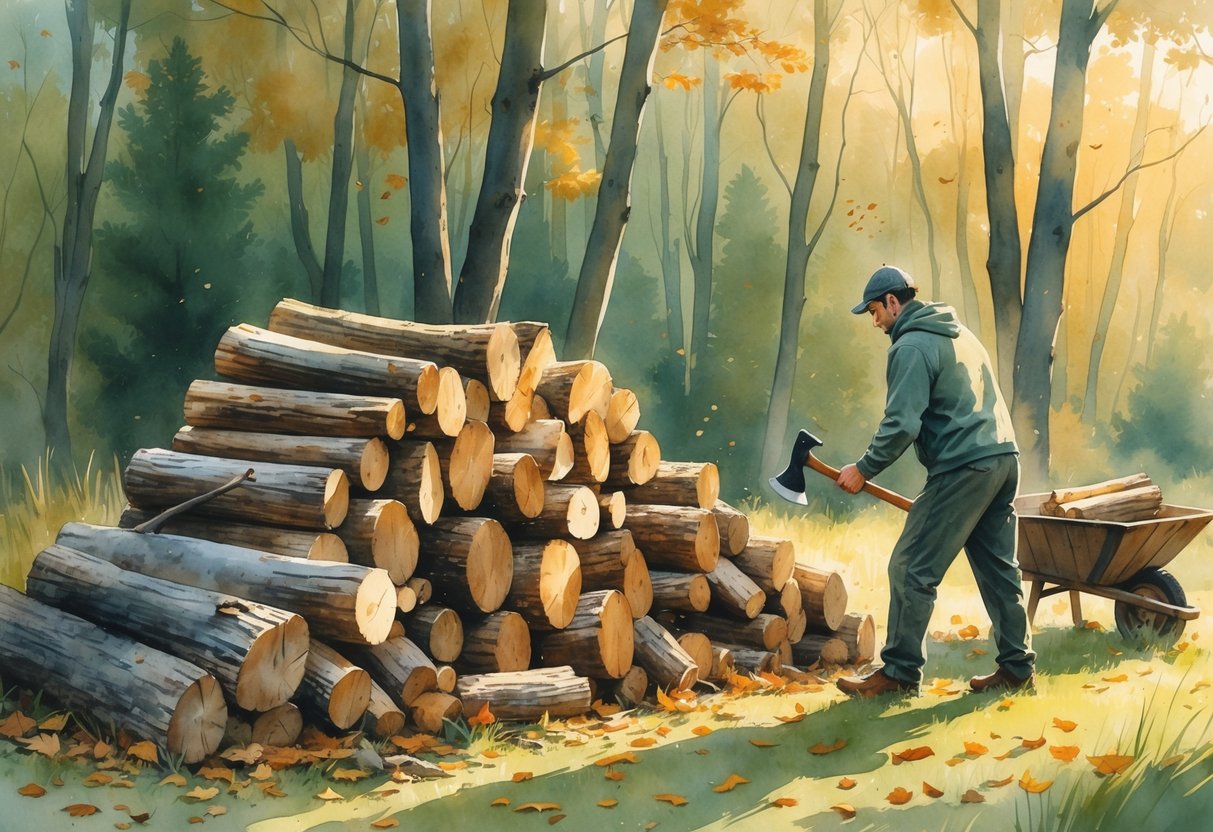
Firewood splitting and stacking offers landscapers a practical hobby that builds on skills you already use during the busy season. You’ll develop strength and rhythm as you work with wood.
The physical work keeps you active without the pressure of client deadlines. Start by selecting hardwood logs like oak, hickory, or ash.
These woods burn longer and hotter than softer options like poplar or aspen. You’ll need basic equipment including an axe or maul, safety glasses, and work gloves.
The splitting process teaches you to read wood grain and find natural weak points. Each log presents a unique challenge based on its size, moisture content, and grain pattern.
Stacking requires attention to airflow and stability. Elevate your wood off the ground to prevent moisture damage.
Leave space between pieces so air can circulate and help the wood season properly. This drying process can take up to a year.
You can explore different stacking patterns from traditional rows to circular designs. Some methods combine function with visual appeal for your yard or outdoor space.
The organized result gives you a sense of accomplishment you can see every day. This hobby also provides a renewable heating source that can reduce your energy costs.
You’ll build a useful stockpile while staying connected to working with natural materials during slower months.
8) Winter Photography
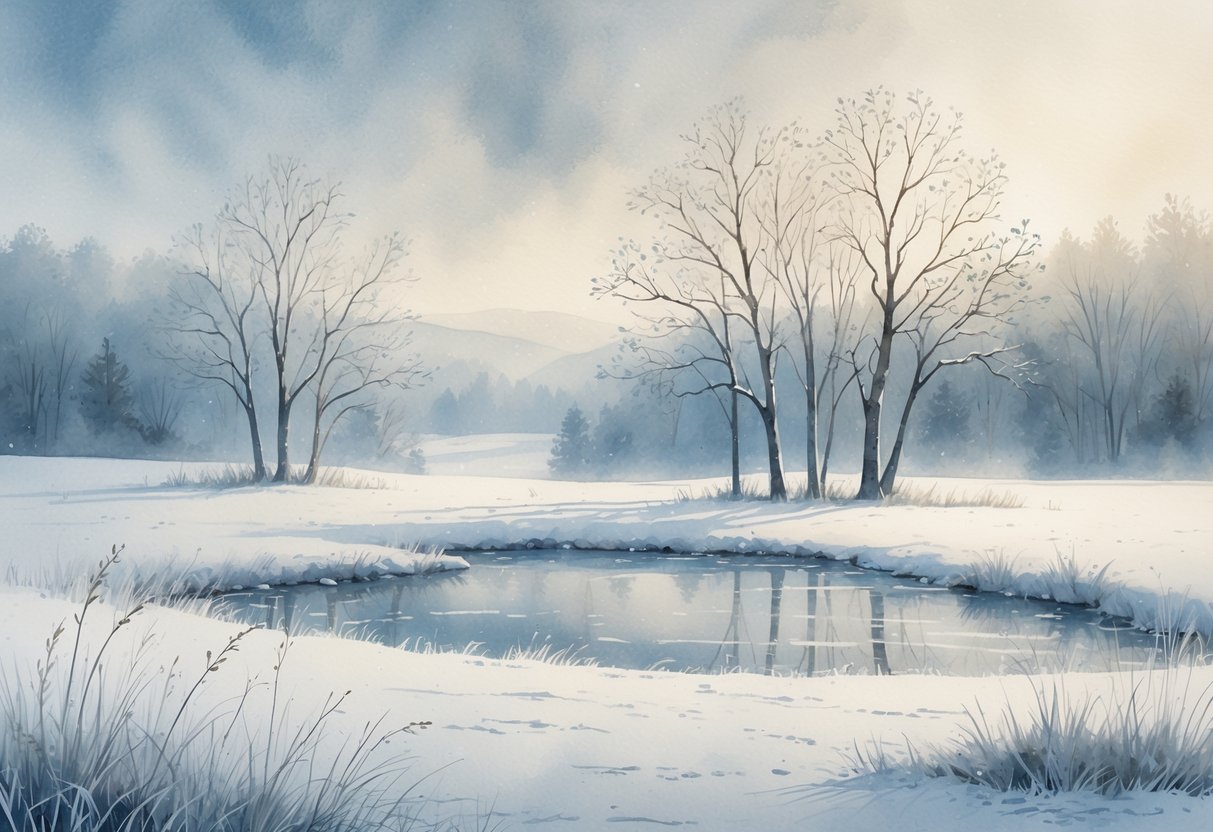
Winter transforms ordinary landscapes into stunning visual opportunities. As a landscaper, you already have a trained eye for outdoor composition and natural beauty.
Photography lets you use those skills in a different way during the slower months. The off-season gives you time to capture the seasonal changes you work with all year.
Snow-covered gardens, frost patterns, and winter light create unique subjects. You can photograph the properties you maintain throughout the year to show clients how they look in every season.
Getting started requires minimal investment. A basic camera or even a smartphone works well for learning.
You can practice in the same outdoor spaces where you normally work. This makes it easy to fit into your schedule.
Taking quality photos of your completed projects improves your marketing materials. You can use these images on your website and social media to attract new clients.
You need to understand basic lighting and composition. Winter conditions like snow and fog create natural drama in photos without complex equipment.
This hobby keeps you connected to the outdoors during cold months. Many landscapers find that observing landscapes through a camera lens gives them fresh ideas for their design work when spring arrives.
7) Leaf Raking and Composting
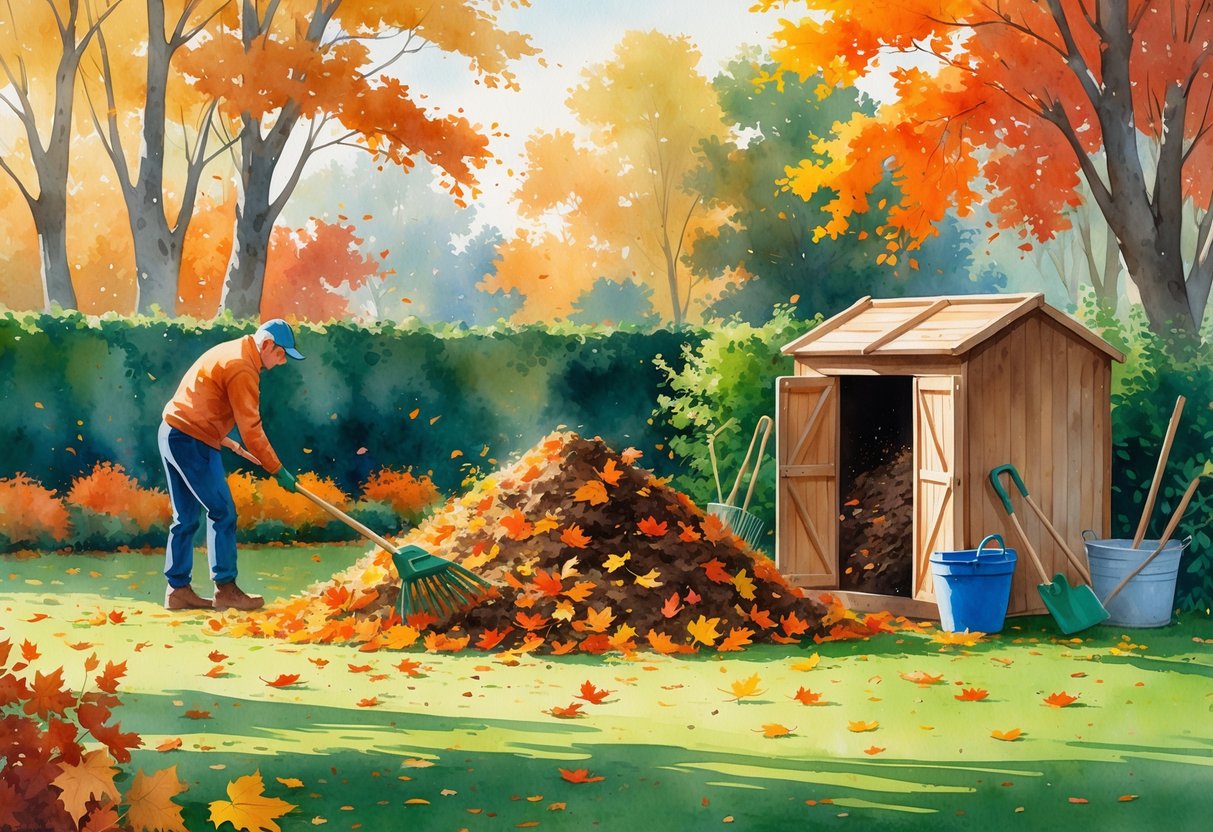
The off-season gives you time to perfect your leaf management skills. You can experiment with different raking methods and learn to turn yard waste into valuable compost.
Start by practicing efficient raking techniques on dry days. A quality leaf rake with broad tines makes the job easier and faster.
You can also try different collection methods like leaf tongs or standing bags to find what works best for you. Composting fall leaves teaches you soil enrichment skills that benefit your landscaping business.
Shred leaves with a mulcher or mower before adding them to your compost pile. This speeds up decomposition and creates better results.
Layer your shredded leaves with grass clippings and other materials. The leaves provide carbon that balances out nitrogen-rich materials.
Turn your pile regularly to help everything break down properly. You can also practice making leaf mulch for garden beds.
Shredded leaves protect plant roots and add nutrients back into the soil as they decompose. This natural approach reduces the need for store-bought products.
Learning proper leaf composting during the off-season makes you more valuable to clients. You can offer composting services or advice about natural yard care methods.
Many homeowners want eco-friendly options for their properties. This hobby costs very little to start.
You likely already own basic raking tools. The skills you develop will help you provide better service when busy season returns.
6) Gutter Cleaning
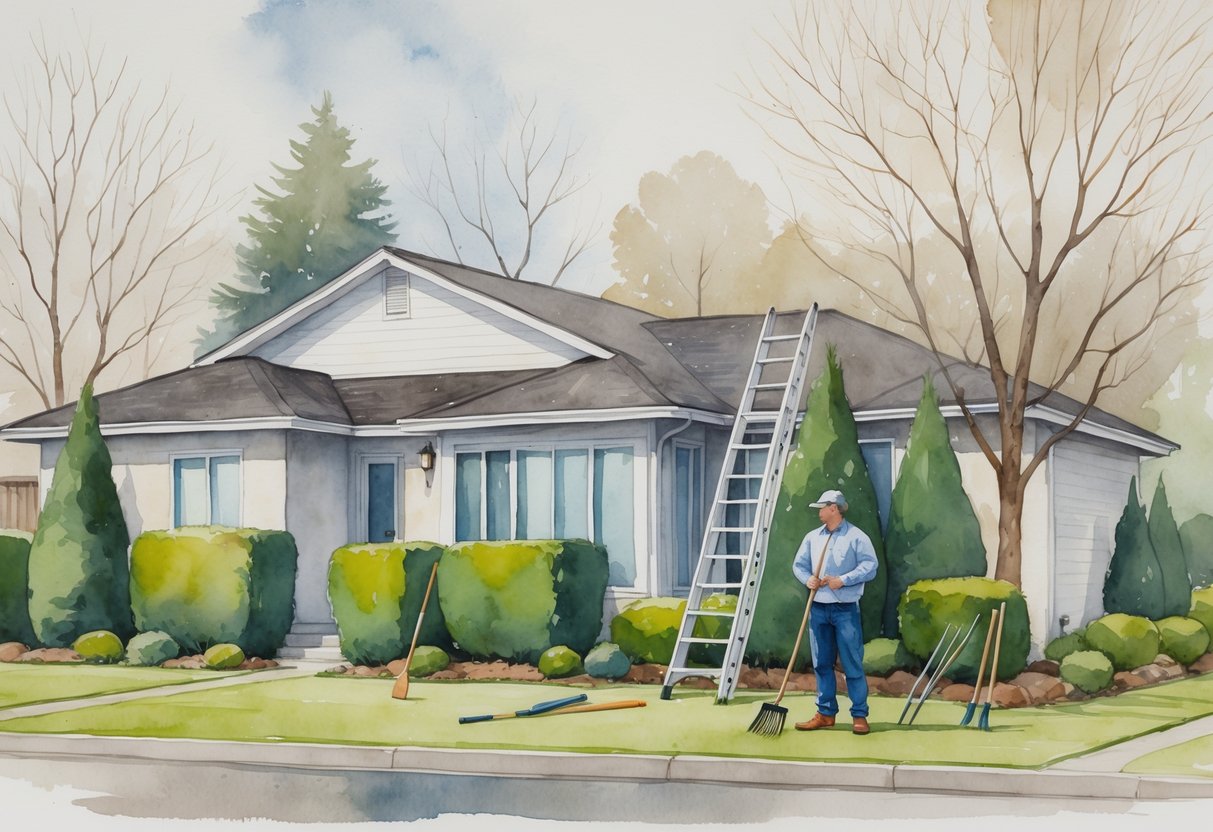
Gutter cleaning can be a natural extension of your landscaping skills during the off-season. Many homeowners need this service after leaves fall from trees in autumn and early winter.
You already have the basic tools and knowledge to do this work well. This service helps you stay active and earn money when regular landscaping work slows down.
Gutters need regular maintenance to prevent water damage and ice dams during winter months. Most property owners prefer hiring someone they trust rather than climbing ladders themselves.
You can offer gutter cleaning as a standalone service or combine it with other winter tasks. The work is labor-intensive, which means homeowners often look for professionals to handle it.
Your experience working outdoors and understanding property maintenance makes you well-suited for this job. The timing works perfectly for landscapers.
Late fall and early winter are prime seasons for gutter cleaning when landscaping work decreases. You can schedule these jobs between other off-season services.
Consider adding pressure washing to your gutter cleaning service. This combination lets you offer more value to customers.
You can clean gutters and wash away dirt and debris from the outside of homes at the same time. Gutter cleaning keeps your skills sharp and your income steady during slower months.
It requires physical work and attention to detail, both qualities you already use in landscaping. This hobby can easily turn into a reliable source of winter income.
5) Pressure Washing Services
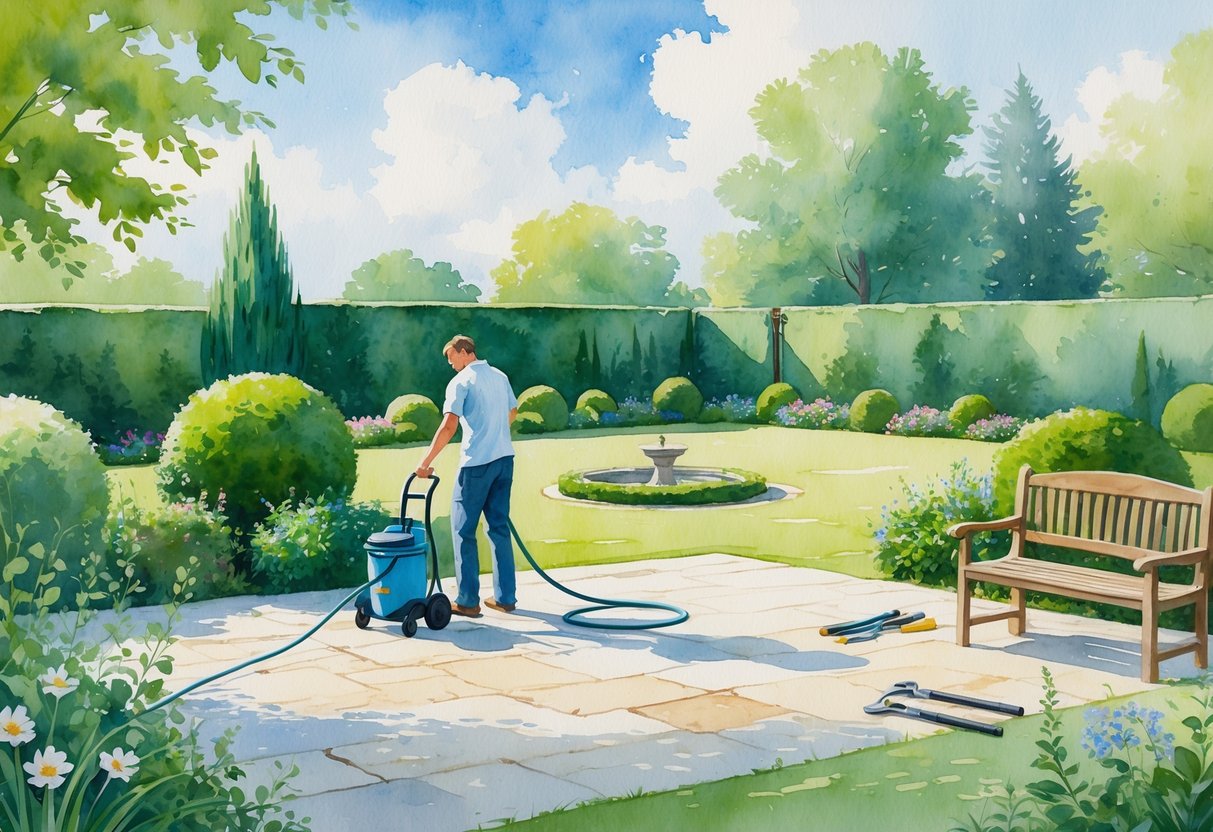
Pressure washing offers landscapers a practical way to earn income during the off-season. This service stays in demand throughout fall and winter when customers need help maintaining their properties.
You can pressure wash driveways, patios, decks, sidewalks, and home exteriors. These surfaces collect dirt, grime, and mildew that homeowners want removed before winter sets in or after the season ends.
The equipment required is affordable and portable, making it easy to add to your existing tool collection. Many of your landscaping customers already trust your work.
They will likely hire you for pressure washing services too. This means you can keep working with your established client base instead of searching for new customers.
The job works well in cold weather as long as temperatures stay above freezing. You need to be careful about ice formation, but you can often find suitable working days throughout the off-season.
Pressure washing pairs naturally with other winter services. You can combine it with gutter cleaning, deck repairs, or general property maintenance.
Offering bundled services helps you earn more per job. Starting a pressure washing service requires minimal training.
You need to learn proper techniques, understand different surface types, and know which cleaning solutions to use. Most landscapers pick up these skills quickly.
The business generates steady revenue during months when traditional landscaping work slows down. You can advertise these services to fill your schedule and keep your income flowing year-round.
4) Woodworking Projects
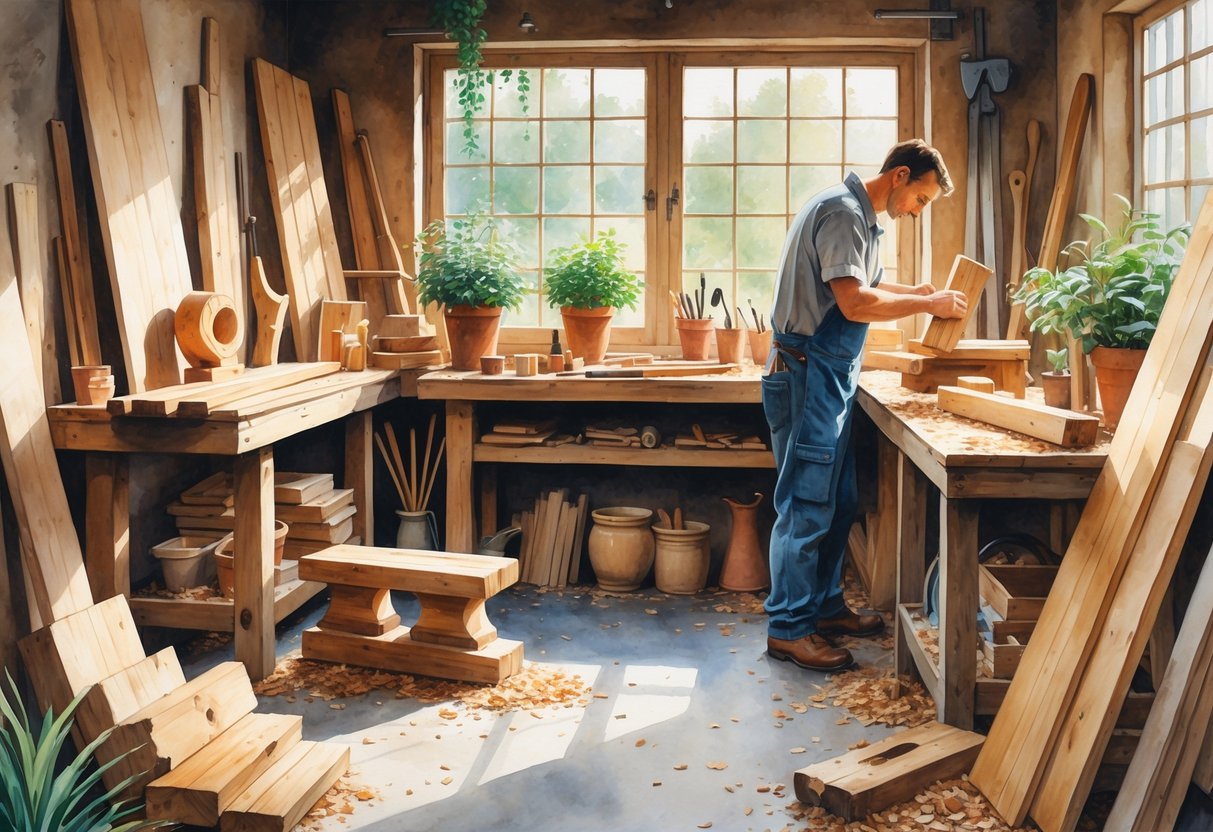
Woodworking gives you a productive way to spend your downtime while creating useful items for your business or home. You can build outdoor furniture, planters, and storage solutions that you’ll use when landscaping season returns.
Start with beginner-friendly projects like simple benches, birdhouses, or planter boxes. These require only basic tools and skills, making them perfect if you’re new to woodworking.
You’ll need a saw, hammer, chisels, and clamps to get started. Outdoor projects work well because you already understand how items need to withstand weather conditions.
Build privacy screens, storage sheds, or garden trellises that clients might want to purchase. Your landscaping knowledge helps you design pieces that fit naturally into outdoor spaces.
The skills you develop transfer directly to your landscaping work. You’ll be able to construct custom elements for clients, from pergolas to raised garden beds.
This adds value to your services and gives you a competitive edge. Choose weather-resistant woods for outdoor projects to ensure they last.
Consider the functionality of each piece before you start building. You can work in a garage or workshop during cold months, keeping your hands busy and your skills sharp.
Woodworking also opens up a potential side income stream. Many people look for custom outdoor furniture and garden structures.
Your combined expertise in landscaping and woodworking makes you uniquely qualified to create pieces that look good and function well in outdoor settings.
3) Indoor Bonsai Cultivation
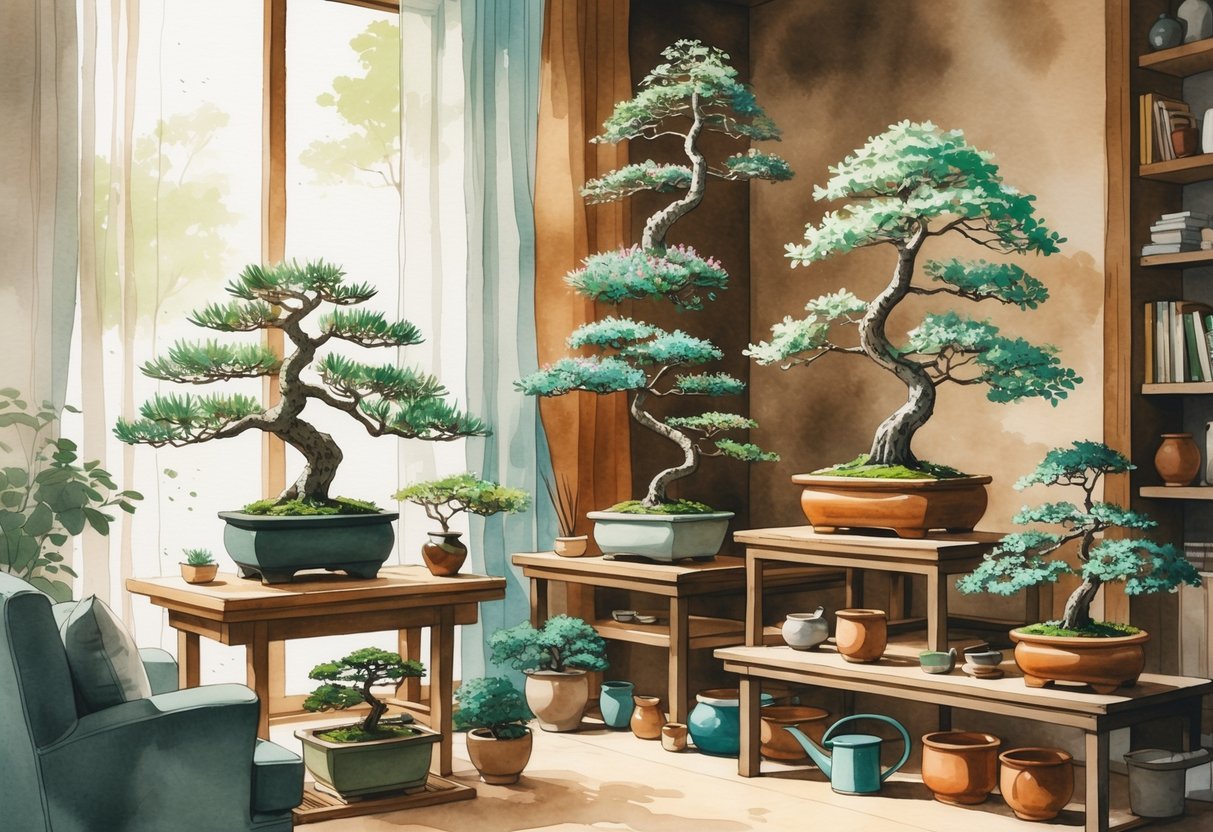
Winter months give you the perfect opportunity to develop a new skill that connects directly to your landscaping expertise. Indoor bonsai cultivation lets you work with living plants year-round while staying warm inside.
Bonsai trees are miniature versions of full-sized trees that you shape and maintain through careful pruning and training. This practice teaches you patience and precision.
You’ll learn about plant growth patterns, root systems, and how different species respond to trimming techniques. For indoor growing, you need to choose tropical or subtropical species.
These trees thrive in stable temperatures and don’t require a cold winter dormancy period. Ficus, jade, and Chinese elm are good starter options that handle indoor conditions well.
Your landscaping background gives you an advantage with bonsai care. You already understand soil drainage, watering schedules, and plant health.
These fundamentals apply directly to bonsai maintenance. Indoor bonsai requires attention to specific conditions.
You need to provide adequate light, either from a bright window or grow lights. Humidity levels matter too, since indoor air tends to be dry during winter.
A beginner tree, basic tools, and proper soil will get you started. Starting bonsai cultivation costs less than many hobbies.
2) Holiday Lights Decoration
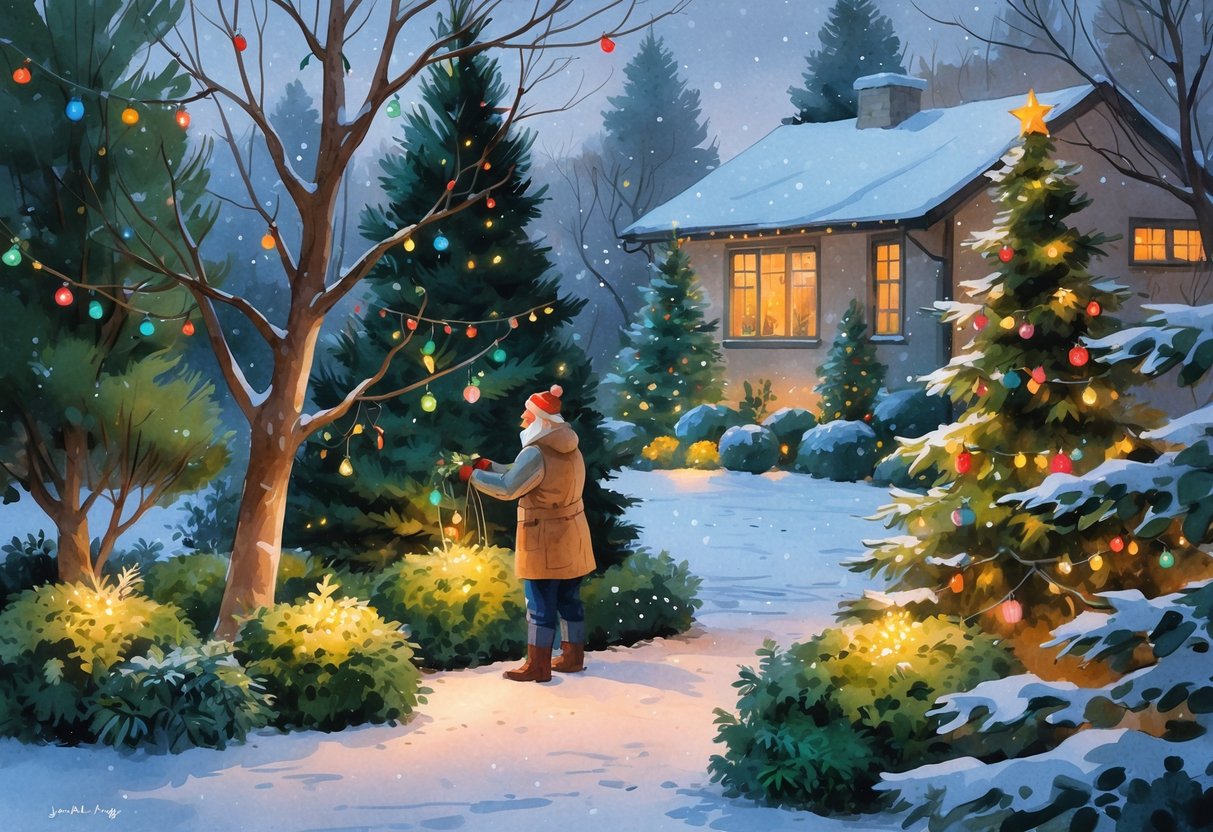
The winter months bring a perfect opportunity to use your landscaping skills for holiday light installation. Many homeowners want professional help creating festive outdoor displays but don’t know where to start.
You already understand outdoor spaces, plant locations, and property layouts. This knowledge makes you naturally good at designing and installing holiday lighting.
You know which trees can support lights and how to work around garden beds safely. Starting a holiday lighting service can bring in steady income during slow months.
November and December are when demand peaks, right when landscaping work drops off. You can offer installation, maintenance, and removal services.
Your existing tools and equipment transfer well to this work. Ladders, outdoor extension cords, and basic hand tools are things you likely own already.
You’ll need to invest in quality outdoor lights and timers, but startup costs stay relatively low. The work involves planning light layouts, installing displays safely, and ensuring everything works properly.
You’ll wrap lights around trees, line rooflines, and create ground displays. Safe installation matters most since you’ll work with electricity and heights.
Many clients hire the same decorator each year, creating repeat business. You build relationships during the holidays that can lead to landscaping work in spring.
Some decorators even offer year-round outdoor lighting services for special events. This hobby lets you stay active outdoors and use your spatial planning skills.
You create something visible that brings joy to entire neighborhoods.
1) Snow Sculpting
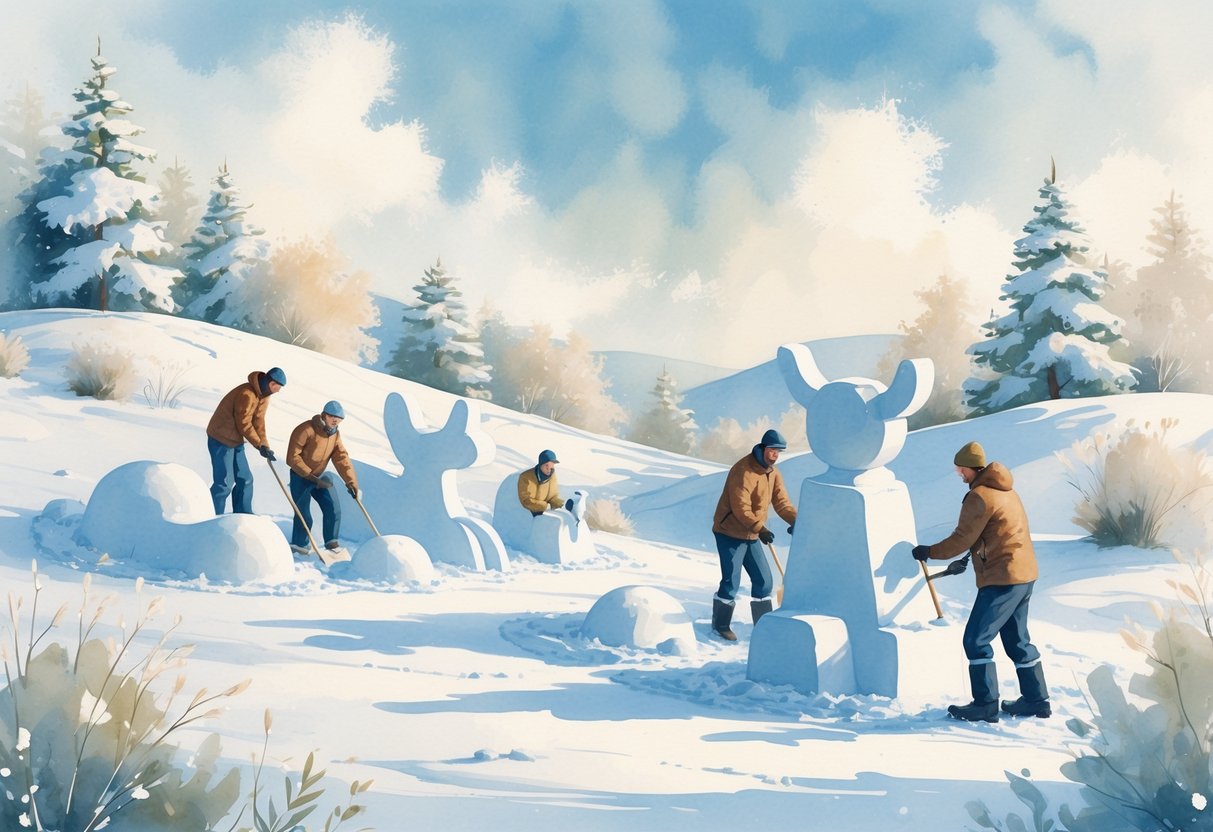
Snow sculpting offers landscapers a creative outlet during winter months when regular work slows down. You can use your design skills and understanding of form to create impressive outdoor art pieces.
This hobby lets you work with your hands in a familiar outdoor setting. The techniques you already know from landscaping translate well to shaping snow.
You’ll find that creating textures, building structures, and planning dimensions come naturally. You don’t need expensive equipment to get started.
Basic tools like shovels, buckets, and spray bottles work fine for beginners. As you improve, you might add specialized carving tools to create more detailed pieces.
Snow sculpting keeps you active during cold months when you might otherwise stay indoors. It’s physical work that maintains your fitness level between landscaping seasons.
You can start with simple designs and progress to more complex sculptures as your skills develop. This winter activity also helps you maintain visibility in your community.
When you create snow sculptures in your yard or for local events, people notice your work. It showcases your artistic abilities and keeps your name in front of potential customers.
You can practice alone or join local snow sculpting competitions. Many communities hold winter festivals that feature snow sculpture contests.
These events give you chances to network with other creative professionals and display your talents to a wider audience.
Benefits of Engaging in Off-Season Hobbies
Off-season hobbies help landscapers maintain their physical fitness and mental sharpness while building valuable skills and relationships that extend beyond their regular work.
Enhancing Professional Skills
Many hobbies directly improve your landscaping abilities. Woodworking teaches you to work with natural materials and understand grain patterns, which translates to better hardscape projects.
Photography helps you see landscapes from different angles and notice details like lighting, shadow patterns, and color combinations that you can apply to garden designs. Learning new software or design programs during downtime keeps your technical skills current.
Digital design tools help you create better proposals and visualizations for clients when spring arrives. Even activities like visiting botanical gardens or studying plant identification expand your knowledge base.
Physical hobbies like rock climbing or hiking strengthen the muscles you use for landscaping work. These activities maintain your stamina and keep your body ready for the demanding physical work of the busy season.
Improving Physical and Mental Wellbeing
Regular hobby engagement reduces stress and prevents burnout from seasonal work patterns. Research shows that people with hobbies report better overall health and fewer depression symptoms than those without hobbies.
Physical activities keep your body in shape during slower work periods. Winter sports, gym workouts, or indoor climbing maintain your strength and endurance.
This preparation means you start the busy season in peak physical condition rather than having to rebuild fitness. Creative hobbies give your mind a break from work-related thinking.
Drawing, painting, or crafting activates different parts of your brain and provides mental refreshment. These activities create a sense of accomplishment outside of your professional identity.
Building Community Connections
Hobby groups connect you with people outside the landscaping industry. These relationships provide fresh perspectives and potential networking opportunities.
You might meet homeowners who need landscaping services or professionals in related fields like architecture or construction. Team-based activities like recreational sports leagues or volunteer groups build social bonds during slower work months.
These connections combat the isolation that can come with seasonal income fluctuations. Joining clubs or classes keeps you socially engaged and motivated.
Regular group meetings create structure during the off-season when your work schedule becomes less predictable. You develop friendships based on shared interests rather than just professional relationships.
Tips for Choosing the Right Off-Season Hobby
The best off-season hobby matches what you enjoy doing and helps your landscaping career at the same time. Finding this balance means looking at your personal likes and thinking about how a hobby might build skills you can use when busy season returns.
Assessing Personal Interests
Start by making a list of activities that actually interest you. Write down things you’ve wanted to try but never had time for during the busy months.
Think about whether you prefer working with your hands, learning on a computer, or spending time with other people. Ask yourself these questions:
- Do you want to stay physically active or rest your body?
- Would you rather work alone or join a group?
- Do you need a hobby that gets you outdoors or keeps you inside?
- How much time can you spend each week?
Your answers will help narrow down your options. If you spend all summer outside, you might want an indoor hobby like woodworking or reading.
If you miss physical activity, a gym routine or winter sport could work better. Be honest about your energy levels during winter months.
Some landscapers feel tired after a long season and need lighter activities. Others feel restless and want something demanding.
Aligning Hobbies with Career Goals
Pick hobbies that can strengthen your landscaping business or expand your skills. Learning CAD software helps you create better landscape designs for clients.
Taking business classes teaches you how to manage money and grow your company. Consider these career-building options:
- Photography – Take better before-and-after photos for marketing
- Social media management – Build your online presence and attract clients
- Equipment repair – Fix your own tools and save money
- Plant identification courses – Increase your knowledge for spring consultations
Some hobbies create new income streams during slow months. Teaching workshops, creating online content, or offering winter services like snow removal all connect to your existing skills.
These activities keep money coming in while building your reputation in the community.
Frequently Asked Questions
Landscapers face unique challenges during winter months when outdoor work slows down. The following questions address ways to stay productive, explore new income opportunities, and develop skills that enhance both personal growth and professional expertise.
How can landscapers stay active and engaged during the winter months?
You can maintain physical activity through hobbies like firewood splitting and stacking, which keeps your body conditioned for spring work. Winter photography offers a way to explore outdoor spaces while documenting seasonal changes in landscapes.
Gutter cleaning provides both exercise and income during the colder months. Indoor activities like Christmas wreath making allow you to work with natural materials while staying creative.
These activities keep your hands skilled and your mind focused on design principles.
What are some profitable winter business ideas for landscaping professionals?
Snow removal and salting driveways create steady income during winter storms. Christmas light installation has become a popular seasonal service that uses your understanding of outdoor spaces and electrical knowledge.
Gutter cleaning services remain in demand throughout fall and winter months. Leaf removal and composting help homeowners prepare their properties for spring.
Pressure washing, mulching, and fertilizing services extend your revenue opportunities into the off-season.
What indoor hobbies can benefit a landscaper’s skill set during the off-season?
Christmas wreath making develops your eye for color combinations and natural arrangement techniques. This craft strengthens your understanding of plant materials and their aesthetic potential.
Indoor planning and design work allows you to sketch new landscape concepts. You can study plant catalogs and research new varieties to offer clients in spring.
Are there educational opportunities for landscapers to further their knowledge in the winter?
Education-related jobs align well with your off-season schedule since schools operate when landscaping work slows down. You can teach skills or work in school facilities during winter months.
Online courses and certifications in horticulture, design, or business management fit into winter schedules. Industry conferences and workshops typically occur during the off-season.
You can also study sustainable practices, new equipment technologies, and emerging landscape trends.
Can landscapers offer winter services that complement their existing skill set?
Your knowledge of outdoor spaces translates directly to services like gutter cleaning and holiday decoration installation. These tasks use your ladder skills and understanding of property layouts.
Firewood splitting and stacking services appeal to homeowners with fireplaces and wood stoves. Your equipment and physical capability make you well-suited for this work.
Winter mulching and tree care services protect landscapes during harsh weather while generating income.
What are creative ways for landscapers to utilize their design skills when outdoor work is limited?
Christmas wreath making channels your design sense into a seasonal product you can sell or give as gifts.
This craft uses similar composition principles to landscape design.
Winter photography lets you document landscapes in their dormant state and capture design ideas for future projects.
You can create portfolio content or study how winter light affects outdoor spaces.