

10 Best Hobbies for Adults with ADHD Who Struggle to Focus: Engaging Activities to Improve Attention
Finding activities that help you focus and relax can be challenging when you live with ADHD. Many adults struggle to find hobbies that are both enjoyable and supportive of their unique needs.

Choosing the right hobbies can give you a chance to feel more engaged, manage your energy, and build your confidence. Whether you like being creative, moving your body, or connecting with others, the right activities can make a big difference in your daily life.
1) Gardening for sensory engagement and calming focus

Gardening can give you a break from busy thoughts and help you relax. When you work with plants, soil, and water, you use your senses in new ways.
The sounds, smells, and colors in the garden keep your brain interested without overwhelming you. Many adults with ADHD find that gardening helps them focus for longer periods.
The variety of tasks, like planting, watering, and weeding, lets you switch activities often and keeps boredom away. Gardening offers multi-sensory engagement and structure that supports your need for stimulation.
A garden can also feel like a safe, peaceful space. Being outside helps your body relax and lowers stress.
Small successes, like seeing a plant grow or picking a flower, can boost your mood and give you something to look forward to. Gardening encourages you to pay attention to details, such as checking the leaves or noticing changes in the soil.
This kind of mindful focus can help you feel calmer and more present. Many people with ADHD have described gardening as a way to find peace and focus through sensory experience.
You do not need a large yard to start gardening. You can use pots or small beds indoors or on a balcony.
The act of caring for living things, even in small ways, can help you manage restlessness and build healthy routines. Trying gardening may help you channel extra energy into something meaningful.
Whether you like flowers, vegetables, or just being outdoors, gardening offers you a simple way to improve focus and find calm.
2) Painting to express creativity and reduce stress

Painting gives you a way to express thoughts and feelings that can be hard to put into words. You do not need special talent or fancy supplies to start—just some paper, a brush, and colors.
This makes painting easy to try, no matter your experience level. When you focus on painting, your mind gets a break from daily worries.
Mixing colors and creating shapes can help you feel calmer and more in control. Even a few minutes of painting each day can make a difference in your mood and stress levels.
Many people with ADHD find painting helpful because it encourages you to pay attention to small details. As you paint, you may notice your focus improves, even if just for a short time.
Painting can also promote mindfulness. While you paint, you can notice the way the brush moves or the way colors blend together.
This lets you stay present and enjoy each moment, rather than getting lost in distraction. Research shows that art therapy, including painting, can help reduce stress and anxiety in adults.
It offers a safe way to express emotions and let go of tension. If you are curious, you can learn more about how art therapy helps with stress reduction from Scholistico’s article on art therapy activities.
You don’t need to share your art or show it to others for painting to be helpful. The main benefit comes from the process itself.
By making painting a regular part of your routine, you give yourself another tool for managing focus and stress.
3) Yoga to combine movement with mindfulness

Yoga brings together gentle body movement and mindfulness. If you have ADHD, this mix can help you improve both focus and self-control.
When you pay attention to your breathing and movements, your mind can slow down and get less distracted. Yoga does not require expensive equipment or much space.
You can practice it at home, in a park, or in a class. Even simple poses or short daily stretches may make a difference in how centered you feel.
Many people with ADHD find that yoga helps them release extra energy in a calm way. Unlike high-intensity exercise, yoga is slower and encourages you to notice how your body feels in each position.
This practice can help you become more aware of your own thoughts and emotions. Breathing exercises, a main part of yoga, can be especially helpful for managing stress.
Focusing on slow, deep breaths can quiet your mind and lower feelings of overwhelm. Over time, you might notice better patience and the ability to pause before reacting.
Research also suggests that practicing yoga may help with improving attention and emotional balance. Adding yoga into your routine might lead to small but steady improvements in your daily life.
You can find beginner yoga videos online or look for local classes designed for all skill levels. Some programs are made just for people with ADHD.
For more on how yoga addresses ADHD symptoms like attention difficulties and emotional regulation, visit this comprehensive guide to yoga and ADHD.
4) Hiking for physical activity and mental clarity

Hiking is a great hobby if you have ADHD and want to improve your focus. It gives you steady movement, which helps burn off extra energy.
The changing scenery on a hike makes it easier to stay interested and not get bored. Walking outdoors connects you with nature.
This can help lower stress and boost your mood. Studies show that being outside leads to better mental clarity.
Even light hiking can offer these benefits. The physical part of hiking helps your body feel more relaxed afterward.
Regular walks in nature may make it easier for you to concentrate on other tasks. Many people with ADHD find that moving while thinking helps them organize their thoughts.
Hiking does not need special skills to start. All you need are comfortable shoes and a path.
You can begin with short walks in your area and slowly try longer trails. This makes it simple to fit hiking into your own schedule.
Hiking can also be social. You can join a group or invite friends along.
This adds a social part that is helpful for your emotional well-being, especially if you sometimes feel alone. If you like new experiences, new trails and parks keep the activity interesting.
This taps into your need for stimulation, which is important when you have ADHD. Each hike can feel like a small, fresh adventure every time.
Many experts recommend hiking as one of the top hobbies for adults with ADHD. It supports both your mind and body without being overwhelming.
5) Playing musical instruments for cognitive stimulation

Playing a musical instrument gives your mind and body a healthy challenge. Each time you practice, you work on focus, memory, and coordination at the same time.
This is helpful if you have trouble staying on task. Music requires you to pay attention to notes, tempo, and rhythm.
These tasks can stimulate your brain and encourage you to stay engaged. Many adults with ADHD find this kind of stimulation helps them feel calmer and less distracted.
Some instruments, like the violin, have shown benefits for people with attention difficulties. They require both hands to work together, which boosts hand-eye coordination and concentration.
Instruments like piano or guitar also offer similar benefits. Music is also flexible.
You can practice alone or with others. This can help you connect with people and share a common interest without needing a lot of structure.
Social interaction through music can provide positive reinforcement and make practicing more enjoyable. If you like immediate feedback, musical instruments offer that.
You can quickly hear your progress and know what still needs work. This can help you stay motivated and improve your attention span over time.
Multiple activities happen while you play an instrument—listening, reading music, and moving your hands. Engaging several senses at once makes it easier for you to stay focused.
In fact, learning a musical instrument may support concentration, impulse control, and self-expression, which can be especially useful for managing ADHD. You can read more about this at this list of musical instruments used for ADHD music therapy.
Trying out different instruments may help you find one that fits your preferences and focus style. Even a few minutes of regular practice can make a difference.
6) Dancing to boost energy and coordination

Dancing is a great way to move your body and keep your mind active. It mixes music, movement, and rhythm, which can help you stay engaged and interested.
You don’t need any special skills to start; you just need to follow the beat and have fun. For adults with ADHD, dancing can be especially helpful for managing extra energy.
The physical activity can help you release restlessness and boost your mood. Many people find that dance classes or dancing at home makes it easier to focus and feel more productive afterward.
Dance routines also help improve coordination and balance. Learning new moves challenges your brain in a way that supports memory and attention.
You might notice that following steps and remembering patterns helps sharpen your thinking and body awareness over time. There are many styles you can try, such as hip-hop, salsa, or jazz.
Each dance style offers different rhythms and movements to keep things fresh and exciting. This variety is important because new challenges can keep you more interested and motivated.
You can join a group class or just dance in your own living room. Some people prefer following online videos, while others like the energy of dancing with others.
Both options offer a sense of accomplishment and structure. Regular dancing can even support your focus outside of physical activity.
Studies suggest that activities combining physical movement and mental focus, like dancing, can benefit adults with ADHD by improving concentration and reducing symptoms. For more hobby ideas that help boost focus and fun, check out these ADHD-friendly hobbies.
7) Cooking new recipes to engage multiple senses

Cooking new recipes can help you stay focused by using your senses of taste, smell, sight, and touch. When you cook, you need to pay attention to the ingredients, follow the steps, and use your hands, which can help reduce distractions.
Trying new recipes gives you a simple goal and clear steps to follow. This structure can make it easier to pay attention, especially if you often struggle to focus for long periods.
You might enjoy how cooking lets you experiment with different flavors and textures. This hands-on activity offers feedback right away, whether it’s chopping, mixing, or tasting.
The variety in each recipe can keep your interest and help stop your mind from wandering. Choosing recipes that are not too complex may work best if you find multitasking challenging.
Look for easy-to-follow instructions or quick dishes, so you do not feel overwhelmed. Some people with ADHD prefer simple recipes to keep things manageable.
Cooking also gives you a sense of accomplishment after you finish a meal. You may feel good about creating something on your own, and you get to enjoy what you made.
The routine of meal planning and cooking each day can help you build new habits. Some find that cooking acts as a creative outlet.
Changing up ingredients or trying new cuisines lets you express yourself, which can add excitement. Cooking can also be a social hobby if you choose to cook with friends or family.
8) Birdwatching for patience and attention to detail

Birdwatching is a calm and rewarding hobby that can improve patience and help you focus on small details. When you go birdwatching, you need to slow down, stay quiet, and watch the world around you.
If you have ADHD and find it hard to pay attention, birdwatching gives you practice in staying still and observing tiny movements in trees or skies. Looking for birds trains your eyes and mind to pick up on things that many people might miss.
You also get to spend time outdoors, which can help reduce stress and give your brain fresh air. Many people with ADHD find that being in nature helps them feel more relaxed and focused.
Some birdwatchers like to keep a journal or checklist to write down which birds they see. This simple tracking can help you stay organized and build your memory.
Writing about your sightings is a low-pressure way to practice focus and recall. Birdwatching also offers endless variety.
Different birds come out with the seasons, weather, and even times of day. This means you never know exactly what you’ll find, which keeps things interesting and prevents boredom.
Patience is important for this hobby, but you don’t have to be perfect. If you get distracted, you can try again another day.
Over time, you may find it easier to notice small differences in color, shape, or behavior among the birds you spot. Some people with ADHD benefit from hobbies that involve both movement and observation.
Walking between birdwatching spots or adjusting your view keeps your body active but your mind engaged. For more ideas on hobbies that boost attention and focus, you can read about activities for adults with ADHD.
9) Team sports for social interaction and structure

Team sports can help you feel connected to others. If you often feel lonely or isolated, joining a sports team can give you regular chances to be around people.
That social support can improve your mood and help you build new friendships. Playing sports like basketball, volleyball, or soccer provides a clear set of rules and routines.
This structure makes it easier to stay on track because you know what is expected during each game or practice. Physical activity also releases energy, which can help reduce restlessness and hyperactivity.
It gives you a healthy way to use up extra energy, which can make it easier for you to focus afterward. Exercise has been shown to improve attention and self-esteem for many adults with ADHD.
Participating in a team means working with others toward a common goal. You learn to communicate with teammates, handle wins and losses, and practice problem-solving.
If you need ideas, many people with ADHD enjoy fast-paced sports, such as soccer, basketball, or ultimate frisbee. These sports keep you moving and make it hard to lose focus.
Team sports are not just about competition. They are also about having fun, building routines, and creating a sense of community.
If you prefer something less intense, consider casual leagues or group fitness classes that focus on teamwork and social support. No matter your skill level, the important thing is to find a team or group that feels welcoming.
This way you can make the most of the benefits that team sports offer people with ADHD.
10) Puzzle-solving like crosswords or Sudoku
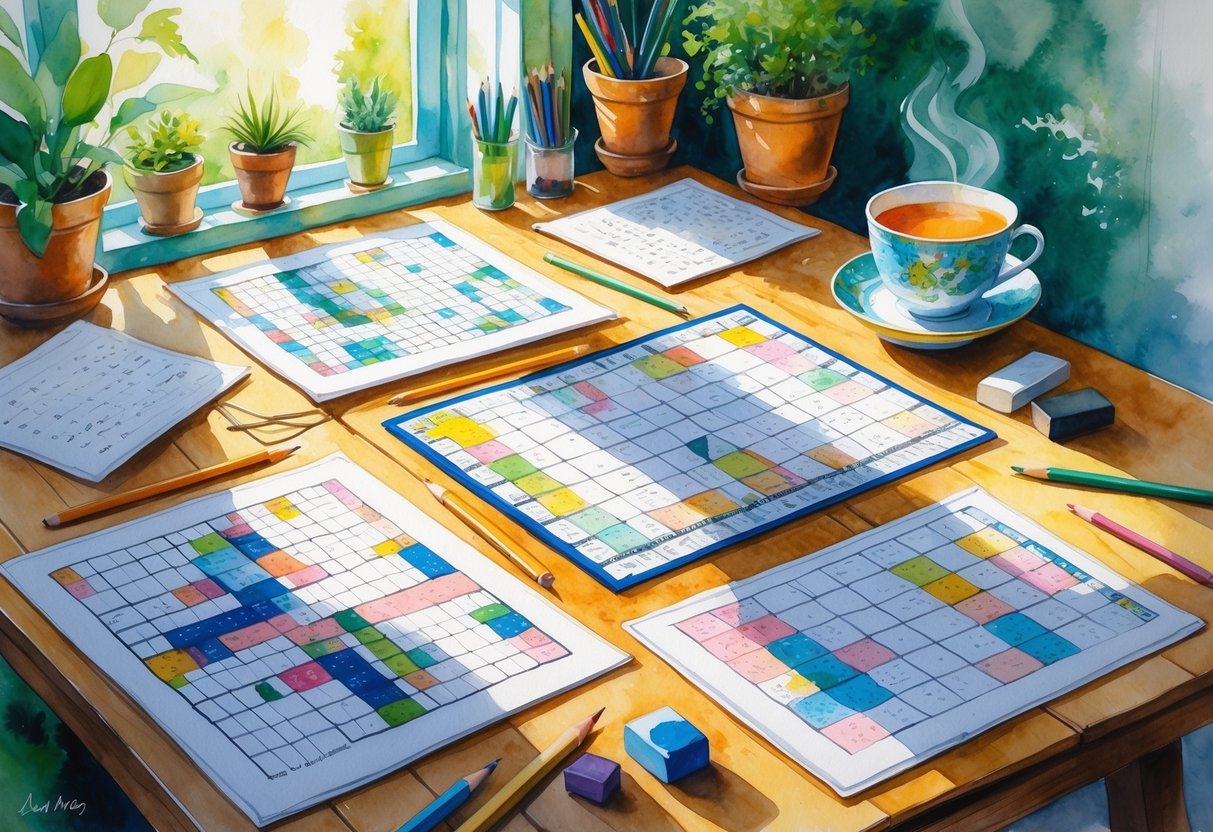
Puzzle-solving activities like crosswords and Sudoku can be great hobbies if you have ADHD and want to improve your focus. These games offer structured challenges that encourage you to concentrate on one problem at a time.
When you work on a crossword, you use your memory and vocabulary skills to fill in the blanks. It can be a good way to practice staying on task, even if you get distracted easily.
Sudoku is a numbers-based puzzle where you fill a grid with digits from 1 to 9. Each puzzle has simple rules, which help break down complex thinking into smaller steps.
This structure can make it easier for your mind to focus for short bursts. One benefit of these puzzles is that they offer clear goals and instant feedback.
Every correct answer completes part of the puzzle, giving you a sense of progress. You do not need a lot of time to get started.
Many puzzles can be finished quickly, so you can enjoy them even when you only have a few free minutes. This flexibility fits well with the way many people with ADHD prefer to work.
If you enjoy challenges and want something that works your brain, consider adding crosswords or Sudoku to your routine. You can find free puzzles in books, newspapers, or online.
How Hobbies Benefit Adults With ADHD

Hobbies can help you manage ADHD in practical ways. They may boost your focus, help with stress, and support your daily routines.
Cognitive and Emotional Advantages
Taking up a hobby can help improve your attention span. Activities like painting, gardening, or puzzle-solving stimulate your brain.
This mental engagement can keep you interested and help reduce distractions. Many adults with ADHD report that creative hobbies also give them a way to express feelings that might be hard to put into words.
Hobbies can also boost your mood. Doing something you enjoy raises dopamine levels, which may help you feel happier and less stressed.
Group activities, like sports or music, encourage social interaction and combat isolation. Feeling successful at a hobby can build your confidence over time.
According to experts, these benefits can make daily life with ADHD feel less overwhelming.
Impact on Daily Functioning
Hobbies can help you practice skills that are useful in everyday life. Activities that require step-by-step planning or organization, such as model building or cooking, encourage you to work on time management and self-control.
This practice can make tasks at home or work a little easier to manage. Physical hobbies, like hiking or dancing, provide an outlet for extra energy.
These activities may help you sleep better and improve your mood during the day. Social hobbies can also improve your communication and teamwork skills.
When you stick with a hobby, you create routines that add structure to your life. This structure helps with predictability and can lower anxiety.
Many ADHD-friendly hobbies include exercise, creativity, and goal-setting, which makes balancing daily responsibilities easier to handle.
Strategies for Maintaining Focus During Hobbies

Sticking with hobbies can be a challenge if your attention drifts or you feel overwhelmed. Using clear routines and limiting distractions makes it easier to enjoy your hobbies and stay engaged.
Building Consistent Routines
A steady schedule helps you remember to practice your hobby. Try setting aside the same time each day or week for your activity.
For example, you might plan to paint every Saturday morning or go for a walk each evening after dinner. Visual reminders like notes on your calendar or alarms on your phone can help you stick to your schedule.
Keeping your hobby supplies in a visible spot also makes it easier to get started. Break your hobby into small, clear steps.
For example, if you want to learn guitar, begin by practicing chords for 10 minutes each day instead of trying to learn a whole song at once. Short sessions can help you focus without feeling tired or distracted.
Consider using a tracking chart to mark each time you do your hobby. Seeing real progress over a week or month can build your motivation and help you create positive habits.
Minimizing Distractions and Overwhelm
Focusing is easier when you control your environment. Find a quiet space where you can do your hobby without interruptions.
Let others know when you need uninterrupted time so you won’t be disturbed. Use noise-cancelling headphones or listen to calm background music if outside noise is an issue.
Some people find that using a timer set for 10–20 minutes helps them stay on task. Limit clutter by keeping your workspace neat.
Too many items can be distracting, so only keep out what you need. If big projects feel too much, break them down.
Completing one small task at a time can lower stress and help you avoid feeling overwhelmed. Try short breaks between tasks.
Stand up, stretch, or drink water. This keeps your mind fresh and can make it easier to return to your hobby with more focus.
Frequently Asked Questions
People with ADHD often enjoy hobbies that mix movement, creativity, or relaxation with ways to boost focus. Calming activities, brain exercises, and interactive games can also support attention.
What are some effective focus-enhancing hobbies for adults with ADHD?
You may find gardening a helpful hobby. It uses your senses, promotes relaxation, and can keep you focused as you care for plants.
Playing a musical instrument or painting are other good choices. Both activities use your hands and mind, providing creative ways to sharpen your attention.
Which calming activities can help adults with ADHD manage hyperactivity?
Yoga is an effective activity to calm both your body and mind. It combines breathing exercises with gentle movement.
Gardening also offers a calming effect. Working with soil and plants can lower stress and give your mind a quiet focus.
What kind of hobbies can ADHD adults easily do at home to improve concentration?
Painting is easy to start at home and lets you express yourself while keeping your mind active. You only need basic supplies to begin.
Music practice, simple crafting, and indoor gardening are all home-friendly hobbies. They give you a routine and tasks that use your concentration.
Are there specific mental exercises recommended for adults with ADHD?
Puzzles, brainteasers, and memory games can support attention and improve your short-term memory. Learning and playing musical instruments challenges your mind, too.
You might also try mindfulness practices, such as basic meditation or deep breathing, to help train your focus.
What types of games can benefit adults with ADHD and support attention skills online?
Online puzzle games, strategy games, or apps that use memory can help exercise your brain and build attention skills. Some games are designed to promote focus and self-control.
Choose games with clear goals and short rounds. This setup helps you stay interested without feeling overwhelmed.
You can find more ideas for games on sites about ADHD-friendly hobbies.
How can adults with ADHD find and stick to a hobby that suits their interests?
Try out a few different activities to see what you actually enjoy. Notice which ones you return to naturally.
Many people with ADHD need hobbies that are stimulating and offer variety. Join groups or clubs, even online, to add social support and motivation.
Keeping supplies visible can help you remember your hobby. Keeping your routine simple can also make it easier to stick with your chosen activity.
You can read more suggestions in this guide about hobbies for people with ADHD.