
10 Best Hobbies for People Who Work Night Shifts: Relaxing and Productive Ways to Unwind
Working night shifts can make it hard to find time for yourself, especially when most activities and social events happen during the day. It’s easy to fall into habits like watching TV or scrolling on your phone, which may not leave you feeling refreshed or engaged.

Choosing the right hobbies can help you boost your mood, stay mentally sharp, and make your off-hours enjoyable. Whether you want to relax, learn something new, or socialize, finding good hobbies is a smart way to make the most of your unique schedule.
1) Puzzle and Strategy Board Games

Puzzle and strategy board games are a great way to keep your mind sharp during night shifts. These games make you think, plan, and solve problems in a fun way.
They can help you stay alert and focused when you need it most. If you work alone during your shift, solo board games and puzzles can make your break time more interesting.
Some games are made just for one player, and others let you play against yourself if needed. You can also try crossword puzzles or brainteasers.
If you have coworkers with you, group board games give everyone a chance to join in. Playing together can build teamwork and make your shift more social.
Many people enjoy classic games like chess, checkers, or new favorites like Codenames and Ticket to Ride. Strategy board games offer lots of choices for every skill level.
Some are quick and easy to learn, while others are more detailed for longer games. This variety makes it simple to find a game that fits your break time.
Board games give you a chance to step away from screens and use your brain in a new way. These games challenge your mind and help you pass the time in a healthy way.
You can find many highly rated board games recommended for adults and different group sizes. For example, The Strategist has a list of the best board games for adults in 2025, with options like Ticket to Ride and Monikers.
2) Knitting or Crocheting

Knitting or crocheting can be a calming way to spend your time during a night shift or on your days off. Both activities only need some yarn and a few simple tools, making them easy to start no matter your schedule.
You can knit or crochet at your own pace, taking breaks whenever you need. Many people find these hobbies help reduce stress and keep their minds active.
The repetitive actions can feel relaxing and almost meditative. Many doctors and mental health experts suggest craft hobbies like these for stress relief, focus, or simply for a mental break during long hours at work.
Both knitting and crocheting are flexible enough to fit any skill level. If you are new, there are plenty of beginner patterns and tutorials online.
You can start with simple scarves or squares. As your skill grows, you might try making hats, blankets, or even small toys.
You do not need much space, which makes these hobbies perfect for a locker room, break room, or even your desk. You can put your project aside at any time and pick it up again easily.
This is helpful when your shift is busy or your free time is broken into short periods. Knitting and crocheting can also be social activities.
You can join online groups or local clubs to chat with others and swap tips. Some people even find community with others who work at night and share the hobby knit and crochet communities.
Besides being fun, these crafts leave you with finished items you can use or give as gifts. Finishing a project often gives a nice sense of achievement and purpose.
3) Creative Writing or Journaling

Creative writing and journaling are great hobbies if you want to relax or process your thoughts after a night shift. You can write short stories, poems, or even start a novel.
Journaling is a more personal way to reflect on your day and record your feelings. Taking up writing helps you clear your mind.
This is especially helpful when you work night shifts and your schedule feels different from most people. Regular writing can also help you spot patterns in your mood or sleep, making it easier to manage stress.
You do not need fancy tools to begin. A simple notebook, pen, or even your phone notes app will do.
Some people prefer typing, while others like the feel of handwriting on paper. If you like creativity, try writing fiction or poetry.
This lets you use your imagination in new ways. Even short stories or daily journals can become a relaxing routine with practice.
It is a private space where you can process challenges and achievements from your shift. Journaling can also support work goals.
Writing down tasks, habits, and reflections each day can boost organization and motivation. Many find bullet journaling useful for tracking their time and staying productive, which is shown to help people feel more in control of their time and tasks according to a recent study shared by The Zillennial Zine.
Whether you write for fun or to unload your thoughts, setting aside a few minutes after your shift can make your routine more enjoyable and balanced.
4) Sudoku and Crossword Puzzles
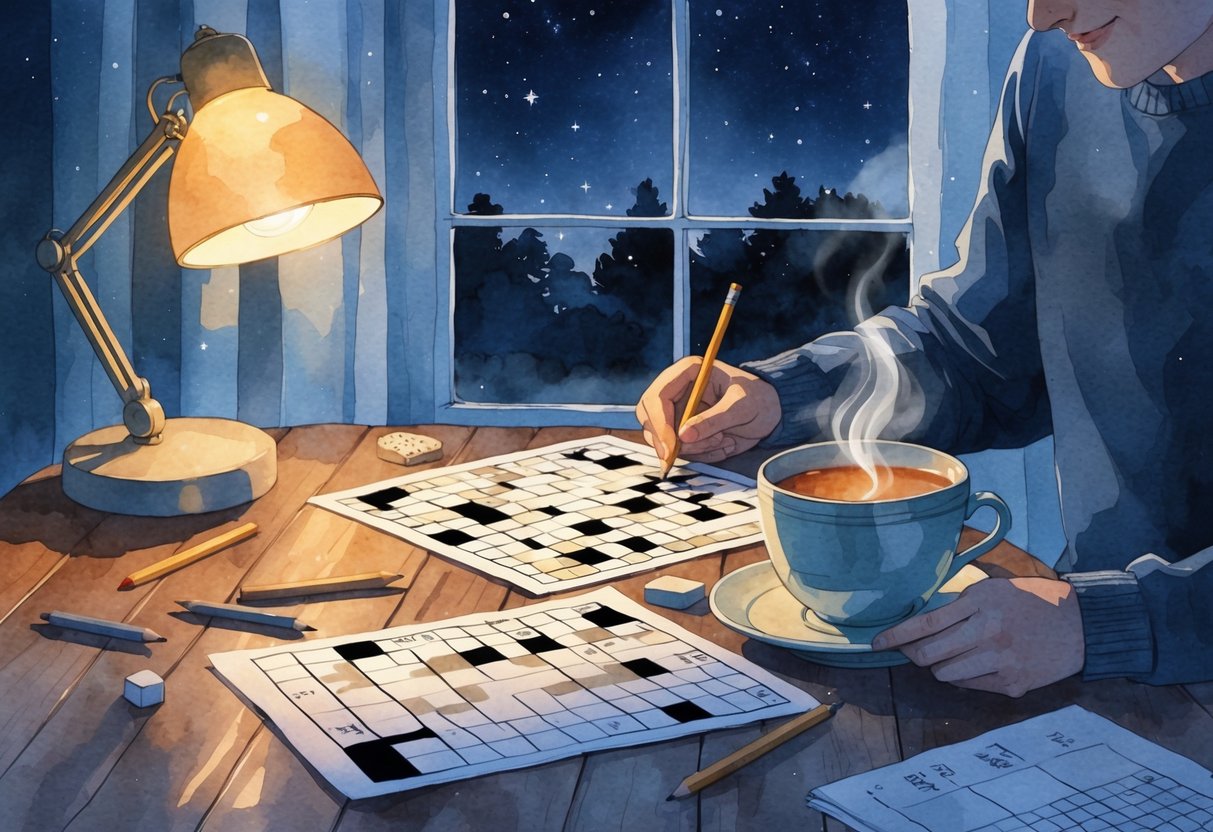
Sudoku and crossword puzzles are great hobbies if you want to keep your mind active during quiet hours. These puzzles can help pass the time while giving your brain a workout.
You can find Sudoku and crosswords in newspapers, books, or on your phone. Playing them helps improve your memory and language skills.
Sudoku is a number-based puzzle. You fill in boxes so each row, column, and block contains every number exactly once.
It is a simple but challenging way to sharpen your logic skills. Crossword puzzles use clues to fill in words on a grid.
They test your vocabulary and your ability to recall facts and make connections. Both Sudoku and crossword puzzles can be played alone or in a group if you want more social interaction.
If you work at night, these puzzles are ideal. They do not make noise, so you can play without disturbing anyone around you.
You can start and stop them easily if you need to take care of work tasks in between. Doing puzzles has been shown to boost cognitive ability and keep your mind sharp.
They can also give you a sense of accomplishment when you finish a challenging puzzle. You do not need special equipment or a lot of space.
Whether you have a few minutes of free time or longer breaks, you can fit these hobbies into your schedule. Many people enjoy the feeling of progress as they move through a puzzle and see it come together.
5) Yoga and Stretching Exercises

Yoga and stretching exercises can help you relax and reset after a long night shift. These activities improve flexibility and help ease muscle tension caused by hours of sitting or standing.
You do not need any special equipment to begin, and many poses can be performed in a small space. Gentle movements allow your body to stretch out tight areas, especially in your back, shoulders, and legs.
Short sessions of yoga can make it easier to fall asleep after work. Simple routines also help your body handle the change in schedule that comes with night shifts.
A few minutes of slow stretching can reduce feelings of stress. Deep breathing during each pose helps calm your mind and prepares your body for rest.
There are many poses that are good for workers who spend a lot of time at a desk. For example, you can try sitting at a 90-degree angle, raising your arms, crossing them, and interlocking your palms.
Hold this stretch for 5–10 seconds, then switch arms. This move can help your back, neck, and shoulders feel better as described in CareerAddict’s list of office yoga exercises.
Another helpful stretch is to extend one arm and gently pull your fingers down with the other hand. Hold for a few seconds, then switch sides.
This simple stretch supports your wrists and forearms, which are often overused at work. More stretches like these can be found in Verywell Fit’s guide for office workers.
Practicing yoga or stretching does not require a big time commitment. You can practice in the morning before bed or after waking up, depending on what works best for your schedule.
6) Adult Coloring Books

Adult coloring books can be a relaxing hobby if you work night shifts. The activity is simple and quiet, and it doesn’t need special skills.
You just need some coloring books and colored pencils or markers. Coloring helps your mind take a break from stress and work worries.
Some people find that focusing on shapes and colors makes them feel calm. It’s a low-effort way to wind down after a long shift.
Many coloring books for adults feature detailed designs like mandalas, nature scenes, or patterns. These images let you be creative and choose your own colors.
If you don’t know where to start, there are lots of books recommended for their variety and print quality. This hobby is also flexible.
You can color for just a few minutes or for longer periods, fitting it into your schedule. Coloring is easy to do at home, at work during breaks, or anywhere you have some quiet time.
If you are looking for recommendations, some lists like the one in The Strategist share their picks for the best adult coloring books. Other sites such as Suggested Reads offer suggestions for books meant to help reduce stress.
The supplies are affordable and easy to find. You only need a book and some basic coloring tools.
Some sets even include a variety of books, like the Adult Coloring Books Super Set, which contain different designs to keep things fresh. This hobby is quiet, portable, and doesn’t require a big commitment.
It lets you get creative any time, at your own pace.
7) Podcast Listening and Creation

Listening to podcasts is a relaxing way to fill the quiet hours of a night shift. You can choose from topics like news, true crime, comedy, or health.
Many hobby and interest podcasts are updated weekly, so you always have something new to hear. This hobby allows you to learn, laugh, and pass time while doing repetitive tasks at work.
Popular hobby-related podcasts can help you discover new interests or dive deeper into topics you already enjoy. You can find lists of the best hobby podcasts on different platforms.
If you want more interaction, starting your own podcast is a creative option. All you need is a simple microphone, basic editing software, and a topic you care about.
Recording your thoughts or interviews can be done before or after your night shift, fitting flexibly into your schedule. Podcast creation encourages you to express your ideas and connect with others.
Sharing your perspective or telling stories can help you build new skills and even meet people with similar interests. Podcasting is now considered a popular hobby that more people are trying.
Whether you listen or create, podcasts are easy to fit into the life of a night shift worker. Enjoy them during breaks, quiet periods, or commutes.
8) Indoor Herb Gardening

Indoor herb gardening lets you grow fresh herbs at home, even if you have a limited schedule. This hobby is flexible and easy to fit around your work hours, so you do not need to worry about missing sunlight during the day.
You can start by placing herb pots on your windowsill or countertop. Common choices include basil, parsley, cilantro, and mint.
These herbs do not need much space or special equipment. Indoor herb garden kits are available to help you begin.
These kits usually come with pots, soil, and seeds or small plants. They are a simple way to try gardening if you are new to the hobby.
Learn more about indoor herb garden ideas and starter kits. Watering and caring for your herbs takes only a few minutes each day.
Most herbs grow well indoors and can adapt to different lighting, which works well with your unique schedule. Growing herbs at home adds more flavor to your meals.
You can cut fresh leaves as you need them, so you always have the right amount for recipes. Indoor gardening can also bring a bit of nature to your living space.
Many people find that taking care of plants lowers stress and adds a calming routine to their day. You do not need much time or gardening experience to get started.
For more tips and benefits, look at these herb garden ideas for small indoor spaces. You can enjoy indoor herb gardening whether you are a beginner or more experienced with plants.
This hobby can fit easily into your night shift lifestyle.
9) Digital Art and Graphic Design

If you enjoy being creative, digital art and graphic design can be great hobbies during the night shift. All you need is a computer or tablet with simple software to get started.
You can sketch, paint, design posters, or create digital graphics. These hobbies are quiet, so they work well for people who need to stay alert without disturbing others.
You can work on small projects or explore bigger ideas over many nights. Many find that making art helps reduce stress and encourages relaxation.
Digital art and graphic design let you learn new skills, such as using different design tools and understanding color and layout. There are plenty of free tutorials online to help you get better, no matter your experience level.
Practicing regularly can also boost your creativity and problem-solving. You might find that creating digital designs leads to new interests, like animation or video editing.
Some people even choose to share their work online or use these skills for freelance jobs. Graphic design is a hobby that you can make as simple or as advanced as you want.
Many night shift workers say that creative hobbies like digital art help them stay focused and make the shift feel shorter. A list of creative hobbies shows that graphic design is popular because it fits easily into different schedules and doesn’t require much space.
Whether you are drawing for fun or hoping to earn extra money, digital art is both flexible and rewarding.
10) Learning a New Language

Learning a new language can be a great hobby if you work night shifts. Nighttime is often quieter, giving you extra focus for studying words, grammar, and pronunciation.
This time alone can help you learn at your own pace. You do not need to spend hours at a time.
Even short study sessions, about 10 to 20 minutes, can help you make steady progress. There are many language learning apps and websites that offer daily lessons, vocabulary games, and audio practice.
You can listen to podcasts or watch videos in your target language during your breaks or while commuting. This is a simple way to improve your listening skills, and it helps make use of your free time.
Reading children’s books or simple news articles can also help you slowly build reading confidence. If you want to practice speaking, try talking to yourself in the language.
You might also be able to find language exchange partners online. Some night shift workers mention using apps for bite-sized lessons, which makes it easy to fit learning into a busy or changing schedule.
Learning a language can be challenging, but it does not require special talent. It just takes regular practice and patience.
Try keeping a notebook with new words or phrases you want to remember. This hobby can bring you a sense of accomplishment and open up new travel or job opportunities in the future.
You may find that your memory and problem-solving skills improve as well. With the right resources and a bit of motivation, you can make steady progress—even during night shifts.
Benefits of Hobbies for Night Shift Workers

Engaging in the right hobbies can help you handle the challenges of working at night. Taking time to focus on activities you enjoy is linked to lower stress, better mental health, and more social support.
Reducing Stress and Fatigue
Night shifts can leave you feeling tired and overwhelmed. When you add a hobby to your routine, you create healthy routines that break up your shift and give you something positive to focus on.
Creative hobbies like painting, writing, or crafting can help you unwind after work. Physical hobbies, such as exercise or yoga, boost your energy and lower the risk of burnout.
Mindful activities like meditation and puzzle-solving encourage relaxation and help clear your mind. Even simple hobbies—like listening to music, gardening, or reading—can lower your stress levels by giving you a break from your job’s demands.
When you set aside regular time for something enjoyable, you make it easier for your body and mind to recover from long or difficult shifts.
Enhancing Social Connections
Night shift work can make it tough to keep up with friends and family. Hobbies open the door to meeting new people or spending quality time with those you care about.
Joining group-based activities—such as online book clubs, multiplayer games, or team sports—lets you form bonds with others who share your interests. Participation in virtual communities or local hobby groups helps reduce feelings of isolation that often come with late work hours.
According to Hobby FAQs, activities like board games or dominoes are great for socializing and breaking up long work nights. Staying socially active is linked to higher happiness and stronger emotional health.
Building friendships through hobbies makes your night shift less lonely and more rewarding.
Supporting Mental Wellness
Picking up a hobby can have a positive effect on your mental health. Creative projects, puzzles, and games encourage your brain to stay active and focused.
Occupying yourself with a new skill or personal project helps fight boredom and keeps negative thoughts away. Practicing hobbies that you enjoy can boost your mood and provide a sense of accomplishment after a long shift.
Mental activities—like learning a language, journaling, or even doing crosswords—may help you feel more alert and content during off-hours. Nightshift Wellness points out that hobbies are an easy way to keep your mind sharp and make your nights more meaningful.
Taking care of your mental health is essential when working at night, and hobbies can be a simple and enjoyable way to do that.
Tips for Finding Enjoyable Night Shift Hobbies
Choosing hobbies that fit with your routine helps you relax and recharge. Looking for activities that work for your unique sleep and work schedule can help you stay happy and healthy.
Matching Hobbies With Your Schedule
Your work hours are different from most people, so it is important to find hobbies that fit your schedule. Look for activities you can start and stop easily, especially if you might be interrupted for work or rest.
Good examples are board games, puzzles, or ebooks, which you can pick up in short breaks or downtime. If you live with others, consider quiet hobbies like drawing, reading, or knitting, so you do not disturb your roommates or neighbors at night.
Many night shift workers find enjoyment in hobbies that do not rely on strict group schedules. Try solo pastimes like journaling, model building, or learning a new language through online apps.
For more ideas, check out some examples of quiet nighttime hobbies that work well for night workers.
Maximizing Limited Daylight Hours
Daylight helps your mood and sleep schedule, but work hours at night make it harder to spend time outside. To get more sunlight, pick hobbies you can do even with short daylight windows, such as walking or biking early in the morning after your shift or before heading to bed.
Gardening or photography can be done in small time blocks and still give you some sun exposure. Consider weekend or day-off hobbies that use daylight, like hiking or local sightseeing.
You can also use blackout curtains to help manage your rest so you are more alert to enjoy daylight activities when possible. Some workers talk about using their time off to read ebooks in parks or take part in local community events during the day when they are awake.
Frequently Asked Questions
What are some indoor hobbies suitable for nighttime workers?
You can try puzzle and strategy board games. These activities help keep your brain active during quiet hours.
Knitting or crocheting is another good option. They require little space and can be very soothing after a long shift.
Yoga and stretching exercises indoors are helpful for unwinding and staying fit.
What hobbies can be enjoyed at home by those on the night shift?
Creative writing or journaling is a great way to spend your time at home. It allows you to process thoughts and express yourself, even at odd hours.
Working through sudoku or crossword puzzles provides a mental challenge that you can do alone without disturbing others. You can also knit, crochet, or do small craft projects at your own pace.
Can you recommend hobbies for someone with an irregular shift schedule?
Flexible hobbies like creative writing, knitting, or board games fit well with changing shifts. You can pick them up and put them down as your schedule allows.
Even short yoga or stretching routines adapt easily to different work hours. Trying out new recipes or solo hobbies, such as reading, can suit a schedule that changes often.
Which hobbies are best for individuals working night shifts to maintain a work-life balance?
Yoga and stretching help you set aside time for both your body and mind. These activities support overall health.
Puzzle and strategy board games can be played with family or roommates, making it easier to connect with others, even with a unique schedule. Creative writing, such as journaling, lets you reflect and separate work thoughts from personal time.
What are effective ways to unwind for those who work night shifts?
Simple relaxation routines, like gentle yoga or meditation, lower stress and prepare your mind for sleep.
Knitting or crocheting helps keep your hands busy while allowing your thoughts to settle. Listening to quiet music, reading, or working on a puzzle in a calm space can also help you unwind.
What are some activities that night shift workers can engage in on their days off?
During your days off, you might want to join a local board game group or take a craft class to meet people.
Trying new recipes or baking at home is fun and rewarding.
Outdoor walks, gardening, or visiting a park can help you enjoy your time away from work and reset before your next shift.