
10 Best Hobbies for Gamers Who Want to Do Something Offline: Top Offline Activities for Fun and Growth
Many gamers look for activities outside of screens that are still interesting and fun. Moving to offline hobbies can help you take breaks from gaming and enjoy new experiences in your free time.
You can find rewarding activities that keep your mind active and bring balance to your daily life.

There are many options for offline hobbies that match the creativity, skills, and satisfaction you enjoy from gaming. These offline pursuits can open new interests, help you meet new people, and support your personal growth.
1) Art Journaling

Art journaling is a creative hobby where you use a notebook or sketchbook to draw, paint, collage, or even write. You can fill the pages with your thoughts, dreams, and daily moments.
This hobby lets you express yourself in different ways. You do not need to be good at drawing to enjoy art journaling.
Doodling, sketching simple shapes, or adding color can be relaxing. Many people find it helps organize their thoughts or process emotions.
If you like games for their visual style, you might enjoy using colorful markers or stickers in your journal. You can even make spreads about your favorite characters or in-game worlds.
Some people who used to game now enjoy drawing about big life events or special memories. Art journaling is flexible.
You can spend a few minutes each day, or work on a page over several hours. There are no rules, so you can be as creative or simple as you want.
This hobby uses some of the same skills as gaming, like attention to detail, creativity, and planning. It’s easy to start—all you need is a notebook and a pen or pencil.
Many people use it to wind down after a busy day. Some find it less distracting than phone or computer activities.
You might discover new artistic styles as you explore. As you keep journaling, you’ll see your skills and confidence slowly grow.
2) Pokémon Go
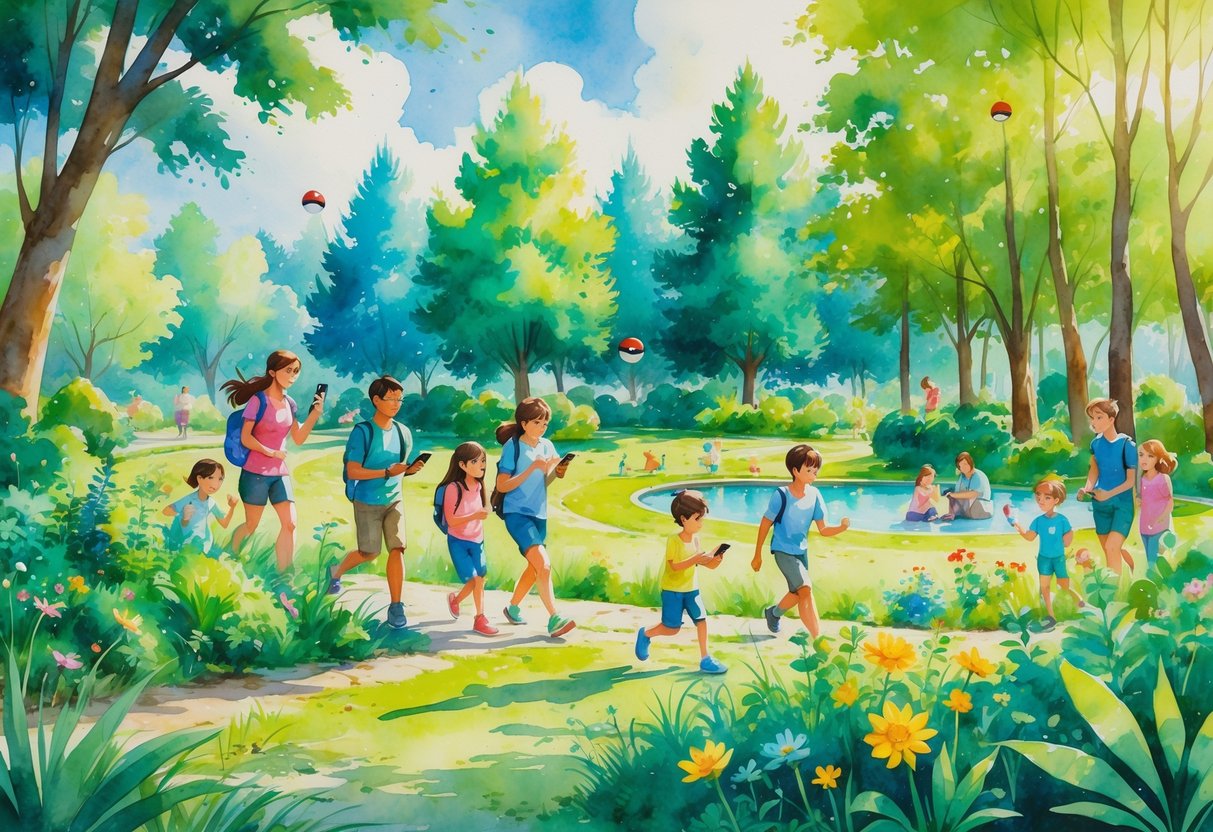
Pokémon Go encourages you to step outside and explore your neighborhood. The game uses your phone’s GPS to place virtual Pokémon in real-world locations.
Walking around helps you find and catch these Pokémon. You can also gather items by visiting PokéStops, which are usually tied to landmarks like statues or public works.
Walking certain distances will let you hatch eggs, giving you new Pokémon. Joining in-person raids offers a way to meet other players and work together to catch rare Pokémon.
Competing in gyms and defending them also adds a social aspect. If you want daily tasks, Pokémon Go has special missions and challenges to keep things fresh.
Completing these can give you useful rewards and help you progress as a trainer. There’s a daily bonus if you visit a PokéStop or catch at least one Pokémon each day.
Finding shiny Pokémon, getting rare creatures, and leveling up can keep you motivated. The game changes with seasons and special events, so there’s almost always something new to discover.
Many players enjoy the exercise they get from playing. Pokémon Go makes it easy to get outside without feeling like you’re working out, since your focus is on exploring and catching Pokémon.
A routine of playing Pokémon Go can help break up screen time. Even quick walks can make your day feel more active and productive.
If you need more ideas or tips about daily activities, you can check articles with everyday Pokémon Go routines or find new options to kill boredom in Pokémon Go.
3) Board Games
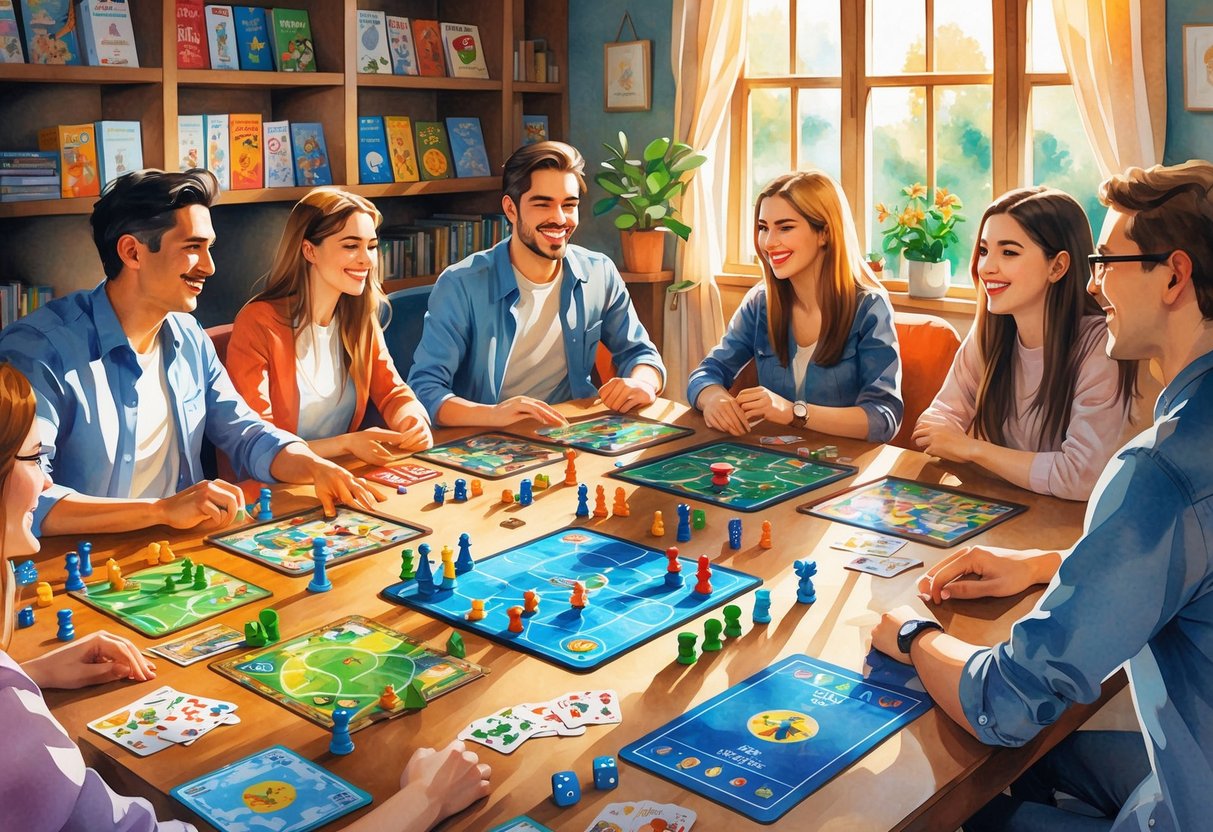
Board games let you enjoy competition and strategy without a screen in front of you. They give you a hands-on way to test your skills and reactions with friends or family.
You can pick games that match your interests and the amount of time you want to spend. Many board games offer themes and mechanics that you may already enjoy in video games.
These include building, exploring, teamwork, or resource management. Popular choices range from classics like chess and Monopoly to modern options like Catan and Ticket to Ride.
Playing board games can help you improve decision-making and problem-solving. You learn to think ahead, plan your moves, and adapt to changing situations.
Many games also build social skills since you need to talk, listen, and sometimes negotiate with others. Board gaming is also a flexible hobby.
You can play short games during a lunch break or set up longer game nights on weekends. Some people enjoy collecting board games and learning the rules of new ones.
If you want to explore more, there are clubs, conventions, and online groups focused on this hobby. You might find new friends or discover different types of games by joining local events or online communities.
There are lots of ways to dive deeper, like designing your own game or teaching others how to play. For more ideas, check out lists of ways to engage with board gaming as a hobby.
4) Painting and Drawing
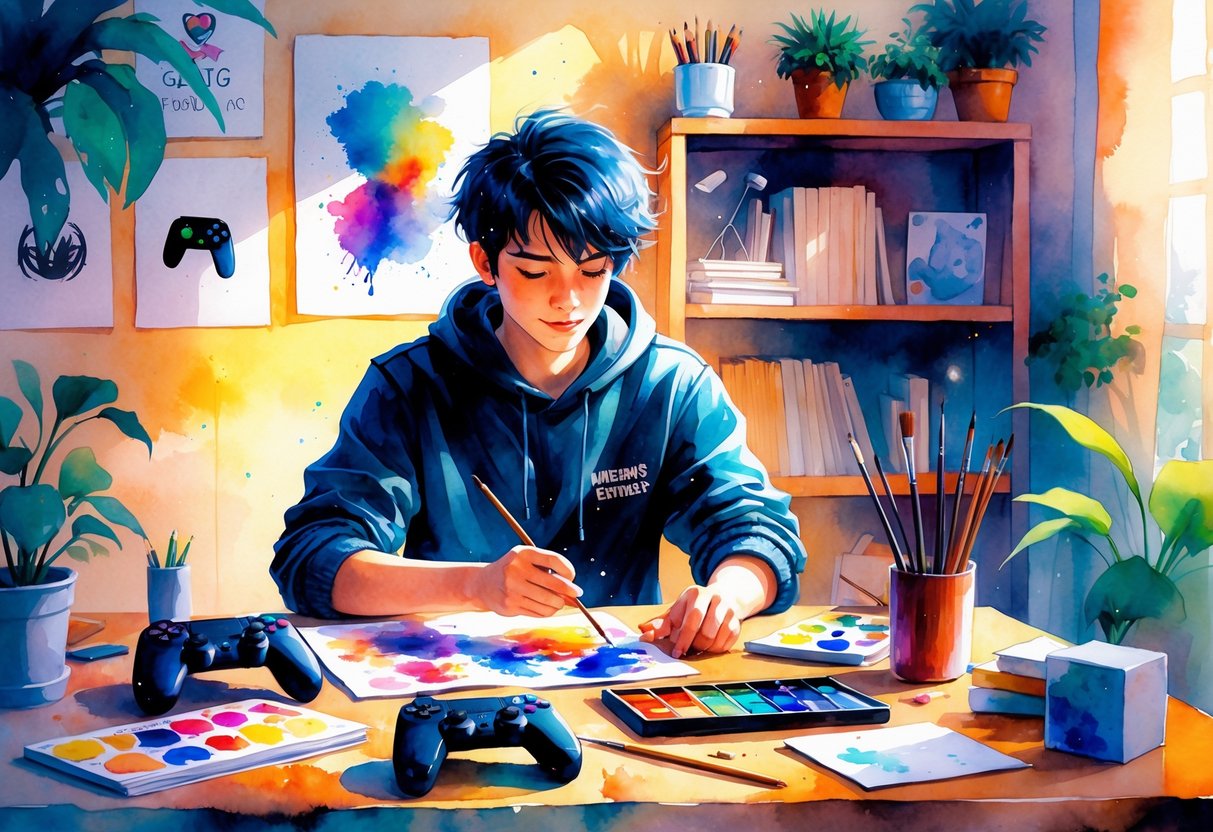
Painting and drawing let you express your creativity away from a screen. You can sketch your favorite game character or create something entirely new.
Many gamers find this hobby relaxing and rewarding. You do not need to be an expert to start.
Use pencils, pens, paints, or digital drawing tablets if you already have one. Even simple doodles can lead to detailed artworks over time.
If you enjoy games with rich visuals or unique art styles, you might find inspiration for your own pieces. Some gamers create fan art of game worlds, characters, or scenes.
This can help you improve your skills while connecting with other fans. Painting and drawing can help sharpen your focus and attention to detail.
You may notice shapes, colors, and patterns in games that inspire your art. Practicing these skills offline can also boost your ability to work on projects that need careful planning.
Some people find drawing helps them think or process their feelings. You can keep a sketchbook next to your gaming setup for quick ideas or doodles.
You might even decide to display your finished work or share it online with gaming communities. There are many social platforms where you can show your art and get feedback from others.
If you want a creative outlet that is quiet and hands-on, painting and drawing are great options.
5) Learning a New Language

Learning a new language can keep your mind sharp. It also opens up different ways to communicate and understand cultures.
You might find it interesting to see how ideas are expressed in other languages. If you enjoy solving puzzles in games, language learning offers a similar challenge.
The process includes decoding grammar and remembering vocabulary. Each new word or phrase is a small victory, much like leveling up in your favorite game.
Taking up a new language offline gives you a break from screens while still offering variety. You can use books, flashcards, or join in-person classes.
You might practice speaking with friends or find a language exchange partner. Hobbies like this build skills that last for years.
Some people use their language skills when traveling or to make new friends. Others have even found new careers by becoming interpreters or translators.
Immersing yourself in another language can also make your other hobbies more enjoyable. For example, you can learn to cook new recipes or follow foreign sports more easily.
If you want to combine gaming and language learning, you can check out ideas for practicing a language through personal interests or by using video games in a different language.
Learning a language does take time and effort. Try setting small goals, like learning a few words each day or having short conversations.
You’ll start to see progress and may enjoy the routine it adds to your day.
6) Music Production

Music production is a great hobby if you like technology and creativity. You get to use software and hardware to make your own songs, beats, or soundtracks.
Many gamers already know their way around a computer, which makes getting started easier. You can begin with simple tools like free digital audio workstations (DAWs) and a pair of headphones.
With time, you might want to try using a MIDI keyboard, studio monitors, or other gear. There are many free online tutorials to help you learn the basics.
If you enjoy soundtracks from your favorite games, you can try making your own game-inspired music. This can help you appreciate music on a deeper level.
You might even want to create sound effects or background music for projects. Music production is flexible.
You can make music in almost any style, such as electronic, rock, hip-hop, or even classical. The hobby lets you express your ideas and feelings in a new way.
Many people find music production relaxing and fun. It can also give you a sense of accomplishment when you finish a track.
Some even share their work with friends or online communities for feedback. Making music does not need expensive equipment right away.
You can start simple and upgrade over time. It is a hobby you can enjoy alone or with others who share your interests.
If you want a creative change from gaming, music production can be a great choice. Learn more about getting into music production as a hobby.
7) Collecting Action Figures

Collecting action figures is a hobby that many gamers find rewarding. It lets you stay close to your favorite games, characters, and stories even when you’re not in front of a screen.
Many video game fans enjoy lining their shelves with detailed models from their favorite franchises. You can collect figures from new releases or hunt for older, rare items.
Some figures are affordable, while others can become valuable over time. As you build your collection, you might find that certain pieces remind you of memorable moments in gaming.
Having a display of action figures gives your room a personal touch. Some collectors enjoy arranging their figures in creative poses or scenes.
You might even dedicate a whole shelf or a special area in your home for your collection. There are many ways to find new action figures.
You can shop online, visit local stores, or attend conventions. Sometimes, you may need to be patient if a certain figure is hard to find.
Trading with other collectors is common and can help you expand your collection. You can join online forums or local groups to meet others who share your interest.
This makes collecting a social hobby, not just a solo activity. Some people worry this hobby is expensive, but you don’t have to spend a lot to get started.
As discussed in several online communities, collecting action figures can be less costly than many other hobbies, especially if you focus on modern or common releases.
Whether you collect to display, trade, or just for fun, action figure collecting is a way to enjoy your love of gaming in real life. You take something virtual and make it tangible, creating a unique hobby space that is truly your own.
8) Creative Writing

Creative writing is a hobby that lets you use your imagination in new ways. If you like making up stories, building worlds, or designing characters, this activity fits well with what you enjoy in games.
When you write, you get to shape everything yourself. You can use your favorite game themes, or create something totally original.
Writing fiction helps you think about character development, plot twists, and settings much like many video games do. You do not need special equipment to start.
Just grab a notebook or use your computer. Start with a short story or maybe some dialogue between characters.
Over time, you may notice your storytelling skills improve, which can also help you better appreciate narrative in games. Creative writing is also a way to relax and express emotions.
Many gamers enjoy it because it gives them a break from screens while still letting them create. According to Different Hobbies, creative writing can help you understand why certain characters or worlds in your favorite games are so interesting.
You can write just for yourself, or share your work online. Some gamers even post their stories in fan communities or enter writing contests.
If you like, you can set goals for daily or weekly writing sessions. Whether you prefer short stories, poetry, or writing about your own life, creative writing is flexible.
It gives you room to experiment and find your voice. It can also help you connect with others who have similar interests.
With creative writing, you get to explore new ideas. This can make your time away from gaming more rewarding and fun.
9) Gardening
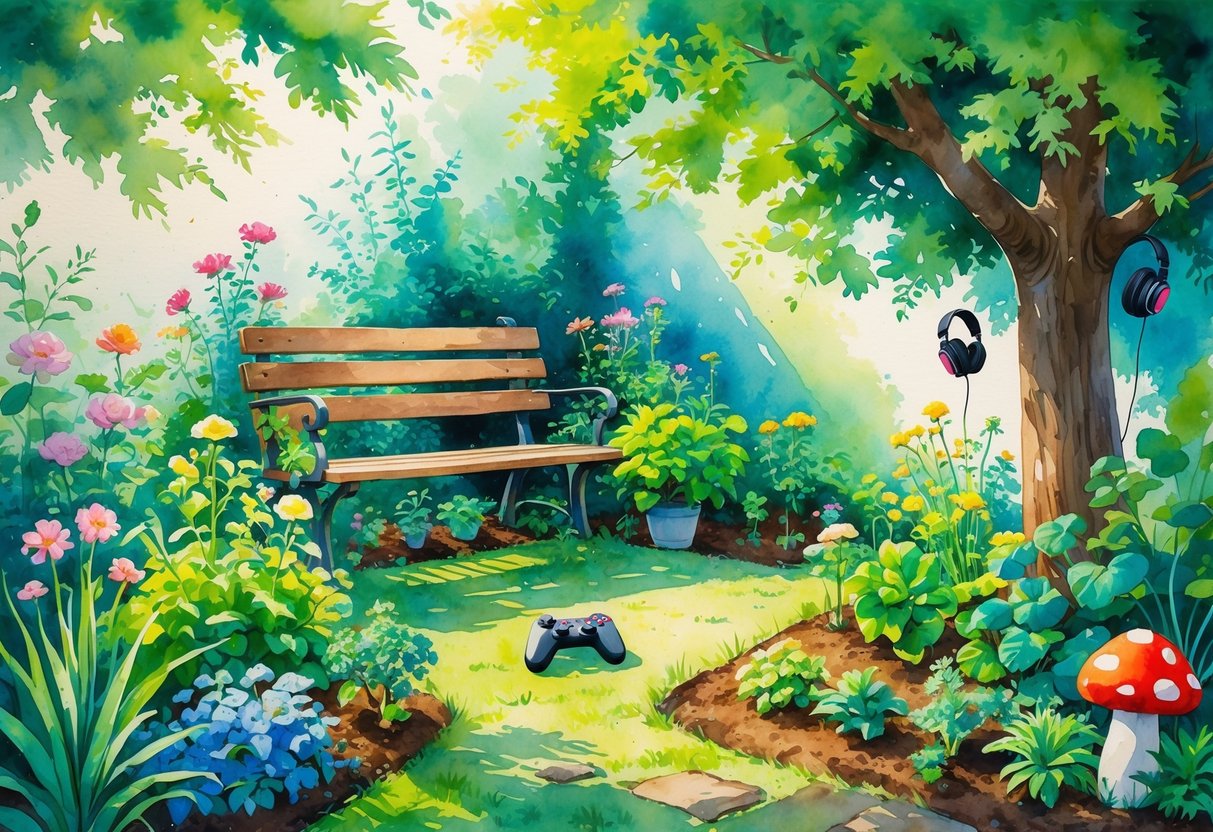
Gardening is a hands-on hobby that gets you moving and lets you see progress over time. It gives your mind a rest from screens while keeping you busy with something relaxing.
You don’t need a huge yard or fancy equipment. You can start with a few small plants on your windowsill or balcony.
Watching plants grow and caring for them at your own pace can be very satisfying. If you enjoy strategy games, you might even notice some similarities while planning what to grow and where to put each plant.
Gardening also lets you experience the reward of growing your own food or seeing colorful flowers bloom. This hobby can also help you get outside and enjoy fresh air and sunlight.
Spending time in nature, even a small garden space, can feel refreshing. Working with dirt and plants can also help reduce stress.
Gardening is a rewarding offline activity, especially if you want something that combines learning and physical activity. As you learn about different plants, you’ll discover which ones do well in your area and how to help them thrive.
You can garden by yourself or with family or friends. Sharing your garden’s progress or working together on a project can help you feel more connected.
You do not need to spend a lot of money to get started. Many gardeners find ways to reuse pots, save seeds, or swap plants with others.
This makes gardening affordable for almost anyone. Taking care of plants gives you a sense of responsibility and accomplishment.
Over time, you will see clear results from your effort, which can be very motivating.
10) Cooking and Baking

Cooking and baking give you a way to be creative without needing a screen. You get to follow recipes or make your own, trying out new flavors and ingredients.
It’s a hands-on hobby that can be as easy or as challenging as you want. When you cook or bake, you also get to enjoy what you make.
You can prepare meals for yourself or share them with friends and family. Baking cookies, making pizza, or trying new dishes can be both relaxing and rewarding.
You can start simple with easy recipes and slowly build your skills. Even small projects, like making pancakes or scrambled eggs, help you get started.
Over time, you might want to try more complex meals or experiment with baking bread. Cooking and baking teach patience and attention to detail.
Following steps in a recipe is a lot like following missions in a game. You have to pay attention, measure ingredients, and sometimes fix mistakes on the spot.
If you enjoy the feeling of progress in games, you might like the sense of achievement in cooking. Every meal or cake is a project with a beginning, middle, and end.
When you finish, you see what you made and taste the results. This hobby can also help you relax after a long day.
The process of mixing, chopping, or kneading dough can be calming and enjoyable. It’s a good way to unwind without looking at a screen.
Cooking and baking are also social activities. You can cook with friends or join a class to meet new people.
If you want more ideas or guidance, check out lists of offline hobbies like cooking and baking for helpful tips and inspiration.
Why Gamers Benefit From Offline Hobbies

Taking up offline hobbies can help you stay mentally healthy, lower stress, and keep your mind sharp. When you’re away from screens, you have a better chance to learn new abilities and connect with the world in different ways.
Enhancing Mental Health And Well-Being
Spending long hours gaming can increase eye strain and cause feelings of burnout. By enjoying offline hobbies like running, drawing, or board games, you give your brain a chance to rest and recharge.
These activities help your mind reset and can make you feel less stressed, more peaceful, and even happier. Offline hobbies also support your social life.
Activities such as playing sports or joining clubs allow you to meet new people and build friendships face-to-face. This can help prevent feelings of isolation that sometimes come with too much time spent gaming.
According to some expert advice for gamers, even simple outdoor activities may boost your mood and energy levels.
Building New Skills Away From Screens
Offline hobbies help you develop practical skills that can be useful in daily life. For example, cooking lets you improve your creativity and learn about nutrition while giving you something tasty to eat.
Learning to play an instrument can boost your memory, patience, and attention to detail. Trying activities such as woodworking, painting, or hiking builds your confidence as you face new challenges.
Some hobbies even help you understand games better, like painting miniatures or designing board games. You gain hands-on experience with problem-solving and teamwork, which can carry over into many other parts of your life, both in and out of gaming.
Tips For Transitioning To Offline Activities

Changing your free time habits can be challenging at first, but with patience and planning, you can make steady progress. Focusing on realistic steps and connecting old gaming interests to new hobbies helps keep you engaged and motivated.
Setting Realistic Goals
Start small and set clear expectations. If you have spent a lot of hours playing games, it can be tough to swap all your gaming time for offline activities right away.
Try aiming for just 15-30 minutes per day on a new hobby at first. Increase your time slowly as the habit grows.
Keep a simple record or checklist of your offline activities. This helps you see your progress and gives a sense of reward.
It is helpful to make certain areas of your home, like your bedroom or kitchen, “phone-free” or “screen-free zones” as suggested by offline activity guides. If you miss a day or fall back into old habits, don’t get discouraged.
Change takes time. Adjust your goals if they feel too hard.
Regular small steps work better than a stressful, all-or-nothing approach.
Combining Gaming Passions With Offline Interests
Look for offline hobbies that share something with the games you enjoy. For example, if you like adventure or fantasy games, tabletop role-playing games can be a good fit.
If your favorite games involve building or strategy, try model building, board games, or puzzles. Many gamers enjoy creating things, so artistic hobbies like drawing or painting scenes from games can be fun.
You might also like activities that use logic and planning, such as chess or escape room challenges. Explore hobbies that let you be creative, solve problems, or work with a team.
This way, you keep enjoying what you love about gaming while doing something new. You can find ideas in lists of offline hobbies for gamers and other tech-free activities.
Frequently Asked Questions
Offline hobbies for gamers often include creative, social, and relaxing options. Activities like art, board games, and learning new things can help you find enjoyment away from screens.
What hobbies can help reduce my gaming hours while still engaging me creatively?
Art journaling lets you express yourself with sketches, colors, or simple doodles. Painting and drawing are great ways to use your creativity and keep your hands busy.
Trying your hand at coding simple programs or making crafts like origami can also engage your mind in a new direction.
Can you suggest some activities that are enjoyable for a former gamer to pursue offline?
Board games are a fun way to connect with friends without a screen. Collecting trading cards or building LEGO sets can provide the same sense of achievement that gaming does.
You may also enjoy going on walks or playing Pokémon Go if you like exploring the real world.
What are some relaxing hobbies that former gamers have found fulfilling?
Drawing and painting can help you relax by focusing your attention and calming your mind. Simple activities like reading, listening to music, or doing puzzles are enjoyable and soothing.
You could also journal or try mindfulness exercises to feel more at ease.
Which hands-on hobbies can provide a rewarding experience outside of the digital world?
Crafts like origami, model building, or working with LEGO keep your hands engaged. Painting lets you experiment with color and style.
Gardening or cooking are other hands-on hobbies that many people find satisfying.
What are some social or individual hobbies suitable for someone with a gaming background?
Board games offer a social atmosphere similar to online team play. You can join a local club or invite friends to regular game nights.
For solo options, art journaling and language learning provide structure and progress, appealing to skills you may have built up as a gamer.
How can I diversify my leisure pursuits away from gaming with some low-cost hobby ideas?
Learning a new language can often be started for free using apps or the library.
Drawing and journaling require only basic supplies.
Card games and some board games don’t cost much and can be enjoyed with groups or solo.
Free community events and local meet-ups are also great for discovering new interests.