
10 Best Hobbies for Veterans Transitioning to Civilian Life: Top Activities for Wellbeing and Growth
Adjusting to civilian life after military service can be challenging. Many veterans look for new ways to fill their time, manage stress, and connect with others.
Exploring hobbies is a great way to build new routines, boost mental well-being, and develop a sense of purpose during your transition. Whether you are seeking relaxation, social connection, or personal growth, finding the right activity can make the process smoother and more rewarding.
1) Fishing for relaxation and mindfulness
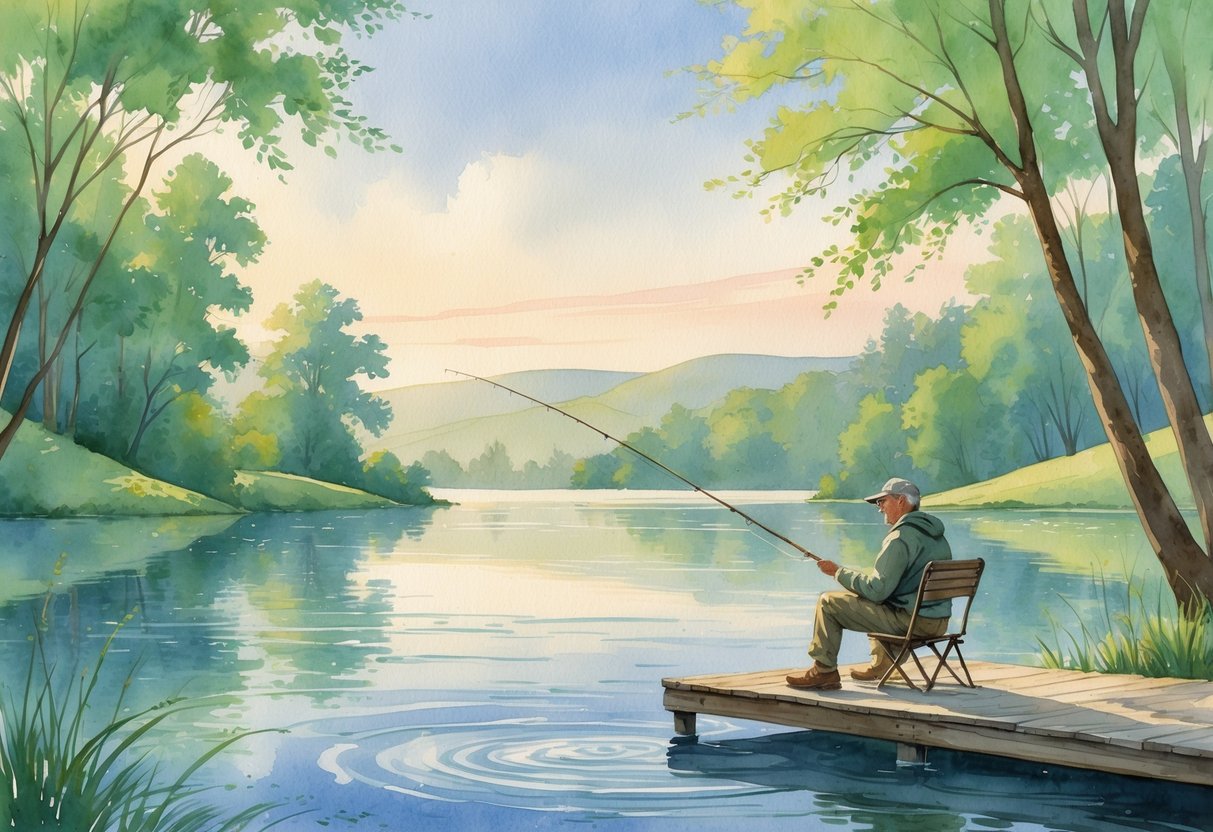
Fishing gives you a peaceful way to spend time outdoors. You can enjoy quiet moments by the water, which helps calm your mind and lower stress levels.
If you are looking for a gentle and relaxing hobby, fishing is a good choice. The simple acts of casting a line and waiting for a bite teach you patience and focus.
Many veterans find fishing helps them practice mindfulness. While fishing, you pay attention to small details, like the sounds around you, the feel of the rod, and movements in the water.
Spending time in nature can boost your overall mood and well-being. You may notice yourself breathing more deeply and feeling less anxious when you are near water.
Fishing does not require expensive gear or prior experience to get started. Local parks, lakes, and rivers often have spaces open to new anglers.
If you wish, you can join groups or veteran programs that offer guided fishing trips. Programs like Project Healing Waters Fly Fishing help veterans learn new skills and meet others with similar experiences.
Some people prefer to fish alone for quiet reflection. Others like to share the experience with friends or family.
Fishing is a hobby you can enjoy at your own pace. You can plan short trips after work or spend a full day at your favorite spot.
You might discover new local places or travel to explore different fishing areas. Exploring new waters adds variety and excitement to your routine.
2) Volunteering with veteran support organizations
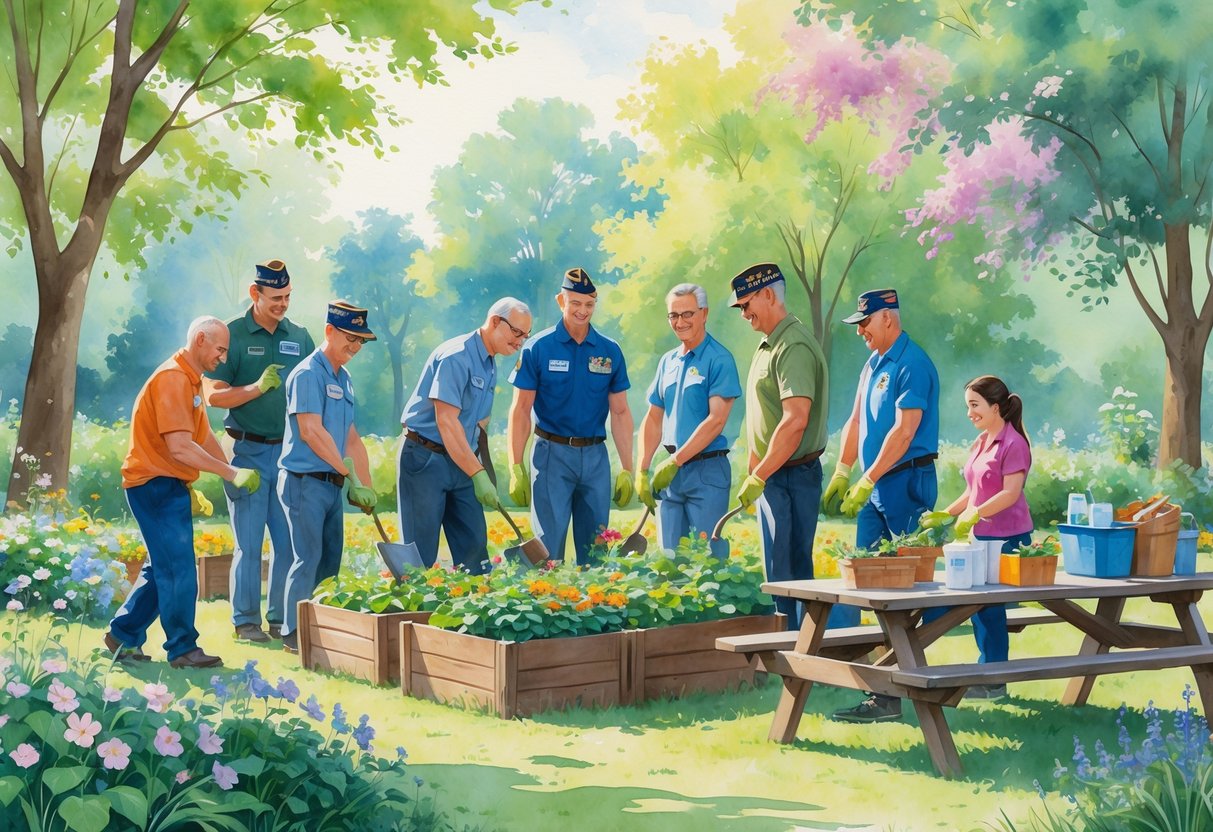
Volunteering with veteran support organizations is a practical way to help others while finding purpose after your military service. Many veterans feel a strong connection to their community and want to give back.
By volunteering, you can use your skills and experiences to support fellow veterans in meaningful ways. You might choose to help with local events, organize resources, or provide mentorship to those who are new to civilian life.
There are many types of volunteer opportunities, so you can find a role that fits your interests and schedule. Some organizations focus on helping veterans find jobs, housing, or mental health services.
Volunteering is also a good way to meet people with similar backgrounds. You can build friendships and feel a sense of teamwork, much like you did in the military.
These social connections can help reduce stress and make the transition to civilian life feel less lonely. Serving others can also have personal benefits.
Studies show that volunteering can improve your well-being by giving you a sense of accomplishment and routine. Many veterans find comfort and pride in helping their peers and local communities.
Some veterans join national groups like the American Legion or help at local VA centers. Others look for community-based organizations that focus on volunteerism for veterans.
No matter where you choose to volunteer, your support is valued. Getting started is usually simple.
You can contact an organization directly, visit their website, or ask your local VA for recommendations. Many groups will help you find training, events, or projects that match your abilities.
Volunteering does not have to take up all your time. Even a few hours a month can make a real difference.
This flexible commitment makes volunteering a good fit for veterans of all ages and backgrounds.
3) Joining veterans’ mentorship programs
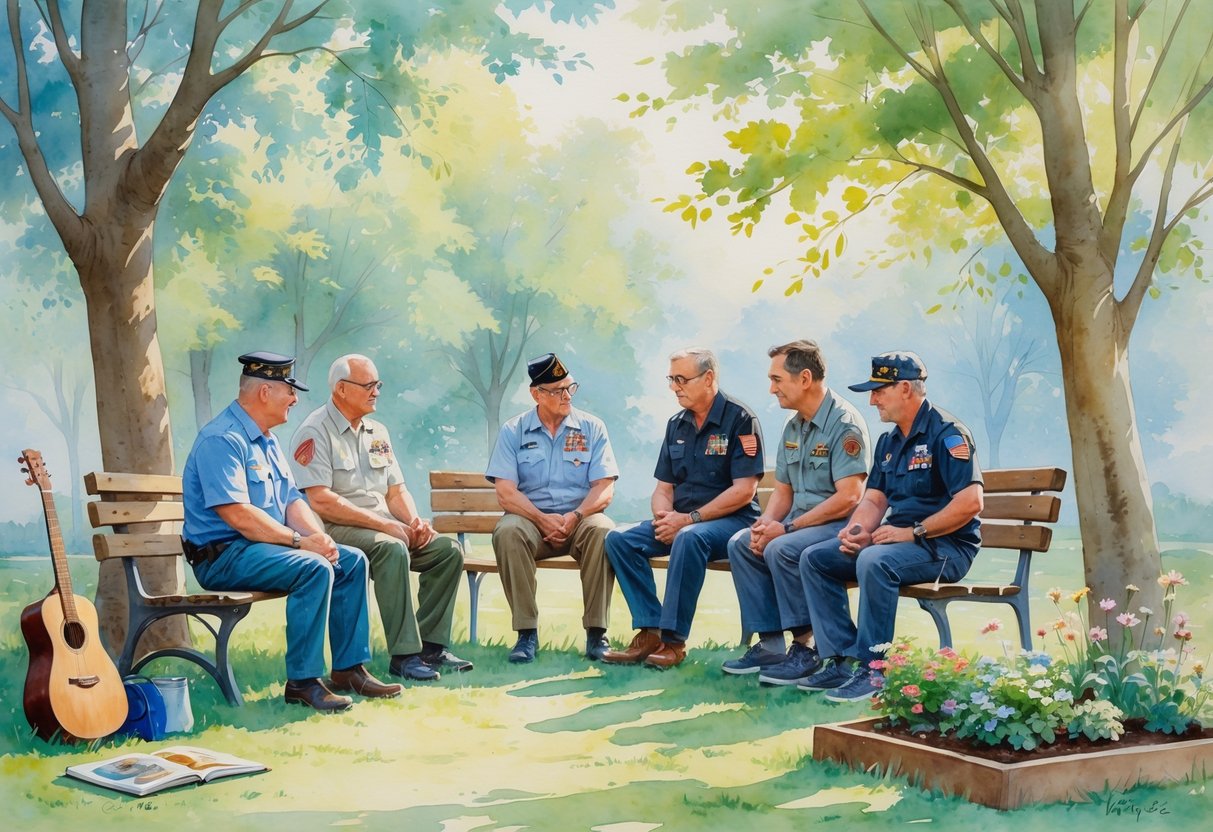
Joining a veterans’ mentorship program can help you adjust to civilian life. These programs pair veterans with mentors who have already gone through the transition themselves.
Guidance from someone who understands your background makes changes feel less overwhelming. You get support for job searches, college, or daily life.
Mentors can offer advice about making a resume, finding a good job fit, or using your military skills in the workplace. Sharing your challenges and successes with a mentor builds confidence over time.
Mentorship programs also connect you to a wider network. You gain access to veteran alumni groups, professional contacts, and social opportunities.
Many universities have special groups where student veterans help each other succeed in academics and future careers. Learn more about this support in mentorship resources for student veterans.
Some mentorship programs focus on helping you create a plan for your next steps. This guidance may include setting goals, creating action plans, and offering feedback along the way.
Having a clear guide can make your next chapter easier to manage. Another benefit is emotional support.
Moving from military to civilian life can be stressful and uncertain. Talking with someone who has faced these same changes can help you feel understood and less alone.
Veterans often report feeling stronger and more prepared when they have a mentor to lean on. Mentorship isn’t just about career growth.
It’s also about building community and finding your place outside the military. Programs like these also provide valuable advice as you build a new social life, career, and purpose.
Find more about how these programs can support your transition at mentorship programs for veterans.
4) Participating in team sports like softball or basketball
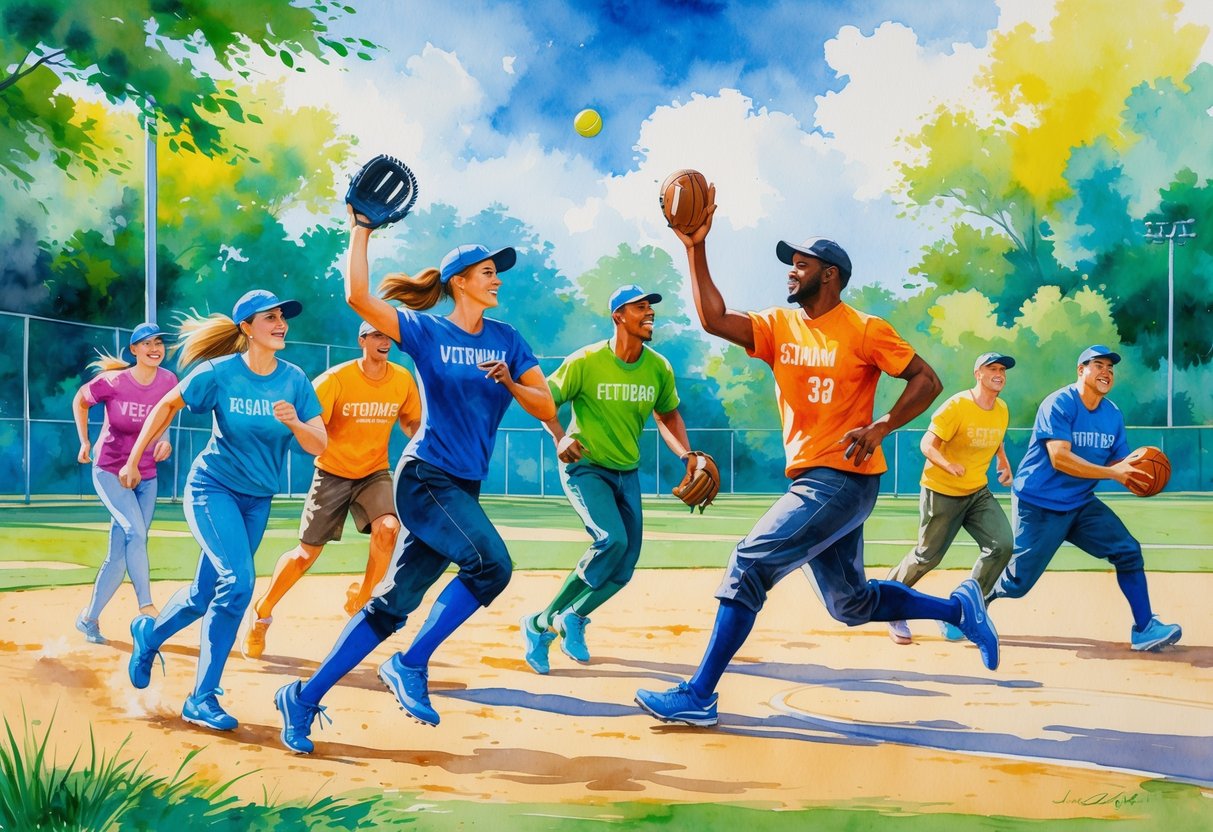
Team sports like softball or basketball give you a way to stay active while connecting with others. These games require working together, which can help you use your teamwork skills from military life in a new setting.
You may find the familiar structure and rules both comfortable and motivating. Getting involved in a local league or club can help you build new friendships.
Friendly competition and shared goals create a sense of belonging. Even if you have never played before, many community teams welcome all skill levels.
Regular practice and games provide routines that you might miss after leaving the service. These sports also encourage good physical health and help with stress management.
Moving your body and having fun can lift your mood and help clear your mind. If you enjoy leadership, you may want to try coaching or helping to organize a team.
Taking on these roles lets you guide others and stay engaged with your group. Veterans often find value in supporting teammates and watching the group improve together.
Playing on a team gives you a reason to show up and be present. It’s a chance to celebrate wins, learn from losses, and develop trust with people from different backgrounds.
If you are looking for more ideas, you will find that many veterans benefit from joining team sports leagues like basketball or softball. This option provides both exercise and meaningful connections during your transition to civilian life.
5) Motorcycle riding groups for camaraderie
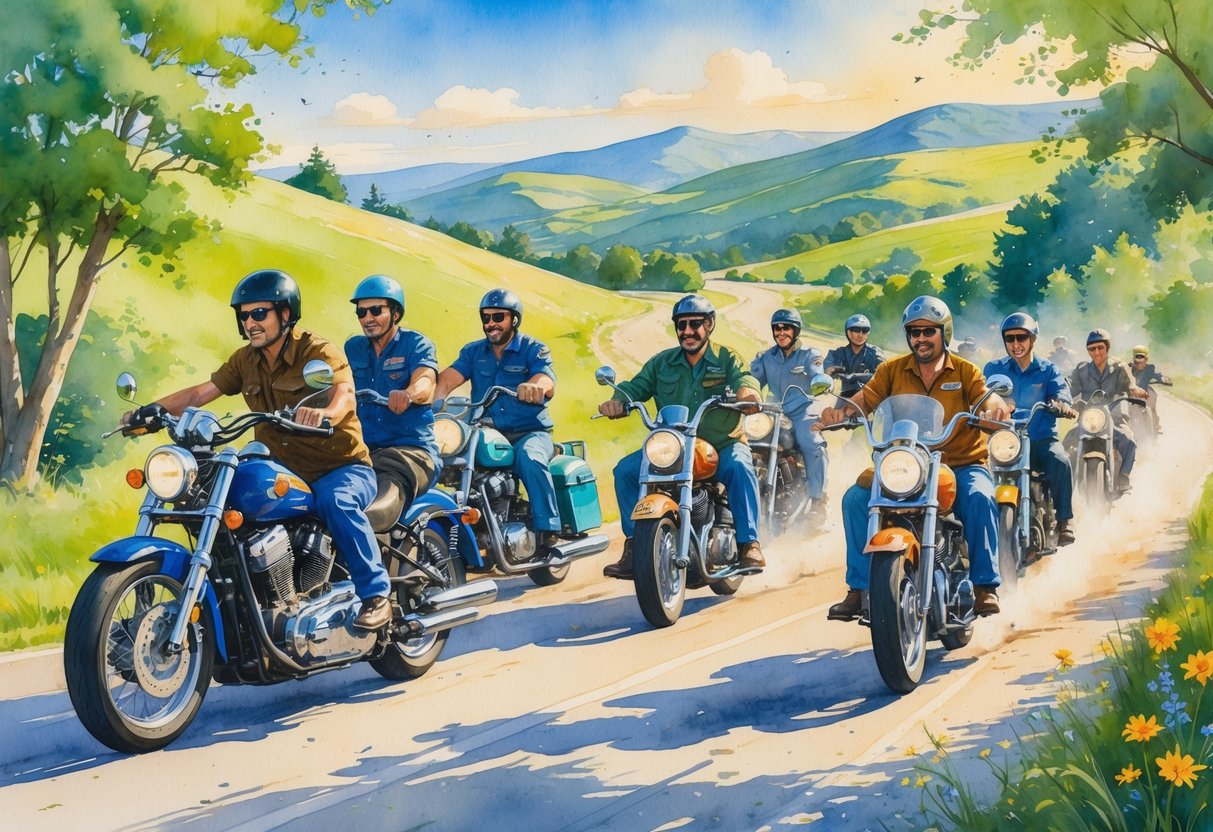
Motorcycle riding groups offer a strong sense of camaraderie and belonging. When you join a group, you can meet other veterans and riders who share your interests.
Riding together helps you build new friendships and stay connected with a supportive community. Many veterans find that motorcycle riding brings freedom and relaxation.
It gives you time to clear your mind while enjoying the open road. Being part of a group also means you can look out for each other and help new members feel welcome.
Veterans often say this teamwork and support remind them of their days in service. Joining motorcycle clubs or going on group rides lets you take part in activities and events.
Some groups even focus on supporting veteran causes. Sharing these experiences with other riders can become an important part of your new routine.
You can find local motorcycle riding groups easily through organized clubs and group rides. If you are interested in meeting riders in your area, you can join community events or check out motorcycle riding meetups.
Whether you are new to riding or a long-time enthusiast, you will likely find a welcoming group that matches your skill level. For many veterans, riding with others brings back the sense of brotherhood and purpose they valued in the military.
Riding together also encourages healthy social interaction and keeps you active. You do not need to own a fancy bike or have years of experience.
Many groups welcome all riders, and you can join rides or events at your own pace.
6) Creative writing to process experiences
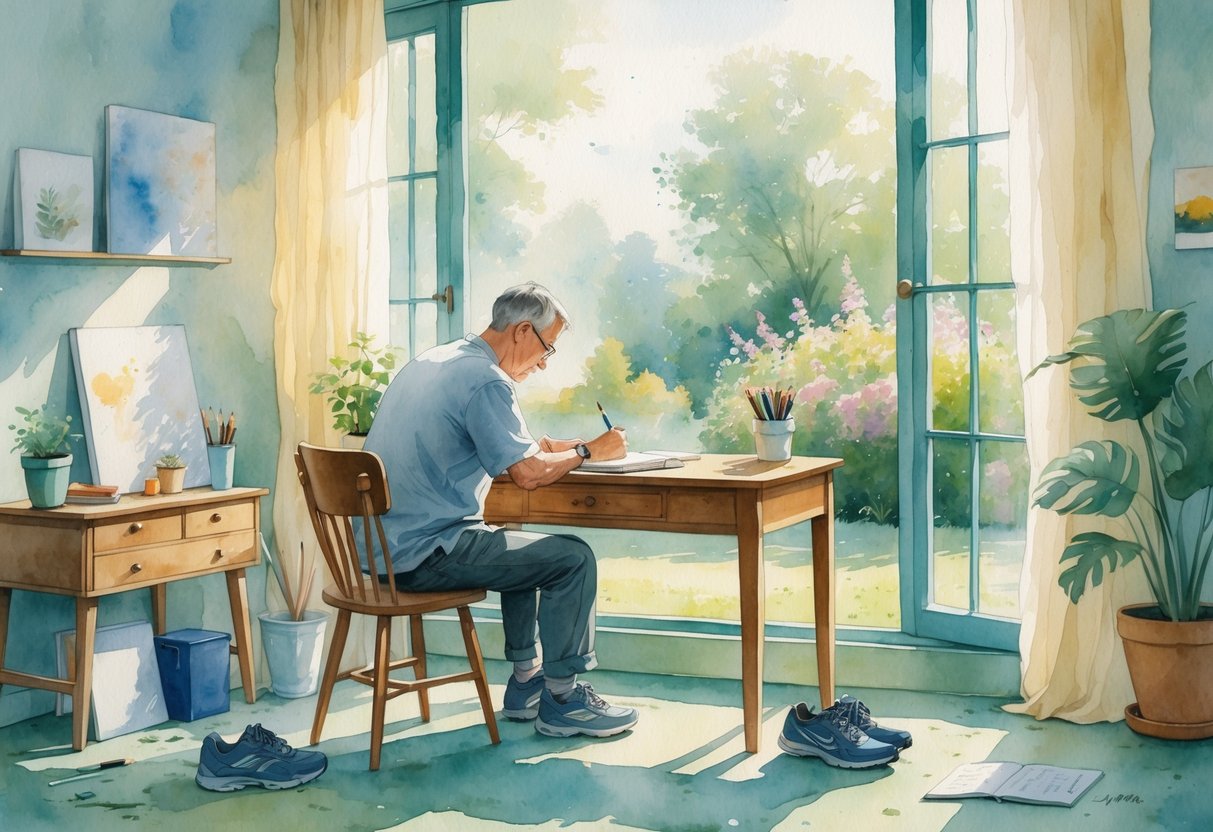
Creative writing lets you express your thoughts and feelings after military service. You can write stories, poems, or even keep a journal.
This helps you put your experiences into words, which can make them easier to understand. Writing is private, so you get to choose what you share.
Some veterans find this safe space helpful for sorting through tough memories. You don’t have to worry about being judged when writing for yourself.
Many veterans use creative writing to reflect on what they have gone through. It can show you new ways to look at your past, your achievements, and even your struggles.
Through writing, you can uncover patterns in your feelings and reactions. Sharing your work can help others understand what you’ve experienced.
If you feel comfortable, sharing your story can make you feel less alone and more connected. Storytelling is known to build bridges with family, friends, and even other veterans.
You can choose to write fiction, non-fiction, or even blend the two. This freedom encourages creativity and lets you control how your story unfolds.
Many veterans who try creative writing report that it brings some relief from stress or anxiety. Storytelling through writing can provide structure and purpose in daily life.
It can also improve your self-confidence as you build your skills. You don’t need special equipment or training to get started.
All you need is a notebook or a computer. If you want more guidance, writing groups or workshops are good options for finding support and feedback.
7) Gardening for stress relief and focus
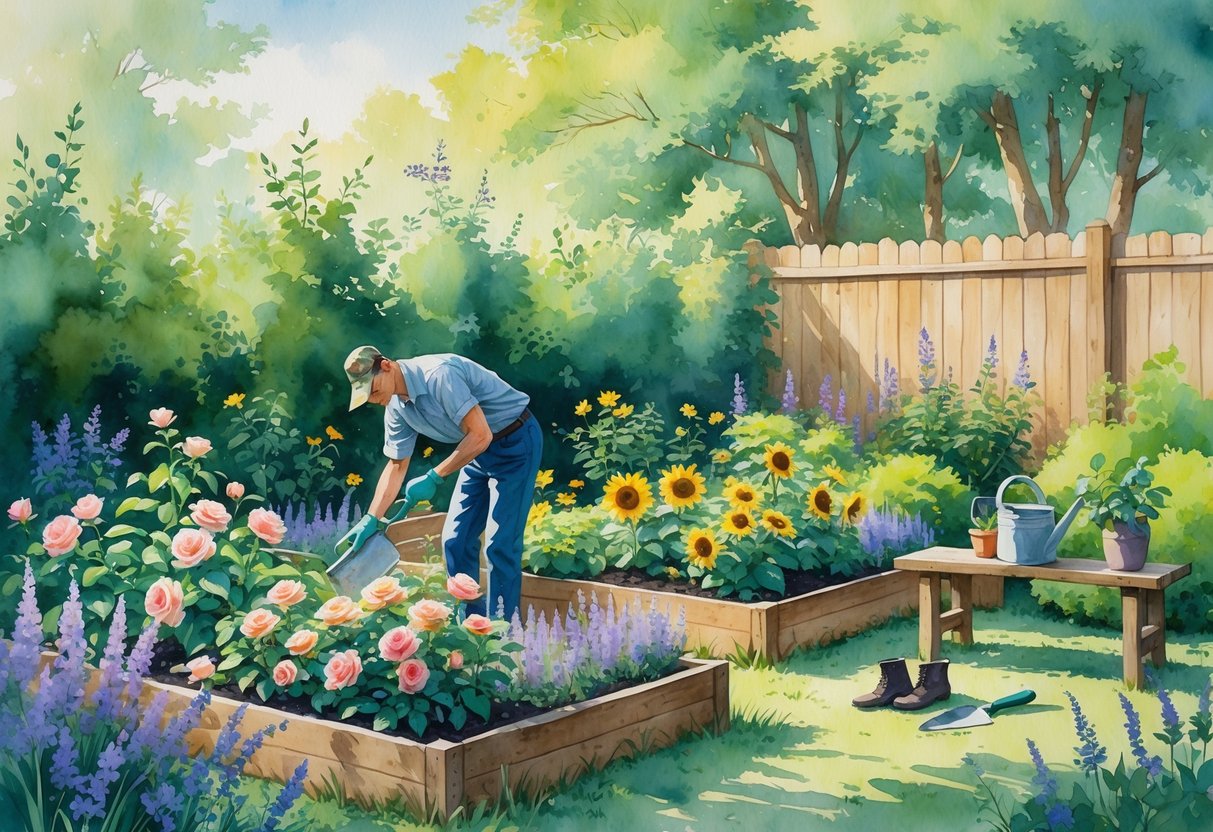
Gardening is a great hobby if you want to lower stress. Taking care of plants helps your mind slow down and focus on simple, calming tasks.
Many veterans find that time spent with plants can lower feelings of anxiety. When you work in a garden, you use your hands and connect with nature.
This physical activity can release tension and help you feel more grounded. You may notice that your breathing slows and your body feels more relaxed when you are outside.
Watching plants grow can give you a sense of purpose. Every seed you plant and every flower you water shows clear progress.
For some people, this helps replace the structure lost after leaving the military. Some groups offer programs designed for veterans who want to garden.
You can find community gardens, special classes, and even support groups focused on gardening. These programs provide both education and a chance to meet people with similar backgrounds.
Veterans often mention that gardening gives them a break from daily worries. Tending to crops or flowers can help take your mind off stress and help you focus on the present moment.
The sights and smells in a garden add to the calming effect. There are also physical benefits to gardening, such as gentle exercise and fresh air.
Even light gardening can improve your mood and keep your body moving. If you want more information or ideas for getting started, several groups offer guidance and therapeutic gardening programs for veterans.
To learn more about these options, you can visit resources that focus on gardening as therapy for veterans or explore details about the therapeutic benefits of working with plants.
8) Photography as a form of storytelling
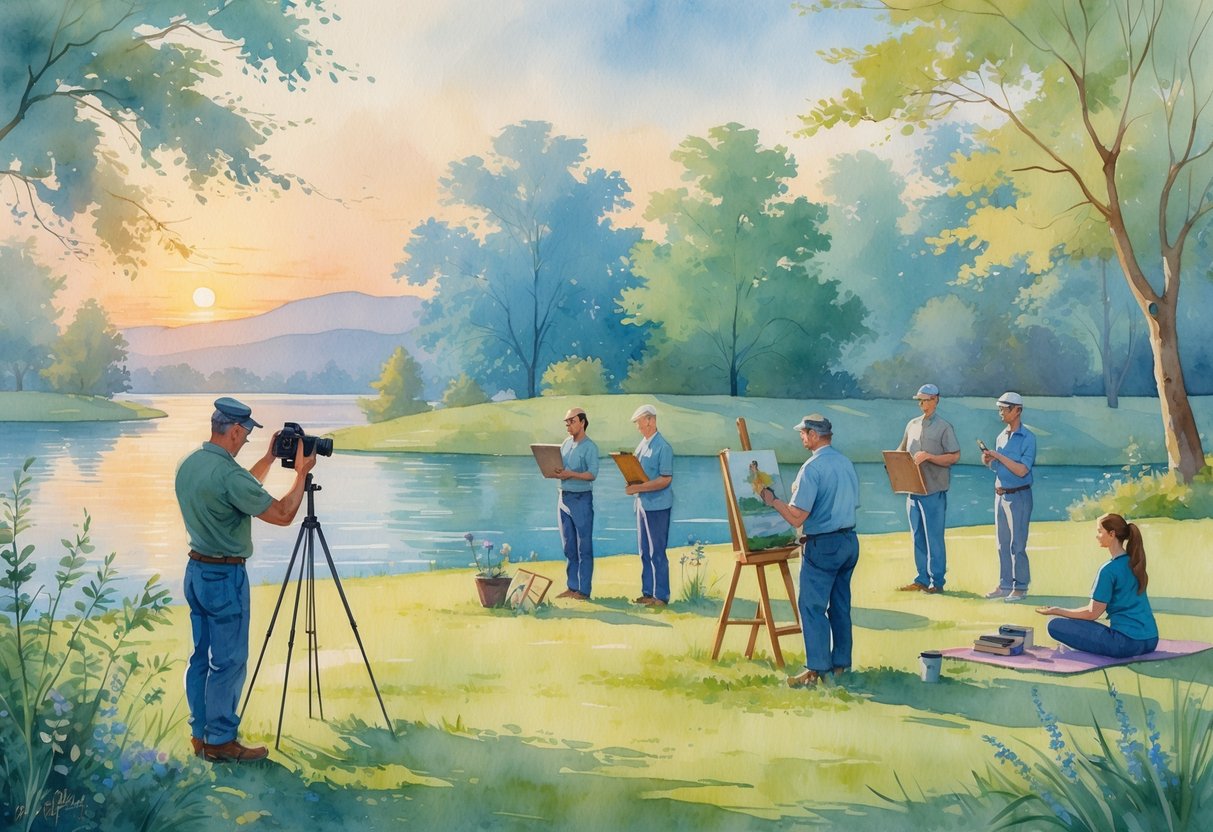
Photography is a simple way for you to share your experiences and express your thoughts. You do not need fancy equipment to begin—a smartphone or a basic camera is enough to start taking photos that mean something to you.
This hobby lets you capture moments that you find important or special. Through photos, you can show others how you see the world.
This can help you feel more connected to family, friends, or other veterans. Many veterans find that photography helps them process their memories and emotions.
Taking pictures can be relaxing and give you a sense of control. It can also help reduce stress, especially when you focus on nature or things you enjoy.
If you want to learn more, look for local classes or online groups that focus on photography. Some community centers and veteran organizations offer classes made for beginners.
You might also consider joining a photography club to meet others and share your work. Photography can also be a way to tell stories about your service.
You can use your images to show your experiences and help other people understand what you have been through. Projects like storytelling through photos have been shown to support healing and growth among veterans.
You can find more about photography for veterans as a creative way to share stories at this article on Photography for Veterans. You do not have to be a professional to enjoy photography.
The most important part is that your photos matter to you. This hobby allows you to express yourself, try new things, and maybe even discover new sides of yourself.
9) Joining veterans support groups
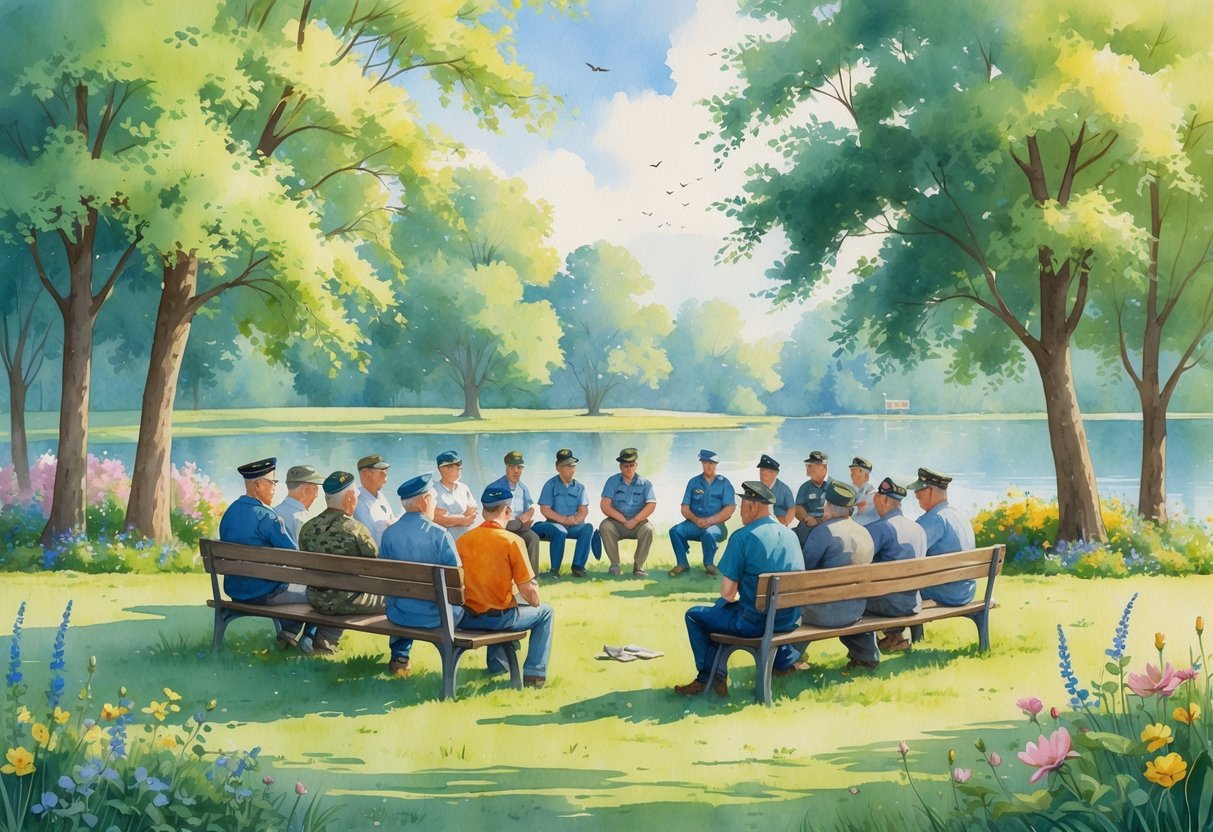
Connecting with other veterans through support groups can give you a sense of belonging during your transition to civilian life. Many veterans face changes in routine, social circles, and identity.
Being around people who understand your experiences can help with these challenges. Support groups are often a safe place to share your thoughts or talk about difficult moments.
You do not have to explain military terms or experiences because others know what you mean. This can make it easier to open up and feel understood.
Regular meetings, whether in person or online, provide structure to your week. This can help you build healthy routines and stay active.
Engaging with others also helps reduce feelings of loneliness. Veterans support groups may also share helpful resources or tips about jobs, housing, or health care.
Some groups invite speakers or host workshops on important topics. These activities keep you informed while building your skills.
Studies show that talking with others who have gone through similar events may improve mental well-being. Support groups encourage you to develop coping strategies and manage stress.
Joining a group is simple and there are many types available. Some are focused on talking and listening, while others might include activities like volunteering or sports.
This flexibility lets you choose what fits your needs best. For more on how veterans support groups can benefit you, see this guide on enhancing community engagement for veterans.
10) Playing tabletop or online gaming for social connection
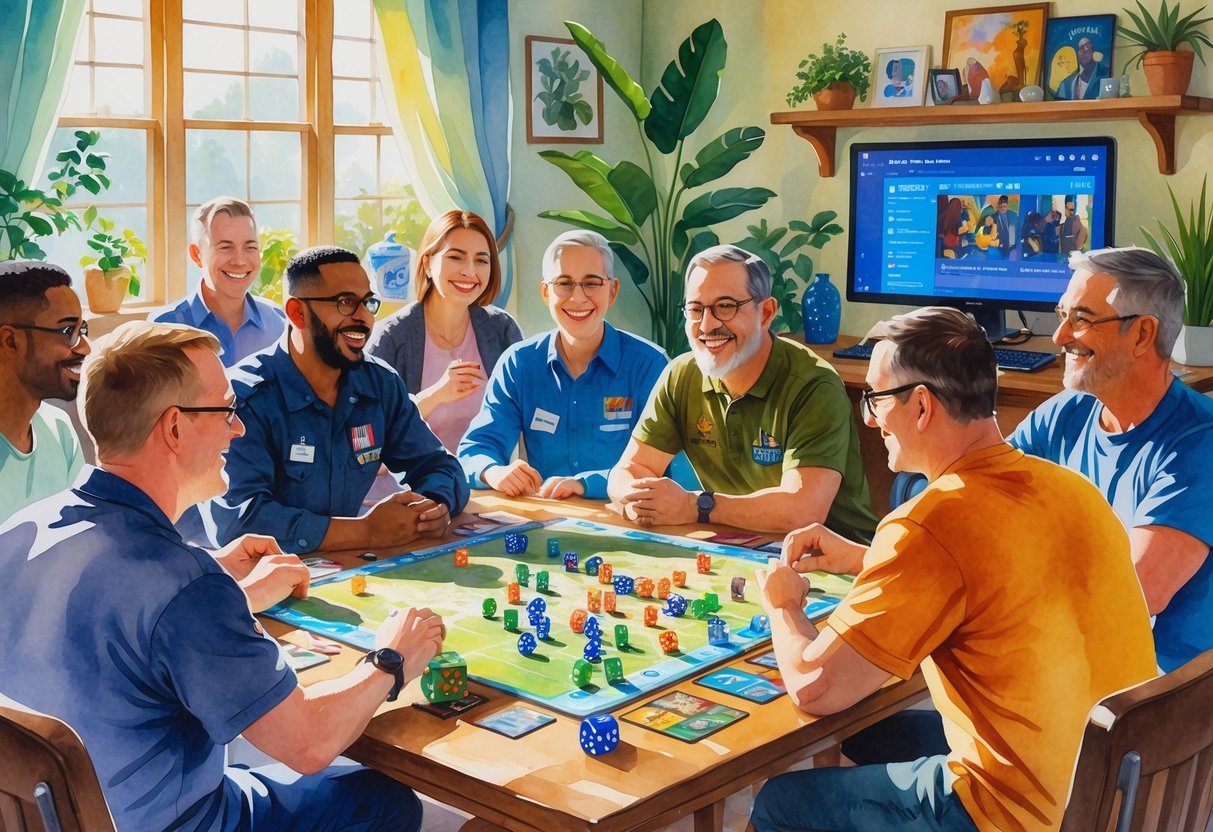
Playing tabletop or online games can help you connect with people in a relaxed and enjoyable way. Tabletop games include board games like chess, Settlers of Catan, or Dungeons & Dragons.
These games have clear rules, encourage teamwork, and make it easier to start conversations. Online games give you the chance to interact with others from anywhere in the world.
Many games have built-in chat features, so you can talk with teammates while you play. Popular titles include multiplayer online games like World of Warcraft and Fortnite.
Gaming lets you join communities with people who share your interests. You can meet new friends by joining gaming groups or clubs.
Some communities meet in person, while others are online-only, so you have options to fit your schedule and comfort level. Being part of a gaming group can help ease feelings of isolation and give you something to look forward to each week.
Even just talking with other gamers online can boost your mood and make you feel included. Many veterans find common ground with gamers who also value strategy and teamwork.
You may discover that your military skills help you succeed in certain types of games, such as team-based online games or role-playing adventures. If you are new to gaming, most communities are welcoming to beginners.
You do not need special equipment for most tabletop games, and many online games can be played with just a basic computer. Whether you play in person or online, gaming can give you a sense of connection and belonging during your transition to civilian life.
Benefits of Hobbies During Transition

New hobbies can give you practical ways to manage stress and reconnect with others. These activities often help you develop meaningful routines and build a sense of purpose outside of military life.
Enhancing Emotional Well-Being
Hobbies offer you a healthy way to manage emotions after leaving the military. Many veterans find that engaging in creative or physical hobbies helps lower stress and gives the mind something positive to focus on.
Simple activities, like painting, gardening, or woodworking, encourage relaxation and can make tough days feel more manageable. Participating in hobbies lets you experience small achievements.
Learning a new skill or finishing a project can boost self-esteem, which is especially important during big changes. Hobbies may also give structure to your day, which supports mental health and a balanced lifestyle.
Some research shows that creative hobbies, such as music or art, can help you process emotions and manage symptoms of anxiety. Physical hobbies like hiking or sports can also improve your mood by releasing endorphins.
Many veterans use hobbies as a tool for managing stress while adjusting to civilian life.
Building Social Connections
Taking part in group hobbies can help you build new friendships outside the military. Sports leagues, book clubs, and volunteer projects give you chances to bond with others who share your interests.
This social contact can replace some of the strong connections you had with your fellow service members. Social hobbies provide a safe space to talk and build trust.
Shared activities bring people together and make it easier to start conversations. For example, joining a community garden or a local team can connect you to people from different backgrounds.
Many veterans have felt less isolated after joining groups focused on hobbies like motorcycling, gaming, or community volunteering. Over time, these new social ties can help you feel included and supported during your transition.
How to Choose the Right Hobby
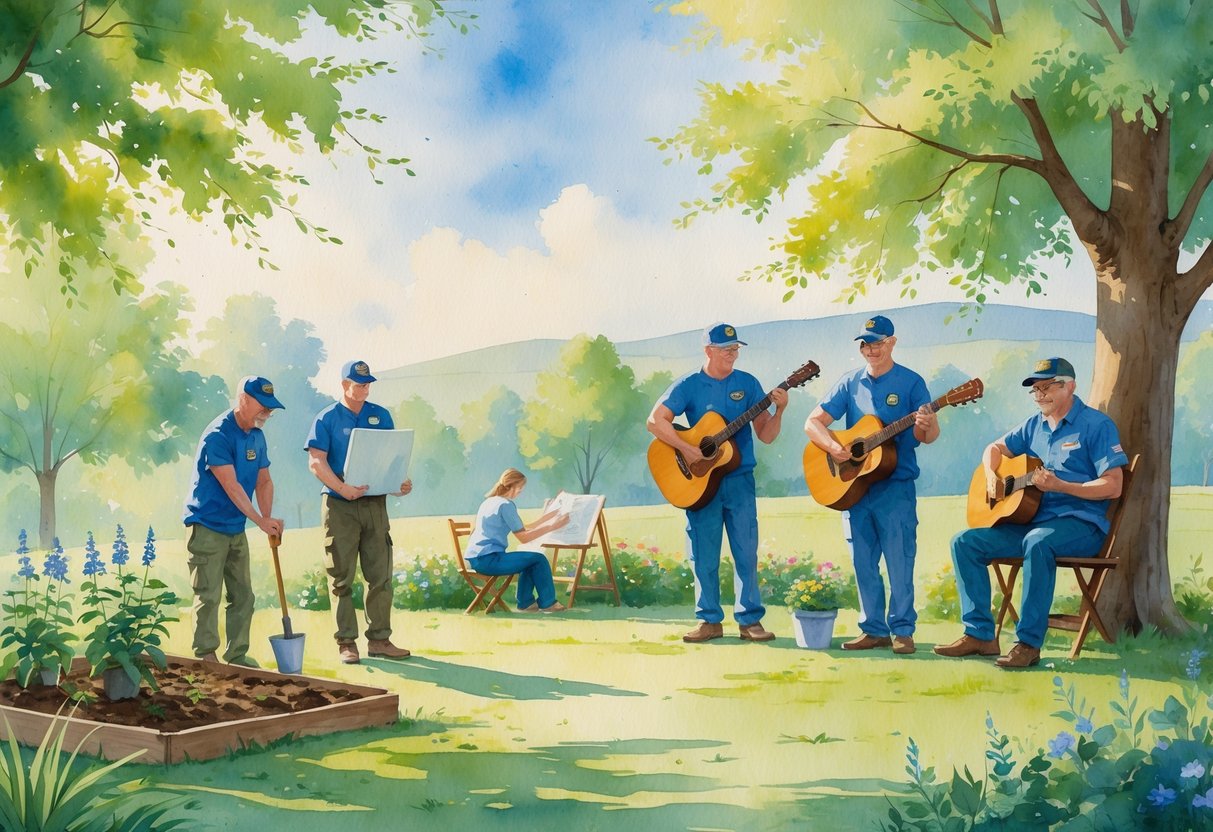
Finding the right hobby can help you reconnect with your interests and ease the stress of adjusting to new routines. Take time to explore activities that match your personality and use skills you already have.
Identifying Personal Interests
Think about activities you have enjoyed in the past or would like to try. Make a list of things that catch your attention, even if they seem small.
This can include sports, art, music, building models, or spending time outdoors. Ask yourself these questions:
- Do you prefer being social or spending time alone?
- Are you interested in hands-on projects or creative work?
- Would you rather learn something new or improve a skill you already have?
Trying out several hobbies before choosing one can help you find what feels meaningful. You may find it helpful to talk to other veterans or join local groups.
Some hobbies offer a chance to meet new people, build friendships, and create support networks, which many veterans find rewarding according to this guide on hobbies for stress relief.
Adapting Skills from Military Experience
Many skills you gained in the military can translate to civilian hobbies. If you enjoyed teamwork, you might like group sports, volunteering, or community activities.
If you used problem-solving, building models or working with computers might interest you. Discipline and focus often develop during service and are useful for hobbies like woodworking, fishing, or learning to play an instrument.
Leadership skills can help you lead a group activity or mentor others. Think about what parts of your service you liked best.
Use those strengths to choose hobbies that let you stay active, challenged, or connected with others. You can find even more hobby ideas that fit your background in lists like the 100+ hobby ideas for veterans.
Frequently Asked Questions
Veterans often seek hobbies that support skill building, mental health, creativity, and social connections during the transition to civilian life. Some activities can also help you stay physically healthy and turn your military strengths into enjoyable pastimes.
What activities can help veterans develop new skills for civilian employment?
You can improve your communication and leadership abilities by joining mentorship programs or volunteering with veteran support groups. These roles often involve teamwork, planning events, and public speaking.
Participating in team sports and organizing group activities can also build project management and problem-solving skills. Many companies value these experiences when hiring for civilian jobs.
Which hobbies are beneficial for maintaining mental well-being after military service?
Fishing encourages mindfulness and relaxation, helping you manage everyday stress. Joining motorcycle riding groups fosters a sense of camaraderie and belonging, which is important for your mental health.
Volunteering can give you a purpose and provide social support. For more examples, see these hobbies that boost mental health for veterans.
How can veterans leverage their military experience in civilian recreational activities?
Your teamwork and discipline from the military transfer well to civilian team sports like softball or basketball. These activities require collaboration and strategic thinking, skills you likely already have.
Being involved in motorcycle riding groups or veterans’ clubs can also give you the opportunity to lead group rides or organize events. This allows you to use your planning and leadership experience.
Are there social hobbies that can assist veterans in building a civilian network?
Joining team sports leagues and motorcycle riding groups can help you make new friends and connect with people in your community. Volunteering with local organizations introduces you to those who share your interests.
Mentorship programs specifically for veterans are another source of support and networking. Find more ideas for engaging hobbies perfect for combat veterans.
What creative hobbies are most suitable for veterans looking to explore artistic expression?
Art therapy, painting, woodworking, and photography are good options for expressing your creativity. These activities let you tell your story in new ways and can be calming.
Writing, whether journaling or working on stories, helps process experiences. Even simple crafts or music can provide a relaxing way to explore your feelings and ideas.
What fitness-oriented hobbies can veterans take up to maintain physical health post-service?
You can stay active by joining sports leagues for basketball, soccer, or softball. These teams offer both exercise and social interaction.
Motorcycle riding, while not traditional exercise, keeps you engaged and moving.
Walking, hiking, cycling, and swimming are also accessible and help maintain fitness outside of a military environment.
These hobbies are easy to start and can fit into any lifestyle.