
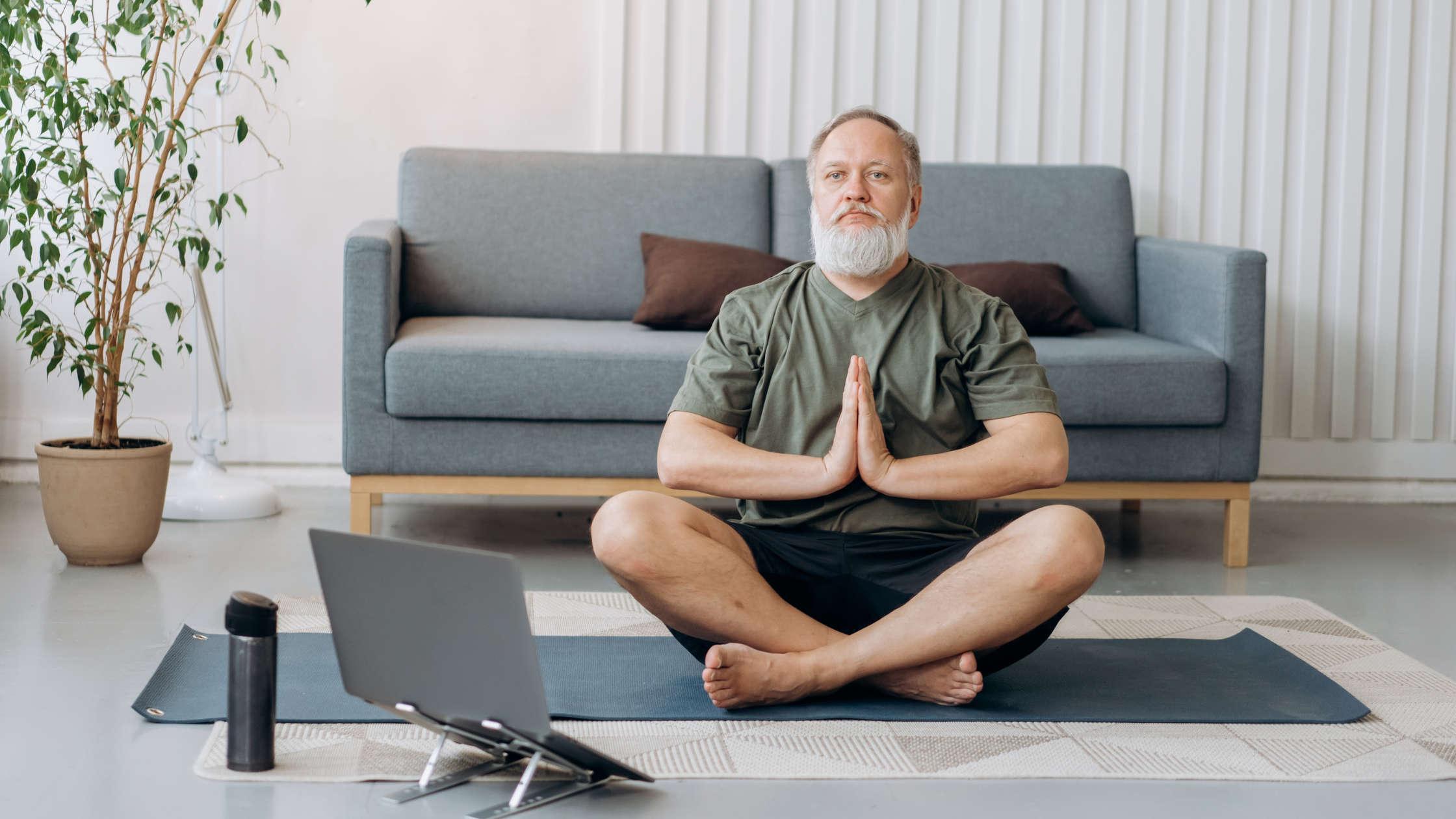
10 Best Hobbies That Help You Stay Present and Mindful Every Day
Finding ways to stay present in your daily life can lower stress and increase your sense of well-being. Hobbies that focus your attention on the moment make it easier for you to enjoy life and feel more balanced.
Choosing the right hobbies can help you become more mindful and less distracted by worries. With the right activities, you can direct your energy into something meaningful and create time to relax.
1) Mindful Meditation
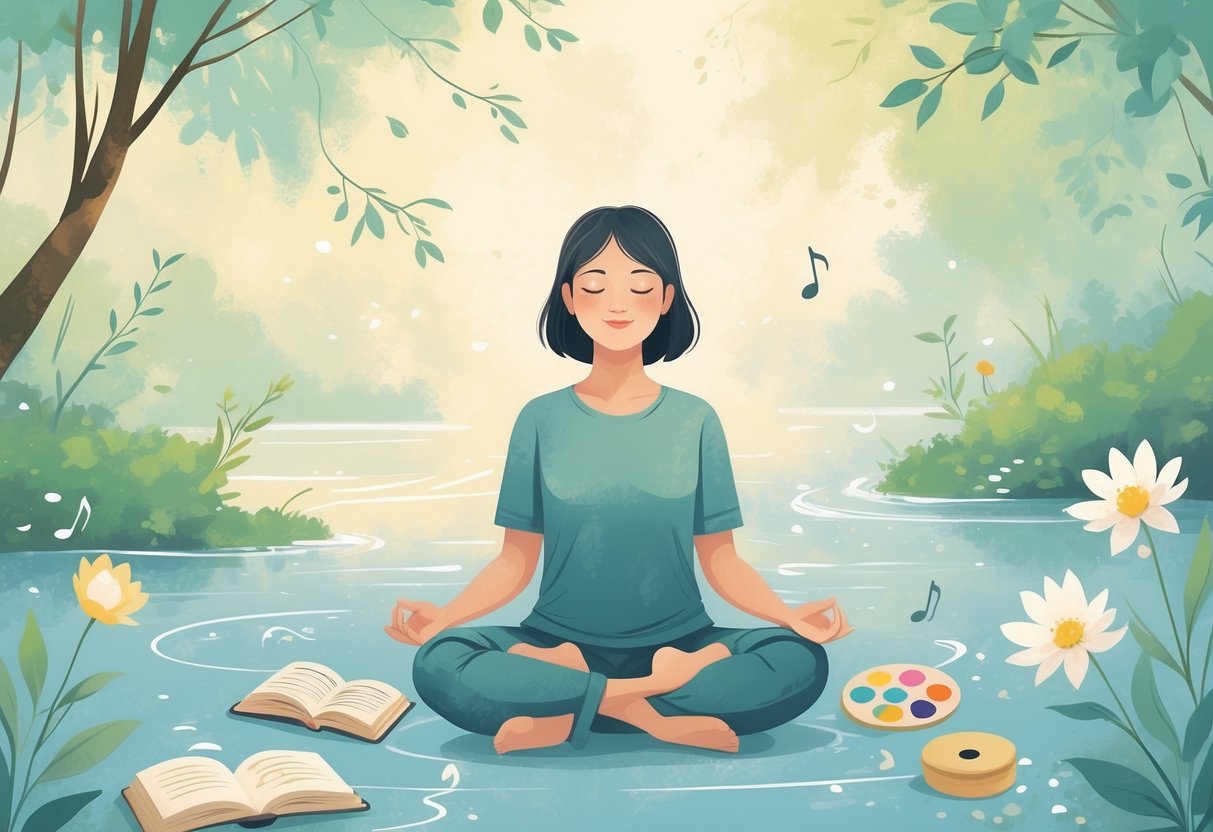
Mindful meditation is a simple and effective way to help you stay present. When you meditate, you focus your attention on your breath, a word, or the sensations in your body.
This practice teaches you to notice what is happening right now. You do not need any special equipment to begin.
Just find a quiet place, sit comfortably, and close your eyes. Pay attention as your breath moves in and out.
If your mind drifts, gently bring your focus back to your breath. Even a few minutes of meditation each day can help lower stress and improve your mood.
By staying with your breath or your chosen focus, you train your mind to let go of worries about the past or future. Many beginners find guided meditations useful.
Apps, online videos, and even short audio clips can walk you through the process. Practicing regularly can make mindfulness a part of your daily routine.
Mindful meditation can also be adapted to fit a busy life. You might choose to meditate in the morning, during a break at work, or before bed.
There is no right or wrong time. The key is to practice, even if it is just for a few minutes.
If you want more ways to increase your awareness, you can try other mindfulness activities. Deep breathing, a body scan, or loving-kindness meditation can each help you stay grounded.
Learn more strategies for staying present at WriteHarbor’s mindful living strategies.
Many people find it easier to focus and stay calm throughout the day with consistent effort.
2) Coloring Mandalas
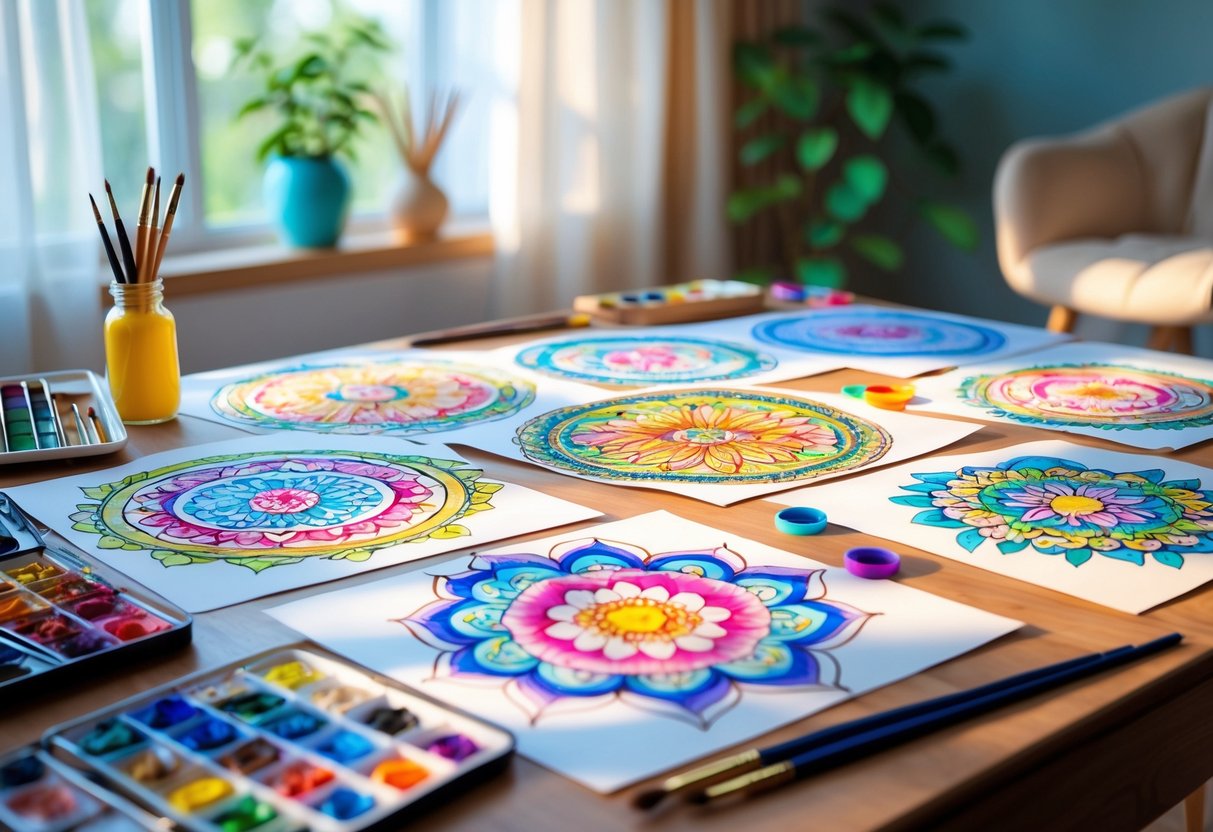
Coloring mandalas is a simple hobby that can help you focus on the present. When you color each shape and line, you pay close attention to your actions.
This activity helps train your mind to stay off worries about the past or future. It keeps your thoughts in the now, making it easier to manage stress.
Choosing colors and filling in the designs requires concentration. You might notice that your mind feels calmer as you work on each part.
If you have trouble relaxing, coloring mandalas gives you a clear task. It is structured, but still lets you be creative with colors and patterns.
The repeated shapes and balanced designs in mandalas offer a sense of order. This order can feel soothing and can help your mind rest.
Coloring inside the lines can improve your patience and attention to detail. You learn to focus and ignore distractions.
Many people use mandalas as part of their mindfulness practice. It gives you a chance to slow down and breathe while being creative.
Even if you are a beginner, you can start with simple patterns. The process matters more than the finished picture.
Learn more about the benefits of coloring mandalas. Each time you finish a mandala, you may feel a sense of achievement.
This can give your mood a gentle boost and motivate you to keep practicing. All you need are coloring supplies and a pattern.
You can find printable designs online or in coloring books made for adults. This is a quiet, enjoyable way to practice being present.
3) Yoga Practice
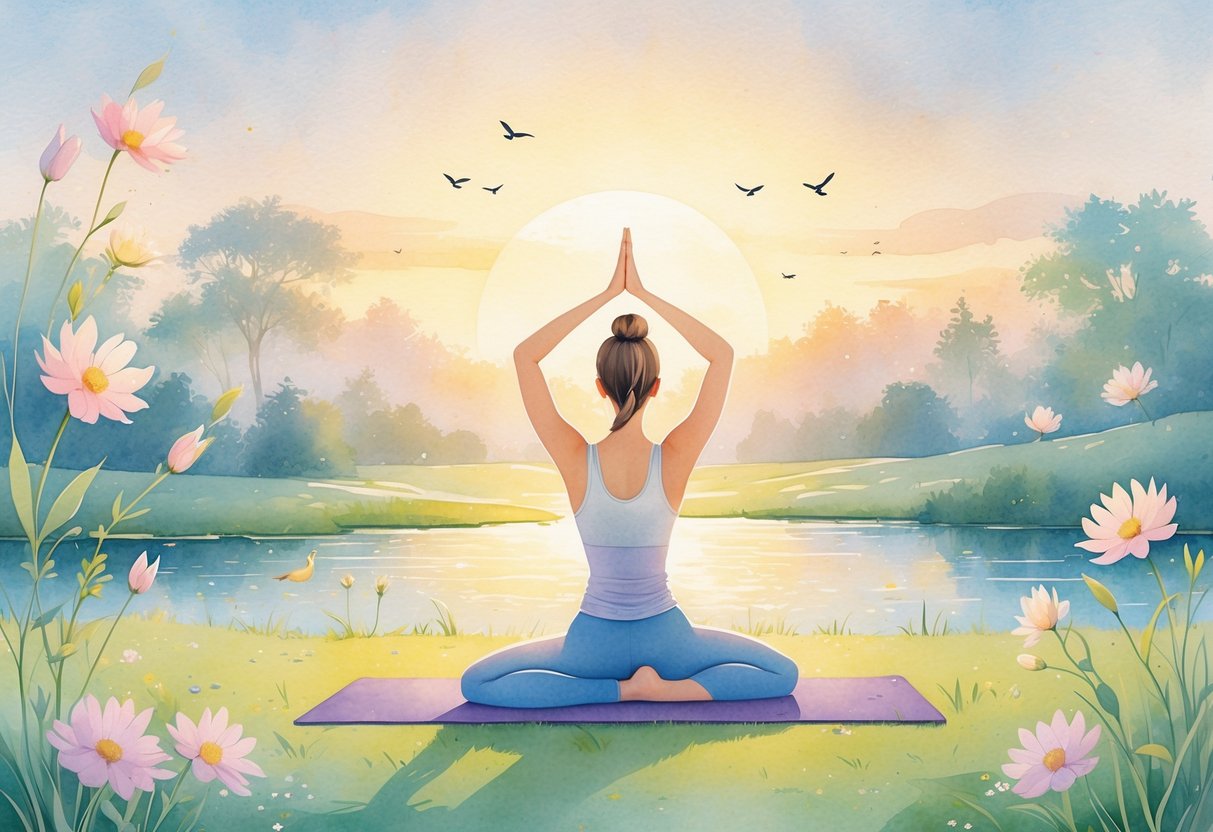
Yoga helps you stay in the moment by connecting your mind and body through movement and breath. When you focus on each pose and your breathing, your attention shifts away from worries or distractions.
There are many styles of yoga you can try. For example, Hatha yoga is known for gentle, basic movements.
If you want something more active, Vinyasa yoga links movement with each breath, creating a smooth flow. Some people like Iyengar yoga because it uses props like blocks and straps for support, making it easier to learn good alignment.
No matter your skill level, you can find a yoga practice that fits your needs. Beginners often benefit from slow-paced classes, while more experienced people might enjoy fast-paced flows or challenging poses.
Online videos and local classes make it easy to get started at your own pace. Yoga doesn’t just help your body.
Regular practice can help calm your mind as well. As you move and breathe, you learn to pay attention to how your body feels right now instead of worrying about what comes next.
Breathing exercises, or pranayama, are an important part of yoga. These help you control your breath and become more aware of each inhale and exhale.
At the end of many yoga sessions, there is a resting pose, often called savasana. This stillness lets you feel the effects of your practice and notice the present moment even more.
For many people, this quiet time is just as valuable as the movements themselves. Whether you choose yoga for gentle stretching, strength, or mindfulness, the focus on being present is a key part of every practice.
4) Journaling Daily Thoughts
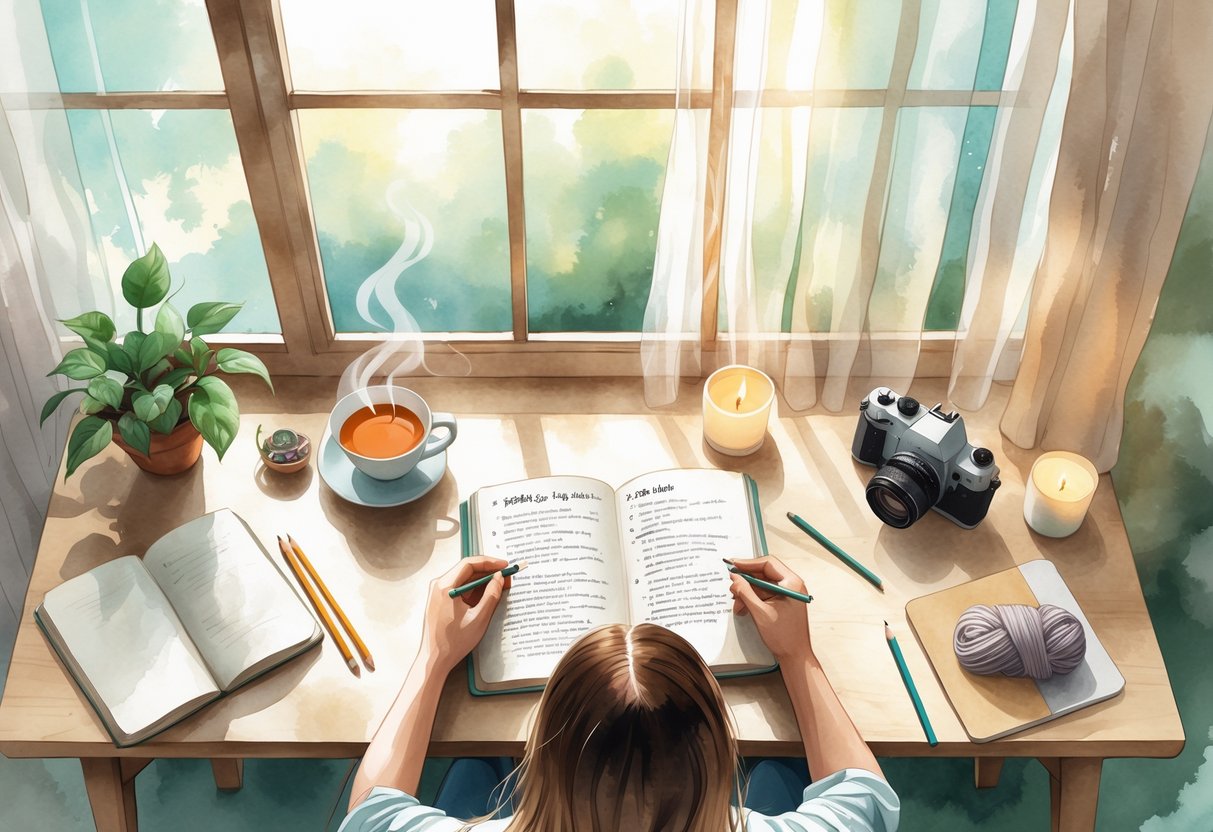
Journaling is a simple activity that helps you notice what’s happening in your mind. By taking a few minutes to write out your thoughts, you can become more aware of your feelings and experiences.
You do not need to follow any special rules. Just write down what comes to you, whether it’s a worry, a happy memory, or an idea for tomorrow.
This practice can help you clear mental clutter and make sense of your emotions. Many people find it easier to focus on the present after journaling, because their thoughts are not as scattered.
Your journal can be a private place to set goals, track moods, or reflect on your day. Some people also use prompts or guided questions to help them get started.
Journaling is linked to reducing stress and better understanding how you feel. Writing things down gives you space to notice patterns in your thoughts and see your growth over time.
You can keep a physical notebook or use a digital app, whichever is more comfortable for you. Make journaling a daily habit, even if you only have a few minutes, to enjoy its full benefits.
It gives you a simple way to check in with yourself each day and stay present in the moment. If you are looking for a practical hobby to support your mental well-being, journaling is easy to start and adjust to fit your needs.
5) Birdwatching in Nature
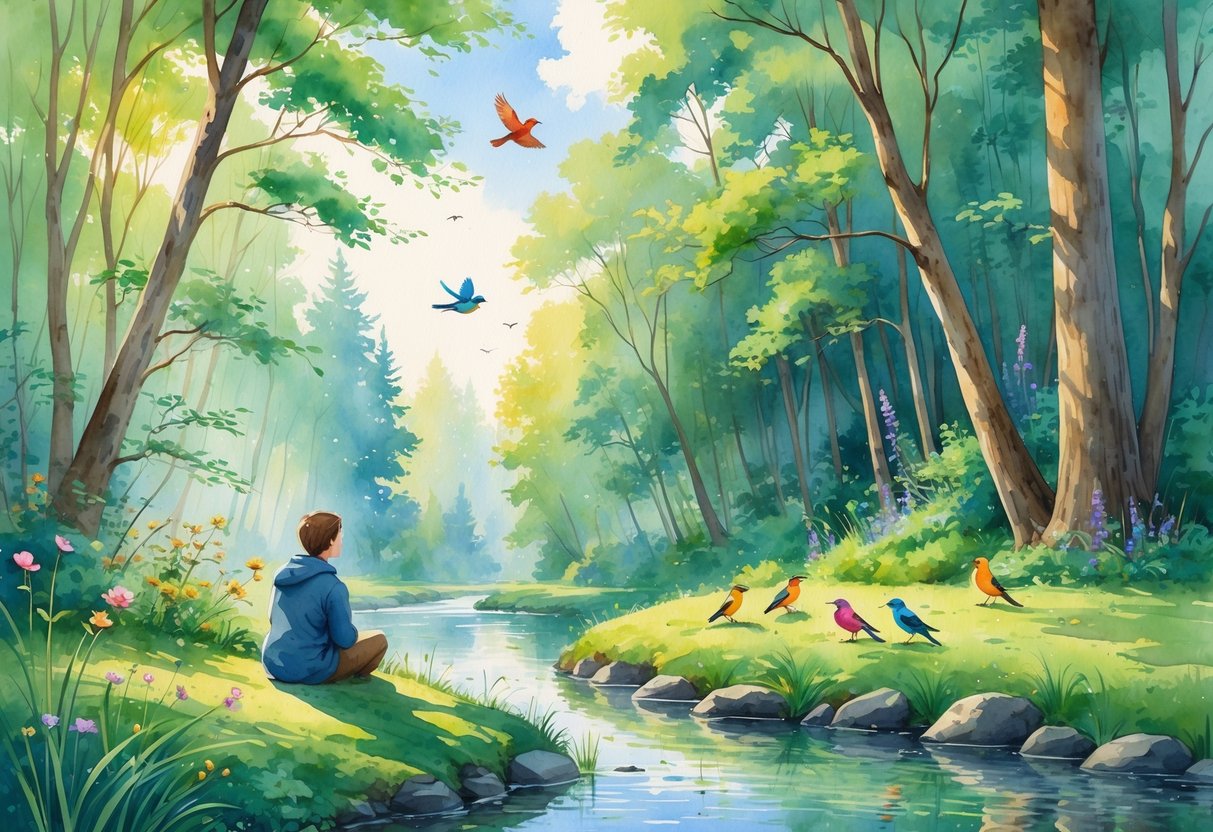
Birdwatching is an easy way to connect with nature and sharpen your attention. When you watch birds, you need to slow down and focus on the world around you.
This helps you notice details you might normally miss. You do not need much equipment to start, just a pair of binoculars and a notebook.
Local parks, backyards, and nature trails all offer a chance to spot different bird species. It is a hobby that works in every season and any location.
Spending quiet time observing birds lets you enjoy peaceful moments outdoors. The simple act of listening to birdsong and watching their movements helps you set aside worries and distractions.
Many people find that birdwatching helps reduce stress and brings a sense of calm. Birdwatching is also a budget-friendly hobby.
You can spend as little or as much as you like, with free outdoor spaces being some of the best spots to start. Places like national parks or wildlife refuges can offer even more variety and a chance to see rare birds.
Explore the benefits of birdwatching in nature and find out why it is fastest-growing hobby in America. This hobby teaches patience and sharpens your observation skills.
As you watch birds, you might start to recognize their calls, colors, and habits. Writing your sightings down in a journal can help you remember each encounter and see your progress over time.
For anyone seeking a quiet, focused hobby, birdwatching is a natural choice. It brings you into the present moment and helps you enjoy the outdoors in a mindful way.
6) Knitting or Crocheting

Knitting and crocheting are crafts that help you slow down and focus. As you work with yarn and needles or hooks, you pay close attention to each stitch.
This process keeps your hands busy and your mind centered on the present. Following a pattern or counting stitches requires patience and concentration.
You can’t rush, which makes you focus on what you’re doing right now. The repetitive motions involved help create a calming rhythm.
Many people find that knitting or crocheting helps them feel more in control. You can make something useful or beautiful, which gives you a sense of achievement.
Working with your hands can also reduce stress and help you relax after a long day. Spending time on these crafts can be a quiet and peaceful experience.
Some people describe it as a type of mindfulness because your mind focuses on the yarn, the colors, and the movement. This kind of focused attention has been shown to help with anxiety and tension, as noted in this article.
Knitting and crocheting can also connect you to others. There are communities and clubs where people share patterns, advice, and encouragement.
You might make friends who enjoy the same hobby and improve your sense of belonging, as described here. You can work on small or big projects, depending on the time you have.
Even a few minutes of knitting or crocheting each day can help clear your mind and bring calm. Whether you make a scarf or a blanket, you’ll have something you made with your own hands.
7) Gardening and Plant Care
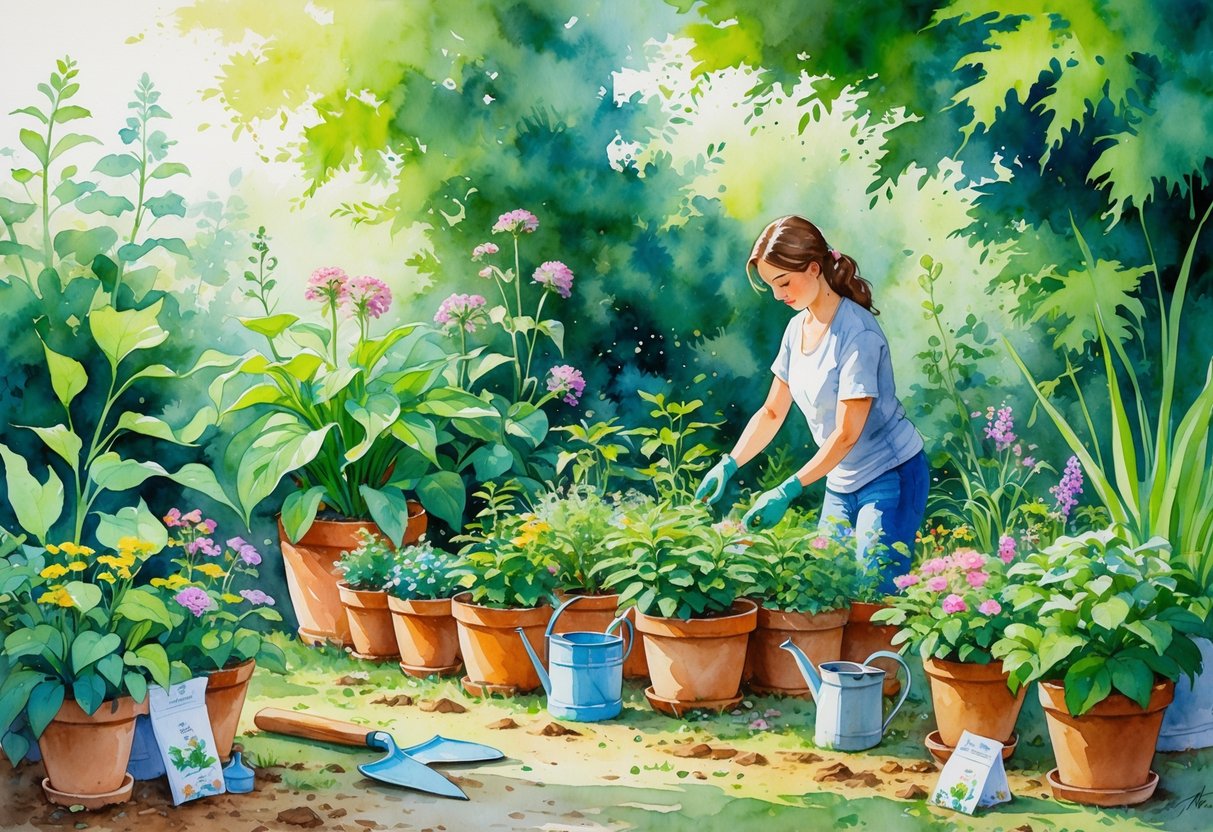
Gardening is a hands-on hobby that helps you connect with nature right in your own space. When you are digging, planting, or watering, your attention is on the living things in front of you.
This active focus gives your mind a break from distractions. Taking care of plants requires noticing small details, like changes in color or the feel of the soil.
These tasks encourage you to slow down and pay attention to the present moment. Simple chores like watering, trimming, or repotting help you engage all your senses.
Watching your plants grow can be both calming and satisfying. Each new leaf or flower is a small accomplishment.
You start to notice subtle changes every day, giving you regular reminders to pause and look closely. If you try vegetable or herb gardening, you get extra rewards from harvesting something you grew yourself.
Even if you only have space for a small pot, caring for one plant can help you practice being present. Gardening works in yards, on balconies, or even with a few pots indoors.
Your routine might include checking on your plants each morning or planning out a watering schedule. These regular habits keep you involved and focused.
You can also choose different types of gardens, from flowering plants to succulents, depending on what fits your lifestyle. Many people find that getting their hands in the soil relieves stress and lifts their mood.
Gardening also gets you outside for fresh air and sunlight, which supports overall well-being. To learn more about the benefits and challenges, visit this guide on gardening as a hobby.
Even simple plant care, such as making sure each plant gets the right amount of water and light, gives you a daily reason to pause and pay attention. Small moments with your plants can bring a sense of peace and mindfulness.
8) Flower Arranging
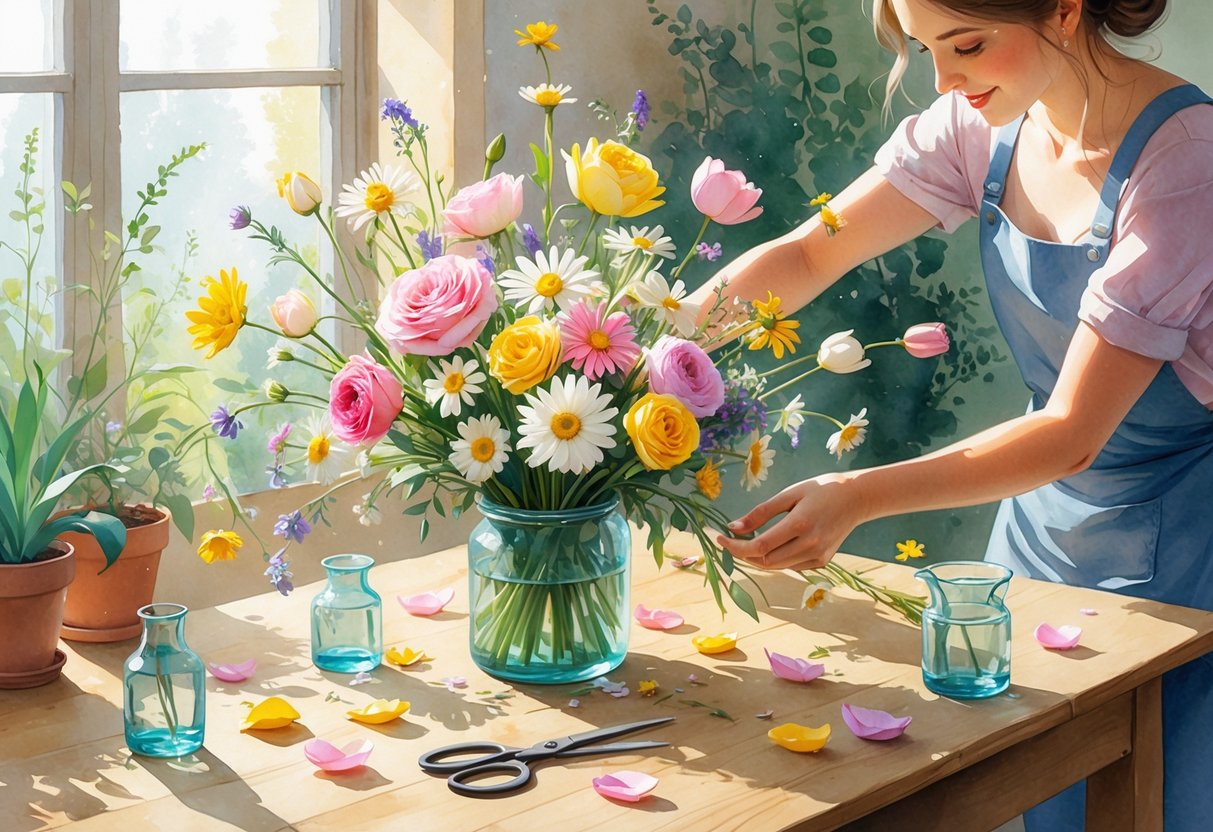
Flower arranging lets you focus on simple, hands-on tasks. When you pick flowers and place them in a vase, your mind needs to pay attention to colors, shapes, and spacing.
This turns your attention away from worries about the past or the future. You can arrange fresh flowers from your garden or buy some from a shop.
Try out different combinations to see what looks best. There are no strict rules, so you can let your creativity guide you.
Learning about different flowers and how to combine them can feel rewarding. It is a hobby you can do alone, or you might invite a friend or family member to join you.
Sharing the finished arrangement can also bring a sense of happiness to others. Many people enjoy arranging flowers because it helps them slow down and notice details they might miss in daily life.
This type of slow living activity can help you become more present in the moment, just like other slow living hobbies. You do not need special tools to start.
A vase, scissors, and some flowers are often enough. As you gain confidence, you might learn new techniques by watching videos or reading guides, like these flower arranging tips for beginners.
The finished result brightens your space and gives you the satisfaction of creating something with your own hands. Even a simple display of flowers can make a big difference in a room and in how present you feel.
Flower arranging is also a hobby that can fit easily into your weekly routine. It is a flexible activity, and even a short time spent arranging flowers can help you feel calmer and more focused.
9) Reading Poetry

Reading poetry is a hobby that lets you slow down and enjoy each word. Poems often use short lines and careful language, so you have to pay attention as you read.
This helps pull your mind into the present moment. When you read a poem, you notice the rhythm, rhyme, and sounds.
You find meaning not only in the words but in how they’re placed. The style and structure invite you to pause, think, and reflect.
Poems can be about anything—nature, emotions, daily life, or even other hobbies. Many people find that reading a few lines of poetry helps them feel more calm and focused.
You can pick up a book of classic poems or try something new by reading poems online. There are even collections that focus on poems about hobbies and activities if you want something that connects to your interests.
Unlike long novels, poems are often short, so you don’t need to set aside a lot of time. Just a few minutes can be enough to read a poem and think about what it means.
Paying attention to a poem encourages you to sit in silence and let go of outside distractions. You may notice feelings you hadn’t realized or see the world in a new way.
If you like, you can read poetry with friends and talk about what each poem means to you. Each person might see a different meaning, which makes it interesting to share.
You can keep a small book of poems in your bag or pocket to open anytime you need a mindful break. This makes poetry easy to enjoy whenever you want to feel more present.
10) Tai Chi Exercises

Tai Chi is a gentle form of movement that combines slow, flowing motions with deep breathing. It is easy to start, and you don’t need special equipment or a lot of space.
Many people find that practicing Tai Chi helps them focus on how their body feels in each moment. You can try Tai Chi even if you are new to exercise or have limited mobility.
Shorter styles, like the 10 Form Tai Chi, are designed to be easy to learn and do not take a lot of time. These moves involve shifting your weight, turning gently, and moving your arms in slow circles or waves.
The main goal of Tai Chi is to pay attention to your breathing and movements. As you practice, you recognize muscle tension and let it go.
Tai Chi does not focus on strength or speed. It focuses on moving with control and relaxing your mind.
Many classes or online videos include guided routines for beginners and seniors, making this hobby accessible for almost anyone. You can find easy-to-follow moves in videos meant for seniors and beginners.
As you learn Tai Chi, you build balance and gentle coordination. You also grow more aware of the way you move throughout the day.
Practicing just a few minutes at a time is enough to start noticing benefits. If you want an activity that is relaxing and mindful, Tai Chi is a good option to consider.
With gentle exercises and a focus on breathing, it supports both your body and mind.
How Mindful Hobbies Improve Daily Life
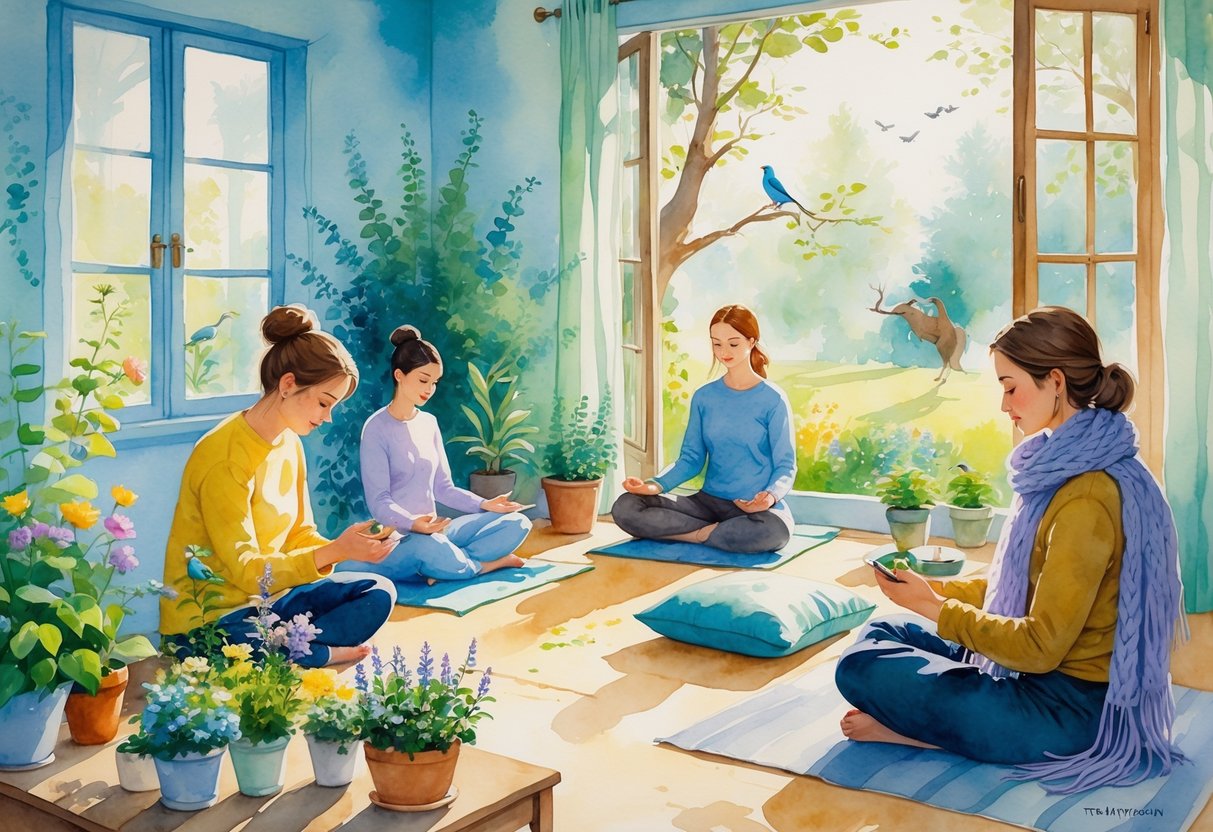
Mindful hobbies help you focus your attention on the present moment. When you practice these activities often, you can reduce stress, think more clearly, and feel happier in daily life.
Benefits for Mental Health
Spending time on mindful hobbies, like gardening, drawing, or taking nature walks, can help calm anxious thoughts. These hobbies pull your attention away from worries and into the present.
Studies show that mindful activities reduce feelings of anxiety and depression by giving your mind a break from negative thinking. Doing something with your hands, such as painting or pottery, can also help you relax and feel more at ease.
Simple hobbies like reading, knitting, or walking outdoors are linked to improved moods and a lower risk of mental health struggles. Activities that encourage mindfulness, including creative hobbies and gentle movement, help release tension and increase your sense of well-being.
For more examples of these hobbies, see this list of mindful hobby ideas.
Positive Impact on Productivity
Mindful hobbies do more than boost your mood—they can help you stay focused and get more done. When you build habits that include regular breaks for enjoyable activities, your mind gets a chance to reset.
This makes it easier to concentrate on tasks afterward. Learning new hobbies also keeps your brain active and flexible, which can lead to better memory and sharper problem-solving skills.
Hobbies such as drawing, journaling, or cooking often involve steps and organization. This can translate into better time management and planning in other areas of your life.
Taking time for hobbies may even help lower stress, which can improve how well you work and learn. Small changes to your routine, like adding short creative sessions or mindful walks, can increase your energy and motivate you, as described in the Catsup and Mustard self-care hobby guide.
Tips For Getting the Most Out of Presence-Focused Hobbies
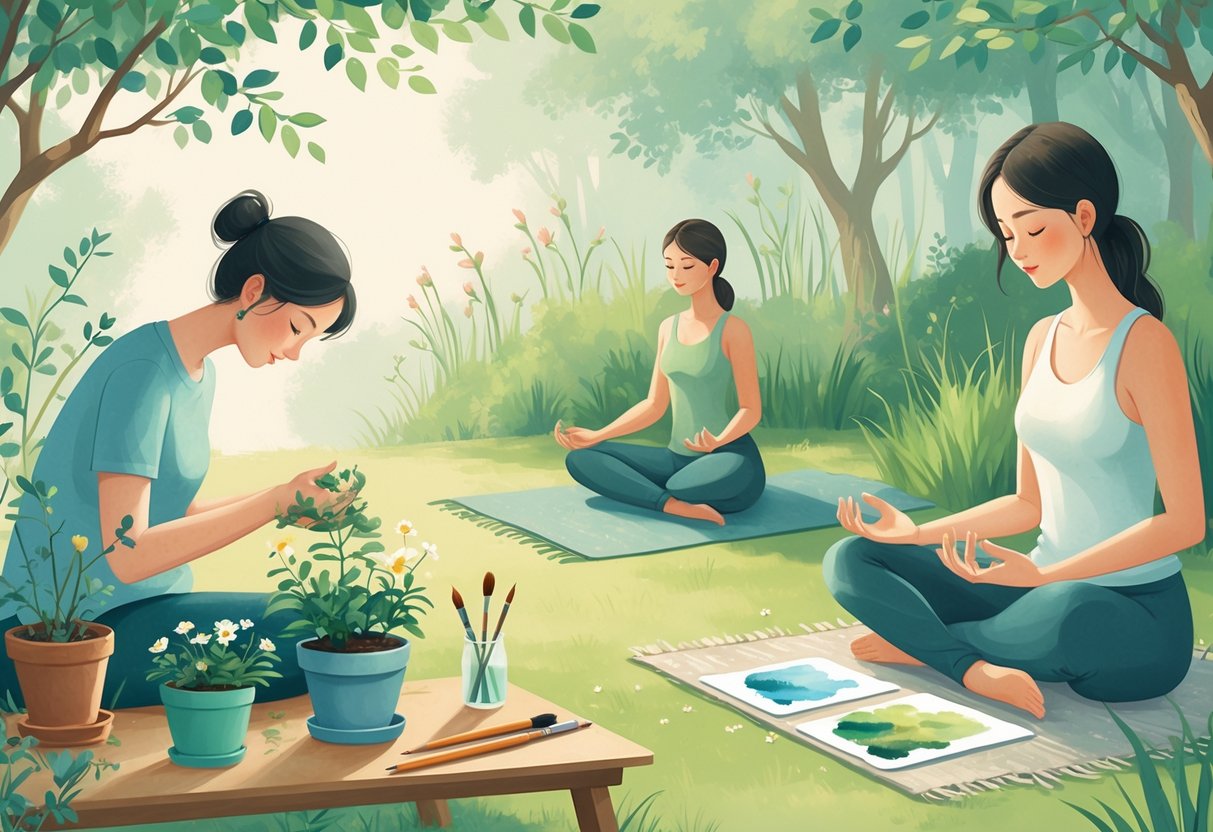
Focusing your mind on what you are doing makes presence-focused hobbies more rewarding. Small habits and choices before and during your activity can make a big difference in how present you feel.
Setting an Intention Before You Begin
Taking a moment before you start your hobby can help you focus. Decide what you want from the session—relaxation, learning a new skill, or simply enjoying the experience.
You might say your intention out loud or write it on a sticky note. Intentions keep you engaged and remind you why you started this hobby.
If you want to get better at being present, set a clear goal for each session. For example, plan to notice the small sounds when painting or the feeling of each step if you are out walking.
Some people find it helps to review their progress or thoughts afterward. You could use a short journal entry, or just think quietly about how you felt and what you noticed.
This makes each session feel meaningful and personal.
Minimizing Distractions
A distraction-free space makes it easier to stay present. Before you start your hobby, silence your phone, put away your devices, and clear your workspace.
A clean and simple space helps your mind relax and pay attention. Consider a short checklist before each session:
- Turn off notifications
- Let others in your home know you need quiet time
- Gather what you need before you start
If you get distracted easily, try setting a timer for the time you want to spend focused on your hobby. Give yourself permission to gently refocus if your mind wanders.
Using these strategies can help you keep your mind on the task, leading to a deeper and more refreshing experience. For more strategies about balancing and organizing hobbies, visit this guide on staying organized and productive with hobbies.
Frequently Asked Questions
Certain hobbies give you a break from daily pressures and help you pay attention to the present. You can boost mental clarity, feel calmer, and add meaningful activities to your week.
What hobbies can help reduce anxiety and stress?
Engaging in mindful meditation is a proven way to lessen anxious feelings and lower stress. Practicing yoga helps calm your thoughts and relax tight muscles.
Drawing or coloring mandalas also provides a sense of peace and comfort as you focus on gentle movements.
Which hobbies are most beneficial for mental focus and mindfulness?
Journaling your daily thoughts lets you notice your feelings and track patterns in your mood. Birdwatching encourages you to pay close attention to small details in your surroundings, which boosts mental focus.
What are some engaging hobbies to pick up for at-home relaxation?
Coloring mandalas and practicing gentle yoga are relaxing and easy to start at home. You can also try journaling to process your day in a quiet space.
These hobbies do not need expensive materials and can fit easily into your routine.
How can hobbies improve one’s sense of presence and well-being?
Hobbies like yoga and mindful meditation help you tune into your body and breath, which builds a stronger sense of presence. When you focus on a creative activity like coloring, your worries often fade.
What activities are considered the best for staying present-minded?
Meditation, coloring intricate designs, and birdwatching are all highly effective at helping you stay present-minded. These activities encourage you to slow down and pay attention to details, feelings, or sounds in your environment.
What are some accessible hobbies that can also potentially generate income from home?
Photography, writing, and art—such as coloring or drawing—provide creative outlets and may lead to income if you choose to sell prints or written pieces.
Journaling can improve your writing skills, which is helpful if you want to publish articles or stories online.
Learn more about these productive hobbies that keep you organized and present.