10 Best Hobbies for Therapists in Training or Graduate Students: Stress Relief and Self-Care Activities to Support Your Mental Health Journey
Training to become a therapist takes a lot of time and energy. Graduate students in therapy programs face heavy workloads, emotional stress from clinical practice, and the challenge of balancing school with personal life.
Without proper outlets for stress, burnout can happen quickly.
Having hobbies during your training can help you manage stress, protect your mental health, and build skills that will serve you throughout your career. The right activities give you a break from your studies while also teaching you ways to recharge that you can use with future clients.
This article covers ten hobbies that work well for therapy students and graduate programs. You’ll learn about activities that reduce stress, support your well-being, and fit into a busy schedule.
We’ll also explain how to pick the right hobby for your needs and lifestyle.
10) Joining a peer support group
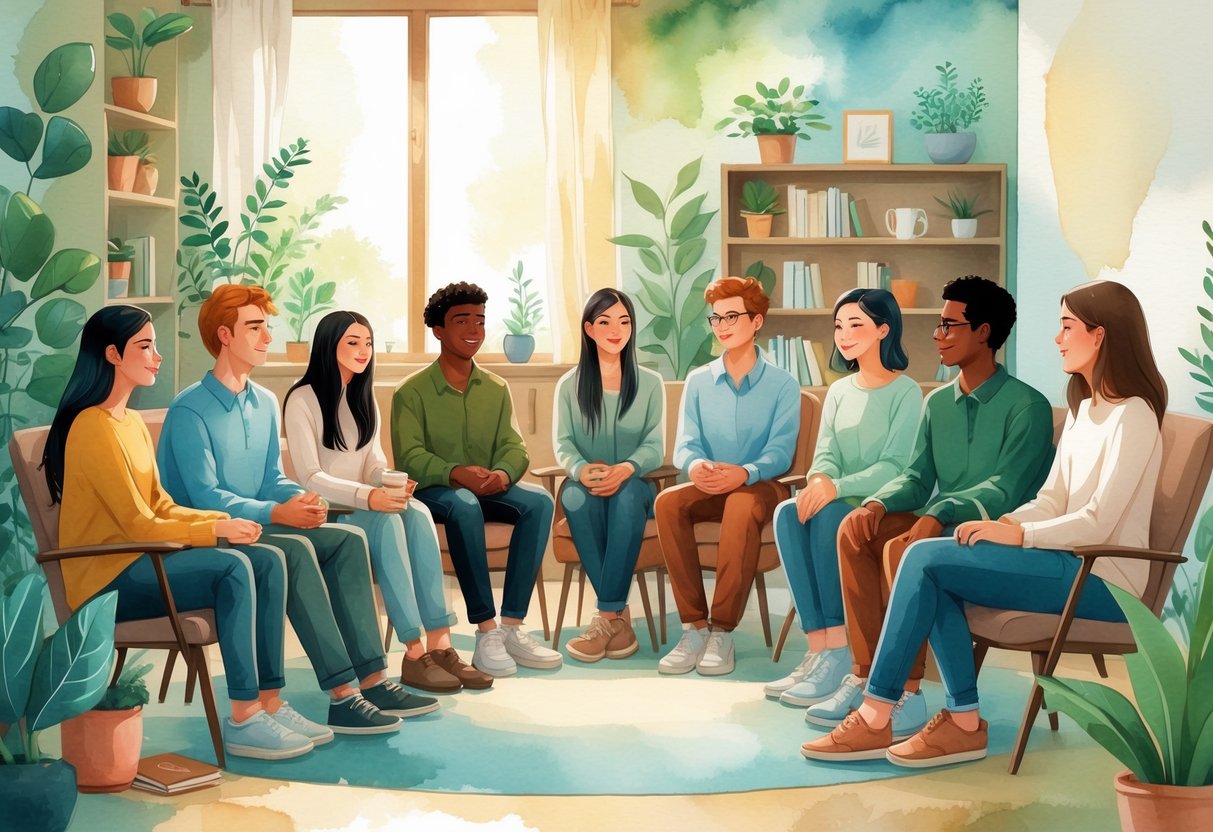
Peer support groups connect you with other therapists in training who understand the unique challenges of graduate school. These groups provide a safe space to share experiences, discuss difficult cases, and process the emotional weight of clinical work.
You can find peer support groups through your graduate program, local counseling associations, or online platforms. Many schools organize formal peer consultation groups as part of their training requirements.
These meetings help you develop professional skills while building meaningful connections with classmates. Regular participation in a peer support group reduces feelings of isolation that many graduate students experience.
You’ll realize that others struggle with similar doubts about their clinical skills and the same concerns about balancing schoolwork with personal life. This shared understanding creates genuine support that goes beyond what friends or family can offer.
Peer support groups also serve as practice for future professional consultation groups. You’ll learn how to give and receive constructive feedback in a professional setting.
The format of peer support groups varies widely. Some focus on case consultation while others emphasize personal wellness and stress management.
You might meet weekly for an hour or gather monthly for longer sessions. Choose a group that fits your schedule and meets your specific needs as a student.
Joining a peer support group costs nothing but your time. The benefits include reduced stress, improved clinical thinking, and lasting professional relationships with colleagues who will grow alongside you in the field.
9) Playing a musical instrument

Learning to play a musical instrument offers you a practical way to manage stress during your graduate studies. When you practice music, you engage your brain in ways that differ from your academic work.
This mental shift helps you step away from coursework and client concerns. Playing an instrument improves your cognitive abilities.
Research shows it can enhance your memory and problem-solving skills, which directly benefits your clinical training. You develop better concentration and attention to detail through regular practice.
Music provides an emotional outlet that’s especially valuable for therapists in training. You can express feelings through melodies and rhythms without needing words.
You don’t need prior musical experience to start. Many instruments are beginner-friendly, including ukulele, keyboard, or drums.
Online courses and apps make it easy to learn at your own pace and fit practice into your busy schedule. The discipline required to learn an instrument mirrors skills you use in therapy.
You practice active listening when playing music. You develop patience as you master new techniques.
Playing music also creates opportunities for social connection. You might join a band or take group lessons with other students.
These musical communities offer support outside your academic program and help prevent burnout during demanding semesters.
8) Cooking new recipes

Cooking new recipes offers you a practical break from the mental demands of graduate studies in therapy. When you focus on chopping vegetables or following recipe steps, your mind shifts away from textbooks and client case studies.
This gives your brain time to rest and recharge. Learning to cook helps you build a skill that directly benefits your daily life.
You need to eat anyway, so developing this hobby serves a clear purpose beyond just relaxation. As you try different recipes, you gain confidence in the kitchen and expand what you can prepare for yourself.
The process of cooking engages multiple senses at once. You see colors change as food cooks, smell different spices, and taste your final results.
This sensory experience grounds you in the present moment, which can be especially valuable when you spend most of your day thinking about theory or future clients. Trying new recipes also introduces structure to your free time without adding pressure.
You can choose simple dishes when you feel tired or tackle more complex meals when you want a challenge. The flexibility makes it easy to fit into your schedule.
Many therapists in training find that cooking gives them something tangible to show for their effort. Unlike academic work that takes weeks or months to complete, a finished meal provides immediate satisfaction.
This quick reward can boost your mood during long stretches of studying.
7) Reading psychology literature

Reading psychology books keeps you engaged with new ideas and helps you grow as a clinician. You need to stay current with therapeutic techniques and psychological theories throughout your career.
This hobby fits naturally into your schedule as a graduate student. You already read textbooks and research papers for classes.
Reading additional psychology literature in your free time deepens your understanding without feeling like extra work. You can explore different therapeutic approaches through books written by experienced practitioners.
These readings expose you to real-world examples you might use in future sessions with clients. They also help you find your own style as a therapist.
The options available to you are vast. You can read memoirs by therapists, guides on specific techniques, or books about human behavior.
Pick topics that interest you or fill gaps in your knowledge. Reading psychology literature also prepares you for professional conversations with supervisors and colleagues.
You’ll have more to contribute in discussions about treatment approaches and client care. This knowledge builds your confidence as you move toward licensure.
Set aside time each week for reading outside your coursework. Even 30 minutes a day adds up to several books per year.
You can read during your commute, before bed, or whenever you have downtime. This hobby strengthens your clinical skills while being low-cost and flexible.
You control what you read and when you read it.
6) Gardening and plant care
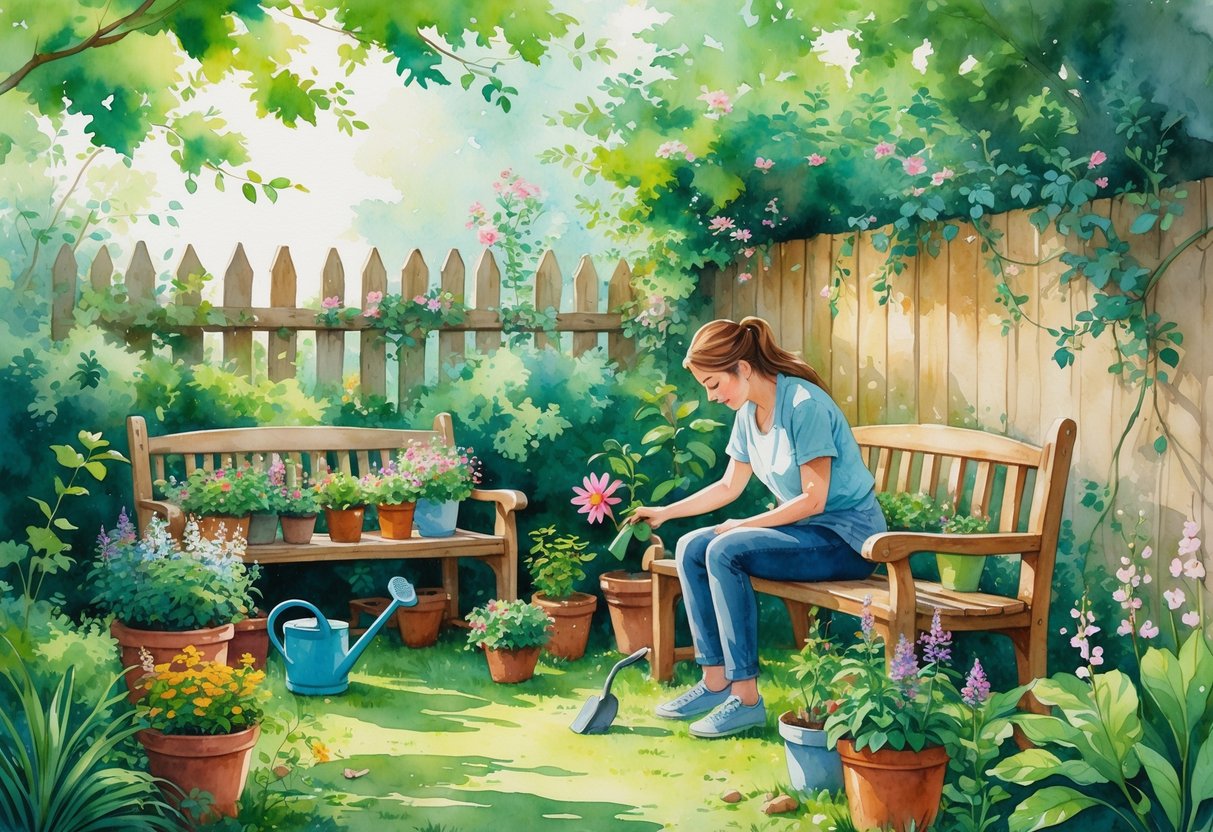
Gardening offers therapists in training a hands-on way to manage stress while building skills that can inform your clinical practice. When you work with plants, you engage in activities that require patience, attention, and consistent care.
These same qualities translate directly to therapeutic work. Plant care teaches you to observe small changes over time.
You learn to notice subtle shifts in growth patterns and respond appropriately. This mirrors the clinical skills you need when tracking client progress and adjusting treatment approaches.
The physical aspects of gardening provide a break from academic work. Digging, planting, and watering get you moving and away from screens.
This type of activity helps clear your mind after long study sessions or practicum days. You can start small with a few houseplants or herbs on a windowsill.
Indoor plants work well if you have limited space or time. As your schedule allows, you might expand to a small outdoor garden or join a community garden plot.
Gardening also connects you with cycles of growth and change. Plants don’t develop on your timeline, which teaches acceptance and flexibility.
You learn that some things take time and can’t be rushed. Many therapists use horticultural activities in their clinical work with clients.
Your personal experience with plants gives you practical knowledge about this therapeutic approach. You understand firsthand how tending to living things can reduce stress and create a sense of accomplishment.
5) Creative painting or drawing
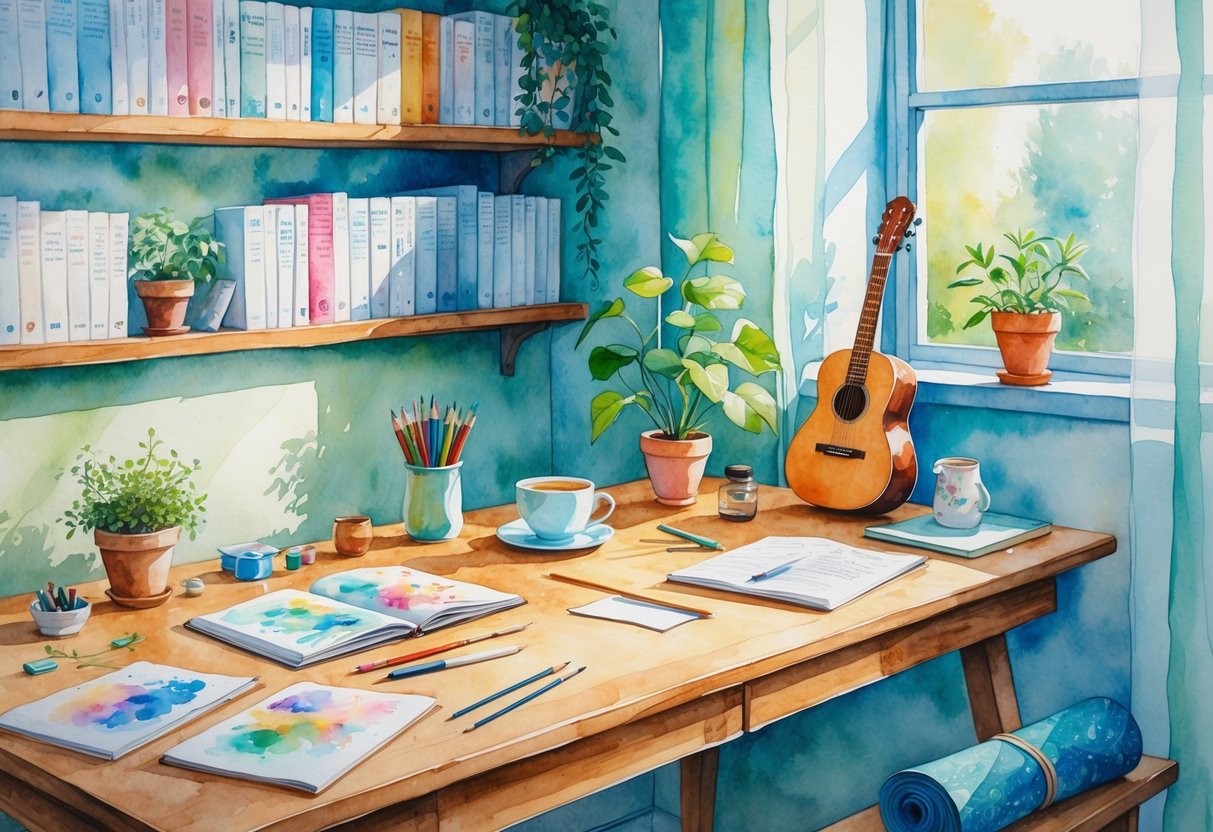
Painting and drawing offer you a direct way to express emotions that can build up during your clinical training. These activities let you step away from theoretical frameworks and analytical thinking.
You can simply create without needing to interpret or diagnose. You don’t need formal art training to benefit from these creative practices.
The act of putting brush to canvas or pencil to paper helps you process your own experiences while learning to support others. Many graduate students find that regular creative expression helps prevent burnout before it starts.
Working with visual art engages different parts of your brain than the ones you use during coursework or practicum hours. This mental shift gives your mind a chance to rest and recharge.
You might notice that solutions to clinical challenges come to you more easily after a painting session. Setting aside even 30 minutes a week for creative work can make a difference in your stress levels.
You can keep supplies simple with basic watercolors, colored pencils, or sketching materials. The goal isn’t to create masterpieces but to give yourself permission to explore and experiment.
Drawing and painting also help you build empathy for clients who may struggle to verbalize their feelings. When you experience the challenge and relief of expressing yourself through visual means, you gain insight into alternative forms of communication.
This understanding can enhance your future clinical work with diverse populations.
4) Nature walks and hiking

Getting outside for walks and hikes offers you a simple way to manage stress during your graduate studies. When you spend time on trails, your body releases endorphins that naturally improve your mood.
The physical activity also helps clear your mind after long hours of reading textbooks and writing papers. You don’t need special equipment or training to start.
A basic pair of comfortable shoes and a local park or trail system are enough to begin. Even short 20-minute walks in natural settings can reduce anxiety and help you process what you’re learning in your courses.
Nature walks give your brain a break from constant studying and screen time. The natural environment lets your mind rest and reset in ways that staying indoors cannot provide.
Hiking also builds physical health through cardiovascular exercise and improved endurance. Graduate students often sit for extended periods, so regular hiking helps counter the effects of a sedentary lifestyle.
You can adjust the difficulty based on your fitness level and available time. Consider joining hiking groups or inviting classmates along.
This turns the activity into a social experience that fights isolation common in graduate programs. You’ll build connections with peers while taking care of your mental health at the same time.
3) Yoga for stress relief
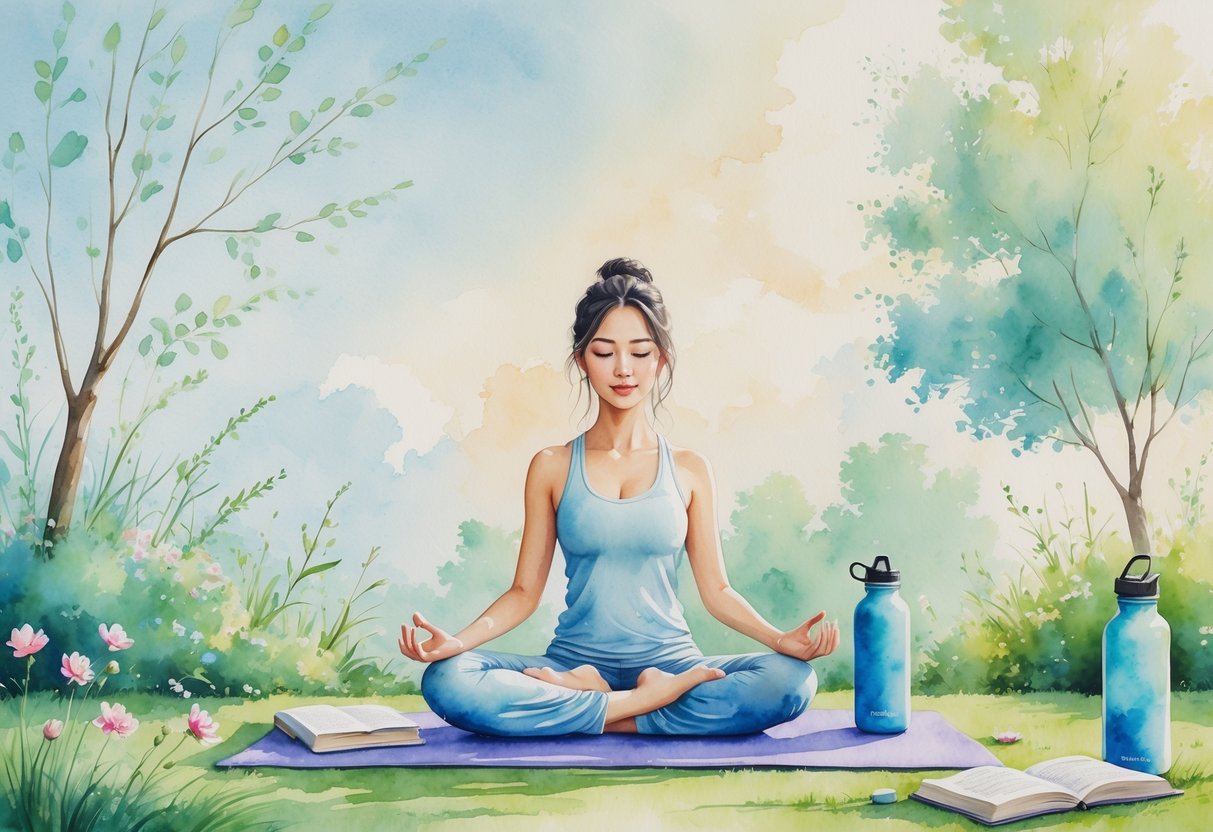
Yoga combines physical movement with breathing exercises and meditation. This makes it an effective tool for managing the stress that comes with graduate school and clinical training.
When you practice yoga, you work on flexibility and strength while calming your mind. Research shows that yoga can lower cortisol levels by up to 30%.
Cortisol is your body’s main stress hormone. Lower levels mean you feel less stressed and more balanced.
You don’t need expensive equipment or a gym membership to start. Many beginner-friendly videos are available online for free.
You can also join a local class if you prefer learning in a group setting. Regular yoga practice helps improve your focus and mental clarity.
These skills are valuable when you’re studying for exams or working with clients during practicum. The breathing techniques you learn can be used anywhere, even between classes or sessions.
Yoga also helps reduce symptoms of anxiety and depression. As a therapist in training, you’ll benefit from this firsthand experience with stress management.
You can later draw on your own practice when helping clients develop coping strategies. Start with just 10 to 15 minutes a few times per week.
You can gradually increase the time as yoga becomes part of your routine. The key is consistency rather than intensity.
2) Mindful meditation practice
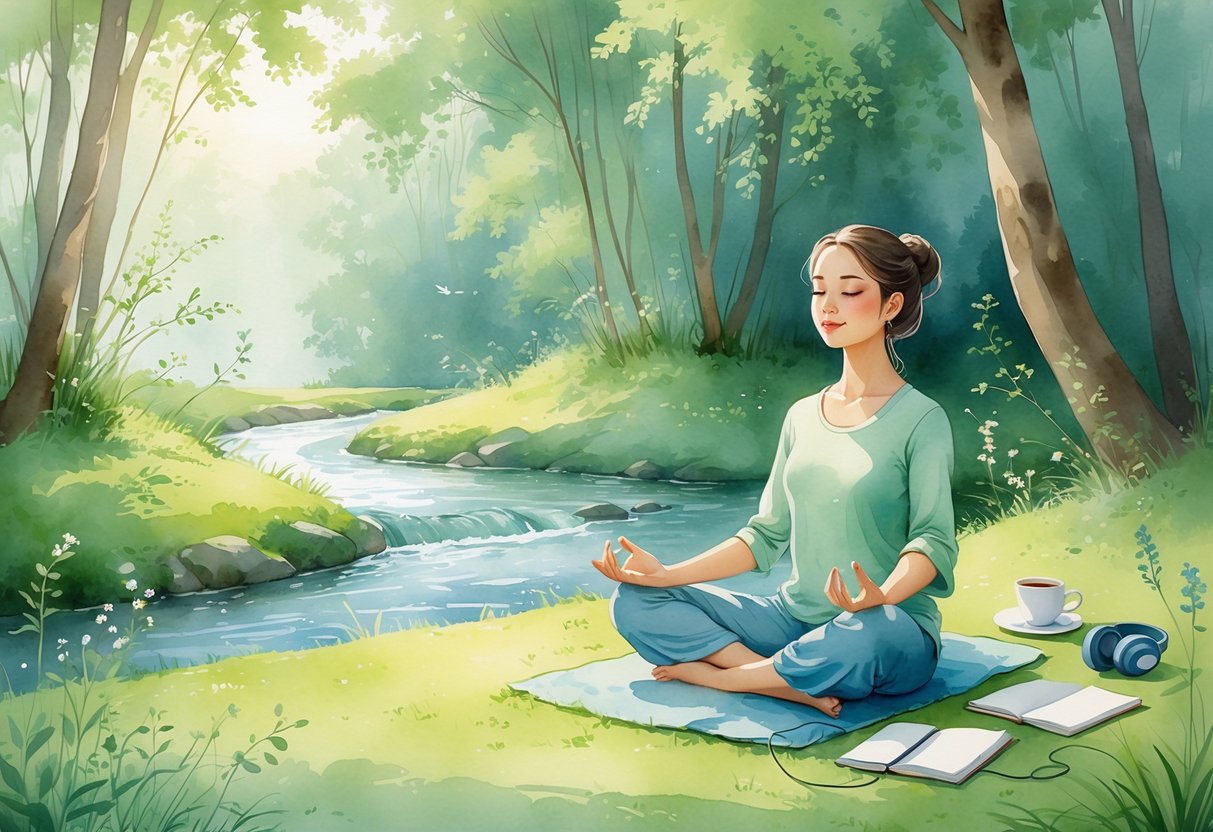
Mindful meditation practice offers you a powerful tool to manage the stress that comes with graduate training in therapy. When you sit quietly and focus on your breath or body sensations, you build skills that directly transfer to your clinical work.
You learn to stay present with difficult emotions without judgment. Starting a meditation practice doesn’t require much time or equipment.
You can begin with just five minutes a day in a quiet space. Many therapists in training use apps or guided recordings to help them stay focused when they’re new to the practice.
The benefits of regular meditation extend beyond stress relief. You develop better concentration and emotional regulation, which helps you stay grounded during challenging coursework or practicum sessions.
Research shows that meditation changes how your brain responds to stress over time. As a future therapist, your own meditation practice gives you firsthand experience with a technique you’ll likely recommend to clients.
You’ll understand the obstacles people face when starting meditation and can offer genuine guidance. This personal knowledge makes you more credible and empathetic when discussing mindfulness with clients.
You don’t need to meditate perfectly or achieve a completely clear mind. The practice itself is what matters.
Each time you notice your mind wandering and bring your attention back, you’re strengthening your awareness. This skill becomes invaluable when you need to track your own reactions during therapy sessions while staying fully present with clients.
1) Journaling for self-reflection

Journaling gives you a private space to process your thoughts and emotions as you navigate your training. You can write about challenging client sessions, difficult concepts from class, or your own reactions to the work.
This practice helps you develop the self-awareness that makes you a better therapist. You don’t need any special tools to start.
A simple notebook and pen work perfectly fine. Set aside 5 to 15 minutes when you can write without interruptions.
The key is writing without editing yourself. Let your thoughts flow onto the page without worrying about grammar or structure.
You might explore what triggered certain feelings during your day or track patterns in your responses to stress. Regular journaling helps you identify your emotional triggers and blind spots.
This awareness is critical when you’re learning to hold space for clients while managing your own reactions. You can also use prompts to guide your writing when you feel stuck.
Some useful prompts include reflecting on what drained your energy this week or what moments made you feel most alive. You might write about fears that come up in your training or values you want to center in your future practice.
Journaling supports your mental health, but it doesn’t replace therapy or supervision. If you’re dealing with intense distress, you should work with a licensed professional.
Your journal can work alongside professional support as part of your overall self-care plan.
Benefits of Having Hobbies as a Therapist in Training

Training to become a therapist requires intense focus on academics and clinical skills. Hobbies offer a way to manage stress, build emotional awareness, and maintain balance during demanding graduate programs.
Reducing Academic Stress
Graduate programs in therapy involve heavy reading loads, research papers, and practicum requirements. This constant pressure can lead to burnout if you don’t find ways to decompress.
Hobbies give your mind a break from academic material. When you engage in activities like painting, hiking, or cooking, your brain shifts away from theoretical concepts and case studies.
A 2023 study found that people with hobbies reported fewer depression symptoms and better overall health compared to those without hobbies.
Key stress-reduction benefits include:
- Lower cortisol levels from engaging in enjoyable activities
- Improved sleep quality when you take regular breaks from studying
- Better focus during study sessions after hobby time
- Reduced anxiety about exams and assignments
The mental break you get from hobbies helps you return to your studies with fresh energy. You’ll retain information better when your brain isn’t constantly in study mode.
Enhancing Emotional Intelligence
Therapists need strong emotional intelligence to connect with clients and recognize subtle emotional cues. Hobbies help you develop these skills outside the classroom.
Creative hobbies like writing or music teach you to express emotions in different ways. Team sports or group activities improve your ability to read social situations and respond appropriately.
Even solo hobbies like gardening help you tune into your own emotional states. You learn patience, frustration tolerance, and self-awareness through hobby challenges.
These same skills transfer directly to your future therapy work. When you struggle to master a new recipe or complete a difficult puzzle, you practice the emotional regulation you’ll teach clients.
Promoting Work-Life Balance
Many therapy students struggle to separate their professional development from personal life. Your coursework involves personal reflection and processing difficult clinical material, which can blur boundaries.
Hobbies create clear separation between your student role and personal identity. They remind you that you’re more than just a future therapist.
This separation protects you from compassion fatigue before you even start practicing.
Benefits of maintaining boundaries through hobbies:
- Protected time for activities unrelated to therapy
- Stronger sense of personal identity
- Better energy management throughout your program
- Prevention of early-career burnout
Setting aside regular hobby time teaches you to prioritize self-care. This habit becomes essential when you start seeing clients and managing a caseload.
How to Choose the Right Hobby During Graduate Studies
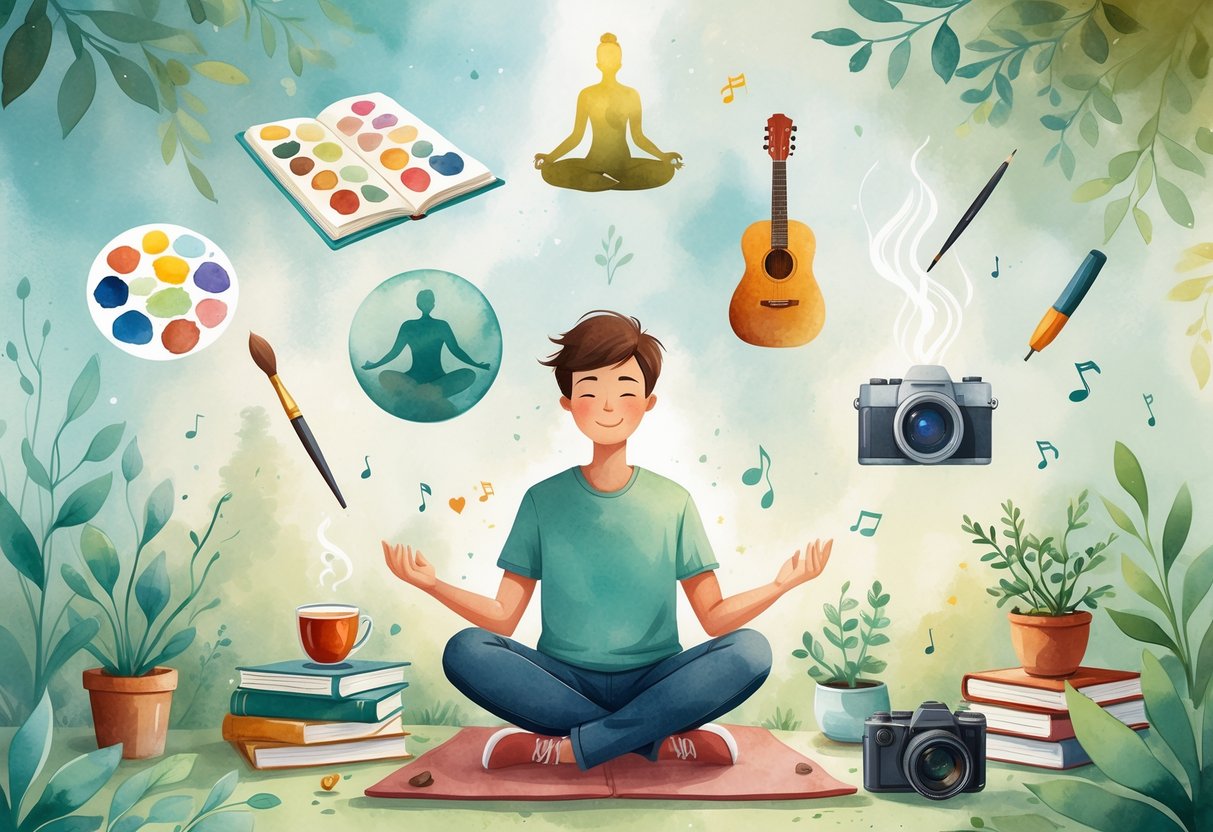
Finding the right hobby requires balancing your available time, matching activities to what you genuinely enjoy, and looking for ways your interests can support your career goals as a therapist.
Considering Time Commitment
Graduate school demands significant time and energy. You need a hobby that fits your schedule without adding stress.
Start by tracking your weekly schedule for one or two weeks. Identify realistic windows of free time, whether that’s 30 minutes daily or a few hours on weekends.
Be honest about how much time you can commit consistently. Choose hobbies that match your available time blocks.
Some activities require longer sessions, while others work in short bursts:
Short time commitment (15-30 minutes):
- Meditation or mindfulness practice
- Sketching or drawing
- Reading
- Journaling
Medium time commitment (1-2 hours):
- Yoga classes
- Crafting projects
- Cooking new recipes
- Playing musical instruments
Longer time commitment (2+ hours):
- Hiking or nature walks
- Team sports
- Volunteering
- Photography outings
Your hobby should reduce stress, not create more. Pick activities you can maintain without guilt when you need to pause during busy exam periods.
Aligning Hobbies With Personal Interests
The best hobby is one you actually want to do. Think about what naturally draws your attention or what you enjoyed before graduate school consumed your time.
Ask yourself specific questions. What activities make you lose track of time? Do you prefer working with your hands or your mind?
Do you like being around people or recharging alone? Do you feel energized by physical movement or quiet concentration?
Try activities in small doses before committing. Attend a single class, borrow equipment before buying it, or join a trial session.
This approach helps you discover what feels naturally enjoyable versus what sounds good in theory. Pay attention to how you feel during and after an activity.
The right hobby leaves you feeling refreshed, not drained. Some people need creative outlets like painting or music.
Others need physical activities like running or dance to clear their minds.
Integrating Hobbies With Professional Development
Your hobby can support your growth as a therapist while still being enjoyable. Look for activities that build skills useful in your future practice.
Mindfulness-based hobbies like meditation, yoga, or tai chi develop self-awareness and emotional regulation. These skills directly transfer to therapeutic presence and help you manage countertransference with clients.
Creative hobbies build therapeutic skills in unexpected ways. Improvisational theater improves active listening and spontaneity.
Writing strengthens your ability to conceptualize cases and communicate clearly. Art and music therapy techniques become more accessible when you have personal creative experience.
Physical activities support the stamina needed for clinical work. Regular exercise improves focus, reduces burnout risk, and models self-care for future clients.
Group hobbies develop interpersonal skills. Team sports, book clubs, or volunteer work strengthen collaboration and communication abilities you’ll use in group therapy or consultation teams.
Frequently Asked Questions

Graduate students and therapists in training often wonder how hobbies can fit into their busy schedules and support their development. These questions address practical ways hobbies reduce stress, build professional skills, and maintain well-being during demanding training programs.
What are beneficial hobbies for psychology grad students to reduce stress?
Reading psychology literature helps you learn while providing a mental break from coursework. This hobby lets you explore topics at your own pace without the pressure of assignments or exams.
Cooking new recipes offers a hands-on activity that engages your senses and gives you control over the creative process. The act of preparing food can shift your focus away from academic stress.
Gardening and plant care provides quiet time outdoors where you can work with your hands. These activities require attention but don’t demand the same mental energy as studying or seeing clients.
How can hobbies improve therapeutic skills for student therapists?
Playing a musical instrument strengthens your listening skills and attention to subtle details. These abilities transfer directly to therapy work where you need to notice tone changes and nonverbal cues in clients.
Joining a peer support group develops your communication skills and teaches you how group dynamics work. You learn to hold space for others while managing your own responses.
What creative activities are recommended for therapists in training?
Cooking new recipes encourages experimentation and problem-solving in a low-stakes environment. You learn to adjust plans when things don’t work out as expected.
Playing a musical instrument offers a structured creative outlet that requires practice and patience. Learning music teaches you how to break complex skills into smaller steps.
Gardening and plant care lets you create something tangible while working with natural processes. You develop patience as you watch plants grow over time.
Which hobbies can help in developing critical skills for future psychologists?
Joining a peer support group teaches you about group facilitation and interpersonal boundaries. You practice active listening and learn how to give feedback that helps rather than harms.
Reading psychology literature builds your theoretical knowledge and critical thinking abilities. You learn to evaluate research quality and apply concepts to real situations.
Playing a musical instrument improves your ability to focus and notice patterns. These skills help you track themes in client sessions and recognize treatment progress.
Are there specific hobbies that can enhance a graduate student’s ability to empathize with clients?
Joining a peer support group puts you in the position of sharing your own struggles and hearing others do the same. This experience reminds you what vulnerability feels like from the client’s perspective.
Cooking new recipes for others teaches you to consider different preferences and dietary needs. You learn to adapt your approach based on what works for each person.
Gardening and plant care develops your ability to observe carefully and respond to individual needs. Different plants require different care, just as different clients need different approaches.
What hobbies could support the self-care practices of therapists in training?
Gardening and plant care gets you outside and moving, which supports physical health. The routine of watering and tending plants creates a regular self-care practice.
Playing a musical instrument gives you dedicated time away from academic and clinical responsibilities. This separation helps prevent burnout by creating clear boundaries between work and rest.
Cooking new recipes ensures you eat well-prepared meals instead of relying on fast food during busy periods. Taking time to nourish yourself models the self-care you’ll later recommend to clients.