
10 Best Hobbies for Building Confidence and Self-Esteem: Activities to Boost Your Personal Growth
Building confidence and self-esteem is important for your growth and well-being. Everyday life can challenge your self-image, but the right activities can make a positive difference.
Choosing the right hobbies can help you feel better about yourself and encourage personal progress.
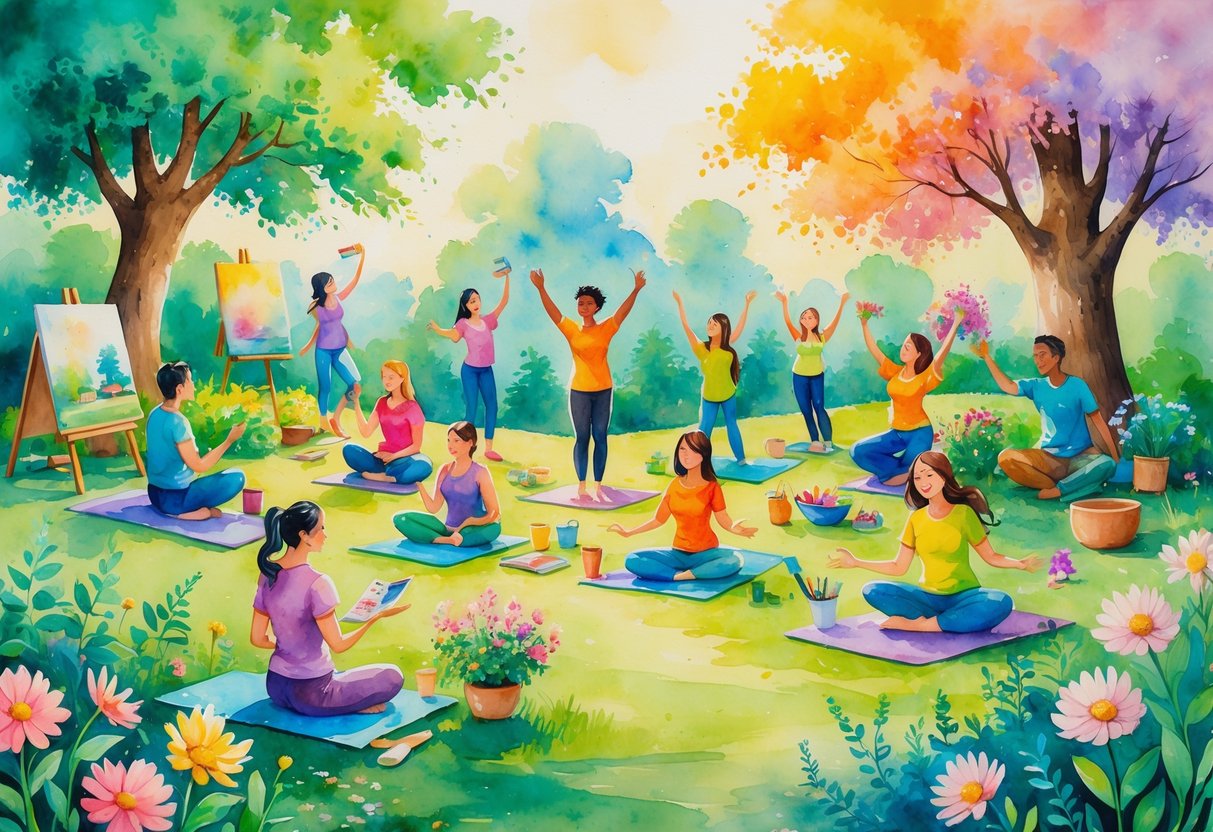
You do not need special skills or a lot of experience to get started. These hobbies can fit into your routine and give you a sense of achievement.
They help you discover new abilities and enjoy your time while building confidence.
1) Dance classes

Taking dance classes is a simple way to boost your confidence. You do not need any special skills to start.
Just showing up and trying your best can help you feel more self-assured. In dance, you learn to move your body in new ways.
Each new step is a small goal you can reach. As you practice, you will notice your skills improving.
Being in a dance class also gives you a chance to meet new people. You may feel shy at first, but working with others can help you get comfortable in social situations.
Soon, you may find it easier to introduce yourself and join in group activities. Performing in front of others, even just in class, can help you get used to being seen.
This builds courage. If you perform at a show or recital, that feeling grows.
You may feel nervous at first, but this is normal. With time, your nerves usually go down.
Dance is good for your body and mind. Moving with the music can lower stress and help you focus on the moment.
The sense of achievement from learning new moves helps you believe in your abilities. Each class is a step forward, even if you make mistakes along the way.
Dancing is not about being perfect; it is about trying and improving. If you want an activity that mixes fun and self-improvement, joining dance classes can be a great start.
2) Martial arts training

Martial arts training can help you gain confidence through practice, effort, and progress. You build new skills over time, which can give you a greater sense of control and self-worth.
Many types of martial arts, like karate, taekwondo, or judo, use a belt system. Each level or belt you earn shows clear progress.
This helps you set and reach new goals step by step. It’s rewarding to see yourself move forward.
Classes often include both solo drills and working with partners. This helps you practice discipline, respect, and teamwork.
You also learn how to stay calm and focused under pressure. As you train, your body gets stronger and more flexible.
Feeling physically healthy and knowing self-defense techniques can make you feel safer and more sure of yourself. Martial arts isn’t just about physical skills.
Many programs focus on building mental strength. Instructors often encourage you to use positive self-talk and believe in your abilities.
Mistakes and setbacks are part of training. With each challenge, you learn to keep going and not give up easily.
This builds resilience and teaches you to handle failure in a positive way. Joining a martial arts class can connect you with a supportive group of people.
This sense of community can boost your mood and make you feel like you belong. It’s a good way to meet new friends with similar goals.
If you want more details about how martial arts helps with confidence, you can read about the role of martial arts in building self-confidence.
3) Public speaking clubs

Joining a public speaking club can help you become more confident when talking in front of others. These clubs give you a safe place to practice speaking, improve your tone, and get feedback from people who want to help you learn.
Most clubs welcome beginners, so you do not need to be an expert to start. You will find support from other members who understand how nerve-wracking speaking in public can feel.
Step by step, you can build new skills through regular meetings and simple exercises. You may be asked to give short speeches, share stories about your life, or practice explaining your ideas clearly.
With each try, you will notice your voice feeling steadier and your mind feeling calmer. Some people join these clubs to get better at work presentations or school projects.
Others come to overcome shyness. No matter your reasons, you can improve by joining a group that focuses on skills rather than perfection.
As you gain more practice, your self-esteem may grow. Even small successes, like finishing a speech or trying something new, can make a difference.
Over time, you may find it easier to start conversations, lead groups, and share your thoughts outside of the club too. If you are interested in structured programs, many cities have groups like Toastmasters or student speech teams.
These programs are designed to help you develop at your own pace. Being active in a public speaking club can also help you expand your social circle.
Many people discover new friendships and valuable networking opportunities through these groups. To learn more about how clubs can support your growth, visit this article about gaining personal growth through public speaking clubs.
4) Cooking courses

Taking cooking courses can help you build practical skills and confidence at the same time. When you learn to cook new dishes, you see what you can accomplish with your own hands.
Completing a recipe and sharing your food with others often brings a sense of pride. This process helps you feel more capable in your daily life.
Cooking is also a useful skill, giving you more independence. If you join a class, you may also meet new people with the same interests.
This can make it easier to connect with others and improve your social confidence. Each time you try a new recipe or technique, you overcome small challenges.
Gradually, you become more comfortable handling problems in and out of the kitchen. Many people find that mastering basic cooking skills leads to a boost in self-esteem.
Cooking is not only about making food; it is about seeing progress and recognizing your growth over time. Cooking can also lower stress and give you a creative outlet.
Even simple dishes can help you relax and enjoy your own progress. This can make everyday life feel more manageable.
You do not need fancy tools or ingredients to start. Courses often begin with beginner-friendly recipes, so you can build skills step by step.
If you want, you can explore specialized classes, such as baking, international cuisine, or healthy meals. To see more about how cooking can help build confidence, you can check out these healthy hobbies that help build confidence and self-esteem.
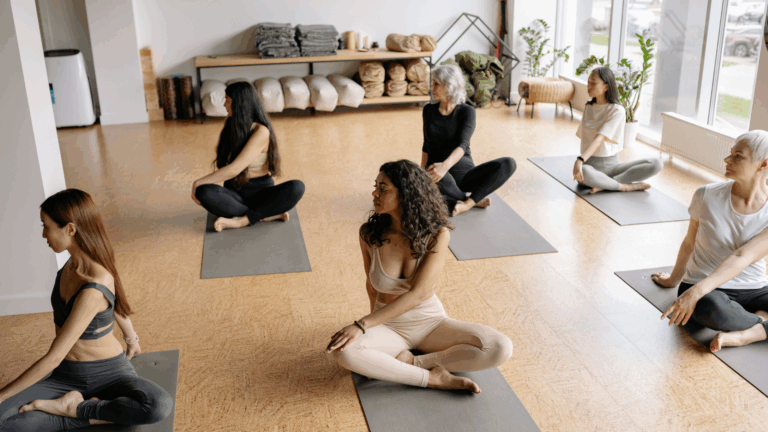
5) Yoga and meditation
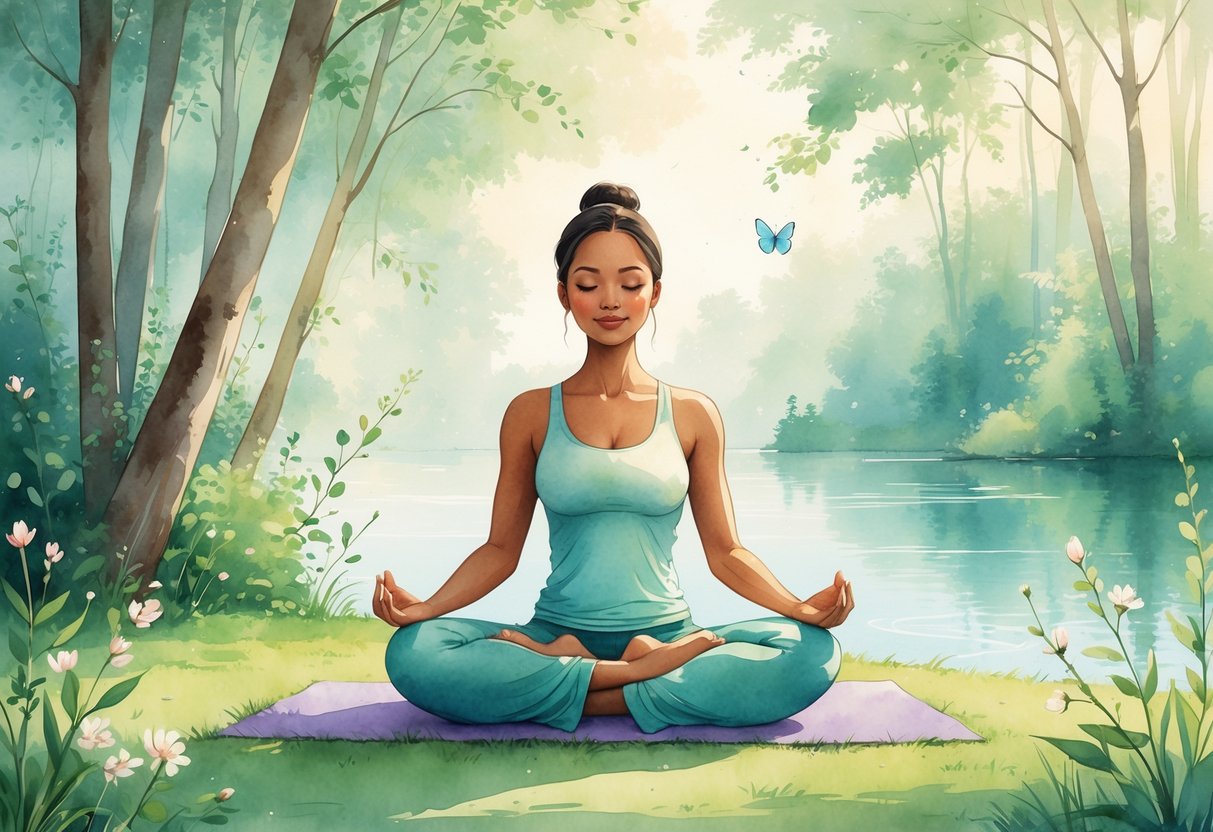
Yoga and meditation can help you build confidence and self-esteem by encouraging you to focus on your strengths. When you practice yoga, you learn to control your body and breathing.
This control helps you feel stronger and more capable over time. Yoga starts with simple movements.
As you improve, you might try more challenging poses. Each small success in yoga can make you believe in yourself more.
Meditation can help you calm your mind and reduce stress. When your mind is less stressed, you can think more clearly and react to challenges with confidence.
Meditation teaches you to notice your thoughts and feelings without judging them. Regular yoga and meditation practice can also improve your self-awareness.
This means you get better at recognizing your abilities and understanding your emotions. Meditation and yoga are shown to promote self-awareness and lower stress, which can build your confidence.
You do not need special skills or equipment to start. Many people practice yoga and meditation at home or in group classes.
You can find videos and guides online if you want to learn at your own pace. Yoga and meditation can also help you feel more relaxed during tough times.
When you breathe deeply and try to focus, it becomes easier to handle daily stress. As you continue to practice, you may notice changes both in your body and your mind.
Feeling stronger physically often leads to feeling more confident mentally. Many people find that making time for yoga or meditation each day brings a sense of calm and self-worth.
You might discover that you face life’s challenges more easily after making these habits a part of your routine.
6) Team sports like soccer or basketball

Team sports like soccer or basketball give you a chance to be part of something bigger than yourself. Working together with others towards a shared goal can help you feel connected and valued.
You learn the importance of communicating and trusting your teammates. When you join a soccer or basketball team, you practice new skills during training and in games.
Each success, no matter how small, can boost your confidence. Learning to handle mistakes and setbacks also helps you build resilience.
Being part of a team teaches you discipline because you need to show up on time and put in regular effort. You also gain experience working with people who have different strengths and personalities.
This can make you feel more comfortable and self-assured in group settings. Team sports are also a good way to make new friends.
Sharing wins and losses helps you build strong social bonds with others, giving you a support system outside of the sport. Connecting with your teammates can help you feel less alone and more accepted.
Playing games or practicing drills improves your physical health, which affects your self-esteem. Getting better at a sport, even slowly, shows you that hard work leads to progress.
To explore more options, team sports like soccer, basketball, and volleyball help build confidence and teamwork. You don’t have to be an expert to join a team.
Many local clubs and community centers offer teams for beginners. Trying something new and stepping outside your comfort zone can start a chain reaction, helping you feel more confident in other areas of your life.
7) Creative writing workshops

Joining creative writing workshops can help you build your confidence. These workshops give you a safe and supportive space to share your ideas and stories with others.
You learn to accept feedback and improve your writing over time. Being part of a group lets you see that others face the same challenges you do.
This helps you feel less alone and more willing to take risks. Sharing your work out loud can feel scary at first, but you will likely find that the experience gets easier and more enjoyable each time.
Creative writing is not just about stories or poetry. Many workshops include fun exercises such as journaling, scriptwriting, or even writing personal letters.
You might discover a new type of writing that you enjoy or are good at. Your confidence can grow as you watch your writing skills get better and as you receive encouragement from other writers.
Writing can also help you organize your thoughts and feelings. This can boost your self-esteem because it gives you a better understanding of who you are and what matters to you.
Some people use creative writing to help manage stress or anxiety. Simply putting your feelings into words can make tough situations feel less overwhelming.
If you want to meet new people, creative writing workshops are also a great way to connect with others who share your interests. For more ideas on how certain hobbies can build your self-esteem, check out this list of hobbies that build confidence.
8) Volunteering in community groups
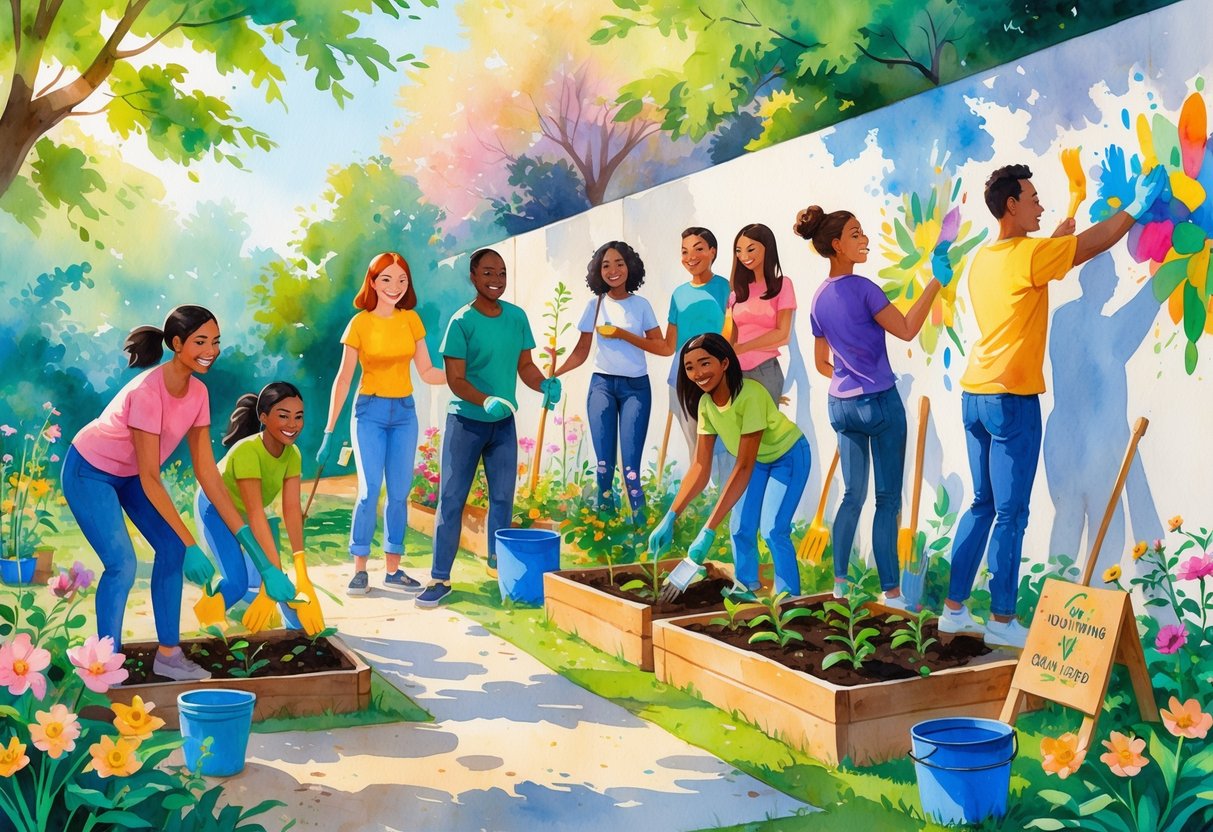
Volunteering in community groups lets you support others while building your own confidence. By helping people in your area, you see firsthand that your actions matter.
When you volunteer, you often work with new people and learn to solve real problems. This improves your social skills and makes you feel more comfortable in a team.
Many people find a sense of purpose through volunteering. Doing something helpful for others highlights your abilities and strengths.
You will get chances to take on responsibilities, like leading a group project or organizing an event. These opportunities can help you practice leadership and decision-making.
Taking these responsibilities shows you what you are capable of, even if you start with small tasks. Each step gives you more belief in your own abilities.
Volunteering can also introduce you to new friends who share your interests. Meeting these people can help you feel connected and accepted.
Studies have shown that people who volunteer often see their self-worth and self-esteem improve. Being part of something bigger than yourself can boost your mood and motivation.
Volunteering does not have to be a big commitment. You can help with local food banks, animal shelters, or community clean-up events.
There are always ways to get involved, whether you have a lot of time or just a few hours each month. Taking part in community projects can even help you discover new talents or interests.
If you want to get started, look for volunteering opportunities in your neighborhood. Pick something you feel curious about or passionate for.
9) Painting or drawing classes
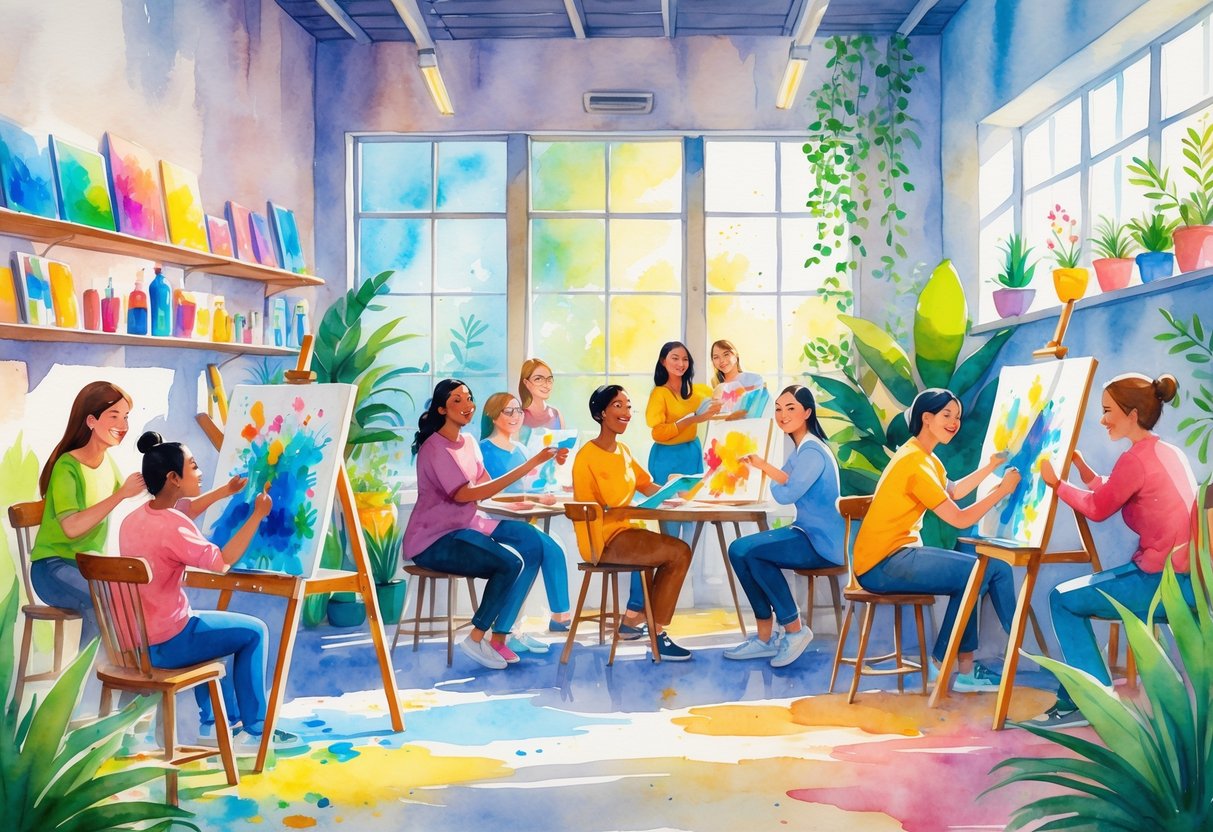
Taking painting or drawing classes can be a great way to build your confidence. Creating art allows you to express yourself in a safe setting.
You do not need to be an expert to get started. In class, you will learn new techniques and skills.
As you improve, you start to see your progress. Each finished piece is proof that you are capable of learning and growing.
Painting and drawing help you focus on the present moment. This process can be calming and lower stress.
It can also give you time to think and reflect on what matters to you. Sharing your artwork with others can be challenging at first.
But over time, it gets easier and can help you become more confident in your abilities. Every time you try something new in art class, you are practicing courage.
Many people find joy and pride in creating something by hand. The act of finishing a painting or drawing can give you a strong sense of achievement.
You may discover hidden talents and strengths you did not know you had. Taking a class adds the benefit of a supportive community.
You can learn from other students and from the teacher. Feedback in a class setting is usually helpful and focused on helping you improve.
Creative art activities are linked to better self-image and mental health. Painting and drawing classes are often suggested for building self-esteem because they help you express your feelings in a positive way.
If you are interested in creative ideas for confidence, see these art projects for boosting self-esteem through art.
No matter your age or skill level, trying out art classes can be a rewarding experience. You might start as a beginner, but with practice, you can gain new skills and more confidence.
10) Joining meetup groups

Joining meetup groups is a good way to work on your confidence. These groups often welcome people wanting to connect over shared interests or personal growth.
You can find groups focused on confidence and self-esteem in many areas. When you join a meetup, you put yourself in new social situations.
This gives you a chance to practice talking to others. With time, you may notice social skills becoming stronger and awkward moments happening less often.
Meetup groups can help you feel accepted. Others are often there for similar reasons and may also want to build skills and friendships.
Having support from a group can help reduce feelings of doubt or nervousness. Trying new hobbies or activities in these groups lets you discover what you like and what you are good at.
Even small accomplishments, like showing up to an event, can boost your self-esteem. Some groups focus on sharing experiences, giving encouragement, and celebrating each member’s progress.
These positive interactions can increase your self-confidence step by step. Seeing others work on their goals can also inspire you to keep trying.
To get started, look for local confidence and self-esteem groups on Meetup. There are also clubs and social hobby groups that support well-being through fun activities and conversation.
You might feel nervous at first, but many people find these groups welcoming. By joining a meetup group, you make a choice to try something new.
Over time, you may notice that your social confidence and self-worth improve as you take part and connect with others.
Why Hobbies Boost Confidence and Self-Esteem
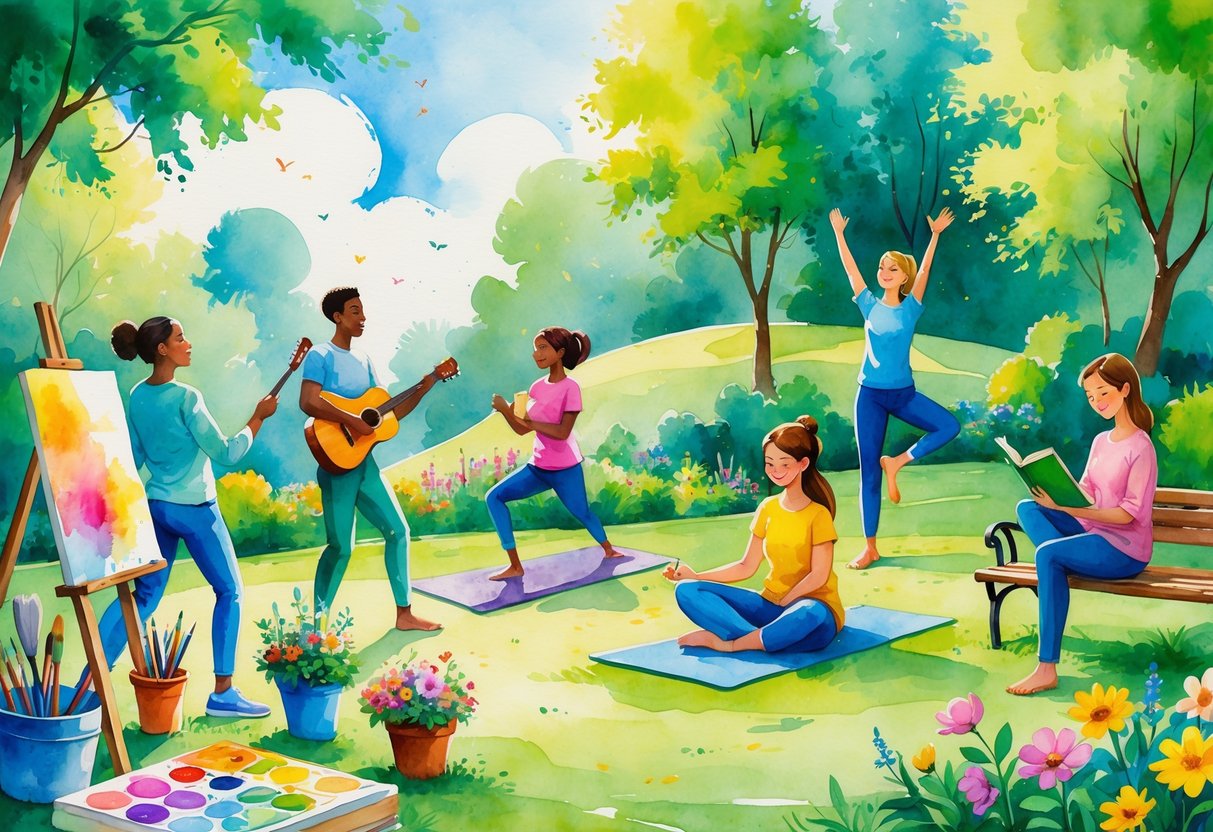
Spending time on hobbies can help you feel prouder of yourself and more sure in your abilities. These activities allow you to learn about your strengths and see real progress over time.
Psychological Benefits of Personal Growth Activities
Hobbies allow you to set small goals, experience growth, and track your results. Finishing a new project or learning a new skill can make you feel capable and boost your belief in yourself.
Even simple progress, such as practicing a musical instrument or finishing a book, can help you recognize your own effort. Joining social hobbies, like clubs or group classes, may help you make new friends and practice talking with others.
This can lower social anxiety and improve your comfort in new situations, according to research about the role of social hobbies in building confidence. You may also start to see yourself as more interesting or well-rounded.
When you try something new, you push yourself outside your comfort zone. This bravery, even in small moments, often makes daily life challenges seem easier.
Building Skills Through Consistency
Consistent practice in a hobby lets you see real improvement. This can help you learn patience and self-discipline because you know that effort leads to change.
For example, if you start painting every week, you will notice better technique and creative ideas with time. Learning is easier when you repeat an activity and challenge yourself to get better.
Keeping a simple habit tracker or progress chart can make it easy to see your growth over weeks and months. Sports, dance, or other active hobbies can make you feel physically and mentally stronger.
Studies have found that activities like dancing are linked to higher levels of self-esteem in people who stick with them. The routine you build can also help you manage stress and feel more balanced each day.
Choosing the Right Hobby for You
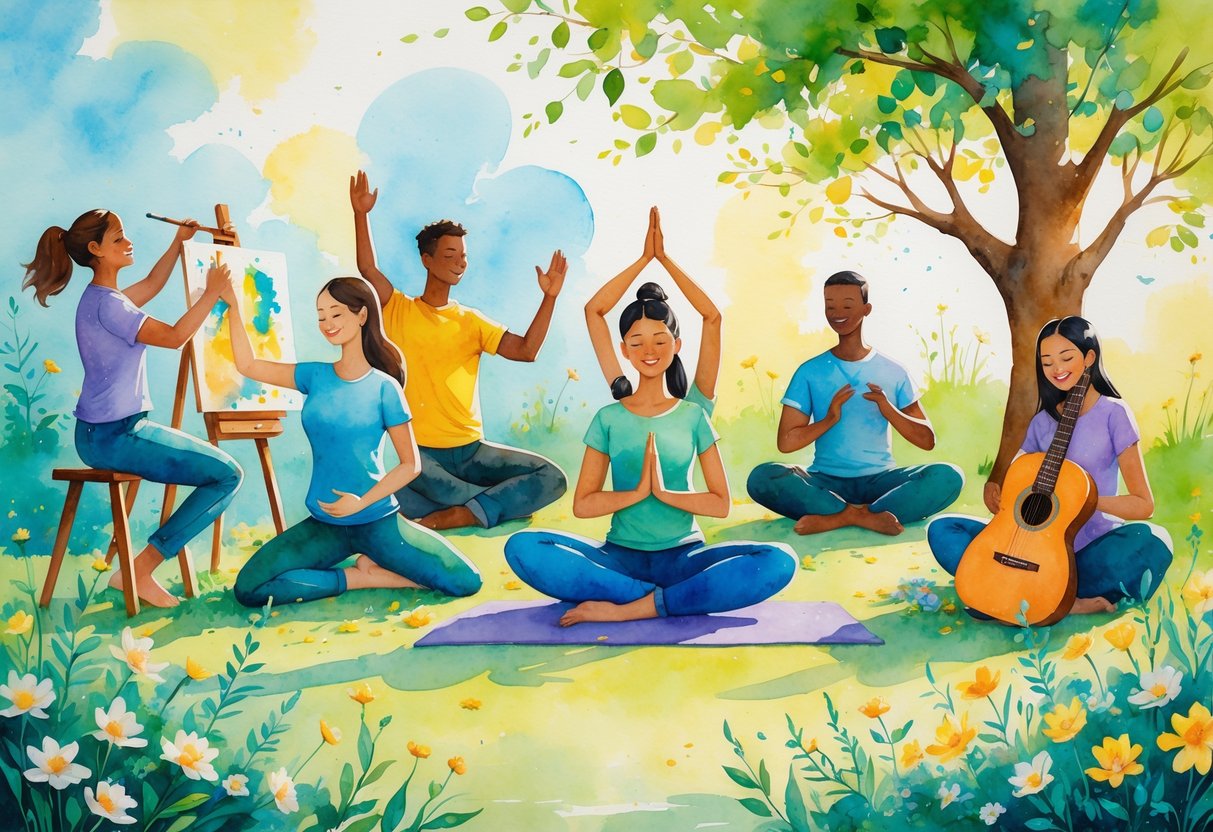
Picking the best hobby depends on what motivates you and helps you feel accomplished. Choosing something that matches your interests and setting realistic goals can make your confidence grow over time.
Aligning Hobbies With Personal Interests
When you choose a hobby that fits your interests, you are more likely to stick with it. Start by listing your favorite activities or topics.
For example, if you love art, consider drawing, painting, or photography. If you prefer being active outdoors, hiking or cycling could be good options.
Ask yourself these questions:
- What do I enjoy doing in my free time?
- Do I work better alone or with others?
- Am I interested in learning physical, creative, or technical skills?
Picking a hobby you actually enjoy also helps make the process fun, not stressful. This way, you can build confidence as you spend more time developing skills you care about.
Find more tips for choosing a hobby that suits you at this Psychology Today article on choosing the perfect hobby.
Setting Achievable Goals and Tracking Progress
Setting goals helps you see progress, which is important for self-esteem. Break big tasks into small ones to make them feel possible.
For example, if your new hobby is running, your first goal might be to jog for five minutes without stopping. A simple way to track your progress is by keeping a journal or checklist.
Write down each achievement, no matter how small. This helps you notice improvements over time and keeps you motivated.
Regular goals also help you push past challenges. When you reach a goal, celebrate your effort.
This strengthens your confidence and encourages you to keep going. Small, steady progress is usually more effective than trying to do too much at once.
Frequently Asked Questions
Hobbies like dance, martial arts, public speaking, cooking, and yoga give you real ways to practice new skills, face personal challenges, and learn about your strengths. Spending time on these activities can help you manage stress, improve communication, and feel more comfortable with yourself in everyday situations.
What activities can enhance my self-confidence?
Activities that encourage learning and social interaction are strong choices for building confidence. Dance classes and martial arts training give you clear goals to work toward and let you see your progress over time.
Joining public speaking clubs can help you feel more at ease when talking in front of others.
How do hobbies impact my personal development?
Hobbies can teach you valuable life skills and help you discover new interests. Cooking courses, for example, improve planning, creativity, and self-sufficiency.
Yoga and meditation help you practice patience, self-reflection, and relaxation.
Which hobbies are best for improving my self-assuredness?
Try activities that require practice, feedback, and gradual improvement. Dance and martial arts both help build confidence through movement, teamwork, and learning new routines.
Many hobbies encourage social connections and growth in self-esteem.
What are effective ways to boost self-esteem through leisure activities?
Choose hobbies that let you set and meet realistic goals. Look for activities where you can track your progress, celebrate small wins, and enjoy learning.
Yoga and cooking help encourage self-acceptance and gratitude.
Can engagement in certain hobbies precipitate a positive change in self-perception?
Yes, taking part in activities you enjoy can help you feel more positive about yourself. Hobbies that challenge you and bring a sense of achievement often lead to a better self-view and increased motivation.
How does dedicating time to hobbies correlate with building a stronger sense of self?
Regularly setting aside time for hobbies helps reinforce your sense of purpose and ability.
As you overcome new challenges in dance, martial arts, or public speaking, you build trust in your skills and see growth in your self-belief.