
10 Best Hobbies to Reduce Social Anxiety and Improve Your Social Skills
Social anxiety can make it difficult to join conversations, meet new people, or relax in social settings. These challenges can affect your daily life, but you are not alone.
Many people face similar feelings and want practical ways to feel more comfortable around others.
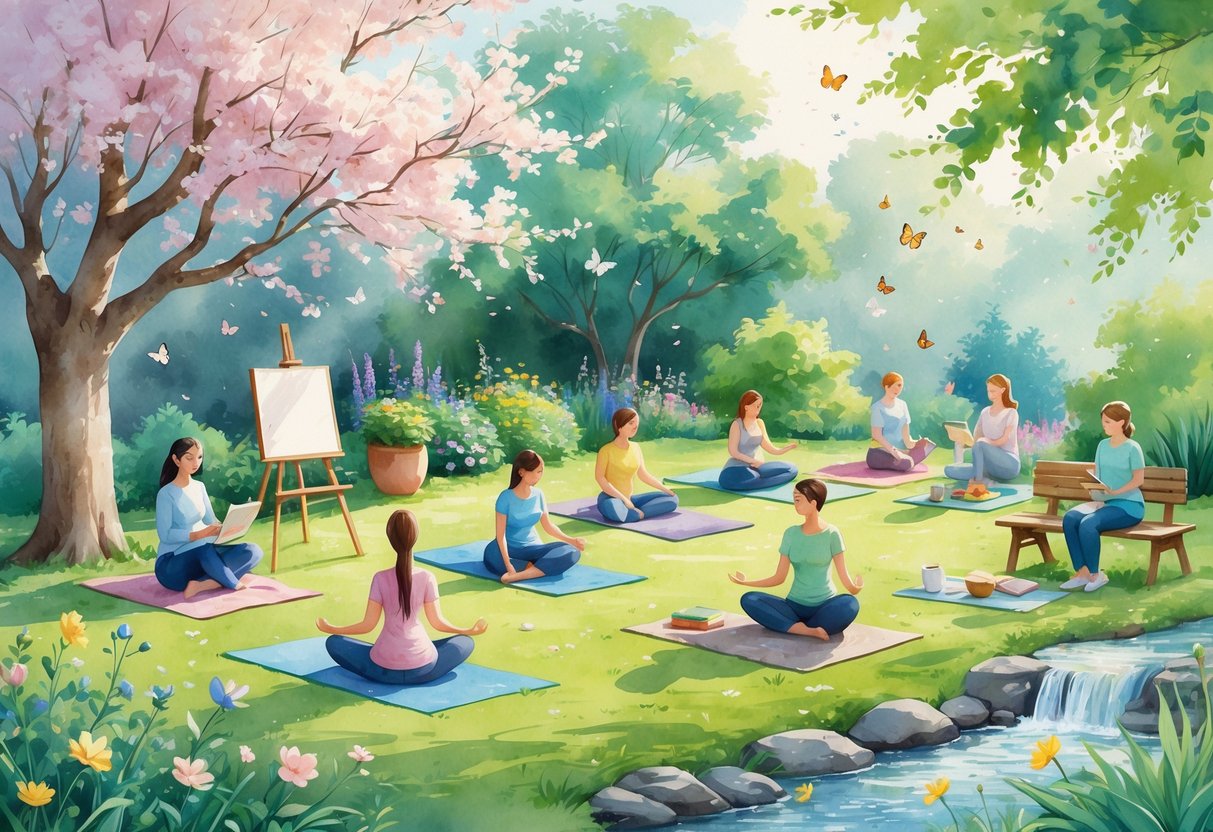
Exploring new and enjoyable hobbies can help ease social anxiety while building confidence and social skills. By focusing on activities that keep your mind active and help you interact with others, you can create a more positive outlook and start feeling at ease in group situations.
1) Swimming regularly

Swimming can help you feel more at ease in social situations. It is a low-impact exercise that supports both your body and mind.
Many people find the water calming, making it easier to let go of daily worries. Taking part in swim classes or joining a community pool lets you meet others in a relaxed setting.
You do not have to talk much if you are not comfortable, but you are still surrounded by people. This can help you practice being around others without pressure.
Research suggests swimming for half an hour a few times each week can lower stress and ease symptoms of anxiety and depression. The feel of water, the focus on your strokes, and the gentle motion all work together to support your mental health.
There is also evidence that swimming may lower anxiety levels in children and adults. You gain a sense of accomplishment by learning new skills or improving your swimming.
Even setting small goals, like swimming two extra laps, can boost your confidence over time. If you prefer group activities, you can also try water aerobics or swim teams.
These allow you to join in with others but still keep your own space. You may find it easier to start conversations or connect with people who have similar interests.
Swimming does not require you to compete or be loud. You can simply focus on moving through the water at your own pace.
For many, this helps ease the feeling of being judged. Getting started is simple.
Many local pools offer open swim times, classes, or lessons for all skill levels. Joining a pool or swim group is a good way to add routine to your week while supporting your mental health.
You can learn more about the mental health benefits of swimming at Develop Good Habits, which highlights how swimming can help reduce anxiety and stress.
2) Gardening outdoors
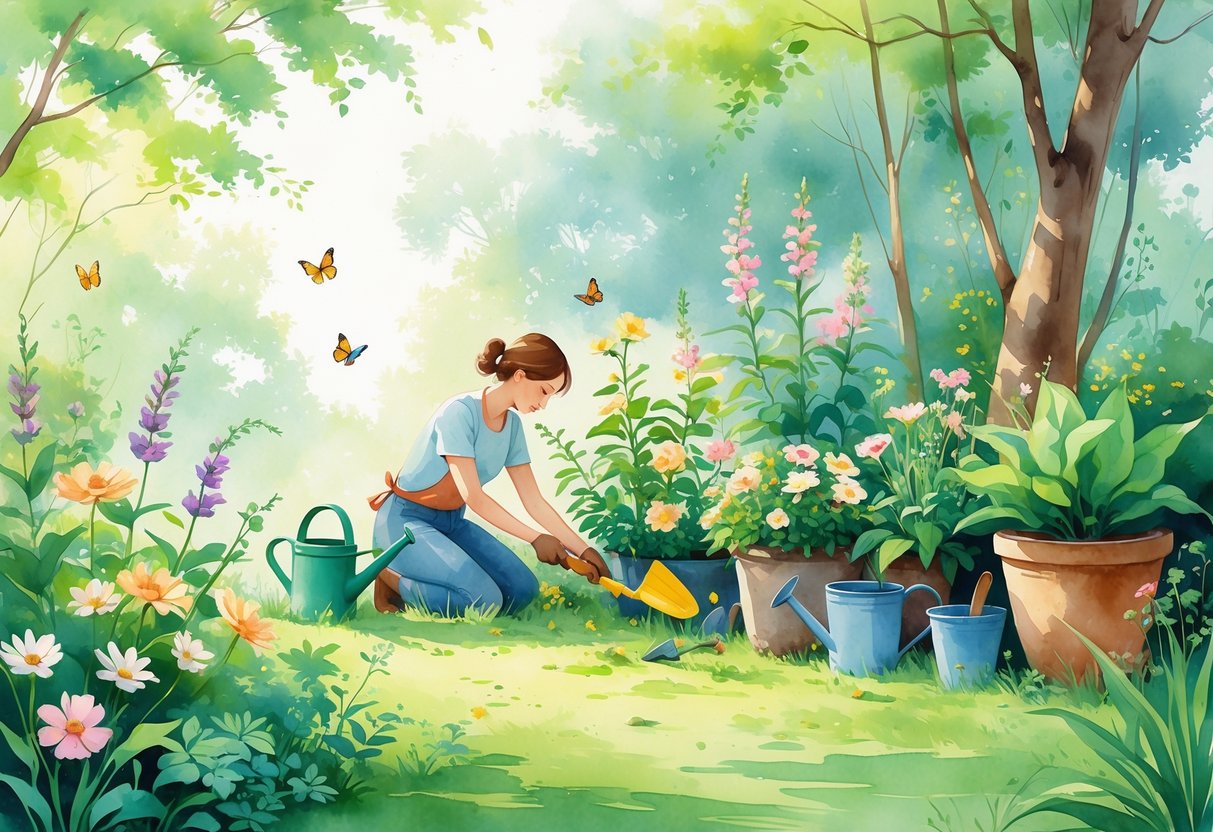
Gardening gives you a calm and steady way to spend time outside. When you work with soil and plants, you focus on simple tasks.
This can take your mind off worries and bring you into the present. Spending time in nature may help reduce stress.
The act of watering, trimming, or planting lets you use your hands and enjoy fresh air. Some people find that these activities also lift their mood.
You do not have to be an expert to start gardening. You can plant just one flower in a pot, or you can work in a bigger space if you have a yard.
Even a small balcony garden offers you the chance to grow herbs or flowers. Gardening can be a quiet hobby, so you do not need to talk with many people.
This can make it feel safe and comfortable for you if you experience social anxiety. The plants do not judge, and there is no pressure to act a certain way.
The routine of caring for living things helps build a sense of purpose. Over time, you might notice feeling calmer when you are outside.
There are also mental health benefits linked to being in nature. Studies show gardening may help lower daily stress and anxiety levels.
By keeping your mind and body busy, gardening provides a natural break from anxious thoughts. For more on relaxing hobbies, see this guide on gardening for stress relief.
If you want a gentle, outdoor hobby that lets you feel productive, gardening is a good choice. You can go at your own pace and choose what you want to grow.
3) Playing a musical instrument

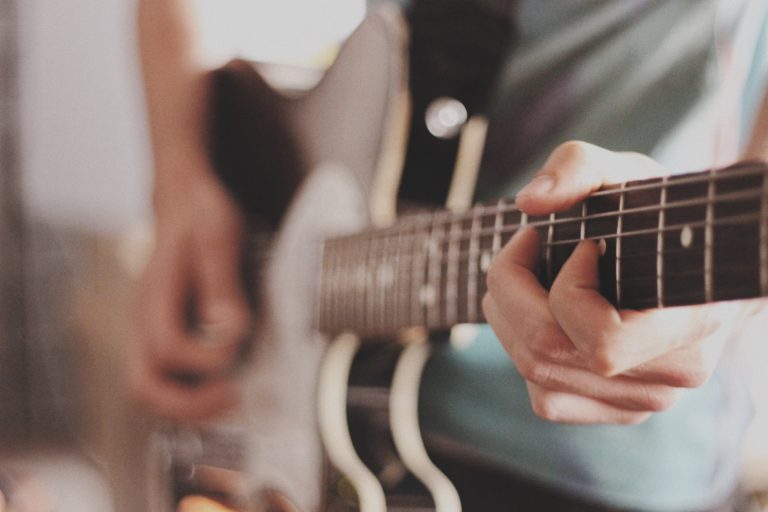
Learning to play a musical instrument can help you manage social anxiety in a calm and creative way. When you practice music, you focus your mind on notes, rhythms, and melodies instead of your worries.
Playing an instrument lets you express your feelings without using words. This can make it easier to work through tough emotions or stress.
As you improve your skills, you’ll gain confidence, which can make social situations feel less stressful. Music also gives you goals to work toward, like playing a new song or mastering a tricky part.
Reaching these goals helps you feel a sense of achievement. This feeling can boost your mood and motivation.
You don’t have to play in front of others if you’re not ready. Practicing alone is still helpful and relaxing.
But over time, you might become comfortable playing with friends or in a group, which can gently build your social skills. Studies show that musical activities can lower anxiety and help with emotional control.
Many people find that even listening to music or short practice sessions can reduce stress and help them relax. You can start simple by choosing an easy instrument, like a keyboard, ukulele, or even singing.
There are many free lessons online, so you can learn at your own pace. Music stores sometimes offer fun beginner classes as well.
Playing music can also be a way to meet new people if you join a class or a community band. Making music together is a natural way to connect with others, and it gives you something in common right away.
This can make socializing feel more comfortable. If you want a hobby that is calming, expressive, and enjoyable, playing a musical instrument is a strong option to consider.
It supports both your mental wellness and your social confidence.
4) Walking in nature

Walking in nature can be a simple and effective way to help with social anxiety. Being outside in green spaces often makes people feel calmer and less stressed.
The fresh air, sounds of birds, and natural light can help you focus on your surroundings instead of your worries. You do not need any special gear or skills to begin.
Even a short walk through a park or on a quiet path can have benefits. Studies show that just ten minutes of walking in nature may boost your mood and help reduce feelings of anxiety.
A brief nature walk can be as helpful as more vigorous workouts in easing stress for some people, as mentioned here. Spending time outdoors also offers a break from crowded places and busy social settings.
You can enjoy some time alone but still be around others in a way that feels comfortable and safe. For people with social anxiety, this can be the right balance of being “out” without pressure.
You may also find that walking in nature helps you clear your mind. The sights and sounds you notice—like trees, flowers, or water—can bring your attention to the present moment.
This helps you practice mindfulness and lessens negative thoughts or worries. Adding regular walks to your routine is a gentle way to take care of your mental health.
Many people find that the more time they spend walking outside, the more relaxed and confident they feel. For more ideas about how time in nature can help with anxiety, you can read tips here or here.
5) Knitting or crocheting
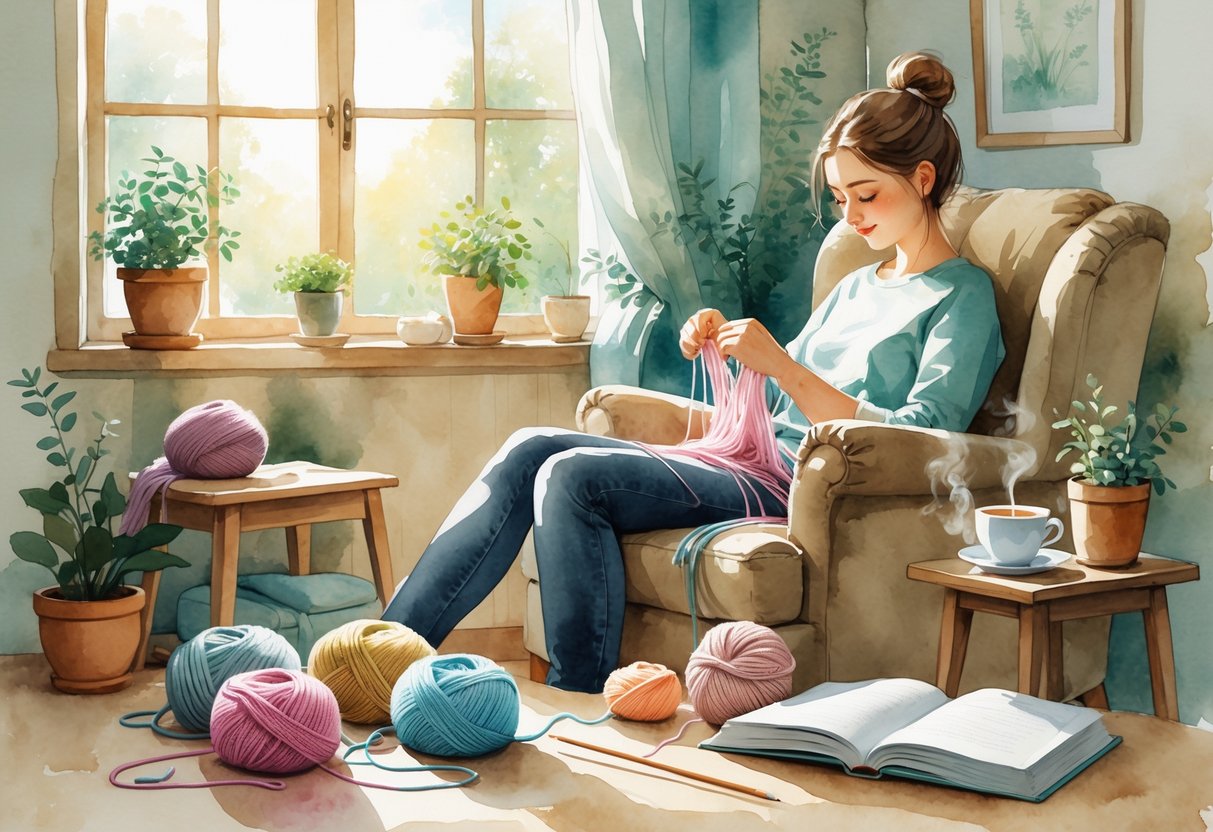
Knitting or crocheting gives you something calm and steady to focus on. The repeated motions can help you relax and quiet your mind when you feel anxious.
These activities make it easier to stop thinking about things that worry you. Both knitting and crocheting are easy to start at home with simple materials.
All you need is yarn, a hook or needles, and some basic instructions. The steps are not complicated, so you can learn at your own pace and see quick progress.
Many people find that the physical act of moving your hands helps with stress relief. Your mind can concentrate on the pattern, the counting, and the feel of the yarn.
This can lower your feelings of anxiety in the moment. Knitting and crocheting do not need a lot of energy or effort.
You can even do them while watching TV or listening to music. They are low-pressure hobbies that can be as simple or as detailed as you want.
You can craft alone if you want quiet time, or you can join a group or an online forum to share your work. Crocheting and knitting communities welcome beginners and make it easy to connect with others over a shared interest.
This social aspect can help reduce feelings of isolation and build your confidence in a gentle way. If you prefer to make gifts or useful items, knitting and crocheting let you create scarves, hats, and other pieces for yourself or others.
Finishing a project can give you a sense of accomplishment and purpose. This feeling is helpful in managing anxiety and supporting your mental health.
Research and experts recommend knitting and crocheting as good hobbies for anxiety because they engage both your mind and your hands. These crafts offer real, practical ways for you to focus, relax, and feel more connected.
6) Writing stories or poetry

Writing stories or poetry gives you a safe space to express your thoughts and feelings. You can put your worries on paper and look at them from a distance.
This can make your feelings feel less overwhelming. You do not need to be a professional writer to benefit from this hobby.
Writing is for everyone, and you can start with simple sentences or short poems. There are no strict rules or grades.
Creating poems or stories can help you understand your emotions better. For people with social anxiety, writing can be a private way to process difficult social situations.
You can describe your experiences in your own words, which can help you reflect and grow. Many people find it easier to open up in writing than in person.
You do not have to share your work unless you want to. Even if you just keep your stories or poems to yourself, the act of writing them can be calming.
If you want, you can join online writing groups or workshops. These spaces can be welcoming, and you can share your work with others who enjoy writing too.
You might enjoy creating characters or inventing new worlds in your stories. Writing fiction lets you explore situations at your own pace.
Many introverts find writing fiction or poetry to be an encouraging way to build self-esteem. You can write anytime and anywhere.
Even a few minutes each day can help you feel more relaxed and focused.
7) Dancing alone at home
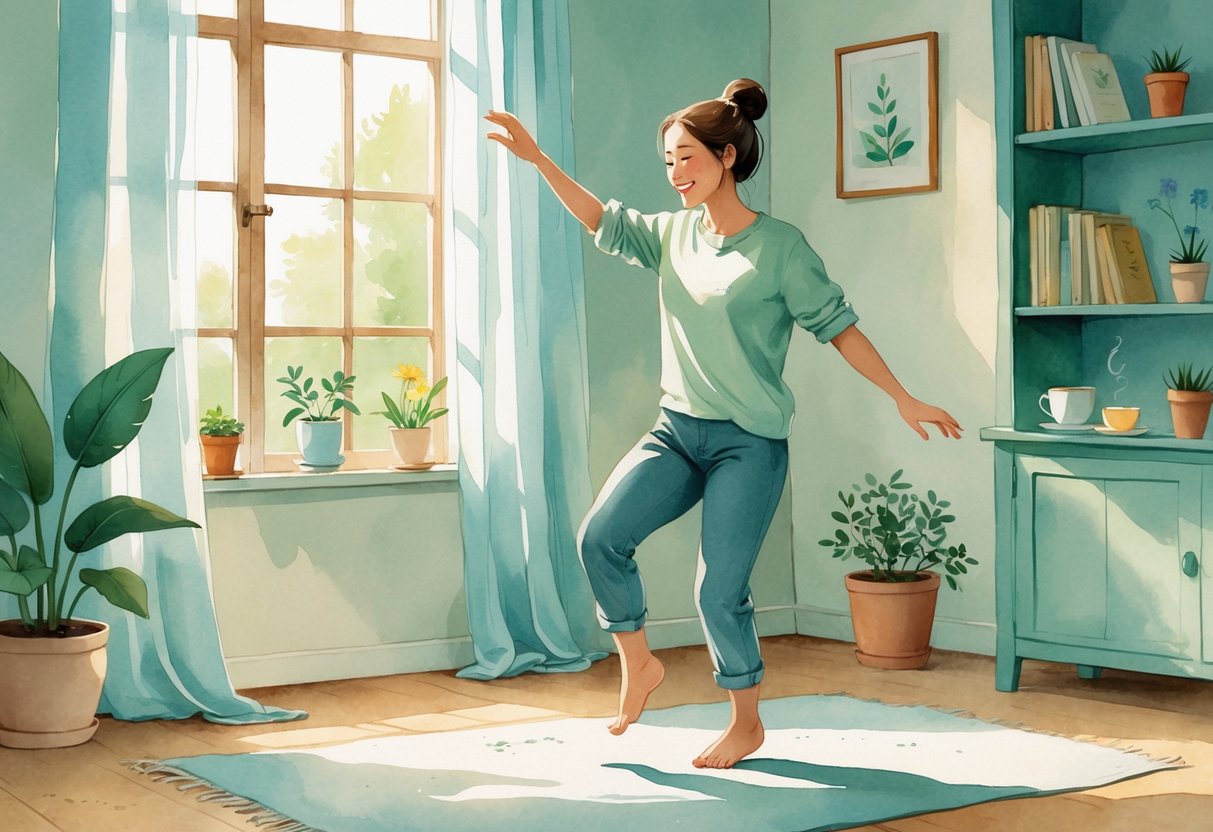
Dancing alone at home can be a good way to ease social anxiety. You don’t need to worry about anyone watching or judging you.
This removes pressure and lets you focus on how you feel. Moving your body helps release tension.
Dancing can also give you a mood boost because it gets your blood flowing and lets you express emotions. Many people find that listening to upbeat music and moving around helps them feel less stressed and more positive.
You don’t need any training or special skills to start. Just play your favorite songs and move however you like.
If you want extra guidance, you can try online dance videos or follow basic routines. These options are low-pressure and let you go at your own pace.
Dancing by yourself gives you a private space to explore movement. It’s a way to enjoy music and learn more about what feels comfortable for you.
Some people discover new moves or styles they enjoy, while others simply use this time to relax. Practicing regularly can help you become more comfortable in your body.
This might make social settings less intimidating over time. You can make dancing a daily habit or do it whenever you need relief.
Since it takes place at home, you have control of the music, movements, and environment. This makes it easy to adjust as needed, so you can feel safe while you practice.
8) Reading empowering books

Reading can help you focus on something positive and take your mind off your worries. When you pick up empowering books, you may find comfort in stories and advice from others who have faced similar challenges.
Many people with social anxiety have found relief by reading helpful and well-written books that guide you through ways to handle stress and fear. Some books use simple exercises or share real experiences to show you that change is possible.
This hobby is flexible because you can do it anywhere—at home, a park, or even on a bus. Even short reading sessions can make a difference in your mood or thinking patterns.
Studies have found that reading can lower your stress and help you relax. According to research from the University of Sussex, reading can reduce stress by up to 68%, making it a great option for those wanting to calm their minds.
Choosing books geared toward personal growth or social confidence may be especially helpful if you struggle with anxiety in social situations. Some of the best social anxiety books offer real-life tips and proven tools to help you manage your feelings and gain more self-assurance.
You can find more information about top titles from this list of recommended social anxiety books. Whether you prefer fiction or nonfiction, just spending a few minutes reading each day can help you build confidence and escape negative thoughts.
You do not have to finish thick novels—even short chapters or a few pages can have a calming effect.
9) Caring for a pet

Caring for a pet can give you a sense of purpose in your daily life. Feeding, walking, or playing with your pet creates routines that can help you focus and stay present.
Many people find comfort in the company of animals. Pets often provide a feeling of unconditional support, which may help you feel less lonely or judged in social situations.
Spending time with a pet, like petting a cat or playing fetch with a dog, can lower your stress. Research has shown that animals can help reduce the amount of cortisol, a hormone linked to stress, in your body.
This physical change can make you feel calmer and more at ease in social settings. Pets can also improve your mood by increasing levels of oxytocin, which is sometimes called a “feel-good” hormone.
When you interact with your pet, you may notice you feel happier or more relaxed. Having a pet can sometimes make social tasks feel less overwhelming because you know you have a supportive companion waiting at home.
Taking a dog for a walk or going to the vet sometimes puts you in social situations without much pressure. Pet ownership can serve as a bridge for conversations.
You might find it easier to chat with other pet owners, making social interactions less stressful. If you are considering caring for a pet, think about your lifestyle and what kind of animal would fit best with your needs.
Although pets require responsibility, the positive effects on stress and anxiety are supported by science. You can read more about the mental health benefits of pets at Exploring Animals and Hepper.
10) Coloring or painting
Coloring and painting are quiet activities you can do on your own or with others. These hobbies let you focus on shapes, lines, and colors instead of your worries.
Many people find their minds feel calmer while coloring or painting. It does not matter if you are “good” at art.
The main goal is to let your thoughts slow down and enjoy the creative process. You can use coloring books, plain paper, or even digital tools.
Spending time on a project helps you stay present. When you blend colors or fill in a picture, your mind is busy with something positive.
This can make it easier to handle feelings of anxiety. Some people like using adult coloring books because the designs can be simple or detailed.
No experience is needed, and mistakes are not important. The simple act of choosing colors and filling shapes can feel soothing.
Painting is another option to try. You can paint with watercolors, acrylics, or even use paint-by-number kits.
The process of watching a picture take shape can help ease tension. You don’t need expensive supplies.
Basic markers, crayons, colored pencils, or cheap paints are enough to get started. Try setting aside a few minutes a day to work on a drawing or painting.
If you want to share your work, you can join art groups online or in your community. Some people feel less nervous around others when they talk about art instead of themselves.
Expressing yourself with art is a gentle way to practice social skills at your own pace. Creative activities like coloring and painting may help you manage anxiety over time.
Small, regular sessions can fit easily into your routine and give you a sense of progress.
How Hobbies Support Mental Well-Being
Getting involved in meaningful activities can help you handle social anxiety and boost your mental health. Staying active with enjoyable hobbies offers real chances for relaxation, building confidence, and connecting with others.
The Link Between Engagement and Reduced Anxiety
Being active with a hobby gives you a clear focus, which can help distract you from negative thoughts and worries. This redirection gives your mind healthy breaks from anxiety, helping you feel calmer and more present.
Many hobbies—such as painting, playing music, or gardening—give you a sense of achievement. Each small goal you reach can make you feel more capable and help improve your mood.
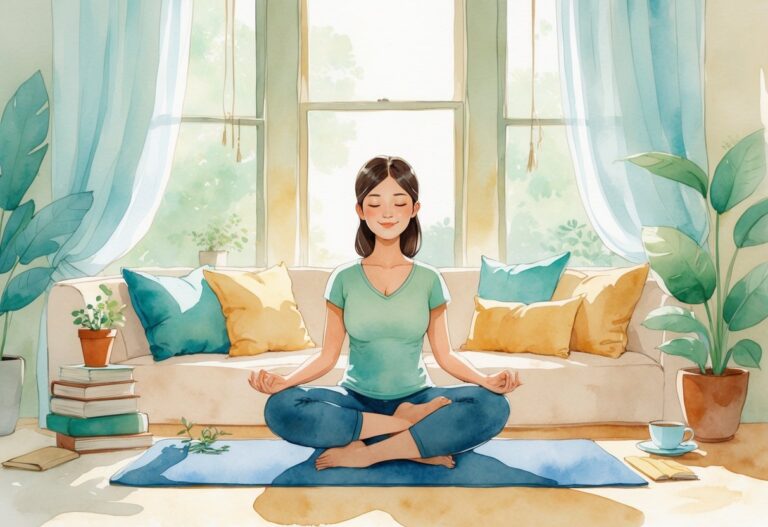
Some activities, like yoga or meditation, work directly on both mind and body to ease stress. Breathing exercises and gentle movement can help you relax, which can lower symptoms of anxiety.
Research shows that regular engagement in hobbies can lead to fewer anxious thoughts throughout the day. See more examples at Calm Sage and NeuroLaunch.
Building Social Skills Through Shared Interests
Joining a hobby group or club puts you in touch with people who have similar interests. Shared activities like team sports, music clubs, or art classes make it easier to start conversations without pressure.
You practice social skills naturally when you work together, share ideas, or help others in your group. Even small exchanges, such as giving feedback or asking for advice, help you get used to social settings.
This can slowly reduce your fear of social judgment or embarrassment. Social hobbies also give you regular practice with communicating and building friendships.
Over time, it gets easier to handle different social situations outside the group, too. Studies highlight that these connections support emotional health and boost your confidence, as described at Style Vanity and Science of Mind.
Tips for Getting Started With New Hobbies
Trying a new hobby can feel exciting but also a little intimidating. Clear planning and connecting with others can help you stick with your new interest and ease your anxiety.
Setting Manageable Goals
Start by choosing a hobby that matches your current energy and comfort levels. Pick something that interests you, but make sure it feels possible and not overwhelming.
Instead of telling yourself you need to master it right away, set small, short-term goals—like practicing for 15 minutes or finishing one simple project. Use checklists or a basic habit tracker to keep track of progress.
Try breaking tasks down, so you see your achievements step by step. Adjust your goals as needed to fit what feels right for you.
Staying flexible helps you avoid frustration and lets you enjoy small successes on the way. If you get stuck or lose interest, take a short break.
Return with a fresh mindset. Celebrate each step, even if it feels minor.
Small wins help increase your confidence and make it easier to keep going.
Finding Supportive Communities
Joining a group, club, or online forum focused on your hobby gives you a chance to meet people with similar interests. Many hobbies—for example, art, hiking, or board games—have active online and local communities that welcome beginners.
These spaces offer advice, encouragement, and useful tips as you get started. Look for hobby groups that are friendly and open to new members.
Try social hobbies that make it easier to connect with others and build friendships at your own pace. If meeting in person feels difficult, online meetings or chats can still help you feel included and supported.
Share your questions or small achievements with the group. Most people appreciate helping a newcomer and can make the process feel less lonely.
Building these connections makes your hobby more enjoyable and helps reduce social anxiety, especially when learning something new.
Frequently Asked Questions
Practice with specific hobbies like swimming, gardening, and playing music can lower social anxiety and support better mental health. You can choose activities based on your comfort level, home space, and how much interaction you want with others.
What are effective hobbies for managing both stress and anxiety?
Gentle exercise such as walking in nature helps relax your mind and body. Creative hobbies like playing a musical instrument or knitting can shift your focus away from worries, making it easier to manage anxious thoughts.
Which activities can introverts with anxiety engage in to feel more relaxed?
Activities you can do alone, like gardening outdoors or knitting, are ideal for introverts who get overwhelmed by social settings. Reading is another good option since it is calming and can be done quietly at home.
How can adults with social anxiety find relief through hobbies?
You may benefit from regular swimming, which is often done solo and supports both your mental and physical health. Practicing a musical instrument can help you focus and may also improve confidence as you learn new skills.
Are there specific hobbies recommended for individuals prone to overthinking?
Knitting or crocheting uses repetitive actions that can help settle your mind and keep your hands busy. Gardening offers simple, hands-on tasks that make it easier to stay present and avoid unhelpful thought patterns.
What at-home hobbies may alleviate symptoms of social anxiety and depression?
Try hobbies such as coloring, baking, or crafting which engage your mind and allow for creative expression without needing to leave home. These activities have been shown to help manage symptoms of anxiety and depression.
Can you suggest any hobbies that also serve as therapeutic for those with social anxiety?
Yoga and meditation are therapeutic hobbies that promote relaxation and mindfulness.
Both have benefits for calming nerves and improving body awareness, which can help you cope better with social anxiety as shown in practices like yoga and meditation.