
10 Best Hobbies for People Living with Roommates to Foster Connection and Fun
Living with roommates can be a fun and rewarding experience, but finding the right hobbies makes a big difference in how well you get along. Choosing activities that fit your shared living space helps you enjoy your time together and stay connected.
The right hobbies can help you relax, make new memories, and avoid feeling crowded at home. Whether you want to spend more time with your roommates or just need space to enjoy your own interests, picking good hobbies can help create a smoother living situation for everyone.
1) Hosting regular game nights

Hosting regular game nights is a practical way to bond with your roommates. Board games, card games, or fun party games can turn any evening into a cheerful gathering.
You don’t have to spend a lot of money to make game night fun. Many classic games, like Uno or Monopoly, are affordable and easy to play with a group.
Try rotating who picks the game for each night. This keeps things interesting and gives everyone a chance to share their favorites.
Set up a snack table or ask everyone to bring a treat to share. Even simple snacks can make the night feel special.
You can add a theme to some nights, like wearing pajamas or playing only word games. This can make the evening feel unique.
If you want to add extra excitement, give out small prizes to game winners. Prizes could be something simple, like a homemade treat or a fun trophy, as suggested by this article on game night ideas.
Game nights work well for small or large groups. If you have friends over, it’s easy to include them too.
In case you are worried about costs, you can even find many budget-friendly roommate activities, including basic card or dice games.
Regularly scheduled game nights help build a positive atmosphere in your home. They give everyone something to look forward to each week.
2) Cooking themed dinners together

Cooking themed dinners with your roommates can be a fun and practical hobby. It lets you try new recipes and learn about different cultures through food.
Planning a menu together can help everyone get involved and excited. Each roommate can pick a theme, such as Italian pasta night or Mexican taco night.
This keeps things fresh and gives everyone a turn to share their favorite foods. You can even explore simple meal ideas that work well for groups, such as one-pot dishes or casseroles.
You do not need to be a chef to enjoy this hobby. Start with easy recipes or look for step-by-step guides online.
Preparing a meal can be a great way to learn new cooking skills without too much stress. Themed dinners are also a budget-friendly way to eat well.
By shopping together and planning your meals, you can save money and reduce food waste. This can be helpful if you are living on a college or shared budget.
Cooking together can also help everyone build better communication. You have to work as a team to choose recipes, shop, and clean up.
The process encourages sharing and cooperation in a relaxed setting. If you want inspiration, try creating a schedule or rotating who picks the theme each week.
Some groups enjoy baking as part of their meal, while others might make simple salads or appetizers to go with the main dish. You can find more ideas for easy themed meals for groups at websites like Golden Carers.
3) Starting a shared indoor herb garden

Starting an indoor herb garden with your roommates is a practical and enjoyable hobby. It doesn’t require much space or a big investment, making it a good option for apartments or shared homes.
You can use windowsills, shelves, or even hanging planters for your herbs. There are many creative ways to grow herbs indoors if you’re short on space.
Choose easy-to-grow herbs like basil, parsley, mint, or chives. These herbs usually adapt well to indoor conditions and don’t need complicated care.
Decide together how you’ll split the tasks. One person can water, another can trim the leaves, and someone else can handle repotting if needed.
Sharing responsibility helps keep your plants healthy and everyone involved. An indoor herb garden doesn’t just look nice—it lets you cook with fresh ingredients.
You’ll have fresh flavors at your fingertips, perfect for shared meals or snacks. Growing herbs inside also means you don’t have to depend on outdoor weather.
With a little planning, you can enjoy homegrown herbs all year round. A small indoor setup can be effective, even if you only have a little sunlight.
Use pots with good drainage and place them where the herbs can get enough light. Most herbs need about six hours of sunlight each day, so a sunny window is best.
You could also use a small grow light if your apartment doesn’t get much sun. Starting a shared indoor herb garden can bring you and your roommates together.
It’s a simple way to add green space, share responsibility, and make your home feel fresher.
4) Organizing movie marathons

Planning a movie marathon with your roommates is a fun and simple way to spend time together. You can choose a theme, such as action movies, comedies, or a certain film series, and take turns picking the lineup.
This makes it easy for everyone to get involved and enjoy the event. Start by setting a date and time that works for everyone.
Decide how many movies you want to watch and make sure you have enough snacks and drinks. Setting up a cozy space with pillows and blankets can help make the experience more comfortable.
Let everyone vote on which movies to watch. You might want to pick a popular trilogy, like the Lord of the Rings series, or stick with classics that everyone loves.
For more ideas, you can look through online lists of movie marathon ideas that cover different genres and interests. Keep things simple by scheduling breaks between movies.
This gives everyone a chance to stretch or grab more popcorn. You can even play games or have short conversations about the movies during these breaks.
If you want to make your movie marathon extra special, try adding a few themed snacks or decorations. Even small touches, like movie tickets or a homemade program, can make the night more memorable.
5) Practicing yoga or meditation sessions

Yoga and meditation are quiet hobbies that fit well with shared living spaces. You do not need much equipment or space, so you can practice them in your room or living area without disturbing anyone else.
Both yoga and meditation can help you manage stress and boost your mood. Regular yoga practice can improve flexibility and help you feel more grounded.
Meditation can help you find a sense of calm even on busy or stressful days. You can use apps or online videos for guidance, which allows you to choose the style and session length that works best for your schedule.
Many beginners start with guided meditations from apps like Headspace or Calm. There are also many free sessions on YouTube, which can be helpful if you want step-by-step instructions to follow along at home.
Learn more about how to get started with meditation and mindfulness using digital guides at Holistic Wellness Quest. Practicing yoga or meditation around roommates can also encourage others to join you.
Group sessions are a good way to build healthy routines together. If your space is limited, you can practice gentle stretches or breathing exercises from your mat.
If you find that anxiety or a fast-paced environment is affecting your well-being, both yoga and meditation are helpful ways to relax and focus on the present moment. According to NeuroLaunch, these activities promote relaxation and body awareness while reducing stress.
You do not need any special skills or expensive equipment. Just a little quiet time and a small area are enough to begin these peaceful hobbies.
6) Creating DIY home decor projects
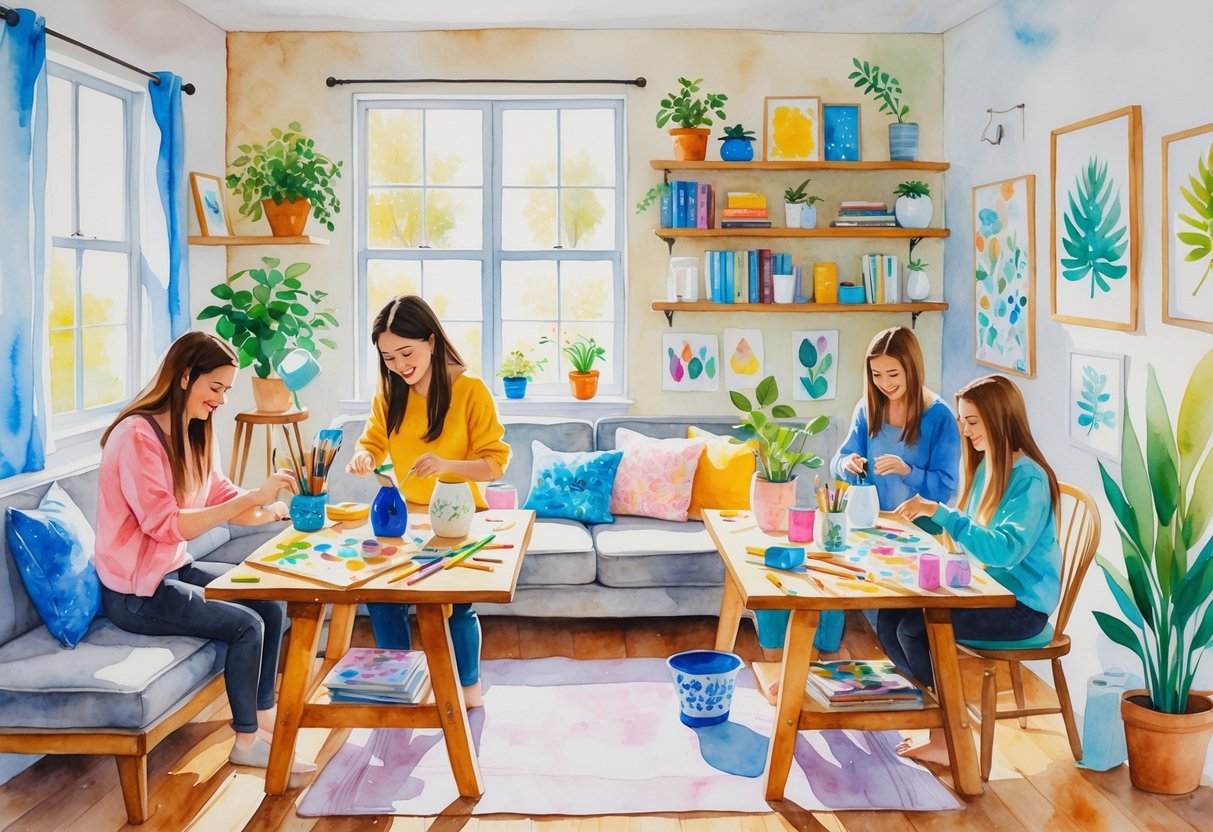
DIY home decor is a practical hobby when you share a space with others. It lets you add personal touches to your living areas, making them feel more comfortable and welcoming.
Working on these projects can also help you save money. You might try simple crafts like painting flower pots or making homemade wall art.
Small changes, such as new throw pillows or handmade coasters, can give your apartment character without taking up much room. This makes them perfect for shared spaces.
Getting creative with roommates can be a good way to bond. You can work on projects together, like building a small shelf or making decorations for a common area.
Projects that use recycled or upcycled materials are budget-friendly and good for the environment. Learning new techniques or exploring online tutorials is an easy way to improve your skills.
Try activities like diamond painting, knitting, or assembling DIY crafts with everyday supplies. Even beginners can join in and make something useful.
DIY projects can be as simple or as detailed as you want. You could sew cushion covers, paint picture frames, or experiment with new looks for old furniture.
Working together allows everyone to share ideas and decide on the designs they like best. Not only does this hobby refresh your home, but it also gives you the chance to create a space that fits everyone’s style.
It’s a hands-on way to make your apartment feel unique. If you need more inspiration, you can find a wide variety of DIY home projects online.
7) Taking evening walks or jogs

Taking an evening walk or jog is a simple hobby that can fit easily into your daily routine. It does not require much equipment—just comfortable clothes and good shoes.
You can start right outside your door, whether you live in a city or a quiet neighborhood. Walking or jogging in the evening may help you relax after a busy day.
It can clear your mind and provide some time away from screens and noise. Even a short walk offers health benefits and gives you a chance to stretch your legs.
Roommates can join you if they want some company, making walks a good way to connect. If you prefer time alone, you can use the walk for personal reflection or to listen to music or a podcast.
Evening air often feels cooler and more comfortable than during the day. You might enjoy seeing your neighborhood at a quieter time or watching the sunset.
Streets and parks often feel calmer in the evening, creating a peaceful atmosphere. This hobby can help you establish a steady routine.
Walking or jogging regularly may improve your sleep, boost your mood, and support your overall well-being. For many, making it a daily habit is easier when it’s paired with the end of the day.
If you want to add extra interest to your walks, consider trying nature trails or exploring different routes. Some people find it motivating to track their steps or set small goals.
If you are a beginner or have health concerns, start slow and increase your pace or distance over time. Walking together with your roommates can be good for your relationship.
It opens up time for casual conversation without distractions. Plus, it’s free and flexible, making it a convenient choice for roommates with busy schedules.
If you want to learn more about health benefits and tips for walking, this guide for seniors outlines some simple ways to get started, which are also helpful for roommates of all ages.
8) Learning a new language with apps

Learning a new language can be both fun and useful when you live with roommates. It gives you something productive to do on your own while still letting you share your progress and new words with others.
You can even practice speaking with your roommates if they are interested. Many language learning apps are designed for independent study.
Some of the most popular apps include Duolingo, Babbel, and Rosetta Stone. These platforms let you choose the language you want to learn and set your own pace.
Using an app means you can study at any time that works for you, so you won’t disturb your roommates’ routines. You only need a smartphone or a tablet to get started.
Most apps also give you short daily lessons, making it easy to fit learning into a busy household. Some language apps have built-in speaking or chat features.
This helps you practice real conversations, so you’ll feel more confident using your new language. If your roommates are open to it, you could turn studying into a group activity and learn together.
Many people find language apps engaging because they use games, quizzes, and points to keep you motivated. This can make learning more enjoyable, especially when living with others who might join in the fun.
There are both free and paid options for language learning apps. If you’re not sure where to start, check out lists of the best language learning apps to find one that meets your needs and budget.
No matter which app you pick, learning a language is a great way to make the most of your time at home. It lets you explore new cultures while building a useful skill.
9) Doing puzzle challenges
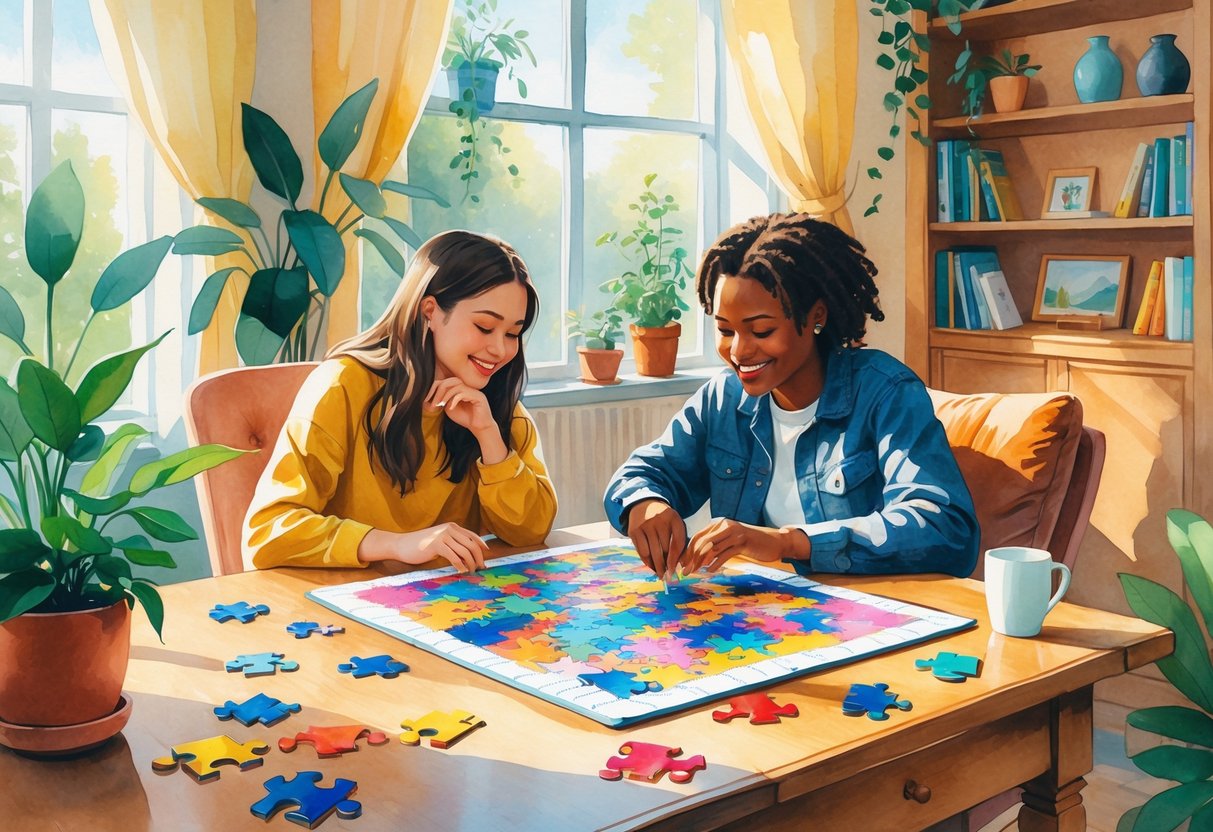
Doing puzzle challenges is a fun hobby you can enjoy while living with roommates. You can pick from different types like jigsaw puzzles, crosswords, or logic games.
These activities help keep your mind active and can be a relaxing way to spend time after a busy day. Puzzle challenges can be a great way to bond with your roommates.
Working on a big jigsaw together can build teamwork and patience. If you prefer something shorter, try quick word puzzles or brain teasers.
Setting up regular puzzle nights is simple. Spread out the pieces on a table in a shared space.
Invite everyone to join in, or let people add pieces whenever they walk by. This casual approach lets everyone play at their own pace.
You can even make puzzle nights more interesting by adding a friendly competition. See who can finish a crossword first or solve a tricky riddle.
Some roommates enjoy taking turns choosing the next puzzle type to keep things fresh. Puzzle challenges are flexible and don’t need much equipment.
Most games and puzzles are easy to store and clean up. There are also many digital puzzles and apps if you want a screen-based option.
Trying out puzzle hobbies builds skills like problem-solving and patience. Many people find puzzles help enrich your cognitive abilities and challenge your mind.
If you like a quiet atmosphere, puzzle time can be peaceful and enjoyable. You and your roommates might even listen to music or podcasts while working on the challenge together.
This creates a comfortable, shared space that everyone can appreciate.
10) Birdwatching and tracking species

Birdwatching is a peaceful hobby that doesn’t require much space or special equipment. You can enjoy it from your window, balcony, or even a nearby park.
With a pair of binoculars, you can spot and identify birds almost anywhere. This activity works well for roommates because it can be as social or private as you like.
You might choose to birdwatch alone for some quiet time or team up with your roommates to see who can spot the most species. Birdwatching helps you connect with nature without disturbing anyone.
Tracking bird species can add a fun challenge to your hobby. Start a shared list with your roommates and keep track of the birds you see together.
Many people keep a journal or use an app to log sightings, which can make the experience more interactive and interesting. If you’re interested in learning more, you can join local birding clubs or check out community events in your area.
Birdwatchers can also take part in conservation projects that use technology, like webcams for tracking birds in real time. This can be a way for you and your roommates to support nature and meet others who like the hobby too, as described by Hobby FAQs.
Birdwatching is affordable. You don’t have to travel far or buy expensive gear to get started.
A simple guidebook or bird identification app is all you need. Enjoy the benefits of being outside and observing wildlife, which is becoming more popular every year, according to Web Hobbies.
Benefits of Shared Hobbies

When you and your roommates take part in hobbies together, you can build trust, improve your connection, and make your daily lives more enjoyable. These activities also help create a friendlier space where everyone feels welcome and understood.
Strengthening Roommate Bonds
Shared hobbies are a great way to build stronger relationships with your roommates. Doing things together lets you learn more about each other’s interests and personalities.
You get to have fun, share laughs, and celebrate small wins as a team. For example, working on a puzzle or cooking a meal together shows how you solve problems and cooperate.
You can also pick up new skills from each other. Open communication becomes easier when you’re comfortable spending time side by side.
Having regular hobbies gives you positive memories. You share stories, inside jokes, and moments that make you feel closer.
Research shows that activities like these can help create lasting emotional connections and better understanding between people.
Creating a Positive Living Environment
Shared hobbies can transform an ordinary house or apartment into a welcoming home. When roommates take part in activities they enjoy, it reduces boredom, stress, and tension.
You spend more time looking forward to being home. A positive environment is important for everyone’s mental health.
When people feel respected and included, they’re less likely to have conflicts. Collaborative hobbies—like board games or gardening—help keep everyone involved and engaged.
This atmosphere encourages kindness, cooperation, and sharing. Your shared activities can even set house traditions or routines, making daily life more organized and peaceful.
These factors are key for creating a comfortable and happy shared space.
Tips for Choosing the Right Hobby

Finding a hobby that works for you and your roommates can make your home life more enjoyable. Think about what brings people together but also respects everyone’s need for personal time and space.
Assessing Shared Interests
Start by talking with your roommates about what each person enjoys. You can make a simple list like this:
| Roommate | Favorite Activity | New Hobby They Want to Try |
|---|---|---|
| You | Drawing, running | Cooking |
| Alex | Games, baking | Yoga |
| Mia | Music, movies | Gardening |
Ask open-ended questions instead of just yes or no, such as, “What activity would you like to learn with others?” or “Is there a skill you want to practice at home?”
Make a shortlist of possible hobbies that two or more people show interest in. Try a few out and see which ones fit best.
Remember, it’s okay if some hobbies do not work for everyone in the apartment. The goal is to find what the group enjoys most together.
Respecting Boundaries and Privacy
Not every hobby will be a group activity, and it’s important to know when someone wants alone time. Be clear with your roommates about when and where hobbies will take place.
For example, let people know if you plan to do a noisy activity like playing guitar or invite friends over for a board game night. Use signals or simple rules to mark private time, like a quiet hour in the evening or a “do not disturb” sign on a door.
If your hobby needs space—like doing puzzles or art projects—set up a shared schedule or use a common area only during agreed times. This way, everyone feels respected and has the privacy they need for their own hobbies and relaxation.
Making a hobby plan that keeps boundaries in mind is key for a happy roommate experience. For more ideas on keeping peace and choosing the right fit, check out these tips for picking a hobby.
Frequently Asked Questions
Finding the right hobbies can help you and your roommates feel closer and have more fun at home. With a little planning, you can enjoy activities together—even if you have a small space or different personalities.
What are affordable hobbies that roommates can enjoy together?
Many fun activities don’t cost much or are free. You can plan a themed dinner with simple recipes.
Hold a movie marathon with films from streaming services. Have game nights using board games or card games you already own.
Growing herbs indoors is also budget-friendly and useful for cooking.
Which hobbies are best for roommates looking to strengthen their bond?
Shared experiences help build trust and friendship. Cooking dinners as a team or organizing regular game nights are great choices.
Starting small DIY projects together allows for easy conversation and laughter.
What are some creative indoor hobbies suitable for couples?
Couples can try making homemade art or baking. Starting a shared indoor herb garden is another good option.
Hands-on activities like crafts or trying new recipes let you create something memorable while spending quality time together.
What activities can introverted roommates share without feeling overwhelmed?
Quiet activities are ideal for introverted roommates. You can watch movies, do puzzles, or practice yoga or meditation together.
These hobbies allow for shared time without too much social pressure or noise.
How can roommates with limited space engage in fulfilling hobbies?
Small-space hobbies work best when equipment and supplies are easy to store. Try a mini herb garden or tabletop games.
Streaming movies on a laptop or TV is also space-efficient. Practices like yoga only require a mat and can be done in most living rooms.
What are some hobbies that can help roommates relax and unwind after a busy day?
Yoga, meditation sessions, and movie marathons can all help you and your roommates de-stress.
Cooking a new dish together or working on an herb garden lets you focus on something relaxing and productive at the same time.