

10 Best Hobbies for People Who Can’t Sit Still: Active Ways to Stay Engaged and Energized
If you find it hard to stay still and always want to move, picking the right hobby can make a big difference in your life. Active hobbies help you use your energy in a fun and positive way.
You can find activities that keep your body and mind busy, so you don’t feel bored or restless. With the right hobbies, you can enjoy each day more and even find new ways to stay healthy and happy.
1) Dance classes
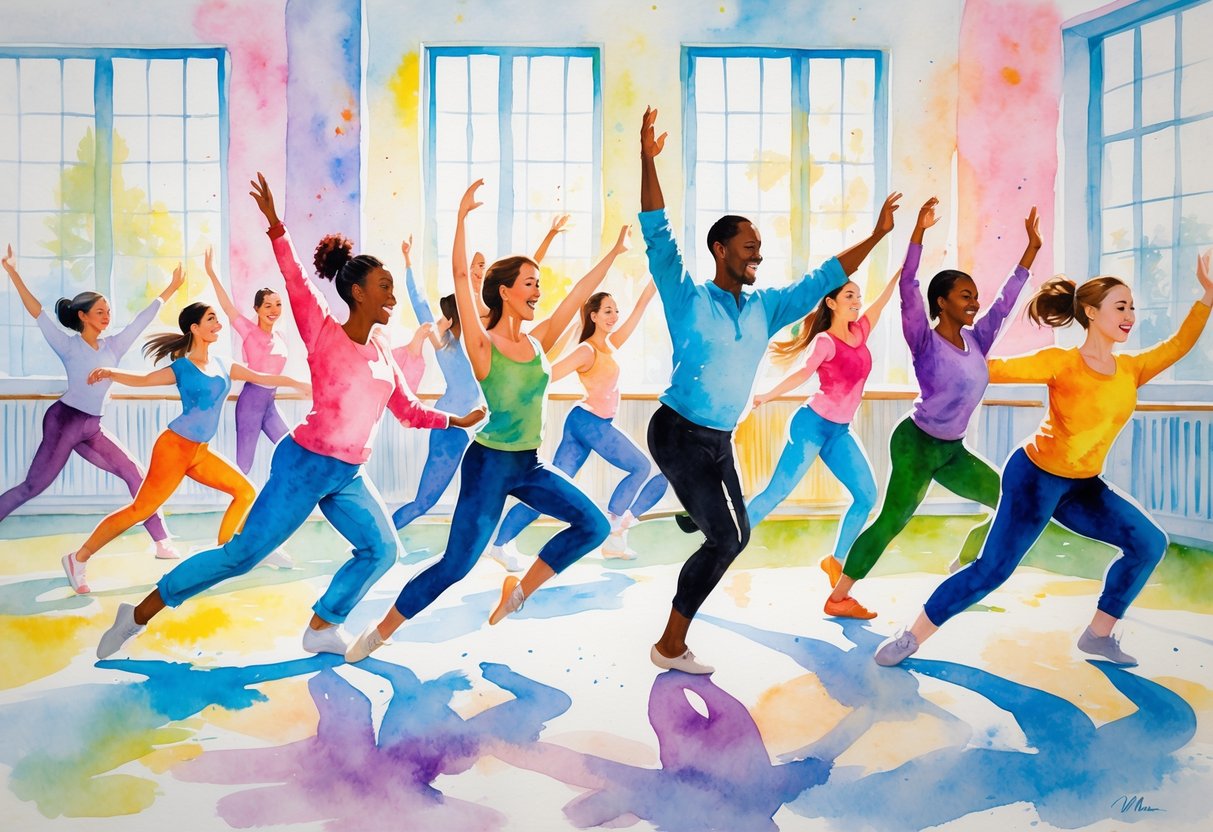
If you find it hard to sit still and love to move, dance classes can be a great choice. You get to use your energy in a fun and creative way.
Dance offers both structure and freedom, which keeps things interesting. You can try many styles like hip-hop, salsa, ballet, or ballroom.
Each style teaches different moves and techniques. This means you can keep challenging your body and mind as you learn new steps.
Dance classes are led by instructors who guide you through routines. You will often practice with a group, which can make it more social and motivating.
Working with others can help you stay engaged and push yourself. Dance helps improve balance, coordination, and flexibility.
As you advance, you may notice better fitness and posture. You also get to listen to music and express yourself at the same time.
If you want to build confidence, dance classes can help. Learning to perform routines in front of others can boost your self-esteem.
Some classes even offer chances to perform at events or small shows. You do not need to worry about being an expert.
Many classes welcome beginners and focus on helping everyone improve. Just bring your energy and a willingness to try.
Dance is a hobby that gets you moving every time. It can also be adapted for different ages and fitness levels.
Group classes, private lessons, and even online options make it easy to find a style and format that fit your needs. For people who want to stay active, dance is widely seen as one of the best hobbies that don’t involve sitting for long periods, as mentioned in this list of hobbies to keep you on your feet.
2) Rock climbing

Rock climbing is a strong choice if you have trouble sitting still. This hobby keeps your body and mind active.
When you climb, you use your muscles, improve your balance, and focus your attention on each move. You don’t have to go outside to start climbing.
Many cities have indoor climbing gyms. These gyms offer a range of walls and problems that suit beginners and advanced climbers.
Climbing works your whole body. Your arms, legs, and core all help you stay on the wall.
Over time, you may notice better strength and endurance. If you enjoy being outside, outdoor climbing gives you a chance to spend time in nature.
You’ll get fresh air and see natural landscapes. Many climbers say this is one of the best parts of the hobby.
You can climb alone, but many people prefer to climb with a partner or group. Climbing with others can make the sport safer and more social.
Rock climbing usually has a lower injury risk compared to some other active hobbies, like certain team sports or martial arts. However, learning proper safety techniques is still very important.
You also don’t need to commit large blocks of time. Sessions can be short or long, so you can fit them around your other responsibilities.
Climbing gives your mind a workout as well. You have to think ahead, plan your movements, and solve physical puzzles.
This keeps your brain just as engaged as your muscles. Many people who have tried other active hobbies find rock climbing’s mix of movement, focus, and flexibility appealing.
Some enjoy its lower risk of injury and the ability to go climbing as their schedules allow, as noted in one online discussion.
3) Trail running

If you want a hobby that keeps you moving, trail running is a strong choice. You get to run on paths through woods, hills, or mountains, instead of on flat pavement.
The changing ground and surroundings make each run feel different. Trail running is great because it works out your whole body.
Your legs, arms, and core all get used. You also have to pay attention to rocks, tree roots, and turns, so it keeps your mind focused.
You don’t need much equipment to start trail running. All you need is a good pair of running shoes with grip for uneven ground.
Many trail runners also wear hats or bring water, especially for longer runs. Nature is a big part of trail running.
You can enjoy fresh air and see different plants and animals along the way. If the weather is nice, it can make your run even better.
Trail running is flexible. You can pick short trails for quick runs or try longer paths for more of a challenge.
There are also clubs and group events, which can help you meet others who like to stay active. If your job or school makes you move a lot, trail running can fit into your schedule on weekends or after work.
Setting a regular time to run can help make it part of your routine. Some people make trail running part of a travel plan.
You can look for trails in parks or forest areas when you visit new places. It’s a way to see more of the outdoors and get exercise at the same time.
If you want more ideas on active hobbies like trail running, you can check out this list of the best jobs and hobbies for trail runners.
4) Martial arts
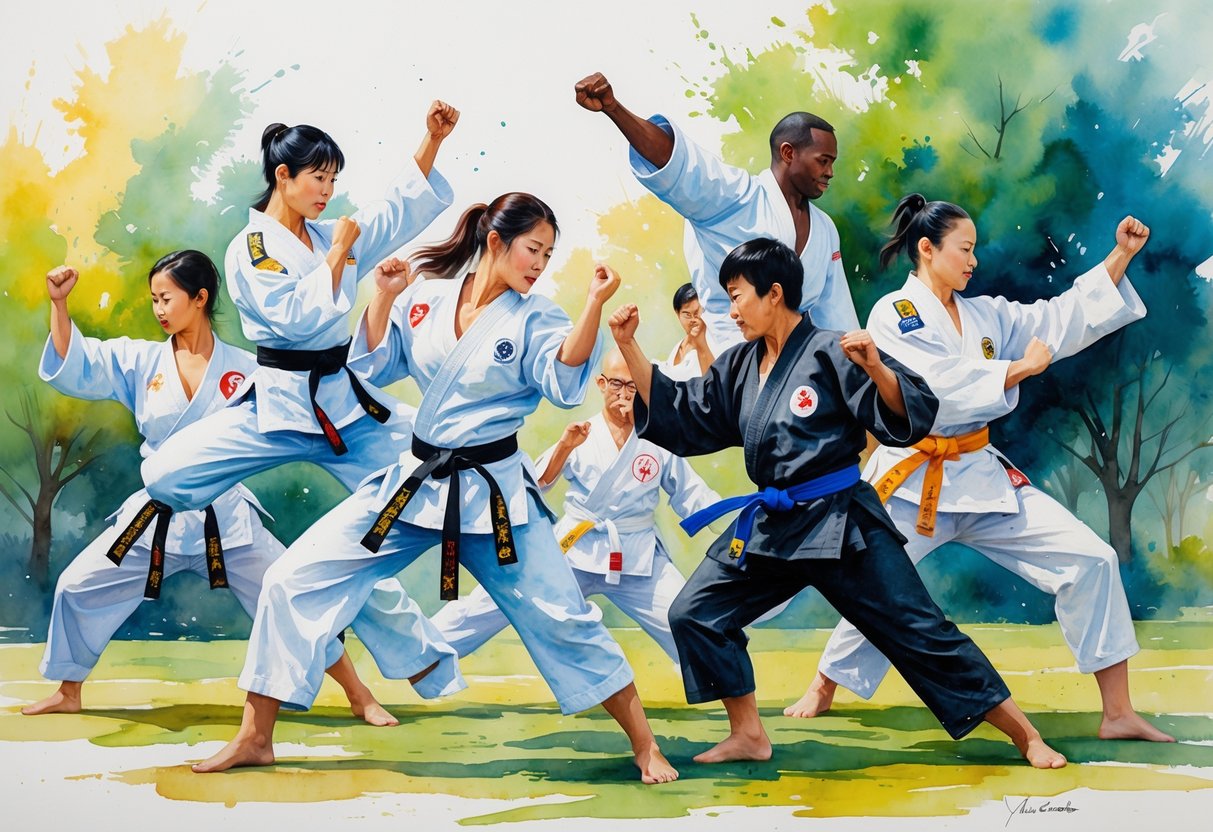
Martial arts are a great choice if you find it hard to sit still. In these activities, you almost never stay in one spot for long.
You use your whole body and practice quick, full movements. You can choose styles such as karate, taekwondo, judo, or kickboxing.
Each one focuses on body control, fitness, and discipline. Most classes warm up with stretches, cardio, and balance work.
These moves get your muscles working and your heart rate up. Martial arts classes are also social.
You usually practice with a partner or in a group. This makes it easier to stay motivated.
The atmosphere is friendly but focused. You set goals and work toward new skills or belt levels.
Learning martial arts helps you build strength and stamina. You will improve your balance, speed, and coordination.
Many people also report better focus and lower stress from practicing. Some martial arts, like tai chi, have gentler movements.
These are good if you prefer low-impact activities but still want to stay active. Others, like kickboxing, give you intense cardio and full-body workouts.
Martial arts give you many options based on your interests and fitness level. Besides exercise, martial arts teach practical skills.
You learn ways to protect yourself. You also gain confidence as you get stronger and learn new techniques.
Martial arts is one of the most hands-on hobbies you can pick. It works your mind and your body together.
If you are interested in more details, you can read about how martial arts keep you fit or explore different martial arts styles.
5) Parkour

Parkour is a hobby focused on moving through your environment in creative and efficient ways. You jump, climb, run, and vault over obstacles using your body’s own strength and balance.
If you have trouble sitting still, parkour gives you a purpose for your energy. Instead of traditional exercise routines, you use everyday objects like benches, walls, and stairs.
This makes each session different and interesting. You do not have to start with extreme moves.
Many beginners work on basics like balance, small jumps, or light climbs. Over time, you can build up skill and confidence at your own pace.
Parkour can help you stay fit while keeping your mind engaged. You need to focus on your path, think quickly, and react to your surroundings.
This mental challenge is just as important as the physical activity. This hobby is popular with people who like being outdoors.
You can practice solo or with a group. Many cities now offer parkour classes and meetups for all ages and skill levels.
Safety is important in parkour. You should use good shoes and practice on soft surfaces at first.
Warming up and learning how to fall safely can help lower your risk of injury. If you want a hobby that rewards movement and creativity, parkour is worth trying.
It turns parks, playgrounds, and even your neighborhood into an active adventure every time you step outside.
6) Team sports like basketball

If you struggle to sit still, team sports such as basketball can help you stay active. The game moves fast and requires constant movement, keeping your body engaged from start to finish.
Playing basketball gives you plenty of physical exercise. You run, jump, pivot, and hustle up and down the court.
This steady activity burns energy and helps you build coordination. Team sports like basketball also offer social benefits.
You connect with other players, communicate, and work as a group. This sense of teamwork can boost motivation and make the game even more enjoyable.
You can find organized leagues in many communities, or you can play pickup games at a local gym or park. Joining gives you a regular way to move your body and interact with others.
For those who used to play sports but miss the energy and competition, basketball is a natural choice. It combines exercise with the excitement of working alongside teammates, as mentioned in best hobbies for former athletes.
You do not have to be an expert to enjoy basketball. Many groups welcome players of all skill levels, making it easy to join and improve over time.
The simple rules also make it beginner friendly. If you want to stay active and enjoy connecting with others, basketball offers a fun and reliable option.
Each game provides action, movement, and plenty of opportunities to blow off steam.
7) Cycling
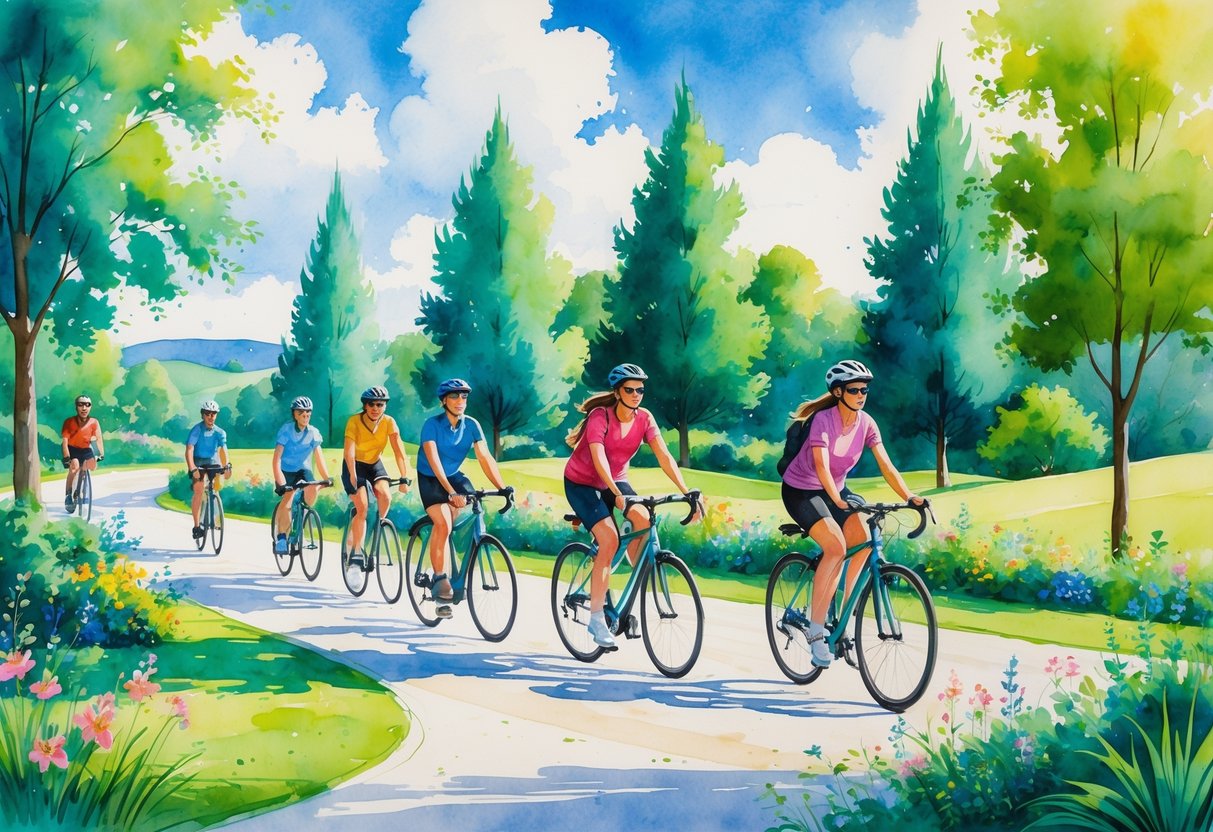
Cycling is a hobby that lets you keep moving and enjoy the outdoors at the same time. You can ride alone or with friends.
You can choose how far or fast you want to go. Many people find cycling great because it helps them stay active without having to sit still for long.
You use your legs and your whole body, which can make you feel energized and refreshed. If you live in a city, you can use cycling as a way to explore new areas or even as a way to travel to work or school.
In the countryside, cycling gives you the chance to see nature and experience quiet roads or trails. You do not need special skills to start cycling.
All you really need is a bike that fits you, a helmet, and safe places to ride. Local parks, bike paths, or neighborhoods are common places to start.
Cycling is easy to make part of your routine. You can plan short rides after work or long ones on the weekends.
If you like being part of a group, many communities have clubs or group rides that welcome newcomers. This hobby can also be adjusted for different skill levels.
If you want a light workout, you can take an easy ride. If you want a challenge, try biking up hills or going for longer distances.
For more ideas about hobbies that keep you active, you might find it helpful to read about jobs and activities made for people who can’t sit still on guides like this one.
8) Skateboarding

Skateboarding is a hobby that keeps you moving and challenges your balance. If you struggle to sit still, grabbing a skateboard can help you stay active and focused on the present moment.
You can skate almost anywhere that has smooth pavement, like sidewalks, skate parks, or empty parking lots. Learning new tricks and skills gives you new goals to work towards each time you ride.
Skateboarding also strengthens your legs, improves balance, and helps you build coordination. You are always shifting your weight and using your entire body.
You do not have to be a pro to start. Many people ride for fun, cruise around, or master basic moves.
Safety gear like helmets and pads is important, as falls are part of the learning process. This hobby is also a great way to socialize.
You may find people to skate with in your neighborhood, at parks, or through local events. The skateboarding community is usually friendly and open to newcomers.
You can set small goals, such as learning to turn smoothly or do a simple ollie. Each step forward gives you a sense of accomplishment.
Enjoying the outdoors is another perk. You get fresh air while riding, which can boost your mood.
Skateboarding takes time to master, but the constant movement can help you use your extra energy in a positive way.
9) CrossFit training

CrossFit training is a good choice if you like variety and can’t stay in one spot for long. The workouts are different each day, so you won’t get bored.
You use movements like lifting, jumping, running, and climbing. There are options for every fitness level.
You don’t need a lot of experience to start. Coaches help guide you and show you how to do each exercise safely.
Many CrossFit gyms, called “boxes,” offer classes with small groups. This gives you a chance to meet new people and stay motivated.
CrossFit challenges both your strength and your cardio fitness. Most workouts use your whole body and make you move in several ways.
You might flip tires, swing kettlebells, or lift weights. There are also many bodyweight exercises in CrossFit, such as push-ups and squats.
These moves often mix into short, high-energy routines called WODs (workouts of the day). You can adjust these routines to match your skill level.
CrossFit also tracks your progress. You might log your reps or times, which helps you see how you’re improving.
Some people enjoy the friendly competition of tracking scores in class. You can try CrossFit at most local gyms, and many offer first classes or trial periods.
Wearing comfortable workout clothes and sturdy sneakers is important. Bring a water bottle and towel, as the workouts can be intense.
10) Interval running

Interval running is a good hobby if you like variety and don’t want to stay still for long. This activity mixes running fast with slower recovery periods.
It helps you burn energy and keeps your workouts from getting boring. You can do interval running almost anywhere.
Try it at a park, on a track, or even on a quiet street in your neighborhood. You don’t need special equipment, just comfortable shoes and a safe place to run.
You decide how hard each interval will be. Some people choose short sprints followed by walking or gentle jogging.
Others might mix longer runs with shorter rests. You can adjust interval lengths and speeds based on your fitness level.
Interval running can make your heart and lungs stronger. Many people find that it helps them improve their stamina and speed over time.
You may also enjoy seeing progress as you change your routine and reach new goals. Because you keep changing your speed, it’s hard to lose focus.
It also doesn’t take too much time, so it fits well into busy schedules. Make sure to warm up before starting and cool down at the end.
This helps keep your muscles safe. Listen to your body and take breaks if needed.
Interval running can be done alone or with friends. Some groups and clubs hold interval sessions, giving you the option to make it social.
Benefits of Active Hobbies
Staying active through hobbies brings positive changes to your body and mind. Regular movement helps prevent aches from sitting too long and gives your brain a boost when you are feeling stressed or tired.
Enhancing Physical Well-Being
When you move more often, your muscles stay strong and your joints stay flexible. Activities like group sports, dance, or hiking can help you burn calories, improve your heart health, and even lower your risk for diabetes and high blood pressure.
Swimming, walking, or cycling are great ways to get your blood flowing and keep your bones healthy. Active hobbies may also help your balance, making it easier to avoid falls or injuries.
You might notice that you sleep better at night and have more energy during the day. People who stay active often find that their everyday tasks, like climbing stairs or carrying groceries, become easier to handle.
Joining group classes or team sports can add a social boost, as you meet new people while staying fit. You can read more about the value of social interaction and other active hobbies at Sometimes Homemade.
Table: Common Benefits of Active Hobbies
| Benefit | Example Activity |
|---|---|
| Stronger Muscles | Dancing |
| Improved Heart Health | Cycling |
| Better Sleep | Walking |
| Higher Energy Levels | Group Fitness Classes |
Boosting Mental Health
Active hobbies can help you fight stress and sharpen your focus. Physical movement leads your brain to release endorphins, often called “feel-good” chemicals, which can reduce feelings of anxiety and sadness.
Exercise, especially if you do it regularly, may also make it easier for you to handle daily challenges. Group activities give you a chance to socialize, lowering feelings of loneliness or boredom.
Trying new activities or learning new skills can give you a sense of accomplishment and make your mind stay alert. Even exercise done alone, like yoga or running, lets you clear your mind and feel calmer.
For those who value clear mental benefits, you’ll find that staying active can increase both your motivation and creativity as well. For more details on how hobbies can support your well-being, visit Sometimes Homemade’s guide to active hobbies.
Choosing the Right Hobby for Your Lifestyle

People who find it hard to sit still need hobbies that match their natural rhythm. It’s important to pay attention to what makes you feel good and how much activity you enjoy each day.
Identifying Your Energy Patterns
Understanding your own energy levels helps you choose activities that keep you engaged. Some people feel most awake in the early morning, while others find energy in the afternoon.
Track your natural highs and lows by noting how you feel at different times of day. Make a simple table to help:
| Time of Day | Energy Level (High/Low) |
|---|---|
| Morning | |
| Afternoon | |
| Evening |
Fill this out for a week. You may find it easier to commit to new hobbies when you fit them into your highest energy periods.
If you get restless when sitting down, pick hobbies that let you move. Look for activities like hiking, cycling, or dancing, which use your energy in positive ways.
For more ideas, try exploring lists of active hobbies for adults.
Balancing Activity with Relaxation
It’s easy to think you always need more activity, but everyone needs some downtime. If you only focus on moving, you might miss out on relaxing hobbies that can keep your stress in check.
Pick at least one hobby that calms your mind. Yoga, gardening, or drawing let you unwind without losing that sense of purpose.
Try to schedule these slower hobbies after busy days to help you recharge. You can rotate between active and quiet activities.
This helps prevent burnout and keeps all parts of your mind and body healthy. A balanced mix will help you stay engaged without feeling worn out, as suggested by guides on matching hobbies to your lifestyle.
Frequently Asked Questions
People who like to keep moving need hobbies that are hands-on, active, and easy to start. Some activities are budget-friendly, require little equipment, or can be mixed with other daily tasks.
What are some engaging hobbies for adults who prefer constant movement?
You might enjoy activities such as dance classes, rock climbing, or martial arts. These hobbies keep your body moving and your mind focused.
Trail running, cycling, and group sports like soccer or basketball are also great for those who don’t want to stay still. These choices encourage both fitness and social interaction.
Which inexpensive hobbies are ideal for people who dislike sitting still?
Walking and jogging in parks are free and simple to begin. Bodyweight exercises such as push-ups, squats, and lunges can be done at home without any special gear.
Many active hobbies for restless people involve little to no cost if you use public spaces or make use of free community resources.
What are some non-screen related hobbies suitable for those who need to be active?
Parkour, yoga, gardening, and group exercise classes do not involve screens and allow you to stay on your feet. Taking part in local sports clubs or hiking groups is another way to stay engaged.
If you like a creative touch, basic woodworking or simple DIY home projects also keep your hands busy and your mind active.
Can you suggest hobbies that allow for multitasking, such as those compatible with watching TV?
You can try stretching, light floor exercises, or using resistance bands in front of the TV. Activities like folding laundry or knitting can also be done while catching up on your favorite shows.
Some people walk in place or use a small pedal exerciser while watching television.
What hobbies are recommended for individuals seeking to reduce screen time?
Joining dance or fitness classes, practicing martial arts, and exploring new parks or trails all help you cut back on screens. These activities focus on moving your body and interacting with others face-to-face.
Painting, sculpting, or building small crafts offer a hands-on way to unwind without electronics. Gardening is another popular option for those avoiding screens.
Which tactile and hands-on hobbies are best for restless adults?
Sculpting, pottery, and painting are hands-on and keep both your mind and fingers engaged.
Woodworking and home DIY projects also let you move and work with different materials.
Gardening and cooking keep you active and offer a satisfying end result.