
10 Best Hobbies that Involve Listening: Engaging Activities to Sharpen Your Ears
Listening is an important skill that helps you connect with people and understand the world better. Many hobbies let you practice this skill in a fun and relaxing way.
Choosing hobbies that involve listening can improve your focus, support better communication, and make your free time more enjoyable.
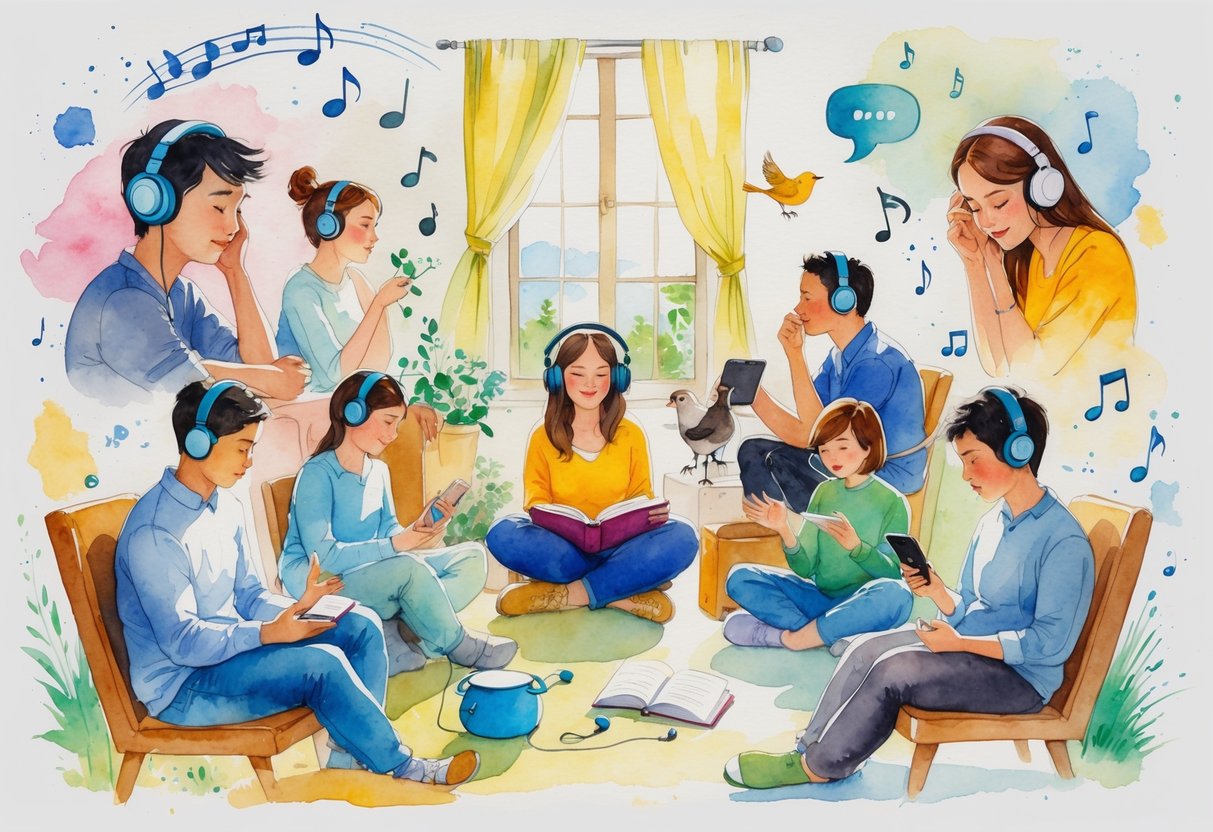
Whether you want to unwind, learn something new, or build stronger relationships, listening-based hobbies offer many benefits. These activities can fit easily into your daily life while helping you grow and feel more connected.
1) Listening to audiobooks

Listening to audiobooks is a popular hobby that can fit into almost any routine. You can enjoy stories, learn new facts, or explore different genres without needing to sit down with a physical book.
This makes audiobooks a good option when you want to keep your hands and eyes free. Many people listen to audiobooks while doing other activities.
For example, you can listen to a book while walking in your neighborhood or going for a run. This helps you combine exercise and entertainment at the same time.
You might find it relaxing to listen to audiobooks while doing simple chores like washing dishes or folding laundry. Some people draw or color while they listen.
This can help you focus on the story and keep your mind engaged. For more ideas, check out these fun things to do while listening to audiobooks.
Audiobook apps let you pick from a wide range of books, so you can always find something that matches your mood. You can listen on headphones or speakers at home or on the go.
Many libraries offer free access to audiobooks through apps, so you don’t have to spend extra money to enjoy this hobby. If you prefer fiction, you can listen to an exciting story.
If you like learning, you can pick non-fiction or educational books. You may even find that you finish more books because you can listen while doing other things.
Some people enjoy reading along as they listen. This can help with understanding and attention.
If you get fidgety or bored just sitting and listening, try doing a simple, quiet activity at the same time, as suggested by this list of activities.
2) Participating in group storytelling sessions

Group storytelling sessions are a fun way to practice listening. In these sessions, everyone takes turns adding a sentence or two to a story.
You need to pay close attention so you can add your part and keep the story flowing. This activity helps you build teamwork and communication skills.
When you listen closely, you pick up on important details and can react to changes in the story. Over time, you get better at understanding and remembering what others say.
Group storytelling can be done in person or online. It works with small groups or larger ones.
You do not need special tools—just people willing to join in and share ideas. The key to successful group storytelling is active listening.
You must focus on the speaker and remember what has already happened. This keeps the story interesting and prevents mistakes or repeated information.
These sessions can be silly, serious, or creative depending on the group’s mood. They are a great icebreaker for classrooms or teams because they encourage everyone to participate without pressure.
Activities like the Team Story game highlight how group storytelling can encourage creativity and connection. Listening in these sessions helps you learn how to wait your turn and respect others’ ideas.
You get a chance to hear many different thoughts and styles of expression. This can improve your own storytelling skills too.
If you want a hobby that mixes creativity with listening, group storytelling sessions are a good pick. You will develop patience, empathy, and attention to detail each time you take part.
3) Engaging in active listening workshops

Active listening workshops give you practical ways to strengthen how you listen and respond. These workshops usually involve structured activities and group exercises.
You get to practice skills like paraphrasing, asking follow-up questions, and paying close attention to the speaker. Often, you will work with others in groups.
This setup encourages everyone to share and listen without distractions. You can take part in games or tasks that help you focus on what others are saying.
Some workshops use activities like the “Paraphrase Challenge,” where you repeat what someone has said in your own words. Other activities might involve spotting mistakes or listening for specific details during a conversation.
These exercises can boost your focus and improve your understanding of others. By joining these workshops, you can build empathy and become more comfortable in conversations.
You might even notice your relationships at work or home start to improve as your listening skills get better. If you enjoy learning through doing, these workshops are a good way to stay engaged.
Active listening is not just about hearing words; it is about understanding the message behind them. Many workplaces and organizations offer active listening workshops to help people develop this important skill.
You do not need any special background to attend. Anyone can join and benefit, no matter your experience.
Regular practice in these workshops helps make active listening a habit in your everyday life.
4) Playing the Absent-Minded Game

Playing the Absent-Minded Game is a simple hobby that helps you improve your listening skills. It can be played with two or more people in a quiet space, such as at home, work, or school.
In this activity, one person tells a story or gives information while another acts distracted or uninterested. Your job as the listener is to pretend you are not paying attention or that your mind is elsewhere.
Afterward, you try to recall what was said. If you miss details, you and the speaker can see how much being a distracted listener affected your memory.
This activity shows how easy it is to forget information when you are not listening closely. The Absent-Minded Game makes it clear why staying focused is important in conversations.
It can also help build empathy, since you may realize how it feels to be ignored or not heard in a discussion. People have used this game in workplace settings and group training to highlight the value of active listening.
It is a hands-on way to notice your listening habits and see where you can improve. You do not need special tools or equipment to play.
All you need are people willing to participate and a few minutes to try the activity. The Absent-Minded Game is a good choice if you want to get better at listening and communicating with others in everyday life.
It helps you practice paying attention, improves understanding, and encourages respectful conversations.
5) Joining music appreciation clubs

If you enjoy listening to music, joining a music appreciation club can be a great choice. These clubs give you a chance to share your favorite songs and discover new sounds with people who also love music.
You can talk about different genres, artists, and albums in group settings. Sometimes, clubs bring in guest speakers or hold discussions, which can teach you more about music history and styles.
Group members often share personal stories about concerts or songs, helping you see music from new points of view. Many clubs listen to music together and discuss the details.
You learn to notice things like lyrics, melodies, and rhythms you might miss on your own. This can help you develop a deeper understanding of what you hear.
Music appreciation clubs are often open to all ages and skill levels. Whether you are just starting to explore music or you are a seasoned listener, you are welcome.
Some groups meet in person at local community centers, while others meet online, so you can join even if you have a busy schedule. Taking part in a music appreciation club encourages you to listen more actively.
You may be introduced to genres or artists that you would not have discovered on your own. You can grow your music collection and knowledge just by listening and sharing with others.
You can find clubs through schools, libraries, online forums, or social media. Some clubs focus on specific types of music, while others enjoy a broad range, as seen in lists of fun hobbies related to music.
Joining is a simple way to meet people with similar interests and make your listening hobby more social.
6) Attending live poetry readings

Attending live poetry readings is a unique way to engage your listening skills. You listen not just to words, but to the tone, rhythm, and emotion in the poet’s voice.
This helps you understand the work on a deeper level. Poetry readings usually take place in small, comfortable spaces.
The setting is often relaxed, making it easy for you to focus on the poet’s performance. You get a close-up view of how poets express themselves through spoken word.
By listening to poets read their own work, you can hear the intended pacing and emphasis. The sounds, pauses, and language become much more vivid than reading silently on your own.
This experience allows you to connect with the poet’s message and feelings directly. Sometimes, poets share stories or context about their poems before reading.
This insight helps you appreciate what inspired the writing and what the poet hopes you will notice. It makes the experience both personal and educational.
Many local libraries, cafes, and bookstores host regular poetry readings. These events bring together people who enjoy literature and performance.
They are also a good way to meet others who share your interests. Listening at poetry readings can even inspire you to try writing or reading poetry yourself.
Whether you go alone or with friends, these gatherings offer new ways to enjoy language. More on this can be found in guides to live poetry readings and how they are enjoyed as a leisure activity.
If you want to develop your active listening, poetry readings give you many opportunities to practice. Each poem is different, so you are always hearing something new.
This variety keeps the experience fresh and interesting.
7) Volunteering as a note-taker or transcriber

Volunteering as a note-taker or transcriber is a hobby that helps you work on your listening skills. Your main job is to listen carefully and write down what’s being said.
This could be for classes, meetings, or even interviews. Many schools and organizations need help with taking good notes for students who have trouble hearing or understanding lectures.
By volunteering, you make information more accessible to everyone. Being a note-taker means you have to pay close attention so nothing important gets missed.
Transcription is another way you can volunteer. This involves listening to an audio recording and turning it into written text.
Some programs, such as virtual volunteering initiatives for transcribing, connect you with groups that need transcripts of podcasts, talks, or old documents. To be a good note-taker, it helps to arrive ready, stay organized, and keep your notes clear.
You should write the date and use page numbers to stay on track. These tips for volunteers help make your notes useful for others who count on them (more about effective note-taking).
Helping as a note-taker or transcriber is something you can often do from home. This makes it a flexible hobby you can fit into your schedule.
8) Practicing mindful listening meditation

Mindful listening meditation is a simple but effective hobby that helps you pay close attention to sounds around you. You focus on listening without judging or reacting.
This practice can teach you to be present and aware in the moment. To start, find a quiet place where you can sit comfortably.
Close your eyes and listen to every sound—near or far. Try not to label the sounds or let your mind wander.
Just let them come and go without getting attached. Breathing naturally, tune in to the small details, such as the hum of an air conditioner or distant voices.
This helps you notice things you might miss in your daily routine. Practicing this regularly can help you become a better listener.
Some people use guided meditations or gentle music to help them stay focused. Others simply enjoy the quiet and let their mind settle.
This hobby can support your communication with others as well. By learning to listen fully, you may find it easier to focus in conversations and understand others better.
There are different ways to practice mindful listening. Some choose nature walks and pay close attention to birds or rustling leaves.
Others might listen to a piece of music without doing anything else, picking out each note or lyric. For more tips and exercises, you can read about mindful listening on Minimalism Made Simple and MindfulZen.
Over time, mindful listening meditation can help calm your mind. It encourages you to slow down and appreciate the present moment.
This hobby needs little equipment and can be practiced almost anywhere.
9) Playing the Tossing Game

The Tossing Game is a team activity that helps you focus on listening. In this game, group members toss a ball or another safe object to each other.
When you catch the object, you must answer a question or share a fact before tossing it to the next person. You need to pay close attention to what others say so you do not repeat answers.
This helps build your listening and memory skills. The game also teaches you to wait for your turn and respond to other people’s ideas.
The Tossing Game is often used in workplaces and group settings to help teams get better at communication and listening. It can be lighthearted, but it also encourages real focus on what others share.
This activity works well for breaking the ice in new groups. It is also a fun way to make meetings and classes more active and engaging.
If you want to try this with adults, you can find more details and ideas about the Tossing Game as an active listening activity. Bringing this game into your routine can help you become a better listener, whether at work, school, or home.
10) Joining recreational chorus groups

Joining a recreational chorus group is a fun way to improve your listening skills. When you sing with others, you need to pay close attention to the music, your part, and the voices around you.
This helps everyone blend well and creates harmony. In a chorus, you learn to follow a conductor’s cues, which builds focus and teamwork.
You also have to listen carefully to your pitch and timing. This makes you more aware of details in music and sound.
Recreational chorus groups are not just for professionals. Many people join these groups for fun and relaxation.
You can find community choirs and singing groups in most towns or cities. Chorus groups often perform a variety of music styles, from pop to classical.
This gives you the chance to explore new music and challenge your ears. Singing together also improves your memory and confidence.
If you enjoy being part of a group, chorus groups are a great choice. You spend time practicing with others and making new friends.
Many people feel a sense of belonging when they are part of a choir. You can find out more about the social and musical benefits of joining a choir or chorus group through resources like this article on hobbies and leisure activities.
Read about how choir membership helps with building trust and coordination. Whether you have years of singing experience or just want to try something new, a recreational chorus group offers a welcoming space to grow your listening skills.
All you need is the willingness to listen, learn, and enjoy singing with others.
Benefits of Hobbies That Involve Listening
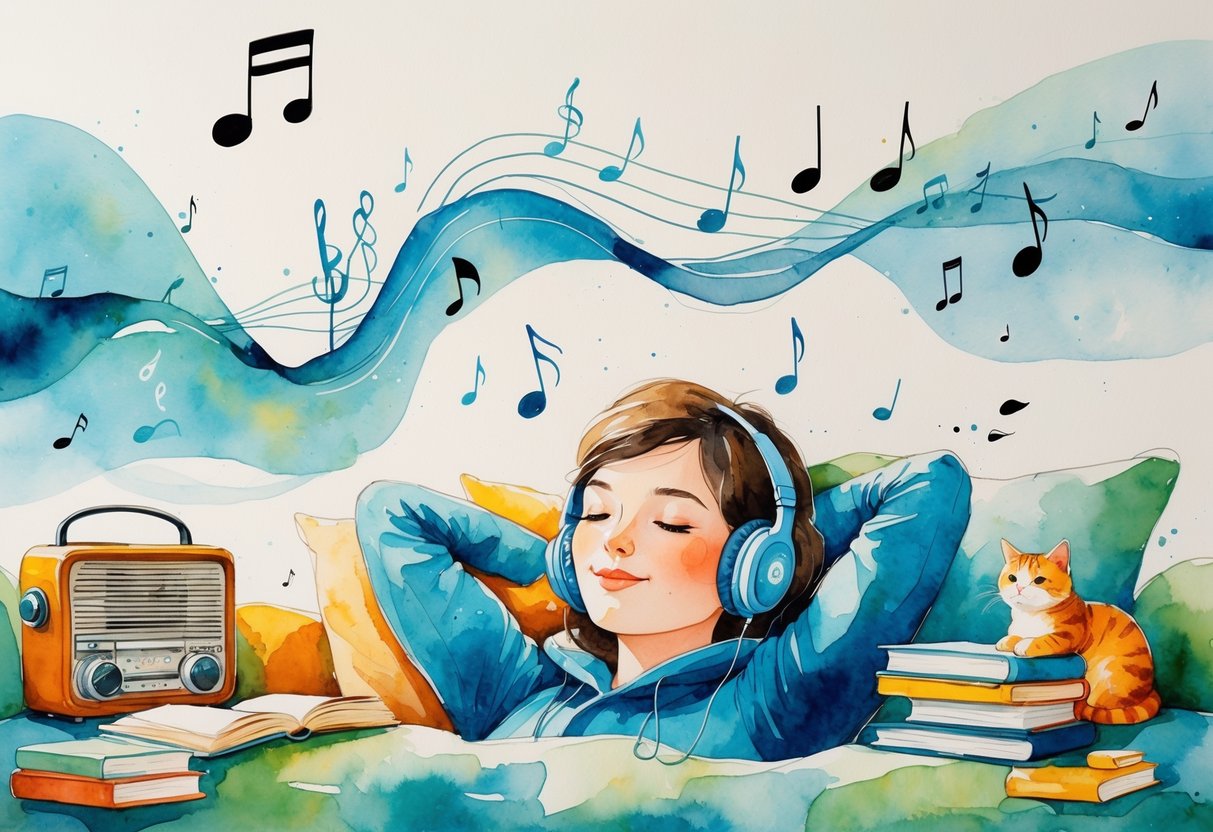
Practicing listening-focused hobbies can help you relax, boost your mental health, and sharpen the way you connect with others. These activities also challenge your attention and often encourage you to be more mindful in your daily life.
Mental Health Advantages
Listening-based hobbies like music appreciation, audiobooks, or mindful sound walks help to reduce stress and provide a sense of calm. By focusing on sounds and blocking out distractions, your mind gets a break from anxious or negative thoughts.
Many people find that hobbies involving careful listening help them process emotions and lower feelings of anxiety. Listening activities often create a routine and give your day structure.
This structure is important for maintaining healthy habits and keeping your mind occupied in a positive way. Some hobbies, such as playing or listening to music, can even increase feelings of happiness by stimulating the brain’s reward systems.
There is also evidence that mindful listening activities help your brain gain resilience with age. Activities like enjoying music or learning new languages through audio can help keep your mind sharp and engaged, acting as good stress relievers and improving brain health over time.
Learn more about the mental health perks of listening hobbies from the 10 best hobbies for brain health.
Enhanced Communication Skills
When you take part in listening-focused hobbies, you naturally become better at giving your full attention to others. This skill directly improves your everyday conversations, making you a more thoughtful and understanding communicator.
Active listening helps you pick up on details and emotions in what other people say. This makes it easier to respond clearly and avoid misunderstandings.
For example, hobbies like group storytelling, podcast clubs, or language circles all require listening closely and responding in real time. Your ability to remember and process information gets stronger with practice.
These skills are not only useful for hobbies but carry over into school, work, and relationships. Participation in listening hobbies can help you become calmer, more patient, and better at noticing social cues, as highlighted by experts who discuss active listening hobbies.
How to Get Started With Listening-Involved Hobbies

Starting a hobby that focuses on listening means picking something that fits your interests and making sure you have the right tools. You can join groups, use apps, or try new activities by following simple steps and using everyday items.
Choosing the Right Hobby for You
To find the right listening hobby, think about what you enjoy most. If you like music, you might try learning an instrument or singing.
Audiobook lovers can join a book club or start listening to podcasts. If you want to connect with others, consider group activities such as a language exchange or storytelling nights.
It’s helpful to list your interests and see which activities make you excited. Consider how much time you have each week and whether you prefer solo or group hobbies.
Look for clubs or online communities where you can practice and share ideas. Sites like PrepEdu and English Hawk offer ideas and examples to help you decide.
Tools and Resources You May Need
Most listening hobbies need just a few basic tools. For music, you may need a simple instrument or a music streaming app.
Audiobook fans need headphones and access to a good library or audiobook service. If you want to join discussions, a notebook and a reliable internet connection can help.
Table of Common Tools:
| Hobby Type | Basic Tools Needed |
|---|---|
| Music | Instrument, music app |
| Audiobooks | Headphones, app/library card |
| Language Exchange | Notebook, smartphone/laptop |
| Storytelling | Notebook, voice recorder |
| Podcasts | Headphones, podcast app |
Look for online resources, podcasts, and free platforms to make the most out of your new hobby. Many hobbies can start at home with items you already have and grow as your interest develops.
Frequently Asked Questions
Many hobbies can help you become a better listener and sharpen the way you pay attention to others. Activities like listening to audiobooks, joining clubs, or participating in listening games are easy to try and offer real benefits for your listening skills.
What hobbies can enhance my listening skills?
You can build your listening skills by trying hobbies such as listening to audiobooks, attending group storytelling sessions, and joining active listening workshops. These activities help you notice details and understand different points of view.
What indoor hobbies are best for improving listening abilities?
Great indoor hobbies for listening include listening to audiobooks and participating in music appreciation clubs. Engaging in online language learning groups is also a helpful way to practice focus and attention at home.
Which hobbies that involve listening are suitable for adults?
Adults often enjoy joining book clubs where you discuss what you’ve listened to or read. Attending group storytelling sessions and active listening workshops are also well-suited for adults looking to refine their listening skills.
Music appreciation clubs are another good fit for adults seeking new interests.
Can you list hobbies ideal for auditory learners?
Auditory learners will benefit from hobbies like listening to audiobooks and joining language exchange groups. Participating in group storytelling events is also helpful.
Taking part in active listening hobbies helps improve how you process and remember audio information.
What are some cool hobbies that also help with listening?
If you want something fun and unique, try playing the Absent-Minded Game or joining a podcast discussion group. Exploring sound-based puzzles is another interesting option.
Music listening and appreciation clubs are also cool ways to practice listening while enjoying your favorite tunes.
What active listening hobbies do men typically enjoy?
Many men enjoy joining music clubs, playing team-based listening games, and participating in group storytelling.
Some also like taking part in workshops that focus on active listening and communication skills.